
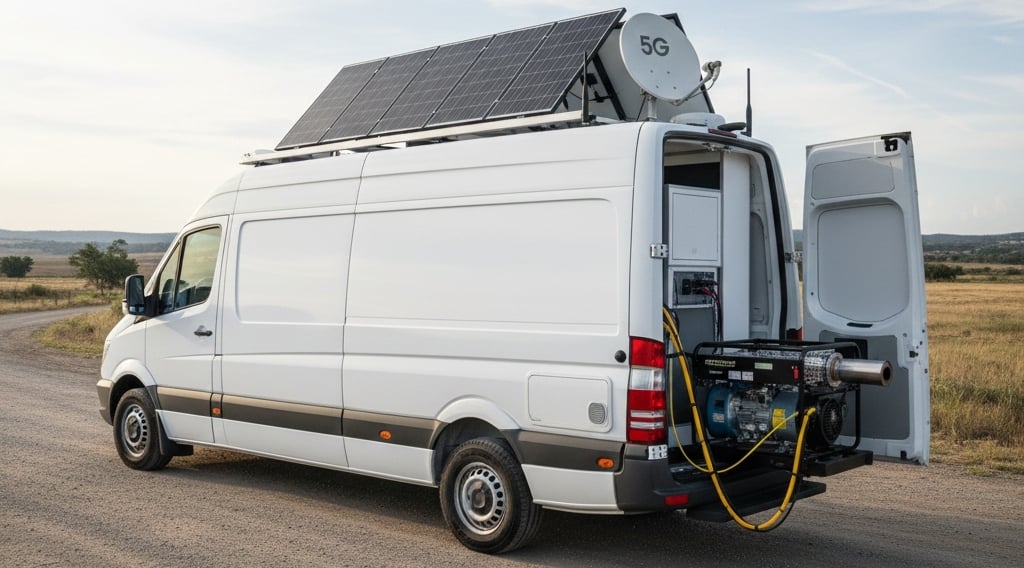
Power systems are the backbone of any mobile medical unit. Without reliable electricity and robust power design, diagnostic tools, life-support equipment, and data systems can fail at the worst time. Mobile clinics face unique constraints, limited space, vibration, and sometimes remote locations with no shore power.
In many low-resource regions, roughly 15% of health-care facilities have no access to electricity, while only 40% can rely on a steady supply. That means engineers must design systems that deliver steady voltage, safe grounding, backup power, and secure data links.
This guide takes you through the essential components that keep a mobile medical unit powered, stable, and ready to operate in demanding environments.
Key Components of Electrical Power Systems in Mobile Medical Units
Building a reliable electrical foundation for a mobile medical unit requires more than simply installing a generator and some wiring. These vehicles function as miniature hospitals, and every system, including lighting, diagnostic equipment, refrigeration, and IT networks, depends on uninterrupted power.
The electrical setup must therefore combine durability, safety, and flexibility, supporting both sensitive devices and rugged environments. Understanding each core component helps ensure that healthcare teams can perform effectively, even in unpredictable field conditions.
Reliable Power Generation for Mobile Units
Every mobile medical unit relies on a dependable source of electricity to function effectively. Generators serve as the primary power source, providing consistent energy for all onboard medical devices. Diesel-powered models remain the most common due to their reliability and capacity to support high-demand equipment.
However, modern designs are now integrating hybrid generators that combine solar energy with fuel-based systems. This shift not only reduces operational costs but also ensures a steady energy flow during long medical missions, drawing on advanced mobile power generation techniques.
Energy Storage for Continuous Operation
Even the best generators can’t run continuously without maintenance or refueling. That’s where advanced energy storage systems come in. High-performance lithium batteries store excess energy and supply it during downtime or travel breaks. These systems keep vital equipment, such as vaccine refrigerators, ECG monitors, and ventilators, running without interruption. By balancing power use, they also help extend generator life and reduce strain on the overall electrical system.
Power Distribution and Load Management
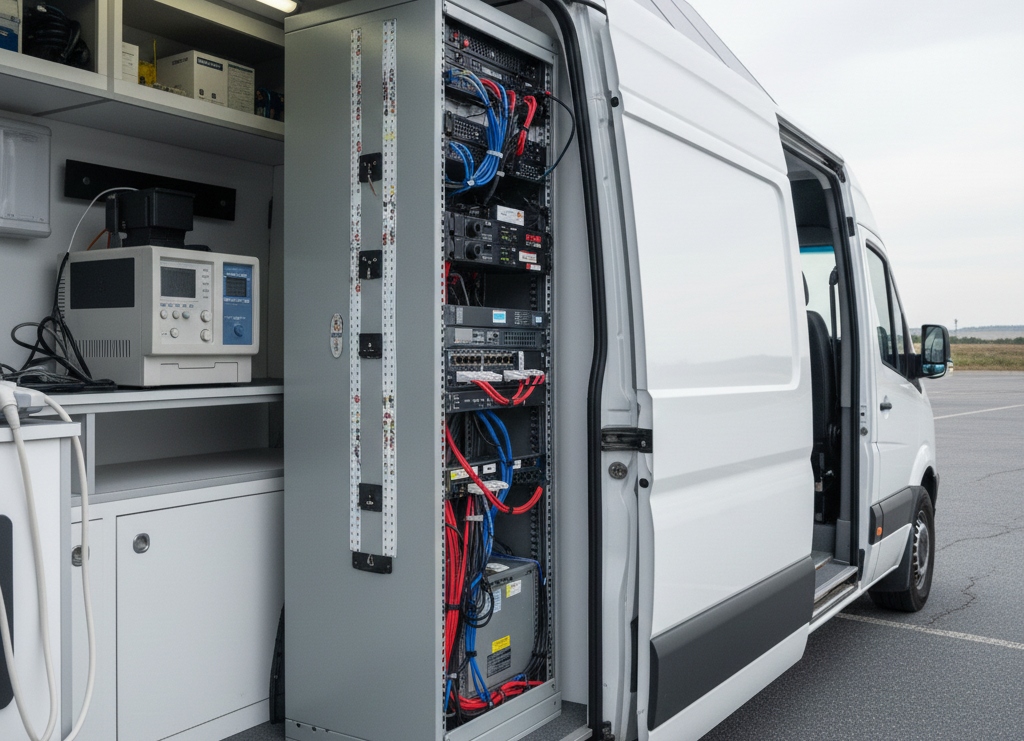
Once power is generated and stored, it needs to be safely distributed throughout the unit. Power distribution panels handle this critical task by directing electricity to various zones of the vehicle. They maintain stable voltage across circuits, ensuring each medical device receives the correct power level.
A well-designed load management system prevents overloading, reduces the risk of circuit failure, and provides a safer, more efficient operational environment for healthcare staff.
Voltage Regulation and Backup Systems
Medical equipment is highly sensitive to even minor voltage fluctuations. That’s why voltage regulators are essential in mobile units. They stabilize the current and protect delicate instruments from spikes or drops that could cause malfunction or data loss.
In addition, uninterruptible power supply (UPS) units act as backup sources, automatically switching on when the main power fails. This seamless transition ensures critical equipment, like life-support monitors or oxygen delivery systems, never loses power, even for a second.
Integrating Renewable Energy for Sustainability
Sustainability is becoming an important goal in mobile healthcare operations. Solar panels are increasingly integrated into the design of mobile medical units, allowing them to capture renewable energy during the day. This not only reduces fuel dependency but also enhances autonomy in remote or underserved regions. By blending solar and conventional power systems, mobile clinics can operate longer, cleaner, and more efficiently.
What happens if both the generator and battery systems fail?
If both systems encounter a fault, most mobile medical units are designed with a manual power bypass or emergency plug-in option. This allows connection to an external power source, such as a local grid or auxiliary generator, ensuring medical operations continue safely until the onboard systems are restored.
Power System Design for Safety and Efficiency in Mobile Medical Units
Designing electrical and power systems for mobile medical units is not just about functionality; it’s about trust. When lives depend on uninterrupted energy, every wire, circuit, and outlet must perform flawlessly. A single fault can interrupt treatment or compromise patient safety.
That’s why efficiency and safety go hand in hand in mobile power system design. Each component must be engineered to operate under constant motion, changing weather, and varying electrical demands while ensuring absolute reliability.
Prioritizing Electrical Safety Standards
Safety starts with adherence to established electrical codes and healthcare regulations. Mobile medical units follow standards like the National Electrical Code (NEC) and NFPA 99, which set guidelines for wiring, grounding, and emergency power systems. These rules ensure patient and operator safety even in high-risk scenarios. Proper insulation, circuit protection, and isolation of medical-grade outlets are vital in preventing electrical shock and maintaining a sterile working environment.
Balancing Power Efficiency and Load Demand
In mobile healthcare, every watt counts. Engineers carefully balance power output with load demand to prevent overuse or inefficiency. The electrical system must deliver enough energy to operate heavy equipment, like X-ray machines and lab analyzers, without overloading the circuit. Smart load management systems automatically shift or limit power to non-critical devices during peak usage. This balance keeps operations stable while conserving energy for essential medical functions.
Thermal Management and Ventilation Systems
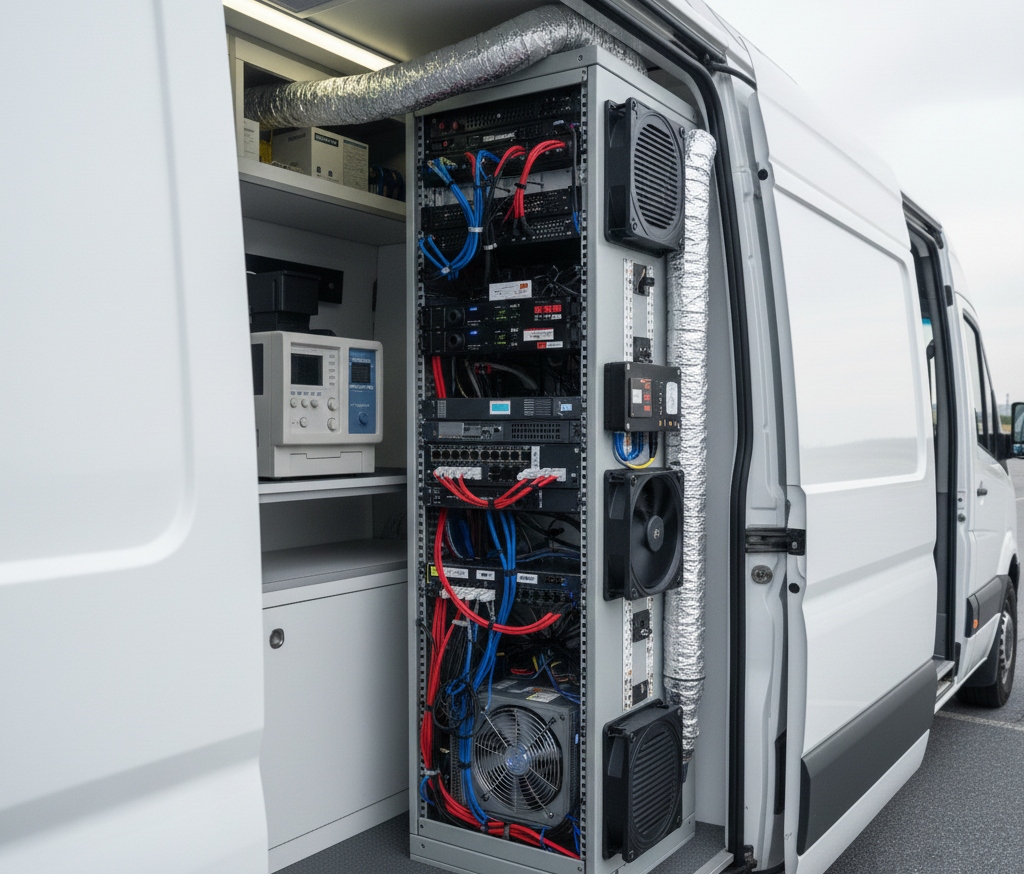
Electrical systems generate heat, especially in confined mobile spaces. Without proper thermal management, this heat can shorten equipment lifespan or create safety hazards. Efficient ventilation and cooling systems are installed to regulate temperature and prevent overheating of circuits and batteries. Some modern units include thermal sensors that trigger automatic fan or cooling operations, ensuring consistent temperature control throughout the vehicle with HVAC design standards for mobile clinics.
Integrating Redundant Power Paths
Power redundancy is the backbone of reliability in mobile healthcare units. Dual wiring paths and automatic transfer switches allow for instant energy rerouting in case one line fails. This redundancy ensures that essential systems, such as life-support, refrigeration, or diagnostic equipment, remain operational no matter what happens. It’s a design principle rooted in the same reliability standards used in hospitals and emergency centers, adapted to fit the mobility of field operations.
Regular Testing and Safety Audits
No power system design is complete without ongoing validation. Routine testing, maintenance, and electrical safety audits confirm that systems continue performing at their peak. Load testing under real operational conditions helps detect weak points before they become risks. These proactive measures guarantee that mobile medical units remain dependable, compliant, and ready for deployment at a moment’s notice.
How often should a mobile unit’s electrical system be inspected?
Ideally, power systems in mobile medical units should be inspected every six months. However, high-usage or mission-critical vehicles may require quarterly testing to ensure compliance and consistent safety performance.
How Energy Efficiency and Sustainability Drive Modern Mobile Medical Units
Energy efficiency isn’t just an operational advantage for mobile medical units; it’s a necessity. These vehicles often travel to remote areas where fuel, maintenance, or charging infrastructure is limited. A well-designed electrical system conserves power, extends service time, and reduces environmental impact. Sustainability has become an essential design factor, ensuring that healthcare delivery remains reliable while minimizing the carbon footprint.
Adopting Smart Energy Management Systems
Modern mobile medical units use intelligent power management systems that automatically monitor, control, and balance energy consumption. These systems distribute electricity according to priority, ensuring life-support and diagnostic equipment always receive stable power. Smart controllers track real-time data, detecting irregularities before they cause breakdowns. This predictive efficiency keeps operations smooth and eliminates energy waste during idle hours.
Integrating Renewable Power Sources
To enhance sustainability, designers increasingly integrate renewable power options such as rooftop solar panels or portable wind systems. Solar energy, in particular, provides a consistent supplemental source that can charge onboard batteries or run low-demand medical tools. According to a study published in the International Journal of Low-Carbon Technologies, a hybrid power model achieved 84.7% electricity generation from renewable sources, significantly cutting diesel dependency. This approach reduces fuel consumption, extends operational hours, and improves autonomy in rural or disaster relief zones.
Battery Storage and Hybrid Power Solutions
Advances in lithium-ion and solid-state battery technology have transformed mobile healthcare operations. High-capacity batteries now serve as dependable backup systems, storing excess energy generated during low-load periods. Many mobile units use hybrid systems that combine diesel generators with solar or battery storage. This design reduces generator run-time, lowers noise levels, and cuts emissions, allowing medical teams to work quietly and cleanly even in sensitive environments.
Reducing Carbon Emissions through Efficient Design
Energy efficiency extends beyond electronics. Lightweight construction materials, aerodynamic vehicle shapes, and low-friction tires all contribute to lower fuel use. Engineers also install energy-saving LED lighting and temperature-regulated HVAC systems to prevent unnecessary power drain. These collective improvements reduce operating costs and support healthcare organizations’ sustainability commitments while maintaining top-tier clinical performance.
Monitoring Long-Term Energy Performance
True energy efficiency is not a one-time achievement; it’s an ongoing process. Continuous monitoring systems record energy consumption trends and identify potential inefficiencies over time. Data analytics allow maintenance teams to adjust settings, recalibrate systems, or upgrade components as technology evolves. This commitment to continuous improvement ensures the vehicle remains sustainable and efficient throughout its operational life.
Can renewable energy fully power a mobile medical unit?
In most cases, renewable energy alone isn’t enough for high-load medical equipment, but it significantly extends battery life and reduces generator usage. A hybrid model combining solar and backup power offers the best balance of reliability and sustainability.
Electrical System Maintenance and Troubleshooting Guide for Mobile Medical Units
Even the most advanced electrical systems in mobile medical units need regular maintenance to ensure reliability and safety. These vehicles operate under constant motion, vibration, and temperature changes, conditions that can loosen connections or wear out components over time. A consistent maintenance schedule prevents sudden failures, safeguards equipment, and ensures medical operations continue uninterrupted in any environment.
Routine Inspection and Preventive Maintenance
Regular inspections are the foundation of system reliability. Technicians check wiring integrity, terminal tightness, insulation wear, and the condition of circuit breakers. Preventive maintenance is usually scheduled monthly or after every major deployment, focusing on cleaning electrical panels, tightening loose terminals, and recalibrating monitoring devices. This proactive approach helps detect small issues before they escalate into system-wide failures.
Monitoring Voltage and Load Distribution
Load imbalance is a common challenge in mobile medical setups. Uneven power distribution can lead to overheating or premature equipment failure. Engineers use load monitoring tools to ensure that high-demand medical devices, like imaging systems and HVAC units, receive adequate, balanced power. Voltage meters and data loggers track fluctuations, allowing technicians to adjust circuit configurations and protect sensitive electronics from instability.
Troubleshooting Common Electrical Faults
Despite careful planning, faults can occur due to road vibrations or extended operational hours. Common issues include short circuits, blown fuses, tripped breakers, or unstable voltage supply. Effective troubleshooting begins with isolating the faulty circuit, inspecting connection points, and verifying continuity. Most problems can be resolved through component replacement or reconnection, but maintaining detailed diagnostic records ensures recurring issues are addressed permanently.
Testing Backup Systems and Power Redundancy
Backup systems like inverters, batteries, and auxiliary generators are critical for emergency operations. These components must be tested regularly under load conditions to confirm their readiness. Technicians perform simulated outages to ensure the system automatically transfers power without interruption. Any delay, voltage dip, or switch failure during testing is corrected immediately to prevent downtime during real emergencies.
Training Staff for Basic Electrical Awareness
While professional maintenance is essential, medical staff should also understand the basics of electrical safety. Training programs teach operators how to identify early warning signs, such as flickering lights, abnormal odors, or unusual sounds. Awareness at the user level not only prevents accidents but also accelerates reporting, allowing issues to be addressed before they disrupt patient care.
Power Safety, Regulations, and System Protection in Mobile Medical Units
Power safety isn’t just a design concern; it’s the heart of every mobile medical trailer’s performance. These vehicles carry sensitive diagnostic and life-support equipment that can’t afford even a moment of electrical instability. Ensuring safe and regulated power keeps both patients and medical staff protected, while extending the lifespan of every onboard system.
Grounding and Electrical Isolation for Protection
Proper grounding prevents dangerous voltage buildup and static discharge, which could damage sensitive electronics or pose a shock risk. Electrical isolation adds an extra layer of defense, separating patient-connected equipment from raw power sources. Together, these measures create a controlled environment that keeps medical devices safe, even when the vehicle faces unpredictable power surges.
Surge Protection and Overload Prevention
Power surges from generators or grid connections can be devastating to equipment like ECGs, ventilators, and imaging systems. Surge protectors and automatic circuit breakers guard against overload by redirecting excess energy safely. Smart monitoring panels now alert technicians instantly when a circuit reaches its limit, allowing them to balance loads before damage occurs.
Thermal Management and Fire Safety
With constant power flow and compact spacing, heat buildup can become a serious concern. Effective thermal management, through ventilation fans, heat shields, and temperature sensors, keeps electrical components within safe limits. Additionally, mobile units are fitted with fire-rated insulation and automatic suppression systems, ensuring quick response if overheating ever occurs.
Regulatory Standards and Safety Compliance
Mobile healthcare power systems must meet strict safety standards, including NFPA 99, NEC Article 551, and DOT vehicle codes. These regulations cover everything from wire sizing to breaker ratings and ensure the system can operate safely under all travel conditions. Routine audits and certifications help verify that every unit meets the highest level of compliance before it’s deployed, as detailed in resources on building durable and compliant medical vehicles.
Emergency Shutdown and Fault Isolation Systems
An emergency shutdown system provides instant protection if a major fault occurs. One switch disconnects all circuits, isolating the issue and preventing cascading failures. Fault isolation also makes troubleshooting faster, reducing downtime and preserving power to non-affected systems so care can continue in limited capacity.
What’s the most common cause of electrical faults in mobile medical units?
Most electrical faults stem from vibration-related wear or loose connections developed over time. Regular inspections and secure mounting of components drastically reduce these risks and maintain consistent performance on the road.
Build Your Medical Unit with Confidence Today
Reliable electrical and power systems are the backbone of every mobile medical unit. From advanced energy distribution to safety compliance and long-term maintenance, each component plays a vital role in keeping life-saving care available wherever it’s needed most. A stable power foundation doesn’t just keep equipment running; it keeps trust alive between healthcare providers and the communities they serve.
If you’re planning to design or upgrade a mobile healthcare vehicle, investing in expert electrical engineering is the smartest step you can take. With decades of fabrication experience and a deep understanding of healthcare standards, Craftsmen Industries delivers custom-built power systems that perform in the toughest conditions.
Visit CraftsmenInd.com today to explore how precision-engineered mobile solutions can power your next healthcare mission and bring reliable care closer to every patient, every time.
Frequently Asked Questions
How do mobile clinics get their power?
Mobile medical units use integrated generator systems, battery storage, and sometimes renewable energy sources like solar panels. These components work together to provide stable, uninterrupted power for critical medical devices during travel and on-site operations.
What happens when the generator fails in a mobile medical unit?
In the event of a generator failure, backup systems such as uninterruptible power supplies (UPS) and auxiliary batteries automatically activate. This prevents equipment downtime and ensures continuous power for life-saving devices until the primary source is restored.
Are solar panels enough to power a mobile medical unit?
Solar energy can supplement power needs and reduce fuel usage, but it usually cannot fully sustain a mobile medical unit. High-energy devices like imaging or refrigeration systems require additional generator or battery support for reliability.
How often should the power system in a mobile medical unit be maintained?
Routine maintenance is essential to prevent system failure. Technicians should inspect wiring, test backup batteries, and log generator hours regularly to maintain optimal performance and safety.
Is off-grid power safe enough for medical-grade devices?
Yes, if engineered with proper voltage regulation, surge protection, and grounding. Modern mobile medical power systems are built to meet healthcare-grade safety standards, ensuring equipment functions safely even in remote or off-grid environments.
Filter Posts by Tag
related posts
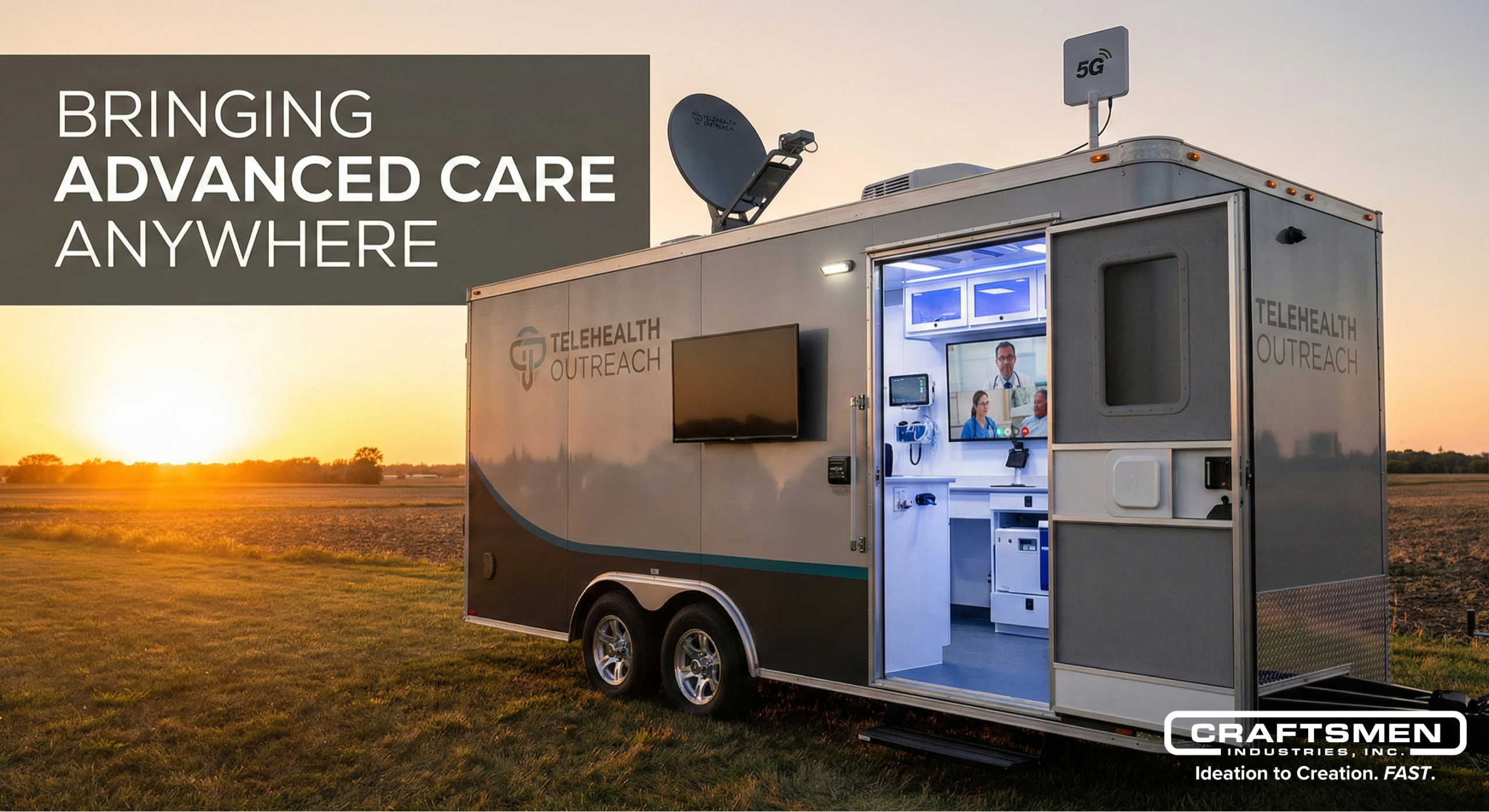
How does telemedicine in medical trailers work? Explore mobile telehealth tech, compliance, equipment & connectivity solutions for providers. Learn more.
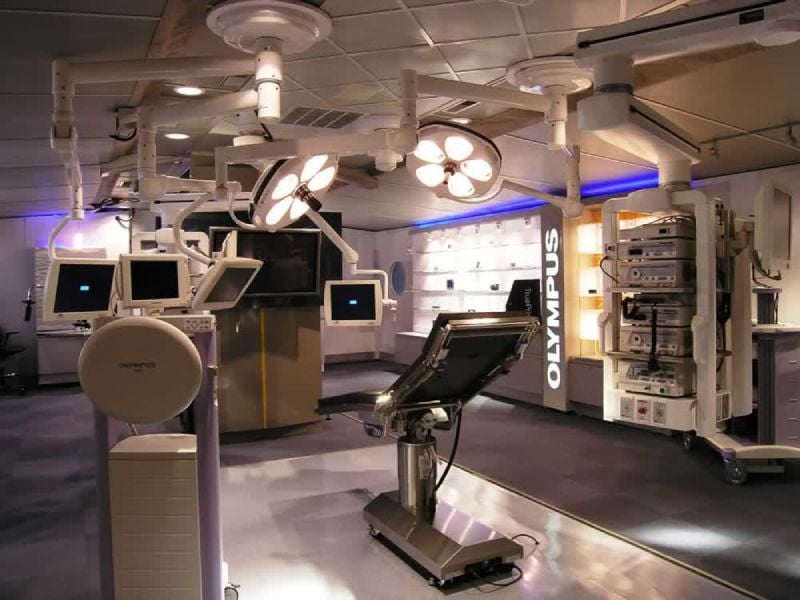
People living in remote areas can access medical care easily due to medical vehicles. But are mobile medical coaches equipped for surgical procedures?
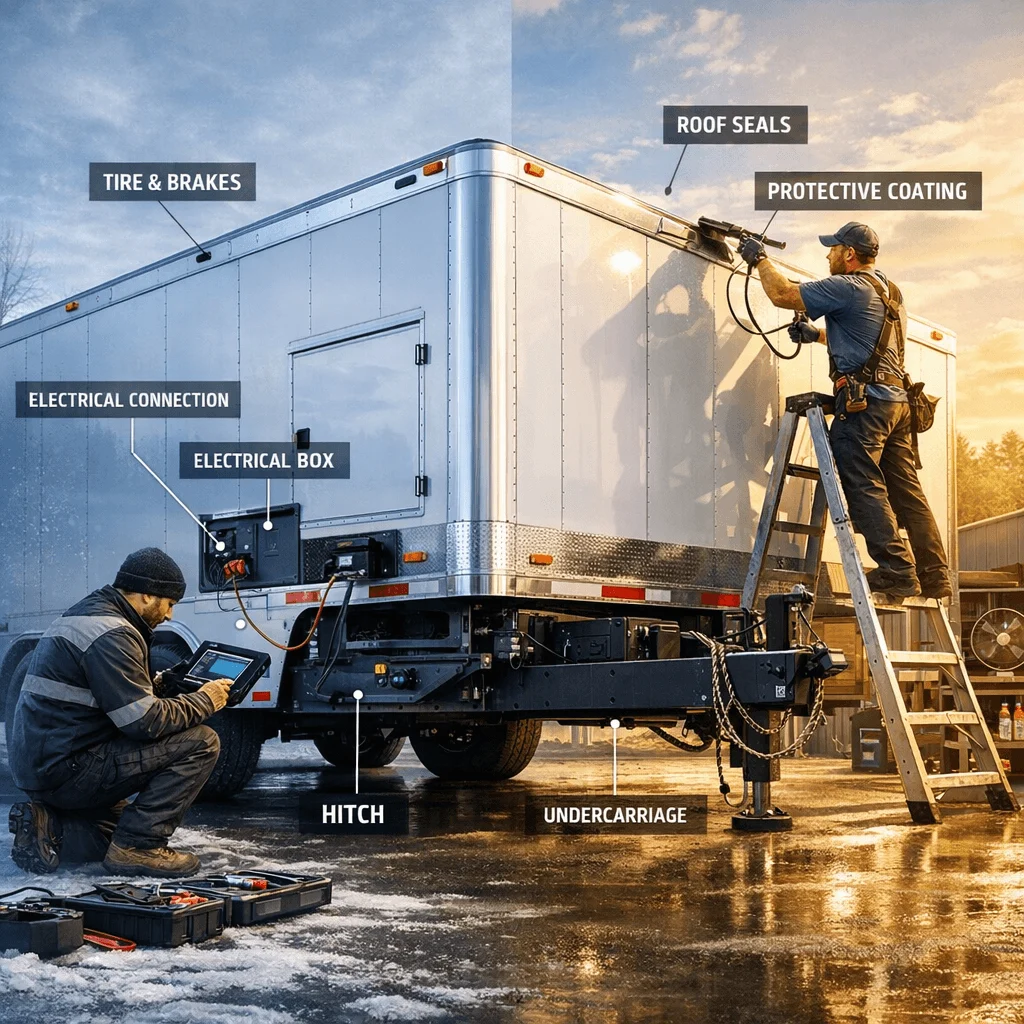
Medical trailer parts are the structural, mechanical, and clinical components [...]
