
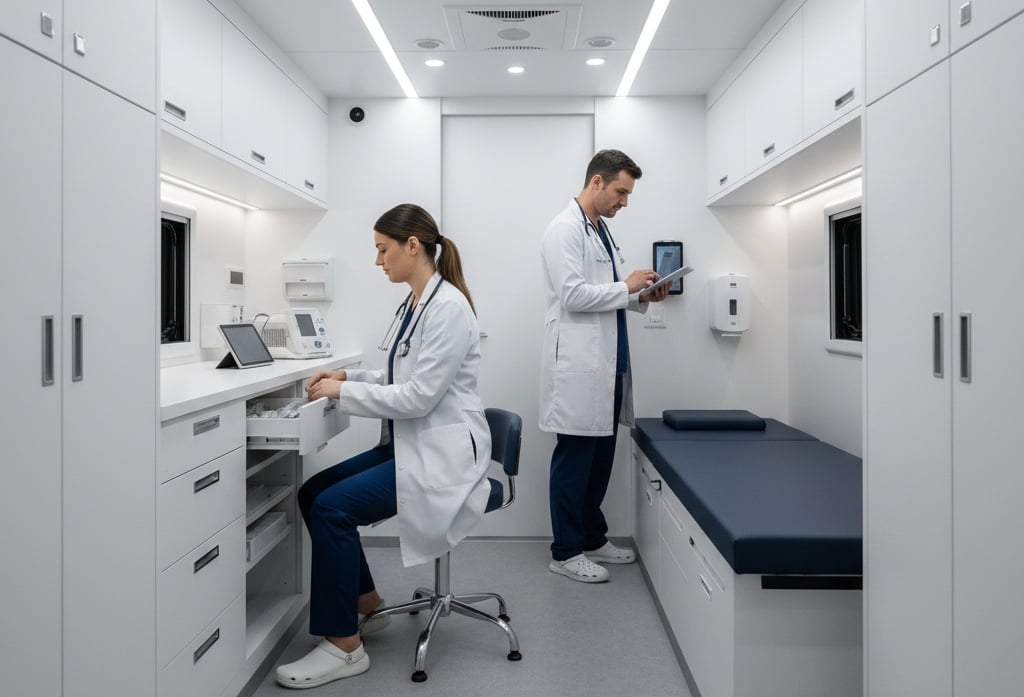
Mobile medical vehicles are more than just transport; they’re fully functional healthcare spaces on wheels. The interior design and choice of materials directly affect patient care quality, staff efficiency, and sanitation. Since many health-care facilities still lack reliable electricity, only 40% of sub-Saharan African facilities have consistent power; every detail matters: from surface materials that resist bacteria to layouts that maximize limited space. The design must balance durability with comfort, while meeting strict health regulations.
This blog explores how experts select materials and design interiors that keep mobile clinics safe, effective, and welcoming.
How Mobile Medical Vehicle Interior Design Enhances Patient Care and Workflow
The interior of a mobile medical vehicle is crafted around its mission, to provide accessible, high-quality care wherever it’s needed. Function drives every aspect of the layout, ensuring smooth workflow for medical staff and comfort for patients. Efficient space use is critical since mobile units have limited room to work with. Designers prioritize creating zones for examination, treatment, and patient waiting, while maintaining clear pathways for safety.
Additionally, maintaining high standards of hygiene and infection control is essential, influencing materials and finishes. Patient experience is also a focus; calming colors, appropriate lighting, and comfortable seating reduce anxiety and foster trust during care, as seen in current interior design trends for mobile medical coaches.
Why Workflow and Space Efficiency Are Crucial in Mobile Clinic Interiors
Mobile clinics have limited space, so every square inch must support a clear, logical workflow. From patient entry to consultation and exit, pathways need to minimize cross-traffic and avoid bottlenecks. Efficient layout design reduces staff fatigue and accelerates service delivery, ultimately benefiting patient outcomes.
How Patient Comfort Influences Design Choices
Comfort is vital in healthcare settings, even more so in mobile units where space feels confined. Designers use ergonomic seating, soft lighting, and noise-reduction techniques to create a calming atmosphere. These elements help reduce patient stress and improve overall experience during sometimes anxious medical visits.
Importance of Hygiene and Infection Control in Interior Design
Surfaces, materials, and layouts are chosen specifically to minimize infection risks. Non-porous, easy-to-clean materials like antimicrobial vinyl, stainless steel, and seamless flooring are common. Designers also ensure that high-touch areas are accessible for frequent cleaning without disrupting care delivery.
The Role of Safety and Compliance in Interior Layouts
Mobile medical interiors must comply with health and safety standards such as ADA accessibility and fire safety codes. Properly designed interiors include accessible doorways, emergency exits, and secure equipment mounting to protect both patients and medical staff.
What makes mobile medical vehicle interiors different from regular clinic interiors?
They require more durable, easy-to-clean materials, efficient use of tight spaces, and designs that ensure mobility, safety, and regulatory compliance.
Choosing Durable and Hygienic Materials for Mobile Medical Interiors
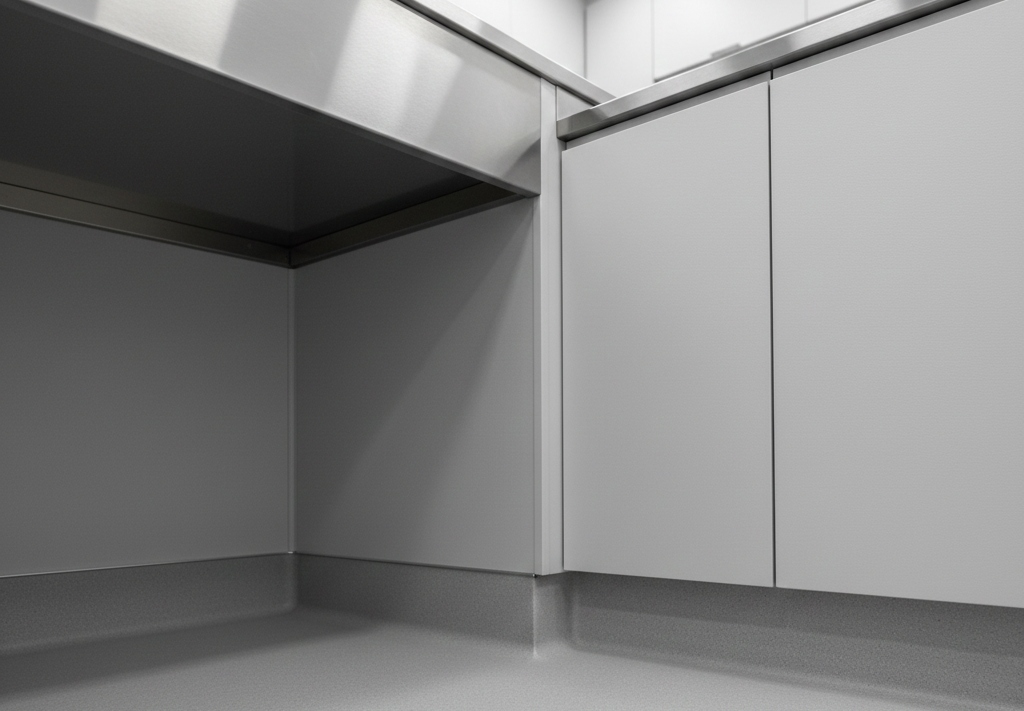
Selecting materials for mobile medical vehicle interiors goes beyond aesthetics. These materials must withstand constant use, resist damage from cleaning agents, and prevent bacterial growth. Since mobile clinics operate in various environments, sometimes harsh or dusty, durability is key. Medical-grade materials also support stringent infection control protocols, ensuring patient safety.
Why Use Medical-Grade Materials
Materials like stainless steel, antimicrobial vinyl, and solid surface composites are staples in mobile medical interiors. Stainless steel offers corrosion resistance and easy sterilization, making it ideal for counters and instrument holders. Antimicrobial vinyl is used for seating and walls to reduce pathogen spread. These materials help meet infection control standards, creating safer environments for both patients and staff.
Durability Meets Easy Maintenance
Mobile medical units require materials that endure frequent cleaning with harsh disinfectants without degrading. Surfaces must resist scratches, dents, and stains that could harbor bacteria. For floors, seamless, slip-resistant materials like epoxy or rubberized coatings are preferred. They allow quick cleanup and prevent dirt accumulation in crevices.
Non-Toxic Materials for Safety
Since patients and staff spend extended time inside these vehicles, materials must be free from harmful chemicals. Low-VOC (volatile organic compound) finishes reduce indoor air pollution, improving air quality. Choosing non-toxic adhesives, paints, and sealants contributes to a healthier atmosphere.
Flexible & Modular Materials
Mobile medical interiors benefit from modular designs that allow easy reconfiguration. Lightweight panels, removable cabinets, and flexible partitions enable customization for different medical missions. Using durable, lightweight composites helps keep the vehicle’s overall weight down while maintaining strength.
Seamless Surfaces for Infection Control
Seamless countertops, integrated sinks, and flush-mounted fixtures reduce joints and gaps where dirt and microbes can accumulate. This design approach simplifies cleaning and lowers infection risks, a critical feature for mobile clinics delivering sterile care.
What types of materials are best for cleaning and disinfecting in mobile clinics?
Smooth, non-porous surfaces like stainless steel, antimicrobial vinyl, and seamless composites are best because they resist bacteria and withstand frequent cleaning with strong disinfectants.
Creating Mobile Medical Interiors That Blend Aesthetics, Functionality, and Safety
Designing mobile medical vehicle interiors isn’t just about making things look good. It’s a careful balancing act between creating an inviting space, ensuring everything works smoothly, and meeting strict safety standards. The goal is a clinic that feels professional and calming, but can also withstand the demands of medical use on the road.
Creating an Inviting Yet Professional Space
Patients often feel anxious in medical settings, especially inside compact mobile units. So, using calming colors, soft lighting, and thoughtful décor can make a big difference. The design aims to put patients at ease while maintaining a clean, professional appearance that reflects quality care.
Research supports this design approach; a scoping review published by the National Institutes of Health (NIH) found that exposure to natural elements such as daylight and window views led to up to 50% fewer patient falls and improved recovery times in clinical environments. This highlights how biophilic and calming interior designs can directly enhance both patient safety and wellbeing.
Prioritizing Functional Layouts
Functionality drives every design choice, from cabinet placement to door swing direction. Efficient storage solutions keep essential tools within easy reach, minimizing staff movement. Designers also consider how patients and staff flow through the space, ensuring no area feels cramped or cluttered.
Meeting Safety and Accessibility Standards
Mobile medical interiors must comply with ADA accessibility, fire safety, and health regulations. This includes installing ramps, securing heavy equipment, and using non-slip flooring. Meeting these standards protects patients and staff and ensures the equitable operation of the vehicle.
Using Materials That Support Safety
Materials are chosen not only for durability but also for their fire resistance and non-toxicity. Flame-retardant upholstery and wall coverings prevent hazards, while non-slip flooring reduces falls. Every surface is selected to enhance overall safety.
Incorporating Technology Without Compromise
Integrating tech like patient monitoring, communication systems, and HVAC controls requires smart placement to avoid overcrowding. Electrical and network setups are designed to keep devices accessible but out of the way, maintaining a clean and safe environment.
How Innovative Interior Features Enhance Modern Mobile Medical Clinics

Mobile medical vehicles today go beyond the basics. They’re equipped with advanced interior features that improve functionality, comfort, and adaptability. These innovations help healthcare teams deliver better care while making the space easier to use and maintain.
Modular Cabinets and Flexible Storage
Modern mobile clinics use modular cabinetry systems that can be easily reconfigured or replaced. This flexibility allows the vehicle to adapt to different medical missions or upgrade equipment without major renovations. Efficient storage keeps supplies organized and accessible, reducing setup time.
Adjustable Lighting Systems
Lighting plays a crucial role in patient care and staff efficiency. LED lighting with adjustable brightness and color temperature supports various clinical tasks, from detailed examinations to calming patient areas. Energy-efficient LEDs also reduce power consumption, a vital factor in mobile units.
Soundproofing and Acoustic Design
Noise control is essential in a confined medical space. Soundproof materials and strategic placement of panels reduce external road noise and internal echoes. A quieter environment helps patients relax, and staff communicate clearly during procedures.
Advanced Temperature Control
Maintaining consistent temperatures is critical for both patient comfort and equipment function. Modern HVAC systems in mobile clinics offer precise climate control, including zoned heating and cooling. This ensures that sensitive medical devices operate within safe temperature ranges, following HVAC design standards for mobile clinics.
Easy-to-Clean Surfaces and Fixtures
Innovations in surface materials include antimicrobial coatings and seamless fixtures that simplify cleaning and disinfection. Touchless faucets, automatic doors, and minimal seams reduce contamination points, enhancing infection control.
What are some modern interior features that improve mobile clinic usability?
Features like modular storage, adjustable LED lighting, soundproofing, and advanced HVAC systems boost functionality and comfort in mobile clinics.
Mobile Medical Vehicles Meet Compliance and Accessibility Standards
Mobile medical vehicles must not only function well but also meet a range of legal and healthcare regulations. Compliance ensures patient safety, accessibility, and smooth operations, while avoiding costly fines or shutdowns. Accessibility is especially critical to serve all patients equally.
Understanding ADA Requirements for Mobile Clinics
Compliance with the Americans with Disabilities Act (ADA) means mobile units must accommodate patients with mobility challenges. This involves installing ramps or lifts, wide doorways, and accessible restroom facilities. Inside, equipment and furniture placement must allow easy navigation for wheelchairs and mobility aids.
A systematic review by the ADA National Network found that, on average, about 70% of healthcare practices meet general ADA accessibility guidelines. Still, many fail in equipment accessibility, like exam tables or scales. This highlights the need for mobile medical vehicle designers to go beyond minimum standards and ensure true accessibility across all care touchpoints.
Health and Safety Certifications
Mobile medical interiors must meet health department guidelines and safety standards, including fire safety codes and sanitation requirements. Regular inspections verify that materials, ventilation, and electrical systems comply with these rules, reducing risks for patients and staff.
Infection Control Protocols and Design
Meeting strict infection control standards means selecting surfaces and fixtures that support frequent cleaning and disinfection. Compliance includes having handwashing stations in accessible locations, using antimicrobial materials, and designing layouts that minimize contamination risks.
Accessibility Beyond Physical Barriers
True accessibility also covers communication needs. Mobile clinics often include visual and auditory aids for patients with sensory impairments, such as braille signage, hearing assistance devices, and clear wayfinding.
Keeping Documentation for Compliance Audits
Accurate records of design specifications, materials used, and maintenance checks are essential. These documents prove compliance during inspections and can speed up certification or licensing processes.
Designing Mobile Medical Vehicles with Sustainable and Lightweight Materials
As mobile medical vehicles travel long distances and operate in diverse environments, using sustainable and lightweight materials has become a key design priority. These choices not only reduce environmental impact but also improve fuel efficiency and vehicle performance, incorporating sustainable practices in medical coach manufacturing.
Benefits of Lightweight Materials
Using materials like aluminum alloys, carbon fiber composites, and lightweight polymers helps reduce the overall weight of the vehicle. A lighter vehicle consumes less fuel, lowers emissions, and experiences less wear and tear, ultimately reducing operational costs.
Eco-Friendly and Recyclable Options
Sustainability also means choosing materials that have a low environmental footprint. Many builders opt for recycled or recyclable materials in paneling, flooring, and upholstery. These options reduce waste and support green initiatives without compromising durability.
Durable Yet Sustainable Flooring Solutions
Flooring must withstand heavy foot traffic and cleaning chemicals while being environmentally responsible. Options like recycled rubber, bamboo composites, or sustainably sourced vinyl offer a balance of toughness and eco-consciousness.
Using Low-Emission Finishes and Adhesives
Finishes, paints, and adhesives with low volatile organic compounds (VOCs) improve indoor air quality by reducing harmful chemical emissions. These products create healthier spaces for patients and staff, especially important in confined mobile clinic interiors.
Designing for Long-Term Sustainability
Sustainable design isn’t just about materials; it’s about durability and maintenance. Choosing materials that last reduces the frequency of repairs or replacements, conserving resources over the vehicle’s lifespan.
Why are lightweight and sustainable materials important for mobile medical vehicles?
They reduce fuel consumption and emissions, improve vehicle performance, and support healthier indoor environments without sacrificing durability.
Bring Your Mobile Medical Vehicle Interior Design Vision to Life Today
Designing and selecting the right materials for mobile medical vehicle interiors is a crucial step toward delivering high-quality care on the move. By balancing durability, hygiene, comfort, safety, and sustainability, these vehicles become more than just clinics; they become trusted healthcare spaces wherever they travel.
If you’re ready to create a mobile clinic interior that stands up to rigorous demands and elevates patient care, expert design and fabrication are the keys. Visit Craftsmen Industries today to explore customized interior solutions tailored to your unique medical mission. Transform your vision into a fully equipped, mobile healthcare environment that makes a difference.
Frequently Asked Questions
What materials are best for mobile medical vehicle interiors?
Medical-grade materials like stainless steel, antimicrobial vinyl, and seamless composites are ideal. They resist wear, prevent bacterial growth, and can handle frequent cleaning with harsh disinfectants. These materials ensure both durability and hygiene in a mobile medical setting.
How do mobile medical vehicles ensure hygiene inside?
Hygiene is maintained through the use of non-porous, easy-to-clean surfaces coated with antimicrobial agents. Seamless fixtures and smooth finishes reduce places where dirt and germs can accumulate. This careful material selection helps keep the environment sterile and safe.
Why is lightweight material important in mobile medical vehicle design?
Lightweight materials help reduce the overall vehicle weight, which improves fuel efficiency and reduces wear and tear. They also allow for more medical equipment to be installed without overloading the vehicle. This balance supports better vehicle performance and longer service life.
How is accessibility addressed in mobile medical vehicle interiors?
Accessibility is ensured by following ADA guidelines, which include installing ramps, wide doorways, and accessible restroom facilities. Interior layouts are designed to allow easy movement for wheelchairs and other mobility aids. This makes mobile clinics usable by all patients.
What safety standards apply to materials used in mobile medical clinics?
Materials used must comply with fire safety codes, be non-toxic, and emit low levels of VOCs to maintain good air quality. They also need to meet health department regulations for medical environments. These standards protect both patients and healthcare staff.
Filter Posts by Tag
related posts
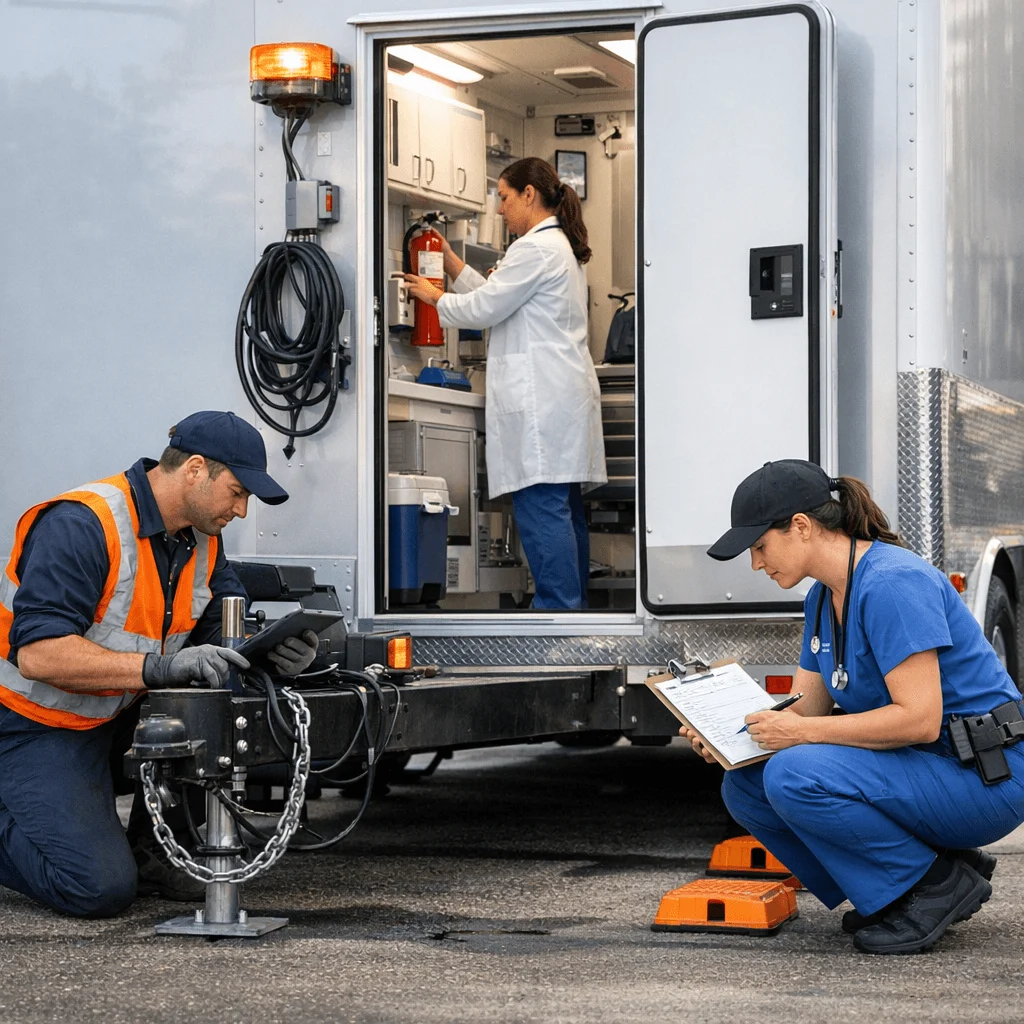
Routine safety tips for medical trailers are systematic inspection and [...]
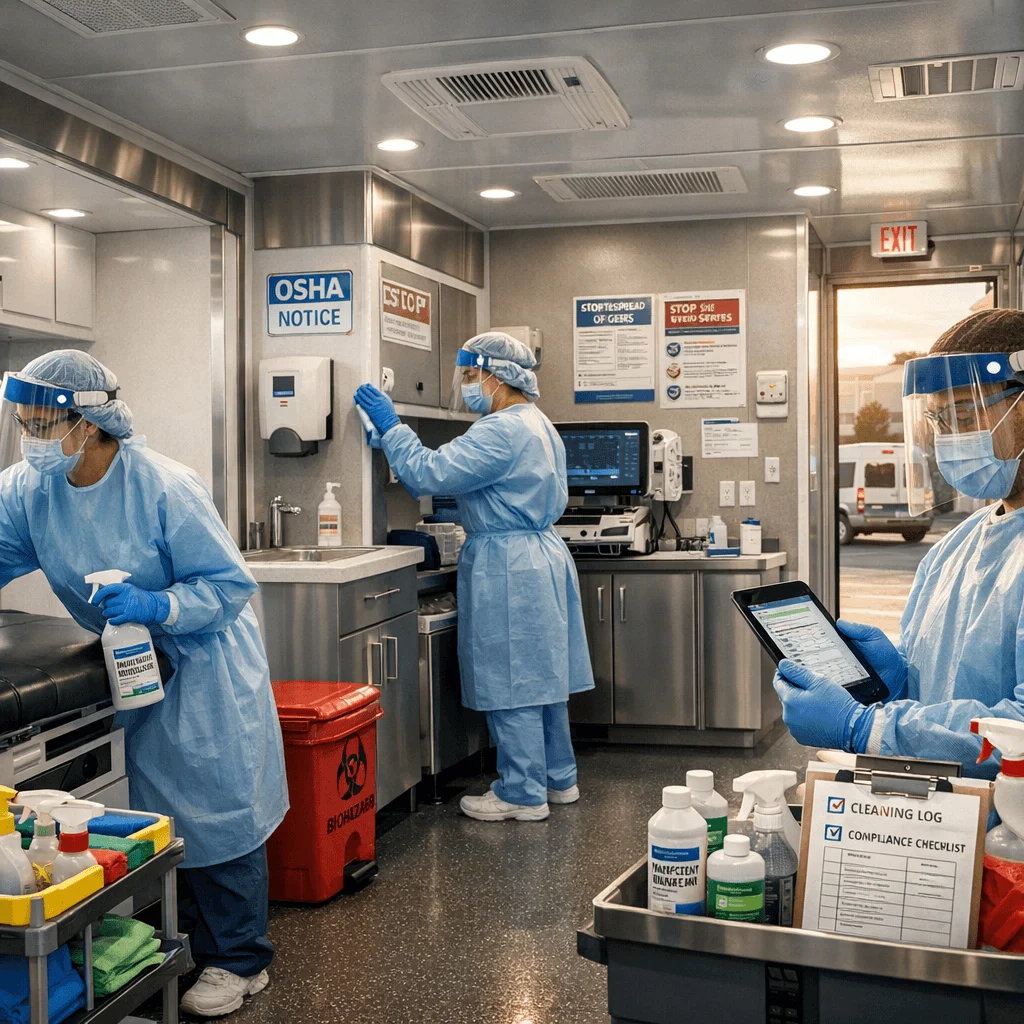
Cleaning a medical trailer is the process of disinfecting, decontaminating, [...]

Learn how to build a mobile lab trailer with expert guidance on design, equipment, safety, compliance, and costs to deliver science where it's needed most.
