
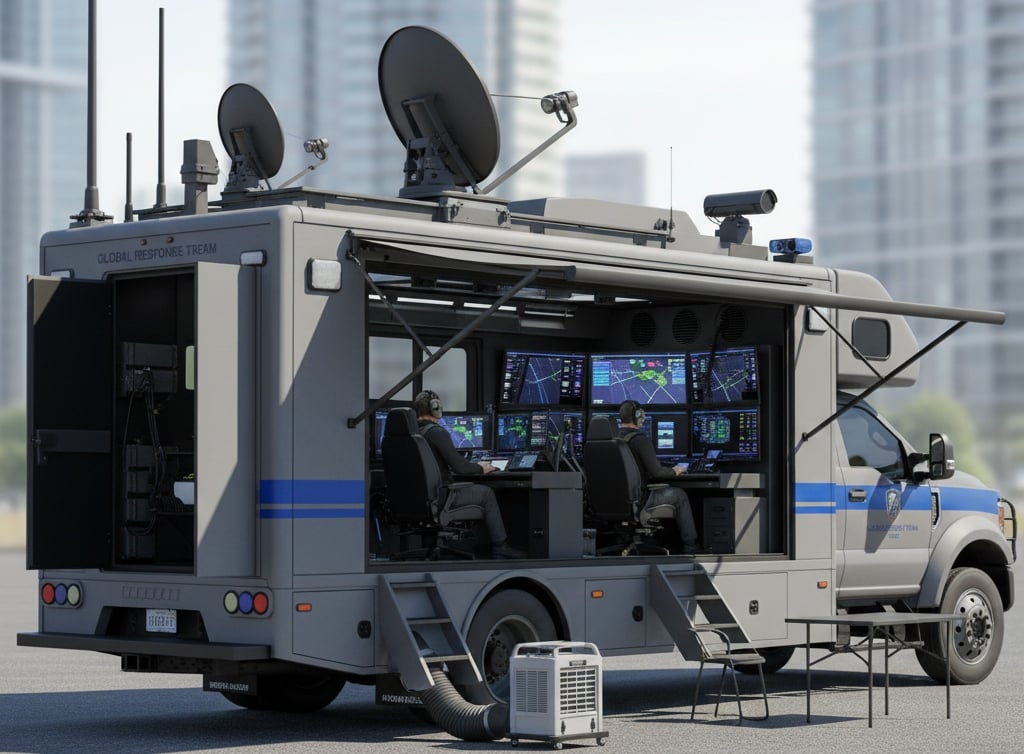
Mobile command centers play a pivotal role in emergency response, law enforcement, disaster management, and corporate operations. These specialized vehicles serve as operational hubs, providing teams with communication, planning, and monitoring capabilities wherever they are needed. While technology and equipment form the backbone of these centers, the comfort and safety of personnel working inside are equally critical. Extreme temperatures, poor air quality, and inefficient ventilation can impact both human performance and the longevity of sensitive equipment.
Climate control systems are essential for maintaining a stable, safe environment in MCCs. They ensure that personnel remain alert, focused, and productive, while also protecting electronics and communications tools from heat or humidity damage. According to the Occupational Safety and Health Administration, maintaining proper working conditions, including temperature and air quality, is a key factor in occupational health and safety.
This blog will walk you through the essential aspects of climate control systems in mobile command centers, highlighting comfort, safety, and operational effectiveness.
The Importance of Climate Control in Mobile Command Centers
A well-regulated climate inside a mobile command center is vital for both personnel and equipment. MCCs often operate in extreme conditions, from scorching summer heat to freezing winter temperatures.
Without an effective climate control system, these conditions can impair human performance, damage sensitive electronics, and even compromise mission outcomes. Proper temperature and airflow management ensure that teams can operate at peak efficiency, regardless of the external environment.
Personnel Comfort
Comfort directly affects focus, morale, and productivity. When personnel are too hot or cold, fatigue and stress levels rise, reducing their ability to make critical decisions. Maintaining optimal temperatures minimizes distractions and keeps teams alert for extended operations. Climate control systems help create a controlled environment where staff can perform complex tasks without physical discomfort.
Equipment Safety
Electronics inside command centers are highly sensitive to temperature fluctuations. Excessive heat can trigger malfunctions, damage circuits, and degrade system reliability. As outlined in Defense Advancement’s Military HVAC Systems Guide, advanced HVAC solutions are specifically designed to safeguard mission-critical electronics against thermal stress and humidity.
Operational Efficiency
Extreme temperatures or poor ventilation can lead to mission delays or downtime. By ensuring consistent climate conditions, MCCs remain fully operational in any environment. Teams can focus on their objectives rather than adjusting to harsh conditions or dealing with equipment failures. Efficient climate systems also reduce maintenance interruptions, keeping the center ready for deployment at all times.
Can extreme temperatures damage MCC equipment?
Yes. Electronics and communication systems are sensitive to heat and humidity, which can lead to malfunctions or permanent damage.
Types of Climate Control Systems for Mobile Command Centers
Choosing the right climate control system is essential for balancing comfort, efficiency, and energy consumption. MCCs can utilize various systems, each designed to meet different operational requirements and vehicle configurations.
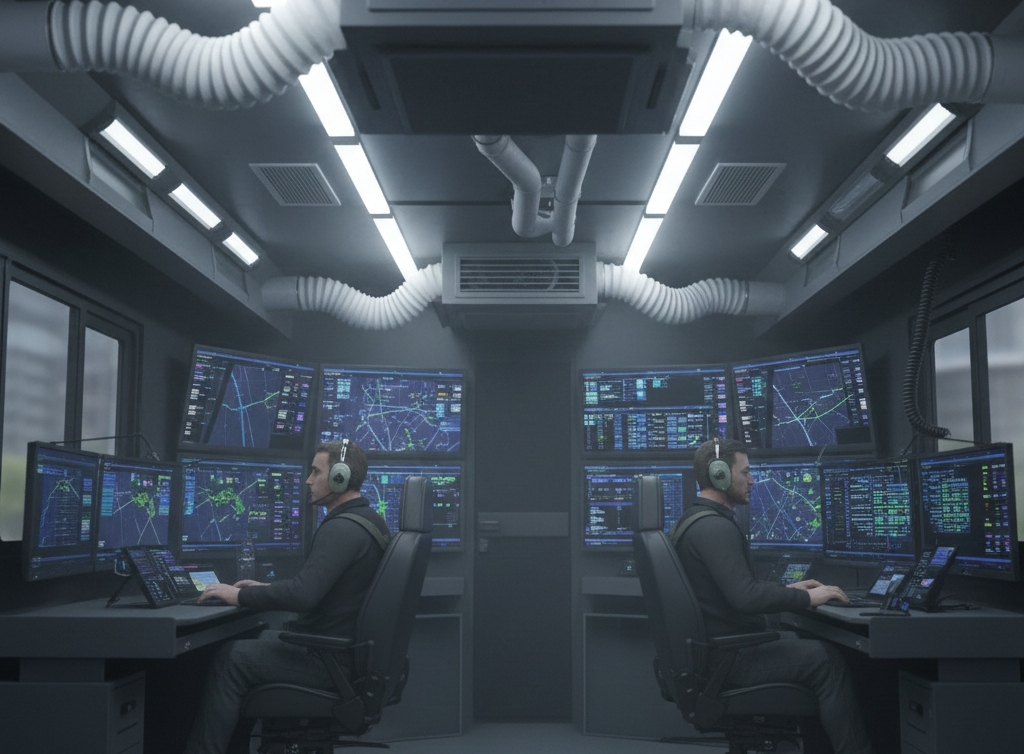
Let’s explore them individually.
- HVAC Systems
Standard HVAC (Heating, Ventilation, and Air Conditioning) systems provide temperature control, filtration, and humidity balance. Modern versions incorporate multi-zone cooling and air purification, keeping air quality consistent throughout the command center. The California Energy Commission’s HVAC standards emphasize the role of advanced energy regulation in maintaining efficiency and minimizing operational costs, principles that apply equally to MCC environments.
- Portable & Auxiliary Systems
Portable climate control units offer flexibility for temporary setups or vehicles without built-in HVAC. These systems can be installed quickly and removed when not needed, providing temporary comfort in varying conditions. Auxiliary units are particularly useful during peak seasonal temperatures or for vehicles deployed in extreme environments.
- Hybrid & Zoned Systems
Hybrid systems combine fixed HVAC with portable or auxiliary units, allowing for targeted climate control in different areas of the MCC. Zoned systems enable personnel to adjust temperatures in specific compartments, ensuring optimal comfort without overloading the system. This is especially valuable when teams occupy separate workstations or equipment generates localized heat.
Do portable units consume more energy than HVAC?
Portable units are generally less energy-efficient for long-term use but provide flexible solutions for short-term or temporary deployments.
Key Factors to Consider When Choosing a Climate Control System
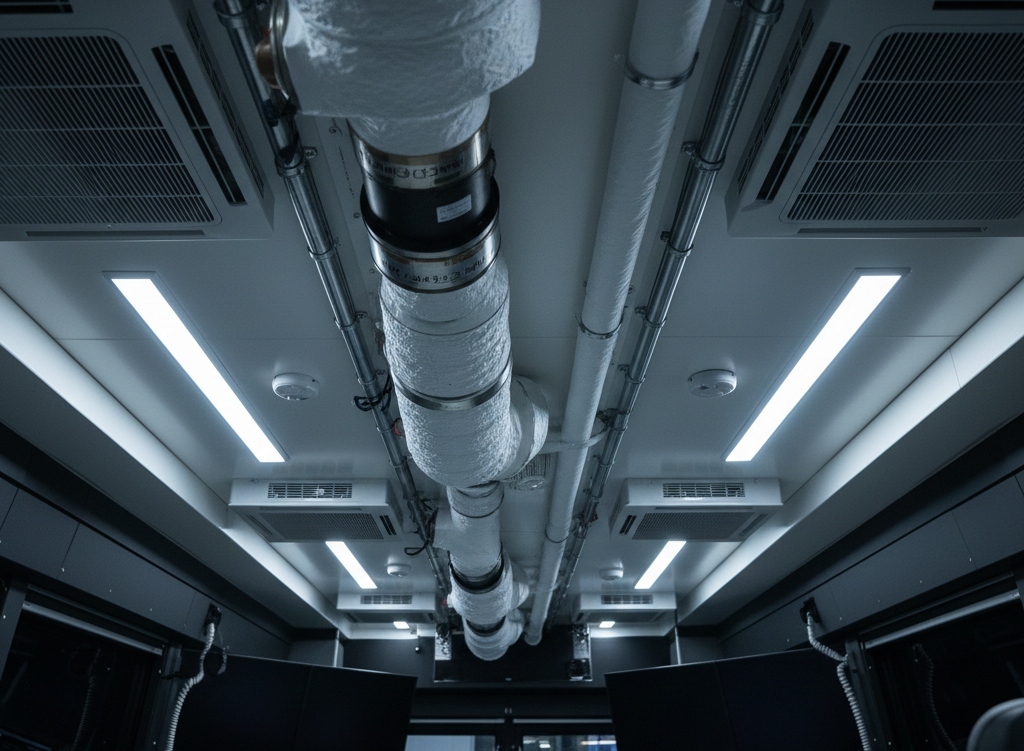
Selecting the right climate control system impacts safety, comfort, and operational efficiency. MCC operators must evaluate multiple factors to ensure the system meets mission requirements while remaining cost-effective. Considerations include vehicle size, energy efficiency, durability, and maintenance requirements.
Vehicle Size & Layout
The interior volume and modular layout of the MCC determine the system’s capacity requirements. Larger centers need higher-capacity systems to maintain consistent temperatures. Zoning options may be necessary for multi-compartment vehicles to ensure uniform comfort throughout the command center.
Energy Efficiency
Efficient systems reduce operational costs and prevent power overloads. Energy-efficient units also minimize the vehicle’s environmental impact, which can be important for agencies or companies with sustainability goals. The U.S. Department of Energy recommends adopting variable-speed fans and smart thermostats, features that MCC systems now integrate to maintain ideal indoor climates efficiently. Selecting a system with smart energy management ensures reliable performance without excessive power consumption.
Durability & Reliability
MCCs are often deployed in extreme or unpredictable conditions. Climate control systems must withstand vibration, shocks, and varying environmental stressors. Vendors adhering to 3M and Avery Dennison performance standards typically meet these durability benchmarks for industrial-grade performance. Choosing reliable, high-quality equipment reduces the risk of failure during critical operations.
Ease of Maintenance
Regular maintenance is crucial for consistent performance. Systems that allow easy access to filters, compressors, and control units minimize downtime. Vendors offering simple maintenance protocols or service agreements can greatly enhance operational efficiency.
What warranty or service options should I look for?
Look for vendors offering multi-year warranties and responsive maintenance services to ensure reliability.
Enhancing Safety Through Climate Control
A climate-controlled environment is not just about comfort; it is a critical safety measure. Extreme temperatures and poor air quality can threaten personnel’s health, especially during long shifts or emergency operations. Maintaining safe conditions ensures that MCC teams can perform their duties without risk to their health.
Let’s discuss them and see how they aid in enhancing the safety of MCCs.
Preventing Heat Stress & Cold Exposure
Excessive heat can cause heat exhaustion or heat stroke, while extreme cold can lead to hypothermia or frostbite. Climate control systems regulate interior temperatures, protecting personnel from these risks. In addition, humidity control helps prevent dehydration and discomfort.
Air Quality Management
Proper ventilation and filtration remove dust, smoke, and harmful chemical particles, ensuring clean air circulation. High-quality filters and air purifiers reduce respiratory risks and maintain a safe operational environment. This is especially important in disaster zones, industrial sites, or areas affected by smoke or airborne pollutants.
Emergency Overrides & Backup Systems
Backup units and emergency overrides guarantee uninterrupted climate control, even if primary systems fail. This redundancy ensures that both personnel and sensitive equipment remain protected during critical operations. Command centers can continue functioning safely in any scenario, minimizing operational disruptions.
Best Practices for Maintaining Climate Control Systems
Maintaining climate control systems is vital for long-term reliability and efficiency. Regular inspections, cleaning, and timely repairs prevent downtime and ensure consistent performance.
- Regular Maintenance Schedules
Routine maintenance includes inspecting filters, ducts, compressors, and electrical connections. Keeping up with schedules prevents unexpected failures and extends system life. Proper record-keeping also helps plan preventive maintenance effectively.
- Monitoring & Diagnostics
Modern systems often include sensors and smart diagnostics to track performance, detect anomalies, and adjust settings automatically. Monitoring helps prevent issues before they escalate, ensuring optimal operation.
- Training Personnel
Properly trained personnel know how to operate climate systems efficiently and respond to malfunctions. Training ensures maximum comfort, safety, and energy efficiency, reducing unnecessary wear and tear on the system.
Integration with Renewable and Energy-Saving Technologies
Modern mobile command centers increasingly leverage renewable energy and energy-efficient solutions to power climate control systems sustainably. Integrating HVAC units with smart energy management reduces fuel consumption, operational costs, and environmental impact.
Let’s have a look.
Solar-Powered Climate Systems
Solar panels can supplement HVAC systems, especially during extended outdoor operations. According to CED Engineering’s Automotive HVAC Systems Paper, hybrid systems powered by renewable energy sources can enhance system reliability while lowering emissions. By storing solar energy in onboard batteries, MCCs can maintain heating and cooling without overloading generators. This approach reduces carbon emissions and ensures uninterrupted comfort even in remote areas.
Energy-Efficient Components
Advanced compressors, variable-speed fans, and smart thermostats optimize energy usage while maintaining precise temperature regulation. Energy-efficient components adapt to occupancy and environmental conditions, reducing power consumption without sacrificing performance.
Battery Backup Integration
High-capacity batteries can store energy from solar or generators, providing emergency power for climate systems. This ensures that critical cooling or heating continues during generator failures or power interruptions. Battery integration also allows MCCs to operate silently in sensitive zones where generator noise is undesirable.
Hybrid Energy Systems
Combining multiple power sources, solar, a generator, and battery storage, offers maximum flexibility. Hybrid systems intelligently switch between sources based on demand and availability, balancing energy efficiency with reliability. This approach ensures climate control is always available, regardless of environmental or operational challenges.
Customization and Smart Controls for Operational Flexibility
Every MCC has unique requirements, and climate systems must adapt to crew size, mission type, and equipment heat load. Customization and smart control technologies maximize comfort, efficiency, and operational effectiveness.
Zoned Temperature Control
Zoning allows individual compartments to maintain specific temperatures. It is especially useful when certain areas contain heat-generating equipment or different personnel comfort needs. Zoned control prevents over-conditioning and saves energy.
Automated Climate Response
Smart sensors detect occupancy, temperature fluctuations, and humidity, automatically adjusting the system for optimal conditions. Automation ensures comfort without manual adjustments, allowing personnel to focus on mission-critical tasks.
Remote Monitoring & Control
Remote access enables operators to monitor and adjust climate systems in real-time, even from off-site locations. Preconditioning the MCC before deployment or adjusting settings during operation enhances operational readiness and efficiency.
Custom Control Interfaces
Tailored control panels or touchscreen interfaces provide intuitive operation for crew members. Custom interfaces can include preset modes for different mission types, alerts for system performance, and integration with other MCC controls for a fully connected environment.
Ensuring Comfort and Safety in Mobile Command Centers
Selecting and maintaining an effective climate control system is essential for comfort, safety, and operational efficiency in mobile command centers. From personnel performance to equipment protection, proper temperature and air quality management are non-negotiable requirements.
By evaluating system types, energy efficiency, durability, and maintenance, organizations can make informed decisions that enhance both mission readiness and safety.
At Craftsmen Industries, we specialize in designing, installing, and maintaining advanced climate control systems for mobile command centers. Our solutions combine innovation, durability, and reliability to ensure your MCC is safe, comfortable, and fully operational in any environment.
Partnering with Craftsmen Industries transforms your mobile command center into a fully equipped hub where teams can work efficiently and safely, no matter the conditions outside.
Contact us today for further information and to get started.
Frequently Asked Questions
What is the mobile command center used for?
The true original function of an MCC is to provide help in an active situation, whether it’s a crime, a natural disaster, or a rescue operation. That’s what MCCs are made for, and that’s still their best primary purpose.
How much does a mobile command unit cost?
Often coming with a price tag of $1,000,000 or more, these vehicles have a significant logistic life-cycle tail that is very often overlooked. Given the size and complexity of a Mobile Command Center, the annual life-cycle cost is typically 10%-20% of the capital investment.
What is the purpose of a command center?
A command center is a central place for carrying out orders and for supervising tasks, also known as a headquarters, or HQ. Common to every command center are three general activities: inputs, processes, and outputs. The inbound aspect is communications (usually intelligence and other field reports).
What equipment is on a command fire apparatus?
The command vehicle, located at Station 1, is equipped with advanced communication equipment, a mobile data computer, and a pull-out command desk. From this command vehicle, a Battalion Chief is able to direct emergency scene operations and command all firefighting, lifesaving, and fire prevention operations.
What is the mobile incident command Centre?
The MICC is a robust and innovative mobile asset that delivers critical technology to where it is needed, anywhere in the state. The MICC supports both critical communications and a connected workspace for Incident Management Teams.
How much does a mobile command unit cost?
Often coming with a price tag of $1,000,000 or more, these vehicles have a significant logistic life-cycle tail that is very often overlooked. Given the size and complexity of a Mobile Command Center, the annual life-cycle cost is typically 10%-20% of the capital investment.
Filter Posts by Tag
related posts
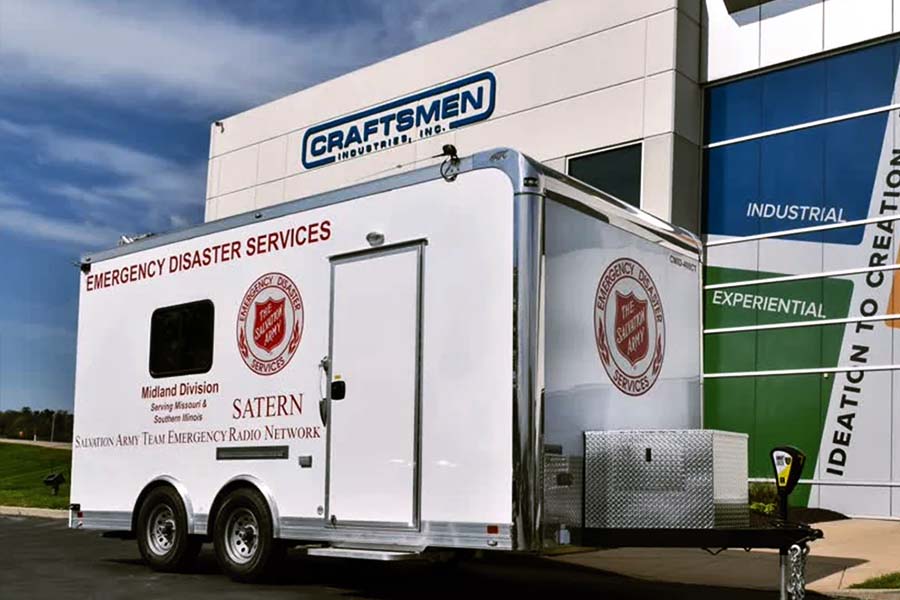
How are mobile command centers used for surveillance? Keep reading to discover mobile command centers' many uses and benefits in ensuring public safety.
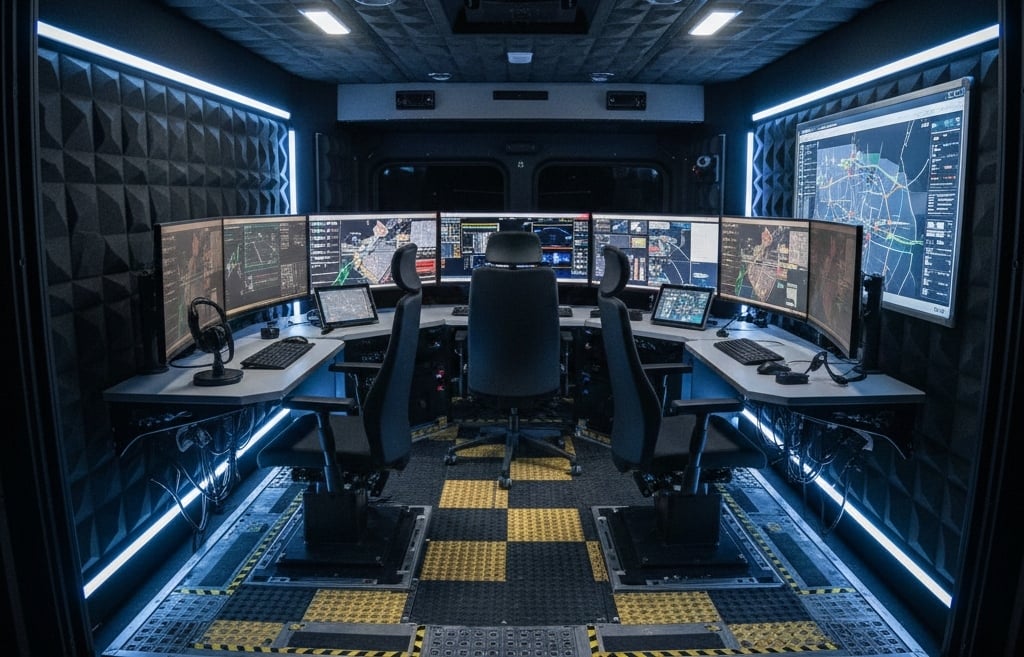
Ensure clear communication in mobile command centers with advanced acoustic engineering. Noise reduction, sound absorption, and vibration control boost focus and efficiency.
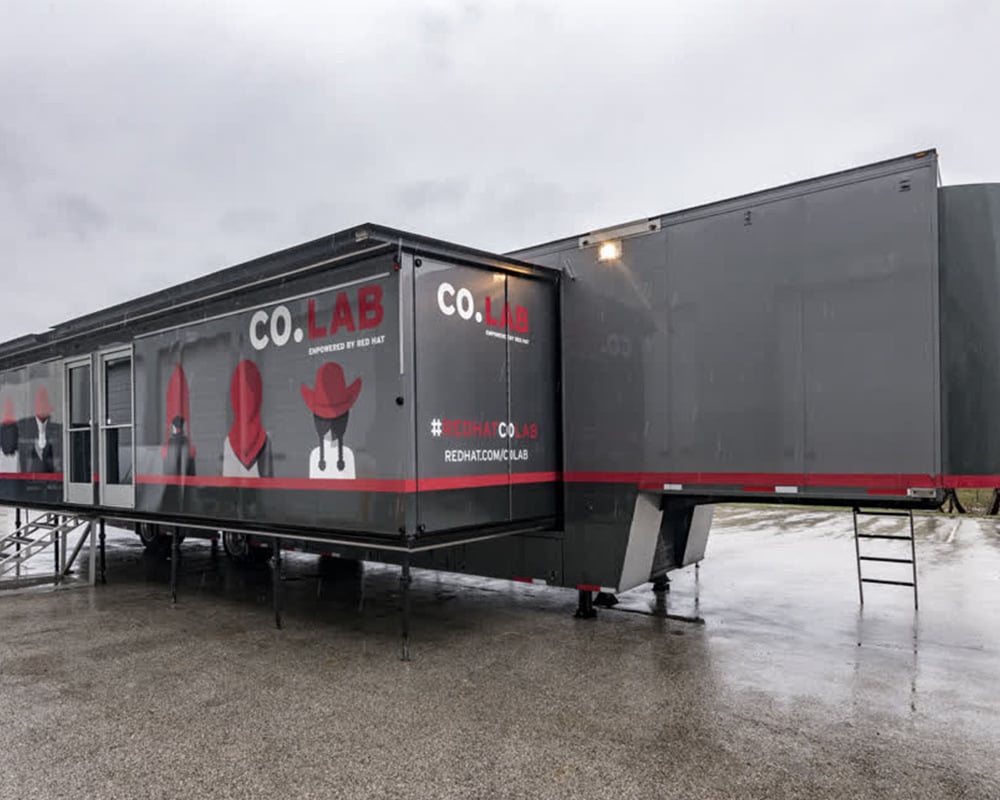
Planning a mobile command unit? Learn which features matter most for efficiency, rapid deployment, and operational control in emergency, law enforcement, or tactical use.
