
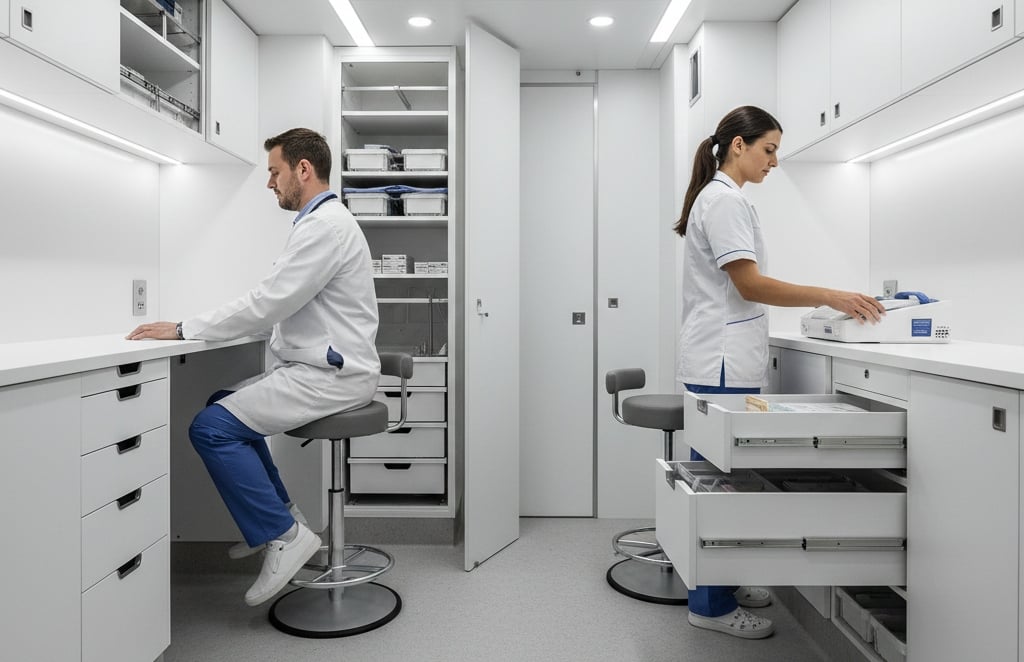
Mobile medical units play a crucial role in bringing healthcare to communities that might otherwise lack access. As these units need to serve various functions, from primary care to diagnostics, their interiors must be both adaptable and efficient. Modular interior design answers this need by offering flexible, customizable spaces that can change on demand.
This approach not only maximizes the use of limited space but also supports different medical missions without the hassle of permanent renovations. According to MDPI’s Buildings Journal, modular healthcare construction improves time efficiency by 106% and cost efficiency by 203% compared to traditional setups.
In this blog, we’ll explore how modular design transforms mobile medical units into versatile, patient-friendly environments built for today’s dynamic healthcare challenges.
How Modular Interiors Transform Mobile Medical Units
Modular interior design means creating mobile medical unit interiors using pre-fabricated, interchangeable parts. Unlike fixed layouts, modular design allows components to be easily added, removed, or rearranged to fit different medical missions. This flexibility is essential for mobile clinics that must quickly adapt to changing healthcare demands, making the best use of limited space while improving workflow and patient experience.
What Are Modular Components?
Modular components include a wide range of elements like cabinetry, workstations, storage solutions, seating, and equipment mounts. Each piece is designed to connect seamlessly with others, allowing for quick changes without needing extensive renovations. This system simplifies upgrades and repairs, letting medical teams customize the unit based on their current needs.
How Modularity Boosts Flexibility
With modular design, mobile medical units can switch between various services, such as general check-ups, dental care, or lab testing, with minimal effort. This means a single vehicle can serve multiple purposes, cutting downtime and increasing overall utility. The ability to reconfigure interiors quickly helps healthcare providers respond to different patient volumes and types of care efficiently.
Common Modular Materials
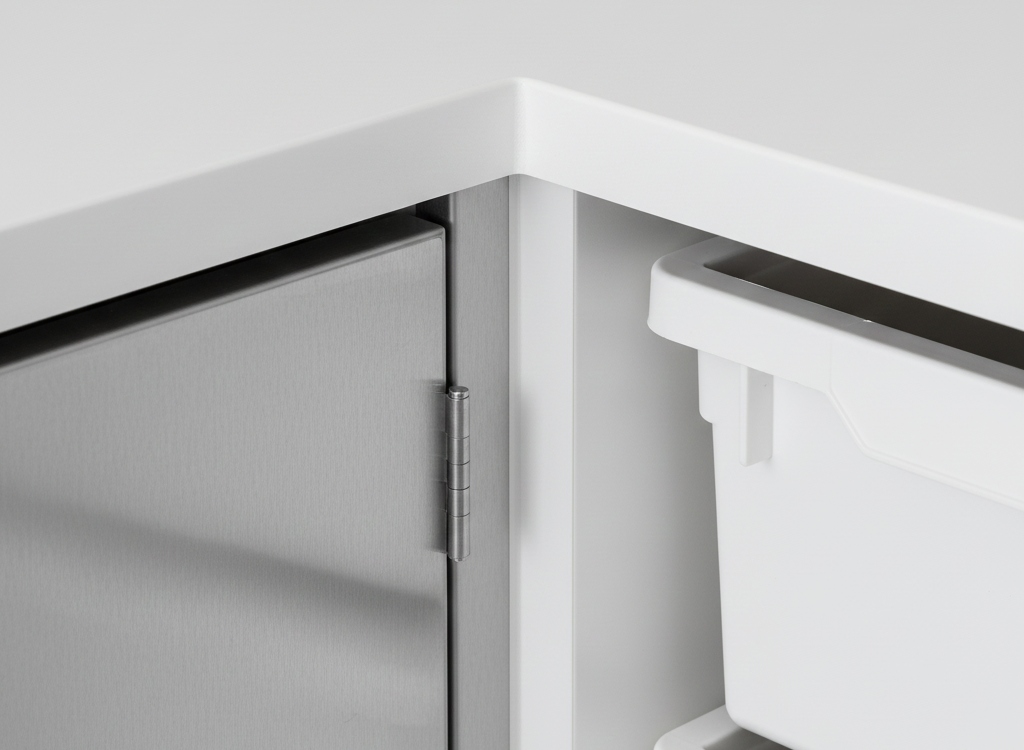
Popular materials for modular interiors include lightweight metals like aluminum, medical-grade plastics, and composite panels. These materials offer durability and resistance to wear while keeping weight low to enhance vehicle fuel efficiency. They also meet hygiene and safety standards critical for healthcare environments, supporting infection control and long-term use.
Rapid Setup and Deployment
Modular interiors are designed for fast assembly and disassembly, often without specialized tools. This makes it easier for staff or technicians to reconfigure the space on-site or between missions. Quick setup is especially valuable during emergency responses or outreach events, where time is of the essence, allowing clinics to become operational swiftly and efficiently.
What does modular interior design mean in mobile medical units?
It means using pre-built, interchangeable parts that can be quickly rearranged or replaced to adapt the interior for different healthcare needs, making the mobile unit versatile and ready for varied missions.
Advantages of Modular Interiors for Mobile Medical Units
Adopting a modular design in mobile medical units brings several advantages that improve both operational efficiency and patient care. By allowing interiors to be customized and reconfigured, healthcare providers gain the flexibility needed to meet diverse clinical needs while keeping costs and downtime low. Let’s explore how modular design transforms mobile clinics.
Increased Flexibility and Adaptability
Modular interiors allow mobile clinics to quickly switch between different healthcare functions, such as primary care, diagnostic testing, or dental services. This adaptability means a single vehicle can serve multiple roles, adjusting its layout to suit specific missions without requiring major renovations or replacements.
Reduced Downtime and Maintenance Costs
Because modular components are easy to swap and repair, maintenance becomes faster and less expensive. Instead of overhauling the entire interior, individual modules can be replaced or upgraded, reducing downtime and ensuring the clinic stays operational for longer periods.
Improved Space Utilization
Modular designs make the most of limited space by providing configurable storage, seating, and workstations. This flexibility allows medical staff to optimize the workflow, making patient care more efficient and comfortable, even in tight quarters.
Enhanced Patient Experience
With the ability to rearrange spaces, mobile clinics can create more private, welcoming environments. Movable partitions and modular furniture enable the design of waiting areas, consultation rooms, or treatment bays tailored to patient needs, reducing stress and improving satisfaction.
Scalability for Future Growth
Modular interiors are designed to grow with evolving healthcare demands. New equipment or services can be added without a full redesign, making these mobile units a smart long-term investment for healthcare providers.
What are the main benefits of modular design in mobile medical units?
Modular design offers flexibility, lowers maintenance costs, optimizes space, improves patient comfort, and allows for easy upgrades, making mobile clinics more efficient and adaptable.
Essential Considerations for Modular Interior Design in Mobile Clinics
Designing a modular interior for a mobile medical trailer requires careful planning to balance functionality, safety, and adaptability. Each decision impacts not only how efficiently the unit operates but also how comfortable and safe it is for patients and staff. Paying attention to these considerations ensures the mobile clinic performs reliably in a variety of settings.
Patient Flow and Workflow Efficiency
A well-designed modular interior supports smooth movement throughout the unit, minimizing congestion for both patients and medical staff. Thoughtful placement of workstations, seating, and equipment reduces unnecessary steps and helps maintain privacy during consultations or treatments. Good workflow design increases productivity and improves the overall patient experience.
Infection Control and Hygiene
Infection control is a top priority in healthcare, and mobile units must meet rigorous standards despite space constraints. Choosing materials that are non-porous, easy to clean, and resistant to harsh disinfectants is crucial. Modular components with sealed edges and antimicrobial finishes help prevent contamination, reducing the risk of healthcare-associated infections.
According to the Agency for Healthcare Research and Quality, healthcare-associated infections affect about 1 in 31 hospital patients in the U.S. each day. Using antimicrobial materials and following strict hygiene practices can cut contamination by up to 60%, showing how important smart material choices are for mobile medical interiors.
Durability and Weight Considerations
Mobile medical units are exposed to constant vibrations, bumps, and movement. Therefore, the materials and modular parts must be tough enough to withstand this daily wear without breaking or loosening. At the same time, keeping components lightweight is essential to avoid adding unnecessary strain on the vehicle, which can affect fuel economy and handling.
Compliance with Safety and Accessibility Standards
Meeting regulatory requirements is non-negotiable. Modular interiors need to adhere to ADA guidelines by providing accessible pathways, ramps, and facilities for patients with disabilities. Fire safety standards like NFPA require the use of flame-retardant materials and secure mounting of equipment. These measures ensure the unit is safe, legal, and inclusive, as covered in resources on building durable and compliant medical vehicles.
Ease of Installation and Maintenance
Modular design shines when it comes to installation and upkeep. Components should be designed for quick assembly and disassembly using minimal tools. This allows technicians or staff to perform repairs, upgrades, or reconfigurations quickly, minimizing downtime and keeping the clinic operational.
What should be considered when designing modular interiors for mobile medical units?
Important factors include efficient patient flow, strict infection control, durable yet lightweight materials, compliance with safety and accessibility regulations, and ease of installation and maintenance to ensure reliability and flexibility.
Innovative Modular Features Enhancing Mobile Medical Units
Modular interior design in mobile medical units isn’t just about flexibility; it also opens the door to creative features that improve functionality and patient care. These innovations address the unique challenges of healthcare on the move, making mobile clinics more efficient and patient-friendly.
Movable Partitions and Privacy Panels
Movable partitions allow spaces within the unit to be reconfigured quickly, creating private consultation rooms or larger treatment areas as needed. These panels are lightweight but sturdy, often designed with sound-absorbing materials to enhance patient confidentiality and comfort.
Modular Seating and Workstations
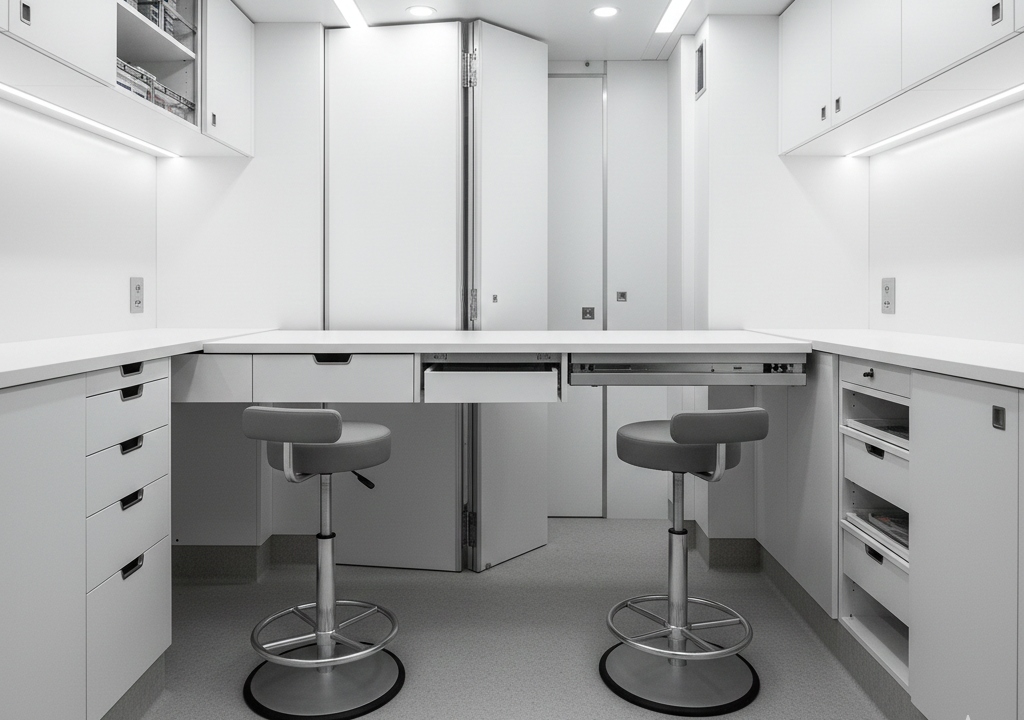
Seating and workstations built with modular principles can be adjusted or replaced easily to suit different healthcare functions. Whether it’s adding more seats for a vaccination clinic or creating ergonomic work areas for technicians, this adaptability improves workflow and comfort for both staff and patients.
Integrated Storage Solutions
Modular storage units are designed to maximize space while keeping medical supplies organized and accessible. Features like adjustable shelving, lockable cabinets, and pull-out drawers help maintain a clutter-free environment essential for efficient care delivery.
Technology-Ready Modules
Modern mobile medical units require seamless integration of technology. Modular interiors often include pre-wired panels and easily accessible cable management systems, enabling quick installation or relocation of medical devices, computers, and communication equipment.
Easy-to-Clean Surfaces and Materials
Healthcare settings demand cleanliness, and modular designs incorporate surfaces that are resistant to stains, chemicals, and bacteria. These materials simplify cleaning routines, helping maintain hygiene standards and prolonging the lifespan of interior components.
How Modular Interiors Improve Patient and Staff Experience
A well-designed modular interior doesn’t just boost efficiency; it also creates a more comfortable and supportive environment for patients and healthcare workers. Thoughtful design elements can reduce stress, improve safety, and make healthcare delivery smoother.
Creating Comfortable and Private Spaces
Modular interiors allow the creation of separate areas for waiting, consultation, and treatment. Using partitions and soundproof materials helps maintain patient privacy, which is critical for sensitive medical exams and conversations.
Enhancing Ergonomics for Staff
Flexible workstations and adjustable seating support medical staff during long shifts, reducing fatigue and the risk of repetitive strain injuries. Ergonomics in design helps keep staff focused and effective, directly benefiting patient care.
Optimizing Lighting and Ventilation
Proper lighting and air circulation are essential for both comfort and clinical accuracy. Modular designs often incorporate adjustable LED lighting and efficient HVAC systems to create a welcoming and safe environment, even in compact spaces, supported by HVAC design standards for mobile clinics.
Reducing Noise and Stress Levels
Noise control features like insulated walls and soft-close doors minimize distractions, creating a calmer atmosphere for patients and staff. Reducing noise is especially important in mobile clinics where external sounds can be intrusive.
Supporting Accessibility for All Patients
Modular design ensures clear pathways, ramps, and appropriate seating for patients with mobility challenges. Making the mobile unit accessible to everyone improves community reach and complies with legal standards.
How do modular interiors improve the experience for patients and staff?
They create private, comfortable spaces, enhance ergonomics, optimize lighting and ventilation, reduce noise, and support accessibility, making healthcare delivery smoother and more compassionate.
Take Your Mobile Medical Unit Interior Design to the Next Level Today
Modular interior design transforms mobile medical units into versatile, efficient, and patient-friendly healthcare environments. By embracing flexible layouts, durable materials, and innovative features, healthcare providers can deliver quality care anywhere, without compromise. Whether you’re outfitting a new mobile clinic or upgrading an existing one, focusing on smart modular design ensures adaptability and long-term value.
Ready to create a mobile medical unit interior tailored to your unique needs? Visit Craftsmen Industries today and take the first step toward building a flexible, future-ready healthcare vehicle that truly serves your patients and staff wherever they go.
Frequently Asked Questions
How quickly can a modular mobile clinic be deployed?
Modular medical clinics are built off-site in factory-controlled settings, which significantly shortens construction times. These units can often be assembled and made operational in days or weeks, enabling rapid deployment.
Can modular mobile clinics scale up or down as needed?
Yes. Modular interiors are highly scalable; you can add or remove modules to adjust capacity or reshape layout depending on mission or patient volume.
Are modular mobile clinics cost-effective compared to traditional buildings?
Modular construction generally costs less than traditional construction due to reduced labor, lower materials waste, and faster build times. This makes modular clinics an efficient choice for mobile healthcare.
What materials are commonly used in modular hospital interior construction?
Common materials include sandwich panels with insulation, galvanized steel for the structural frame, and high-grade flooring that meets hygiene needs. These materials ensure both strength and comfort.
How do modular mobile clinics address accessibility and compliance?
These units can be designed to meet healthcare regulations such as disability access, fire safety, and infection control, with features like ramps, wide corridors, and compliant interior finishes.
Filter Posts by Tag
related posts

How do medical trailers improve rural healthcare access? Explore mobile clinics, ROI data, costs, and emergency response solutions. Learn more.
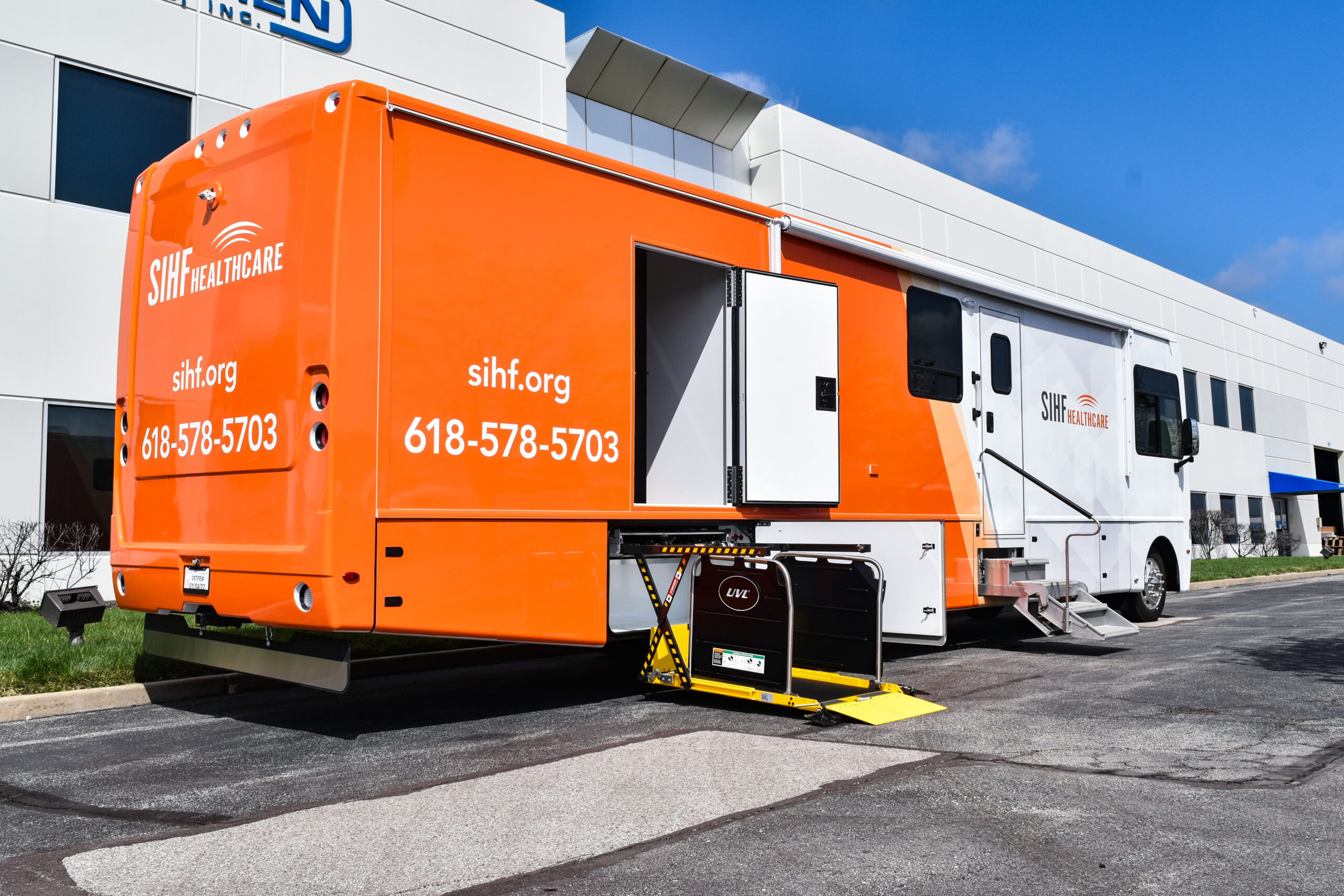
Mobile healthcare units play a key role in disaster response, bringing triage, treatment, and critical support to communities when traditional infrastructure is disrupted.

Explore a variety of different tricks and tips for utilizing your building more effectively and enlarging usable space without huge renovation expenses.
