
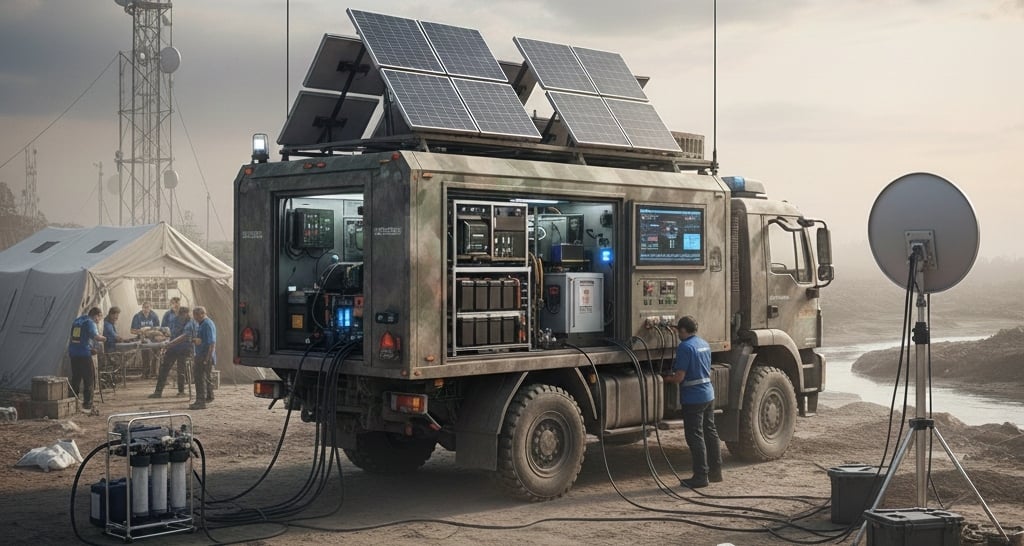
In the critical first hours of a remote disaster response, reliable power becomes a lifeline rather than a convenience. Teams enter areas where the grid may collapse without warning, and every essential tool depends on mobile electricity.
Medical ventilators, diagnostic devices, communication hubs, and command systems cannot function without a steady power supply. Field crews rely on vehicles that bring the electricity needed to support treatment, coordination, and safe movement in challenging environments.
Specialized disaster response vehicles and trailers are designed to function as self-contained power plants, delivering reliable energy exactly where it is needed most. According to a 2023 study by the University of New South Wales, renewable backup systems can significantly improve disaster resilience, helping teams maintain medical care, communications, and logistics even when primary power sources fail.
This blog guides you about the leading power solutions and design strategies that support disaster relief vehicles in remote areas.
Power Needs and Challenges in Remote Disaster Zones
Relief teams often work in places where power access becomes uncertain within minutes of arrival. The terrain, weather, and limited resources make every watt important. Reliable power allows medical staff to support patients and helps communication teams send accurate information.
A recent review of power-grid resilience and emergency restoration strategies found that disaster-driven outages often require mobile and flexible power solutions when infrastructure repair cannot keep pace.
Here are the common challenges that crews face and why they pose a risk to the vehicles that support them.
Limited Grid Access and Unpredictable Environments
Many disaster sites lose grid power for extended periods, leaving response teams dependent on the equipment they bring. Roads may be blocked, and weather conditions can shift without warning. These factors influence how quickly a vehicle can deliver power and how stable that power remains. Relief teams need setups that work even when fuel access is slow or when sunlight or battery capacity varies throughout the day.
High Power Demand for Medical and Communication Tools
Medical equipment, refrigeration units, radio, and field computers require stable power. A brief interruption can delay treatment or disrupt coordination with other teams. Field staff need vehicles that support essential devices without strain.
This includes the power to run lights, monitors, and basic diagnostic tools while keeping communication equipment online. Even simple tasks like charging handheld devices matter because they keep teams connected and informed.
Long Runtime and Fast Deployment Requirements
Relief teams often reach locations where long travel hours and extended field operations are standard. Vehicles that support power must start quickly so teams can set up treatment areas or communication points without delay. The ability to run essential equipment for many hours improves the stability of the response. A dependable setup also reduces the need for frequent adjustments, allowing the team to focus on people rather than equipment.
Common Power Solutions for Disaster Relief Vehicles
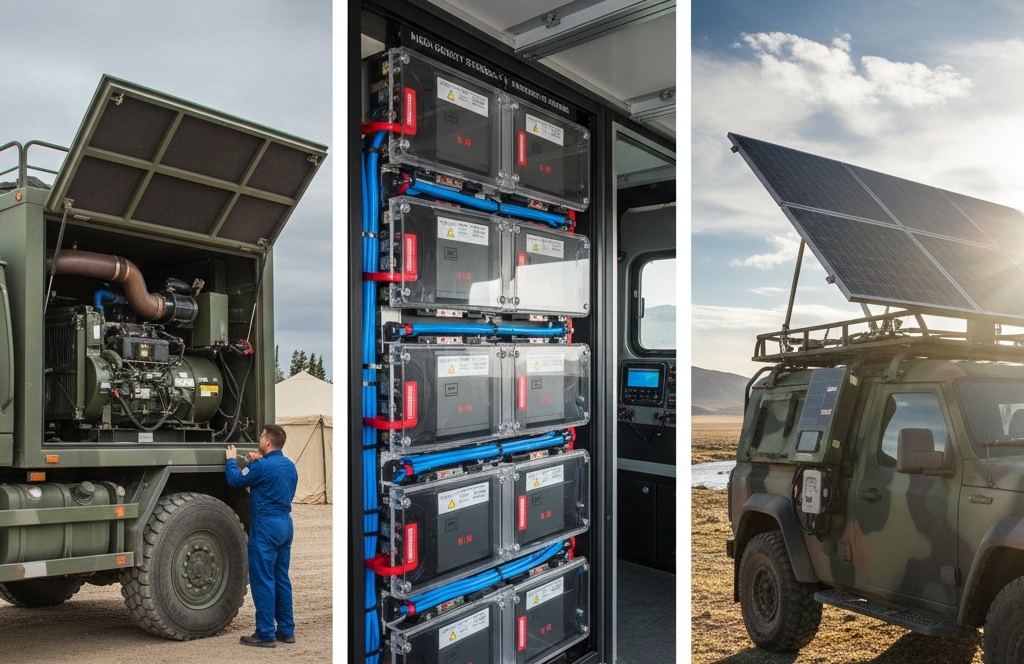
Disaster sites often face damaged infrastructure, blocked access, and uncertain conditions, making a consistent electricity supply difficult to secure. Field teams still need steady power for treatment, communication, and basic operations. Relief vehicles address this challenge through systems that deliver energy directly at the site.
Here are the main power options that help crews maintain stable and practical use in remote environments.
Onboard Generators
Many field crews enter locations where essential equipment must power up without delay. Onboard generators help vehicles deliver electricity as soon as the team reaches the site.
These generators support medical tools, communication devices, and lighting. The output depends on the model, so planners select a unit that matches the expected workload.
Safe and comfortable use is important for long hours in the field. Noise, airflow, and fuel access guide how long the generator can stay active without interruption.
Battery Storage Systems
Some situations require quiet and steady power. Battery storage systems help during these moments by supporting basic medical tools, lights, and communication devices.
Deep-cycle batteries store energy that works well during low-demand hours or when teams want to reduce generator use.
These batteries can take charge from generators, solar panels, or shore power when available. This gives teams flexibility in different weather and field conditions.
Solar Power Integration
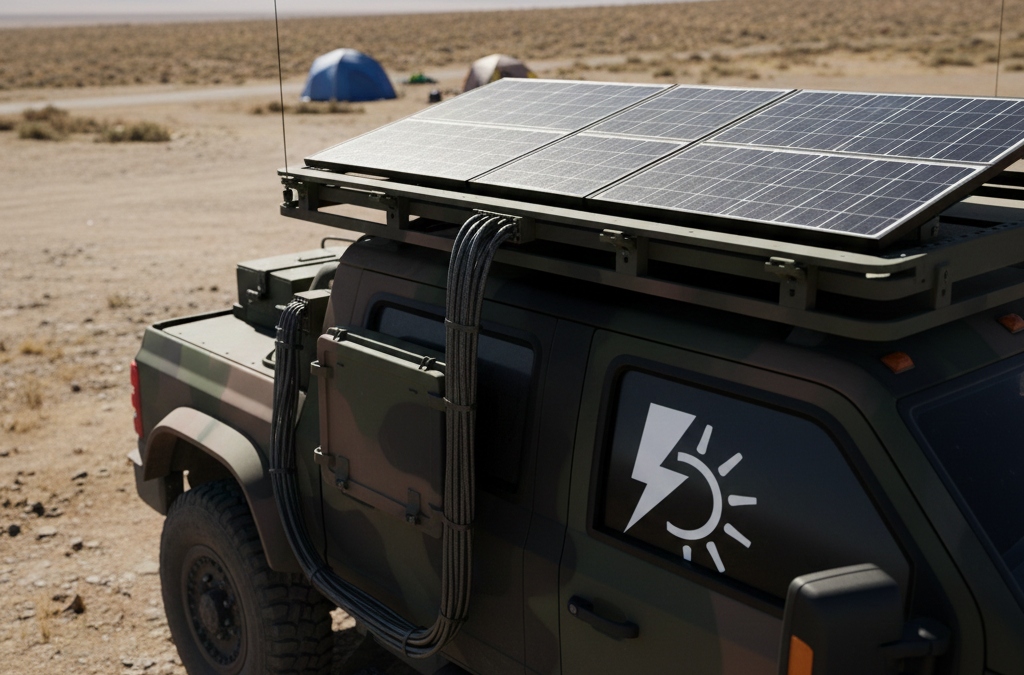
Sunlight can support field work when the environment allows it. Roof-mounted solar panels collect energy to help meet charging needs.
Solar power reduces the demand on fuel-based systems, especially during long daytime operations.
The output depends on the weather, time, and location. For this reason, teams use solar power as a supporting energy source rather than a primary source.
Hybrid Power Setups
Some field conditions change quickly. A hybrid setup helps teams respond to these changes by combining generator power, battery storage, and solar input.
Batteries handle lighter loads while the generator supports heavier equipment. Sunlight adds extra energy whenever conditions allow it.
This balanced approach helps maintain steady performance and reduces pressure on any single power source, ideal for integrated mobile power generation.
How do teams estimate the total power load before deployment?
Teams list every device, check its wattage, and add a safety margin to ensure the system can support peak demand.
Design Features That Support Safe & Reliable Power
Relief vehicles need power systems that stay stable under challenging conditions. A well-designed system helps protect equipment, support long operating hours, and reduce unexpected field interruptions. Safe layouts, reliable wiring, and balanced load control give teams the confidence to work smoothly.
Here are the key features that help maintain steady power in remote environments.
Storage Layouts for Generators and Batteries
A well-planned storage area keeps power equipment secure and easy to access. Teams work faster when generators and batteries are organized in compartments rather than crowded together.
Clear pathways also reduce the chance of accidental damage. A stable layout protects cables, keeps weight balanced, and helps crews reach the equipment without delays.
Ventilation and Heat Management
Generators and batteries produce heat, so proper airflow is essential. Good ventilation lowers the risk of overheating and helps power systems run more smoothly.
Vehicles that allow warm air to move out and cooler air to enter can support longer operating hours. This also gives crews more confidence while managing power in demanding conditions.
Weather-Resistant Wiring and Components
Disaster sites often involve rain, dust, or strong sunlight. Weather-resistant wiring protects the system against these elements and keeps power connections steady.
Covered panels, sealed connectors, and durable materials help reduce wear. This protection allows the vehicle to support equipment even under harsh conditions.
Load Management, Breakers, and Grounding Systems
A clear power distribution setup helps teams handle different types of equipment without confusion. Breakers guide how electricity moves across the system and help protect devices from overload.
Grounding systems also play a key role, as they help ensure safer power use. A well-balanced layout makes it easier for crews to understand the load and adjust equipment when the demand changes.
What safety features should a power system have in a disaster relief vehicle?
Common safety needs include proper grounding, breakers, ventilation, and secure wiring to protect both the team and equipment.
Equipment Commonly Powered in the Field
Relief teams depend on equipment that needs steady electricity for medical care, communication, and essential field operations. Stable power supports accurate treatment, clear coordination, and safe movement in difficult locations. Every device plays a vital role during long missions because reliable energy helps crews work with confidence and maintain focus while conditions shift around them in the field every day.
Here are the main types of equipment that depend on steady power during field operations.
Medical and Refrigeration Equipment
Medical support becomes difficult without a stable power supply. Power keeps basic diagnostic tools, treatment devices, and patient-monitoring equipment operational. Refrigeration also plays an important role in protecting temperature-sensitive supplies. A steady power source helps medical teams work with confidence even in challenging conditions.
Communication and Command Tools
Field teams stay organized through clear communication. Radios, tablets, laptops, and command systems rely on a consistent power supply to share updates and coordinate movement. Power stability enables teams to send information and maintain situational awareness quickly.
Lighting, HVAC, and Small Appliances
Proper lighting helps teams work safely during night operations or inside enclosed spaces. HVAC systems support comfort and protect sensitive equipment from harsh temperatures. Small appliances, such as chargers, basic tools, and utility devices, enhance daily field tasks. All of these depend on a reliable power supply to remain effective.
Water Purification and Utility Systems
Clean water supports both health and daily operations. Purification units require electricity to run pumps and filtration systems. Utility tools such as pressure washers or compact pumps may also need power. These systems help teams maintain hygiene and complete essential tasks in remote environments.
How Custom-Built Vehicles Enhance Power Reliability
Custom-built disaster relief vehicles feature power setups that match real field needs rather than general-use requirements. A tailored design supports smoother operations because every part of the system fits the team’s workload, location, and expected conditions. These vehicles also help reduce unnecessary interruptions during long missions by supporting steady power flow in demanding environments where standard setups may not perform as well.
A 2025 open-access study found that electric vehicles can serve as mobile power sources in off-grid scenarios. It proposed an ‘EV-PV-storage’ mobile network architecture for post-disaster use.
Here are the design features that enhance power reliability in custom-built vehicles.
Tailored Generator and Battery Configurations
Custom vehicles allow teams to select generator sizes and battery capacities that fit their actual power demand. This helps avoid underpowered setups or systems that waste fuel. A balanced configuration supports medical tools, lighting, and communication devices without putting stress on the equipment. This flexibility gives teams more control over their power use during long operations.
Solar Mounting Options
Some vehicles include areas designed for solar panel placement. These mounting points help panels sit securely and receive better sunlight exposure. Solar input adds a useful layer of support for lighter loads and basic charging needs. The setup also helps reduce pressure on fuel-based systems, which can be helpful during long daytime missions.
Integrated Power Monitoring Panels
A clear monitoring panel helps teams track how much power they use and how each source performs. Simple indicators show battery levels, generator output, and incoming solar energy. This visibility helps crews manage electricity more effectively and respond quickly when demand rises. A well-arranged panel makes power control easier in busy field environments.
Rugged Build Quality for Harsh Conditions
Custom-built relief vehicles often include construction choices that protect wiring, panels, and power equipment from rough terrain and severe weather. Durable materials help reduce the impact of dust, moisture, and vibration. This strength supports steady performance during long travel hours and unpredictable conditions. A rugged build helps teams rely on the vehicle even in challenging locations.
Maintenance Tips for Consistent Power in Remote Areas
Relief teams work in locations where power interruptions can slow treatment and communication. A careful maintenance routine helps reduce these risks by keeping equipment stable and ready for long hours. Simple checks protect generators, batteries, and wiring from avoidable issues. Regular attention also supports smoother operations, as teams can spot minor problems before they escalate during missions in remote or unpredictable environments.
Here are practical maintenance steps that help keep power systems steady in the field.
Routine Checks for Generators and Batteries
Regular inspections help teams confirm that generators start smoothly and batteries hold steady charge levels. Checking fuel, oil, and battery status reduces unexpected slowdowns during critical work. A quick look at noise, vibration, or unusual smells also helps identify early signs of strain. These small steps keep essential equipment dependable throughout long missions.
Fuel Handling and Clean Storage
Fuel quality affects generator performance, especially in remote areas. Clean containers and proper storage help prevent dirt or moisture from mixing with fuel. Teams also stay careful while refilling to avoid spills or contamination. Safe storage practices protect both the equipment and the people working near it, supporting smoother, more reliable generator use in the field.
Monitoring Cables, Connections, and Panels
Loose cables or worn connectors can interrupt power flow. A simple visual check helps teams spot cracks, moisture, or dirt that may affect performance. Clean, secure wiring keeps the system stable during movement or on rough terrain. Control panels also deserve attention because clear readings help crews understand real-time power use and respond to changing demand.
Simple Troubleshooting in the Field
Basic troubleshooting helps teams stay prepared for minor issues. Checking switches, outlets, and breakers often solves small interruptions without delay. Resetting a panel or reconnecting a loose cable can restore power when conditions allow. These steps give crews confidence because they can solve simple problems quickly and keep essential equipment active throughout the mission.
Build a Vehicle That Supports Your Mission
Reliable power is essential in remote disaster zones because teams depend on a steady power supply to support care, communication, and daily fieldwork. A robust power setup helps reduce interruptions and allows responders to stay focused on those who need help. Well-designed vehicles also give field teams the support they need to work in difficult locations, especially when conditions change without warning.
Craftsmen Industries builds custom disaster relief vehicles with practical features that support stable power use in demanding environments. Our approach to design focuses on real field needs and helps teams stay organized and prepared during long missions.
Contact Craftsmen Industries for vehicles that support reliable field performance and meet the practical needs of demanding environments.
Frequently Asked Questions
How long can a disaster relief vehicle run on battery power alone?
Runtime depends on battery capacity and the equipment in use. Light loads last longer, while medical or communication tools reduce runtime. Teams plan battery storage based on their actual power needs.
Do solar panels provide enough power for night operations?
Solar panels support daytime charging only. Night operations usually rely on stored battery power or a generator. A balanced setup helps teams manage energy as field conditions change.
What type of maintenance schedule works best for field power systems?
Daily checks for fuel, battery levels, cables, and airflow help keep systems steady. More detailed inspections usually happen when the vehicle returns to base.
Do custom-built vehicles allow future upgrades to their power systems?
Some custom designs allow upgrades, depending on available space and the original system’s arrangement. Teams often review future needs during the planning stage.
Filter Posts by Tag
related posts
Explore the top design considerations for disaster response vehicles, including power systems, communication tools, durability, and efficient interior layouts.
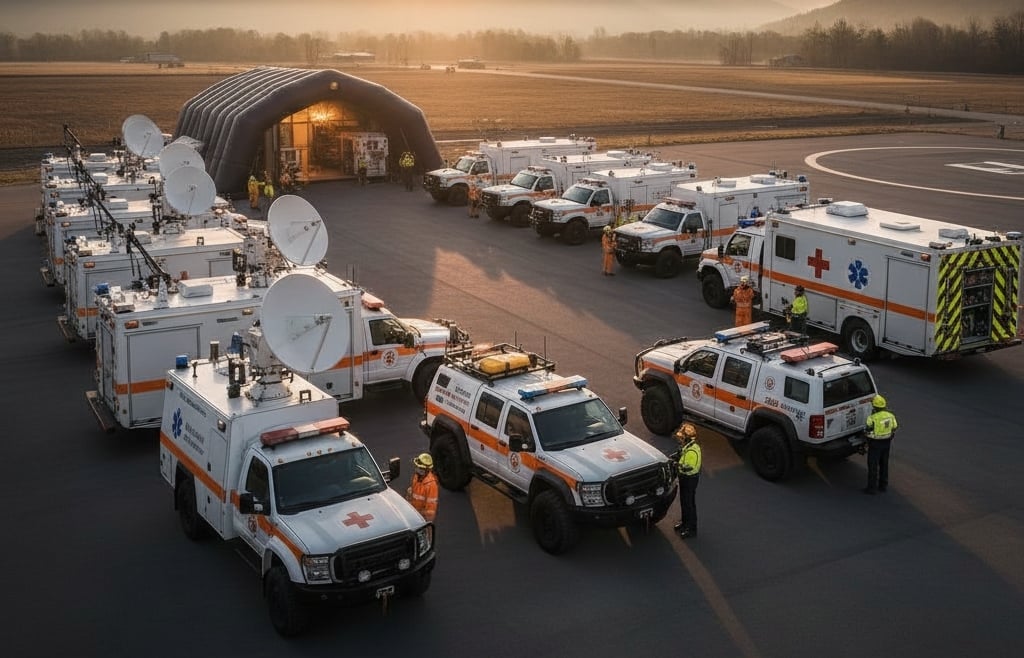
Ensure rapid disaster relief with ready-to-deploy vehicles,modular designs and skilled teams for faster,safer, and efficient emergency response operations.
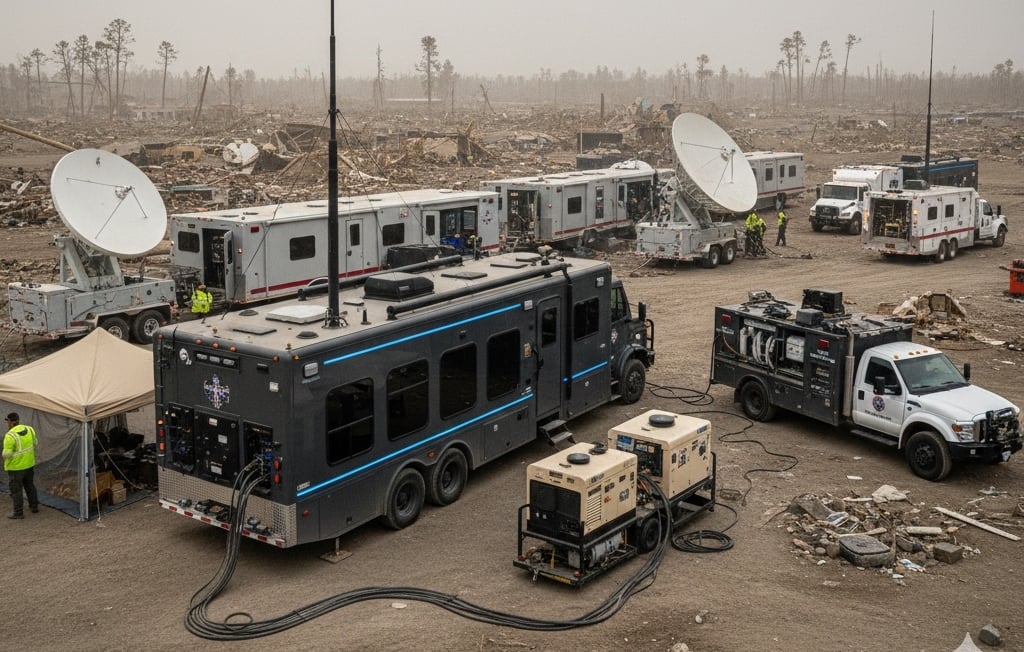
Discover key design features of disaster relief vehicles and trailers. Strength, mobility, self-sufficient power, and modular interiors ensure rapid, reliable response.
