
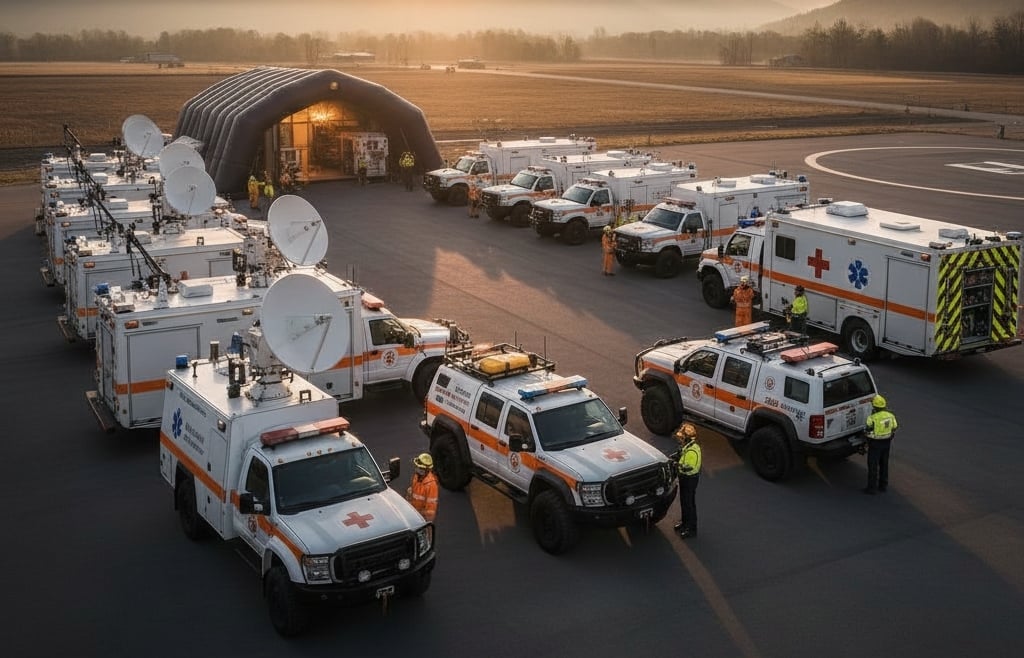
In emergencies, every minute counts. When vehicles are ready and able to move immediately, disaster relief teams can reach affected communities more quickly and begin vital support sooner. For organizations like Craftsmen Industries, this means designing and deploying mobile relief vehicles that are built to respond quickly and reliably.
Studies show that rapid deployment can make a measurable difference in outcomes. For instance, research on aid‑distribution models found that improving transportation speed by just 5% reduced average response delay by 29.4%. This kind of data highlights how crucial it is to optimize vehicle readiness and deployment strategy.
This guide shares practical tips on preparing vehicles, planning operations, using technology, and building skilled teams, all designed to make disaster response faster and more effective.
Why Rapid Deployment Matters During Disasters
In disaster‑affected zones, the speed of vehicle deployment directly influences how soon help reaches those in urgent need. Properly prepared vehicles minimize time lost in the crucial early hours when lives and infrastructure hang in the balance.
Here are the key aspects of disaster response timing and vehicle deployment strategies.
The Time-Critical Impact on Affected Communities
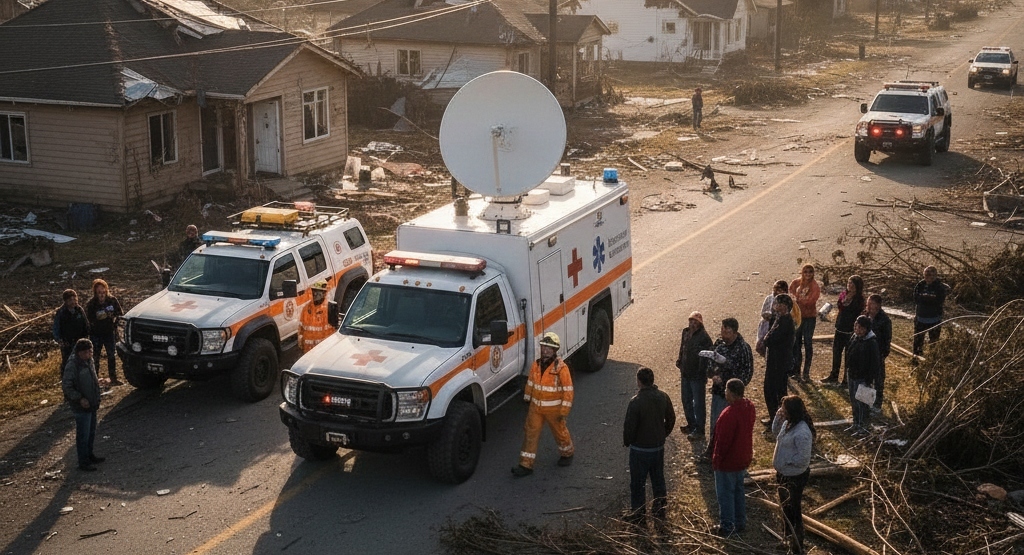
The first hours after a disaster are the most important for saving lives. Vehicles that are ready and pre-positioned can deliver essential aid faster, such as medical support, food, and water. This early action helps prevent additional harm, supports survivors efficiently, and sets the stage for longer-term recovery. Quick access also eases pressure on emergency teams and allows resources to reach the most affected areas promptly.
How Delays Can Worsen Relief and Recovery Efforts
Delays in vehicle deployment can escalate risks for survivors. Without timely aid, communities face prolonged exposure to danger, food and water shortages, and slower medical response. Recovery processes are also hindered, and emergency teams must work under higher stress. Efficient planning and readiness ensure that vehicles reach critical areas quickly, reducing risk and helping relief operations remain effective and structured.
Real Insights from Disaster Response Studies
Lessons from past disasters show that speed is a major factor in response success. Emergency planners emphasize pre-positioning vehicles, mapping routes in advance, and preparing teams to act immediately. These strategies improve efficiency, reduce response time, and help ensure that aid reaches affected populations when it matters most for disaster response vehicle design. Understanding these insights guides modern disaster response practices and strengthens operational planning for relief efforts.
How Vehicle Readiness Drives Fast Field Operations
Disaster relief operations rely heavily on vehicles that are prepared and ready to move at a moment’s notice. Properly maintained and equipped vehicles reduce delays and ensure aid reaches affected communities quickly. Readiness involves not only the vehicle’s mechanical condition but also the availability of essential supplies and the ability to adapt vehicles for different roles.
Here’s how equipment, design, and routine checks support rapid deployment.
Pre-Stocked Equipment and Preventive Maintenance
Having vehicles stocked with essential supplies in advance ensures that teams can start operations immediately. Preventive maintenance keeps vehicles reliable and prevents breakdowns in critical situations. This preparation includes checking engines, fuel, tires, medical kits, and other equipment so vehicles remain fully functional. Pre-stocked and well-maintained vehicles are vital for maintaining speed and efficiency during high-pressure disaster response operations.
Modular and Multi-Purpose Vehicle Designs
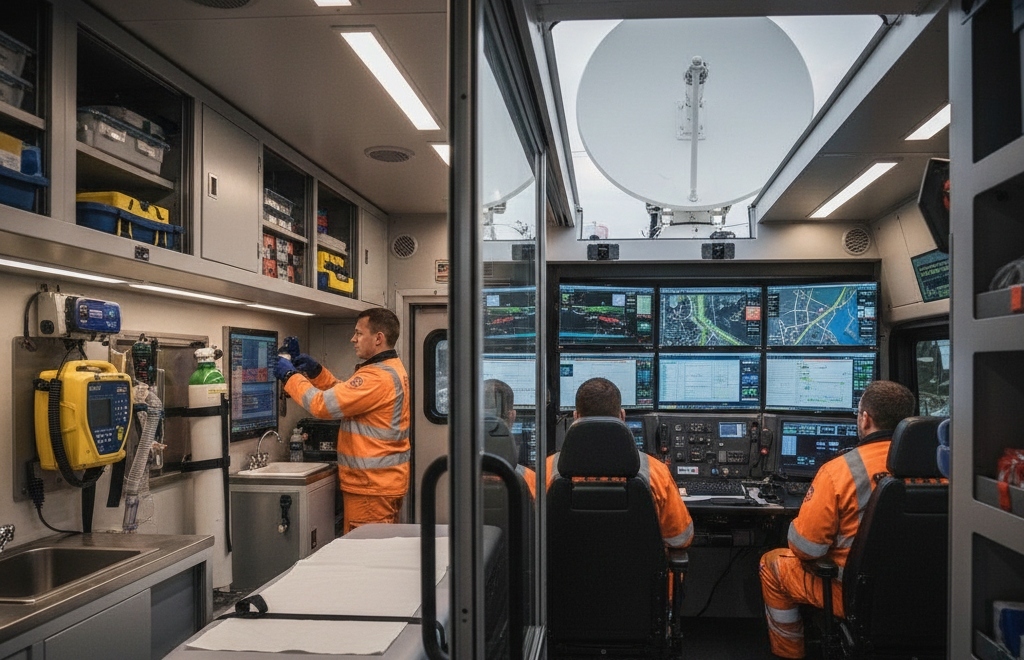
Vehicles designed with modular layouts can be quickly adapted for different tasks, such as medical care, command centers, or logistics. Multi-purpose vehicles allow teams to respond flexibly without needing separate units for each role. This adaptability saves time and resources, enabling faster deployment. Modular designs also support quick loading and unloading, as well as on-site reconfiguration, to efficiently meet changing field requirements.
Regular Field Readiness Checks Before Mobilization
Routine checks before deployment ensure vehicles are ready to operate in challenging environments. These checks cover mechanical systems, communication equipment, and stock levels. Field teams can identify issues early and address them before moving, reducing delays. Regular readiness checks also reinforce confidence in the fleet, allowing teams to focus on operations rather than troubleshooting during a critical response.
What Strategic Planning Accelerates Disaster Vehicle Deployment
Effective disaster response depends on careful strategic planning. Planning ensures vehicles reach the right locations quickly while using all resources efficiently. By mapping routes, coordinating fleets, and preparing for different disaster scenarios, teams can reduce delays and maximize impact.
Here’s how route optimization, fleet coordination, and scenario planning improve vehicle deployment.
Optimized Routing and Scheduling Systems
Planning optimal routes helps relief vehicles avoid traffic, obstacles, and damaged roads, allowing faster access to affected areas.
Scheduling systems coordinate departure times and vehicle availability so no resources sit idle while others are overused.
Digital tracking and GPS support real-time adjustments, helping teams respond to changing conditions efficiently and reach critical zones quickly.
Coordinating Multiple Vehicle Types and Support Units
Different vehicles serve different roles, from ambulances to supply trucks and mobile kitchens.
Coordinating these types ensures the right vehicle is used for the right task, preventing overlap and saving time, enhancing effectiveness through multi-agency coordination in disaster response vehicles.
Well-managed fleets maintain continuous operations and allow teams to respond to multiple needs simultaneously.
Scenario Planning for Floods, Earthquakes, and Hurricanes
Pre-disaster scenario planning prepares teams for specific challenges, like blocked roads during floods, collapsed infrastructure in earthquakes, or widespread damage from hurricanes.
Anticipating these conditions allows organizations to pre-position vehicles, plan detours, and assign resources effectively.
Scenario planning increases readiness and supports faster, more reliable deployment in all types of emergencies.
How Technology Speeds Up Deployment Operations
Modern technology is transforming disaster relief operations. Tools such as GPS tracking, telematics, and AI-driven systems help teams coordinate vehicles more quickly and efficiently. Technology allows managers to monitor fleet locations, optimize routes, and respond to changing conditions. It also ensures that vehicles are configured correctly and arrive at affected areas promptly.
Here’s how technology and design improve fleet coordination, speed, and overall efficiency in disaster response operations.
GPS, Telematics, and Tracking Systems for Fleet Coordination
GPS and telematics systems allow real-time tracking of every vehicle in the fleet.
Managers can monitor routes, adjust deployment based on traffic or obstacles, and ensure vehicles reach critical areas quickly. These systems reduce delays, improve communication, and provide visibility across multiple units. Fleet coordination using this technology makes disaster response faster and more reliable, helping teams deliver aid when and where it is needed most.
Modular Vehicle Construction for Rapid Setup
Vehicles with modular designs can be configured for multiple purposes, such as medical care, command centers, or logistics support.
This flexibility reduces setup time on-site and allows teams to adapt quickly to changing conditions. Modular construction also simplifies loading and unloading supplies, enabling vehicles to serve multiple roles without additional units, saving time and increasing operational efficiency during disaster response.
Automation and AI-Driven Routing Tools
Automation and AI-driven routing tools optimize paths based on traffic, road damage, and accessibility.
By predicting potential delays and suggesting alternative routes, these tools help vehicles reach destinations faster. Automation also reduces manual errors and supports coordinated deployment of multiple vehicles. Together, these technologies enhance speed, accuracy, and efficiency for relief teams working in high-pressure disaster zones.
Practical Lessons from Research and Field Use
Experience from past disaster responses highlights the importance of integrating technology with trained teams. A review found that precise GPS and tracking systems improved location accuracy in disaster zones, enhancing the coordination of relief vehicles.
Using GPS, modular vehicles, and AI tools together ensures vehicles are ready, flexible, and responsive. Teams that plan and train with these technologies achieve faster deployment and better coordination. Practical lessons show that combining technology with preparation is key to maximizing relief impact and operational effectiveness.
How Resource Optimization Strengthens Rapid Response
Efficient resource use is essential in disaster relief. By optimizing vehicles, supplies, and personnel, teams can respond faster without increasing costs. Smart planning ensures aid reaches affected areas quickly, reduces waste, and maintains high operational efficiency.
These are the strategies for resource allocation, multi-functional vehicles, and efficient deployment models.
Smart Resource Allocation for Maximum Field Impact
Allocating vehicles, supplies, and personnel based on priority ensures critical needs are addressed first. Strategic positioning enables teams to quickly cover multiple locations, reduce redundancy, and maintain continuous support, thereby maximizing the effectiveness of each resource during disaster response.
Cost-Effective Use of Multi-Functional Vehicles
Multi-functional vehicles reduce the need for separate units for medical, logistics, or command roles. Using fewer versatile vehicles lowers operational costs and deployment time while allowing teams to adapt quickly to changing field conditions, improving overall response efficiency.
Reducing Waste Through Efficient Deployment Models
Efficient deployment plans prevent underutilization or mismanagement of resources. Careful scheduling, route planning, and coordinated vehicle use ensure maximum impact of every unit. Reducing waste saves costs and helps deliver aid faster and more effectively to communities in need.
Why Skilled Teams Are Central to Rapid Deployment
Even the best vehicles and technology cannot replace well-trained teams. Skilled personnel ensure that relief operations run smoothly, safely, and efficiently. From drivers to ground staff, every team member plays a crucial role in disaster response.
Let’s discuss training, communication, drills, and safety protocols that keep operations effective and reliable.
Training Drivers, Operators, and Ground Teams
Regular training ensures drivers and operators can handle vehicles safely in challenging environments. Ground teams learn to manage supplies, coordinate with other units, and respond quickly to changing situations. Well-trained personnel reduce errors, save time, and help relief efforts reach affected communities faster and more effectively.
Communication, Drills, and Realistic Simulations
Clear communication is essential for smooth operations. Teams benefit from drills and realistic simulations that replicate disaster conditions. Practicing coordination and emergency procedures builds confidence and ensures everyone knows their role, allowing faster, more accurate deployment during real-world scenarios.
Safety Protocols for High-Stress Environments
Disaster zones are unpredictable and often dangerous. Safety protocols guide teams on vehicle operation, equipment handling, and personal protection. Following standardized procedures reduces accidents, protects personnel, and ensures that relief operations can continue efficiently, even under high stress and challenging conditions.
What We Learn from Real-World Deployments
Real-world deployments provide valuable insights for improving disaster response. Observing how vehicles and teams perform in floods, hurricanes, earthquakes, and wildfires helps refine strategies and operational planning. Lessons from these deployments highlight what works, what causes delays, and how preparedness, technology, and trained personnel combine to achieve faster, more effective relief.
Below are examples, case studies, and lessons that serve as guides for future disaster response planning.
Rapid Vehicle Response in Flood and Hurricane Relief
During floods and hurricanes, the quick deployment of vehicles can save lives and protect property. Pre-positioned vehicles equipped with medical supplies, food, and water reach affected areas faster.
Teams that coordinate routes, use GPS tracking, and prepare vehicles in advance reduce response times and maximize field coverage, ensuring critical aid reaches communities in the “golden window” immediately following a disaster.
Earthquake and Wildfire Case Studies
Earthquakes and wildfires create challenges like blocked roads and damaged infrastructure. Modular vehicles and flexible teams help navigate these obstacles and provide medical, command, and logistics support. A study found that optimized emergency deployment improved survival probability up to 77 %.
Lessons from these events highlight that readiness, vehicle design flexibility, and trained teams are essential for effective and timely disaster response.
Key Lessons for Future Response Strategies
Analyzing past deployments reveals patterns that improve future readiness. Effective preparation includes pre-stocked vehicles, optimized routing, and coordination between multiple units.
Organizations that integrate technology, modular designs, and skilled personnel reduce delays and reach more people. These lessons guide the design of faster, more reliable disaster response systems for upcoming emergencies.
Empower Your Team with Rapid Response Vehicles
Preparedness, technology, and skilled teams together make disaster relief faster, safer, and more effective. Rapidly deployable vehicles, modular designs, and smart planning ensure aid reaches affected communities when it matters most. Fleet managers and disaster response coordinators can strengthen operations by combining vehicle readiness, technology, and trained personnel for reliable and efficient disaster response worldwide.
Connect with Craftsmen Industries for custom-built disaster relief vehicles. Get expert consultation on modular designs, rapid deployment solutions, and fleet optimization to enhance your emergency response capabilities.
Frequently Asked Questions
What makes a “disaster relief vehicle” different from a regular truck?
They are often custom-built with modular designs to serve as medical units, command centers, or logistics hubs. They’re also pre-stocked and rigorously maintained for immediate, reliable deployment.
How do you prevent vehicle breakdowns during a critical response?
Breakdowns are prevented through rigorous preventive maintenance. This includes regular checks on engines, tires, fuel, and all critical components, ensuring the vehicle is fully functional before mobilization.
Are multi-purpose vehicles more cost-effective than using specialized fleets in disasters?
Yes, they are cost-effective. Multi-purpose designs reduce the need for separate, specialized vehicles, which lowers operational costs and saves time by allowing one vehicle to perform multiple roles.
What kind of training is most essential for rapid deployment drivers?
The most essential training involves handling the vehicle safely in challenging, high-stress disaster zones. This is reinforced with realistic drills, simulations, and clear communication and safety protocols.
How do multi-purpose vehicles balance medical, logistics, and command functions simultaneously?
Multi‑purpose vehicles balance medical, logistics and command roles by integrating modular interiors with versatile systems. One vehicle can switch between tasks quickly, reducing the need for separate units while ensuring fast, coordinated deployment.
Filter Posts by Tag
related posts
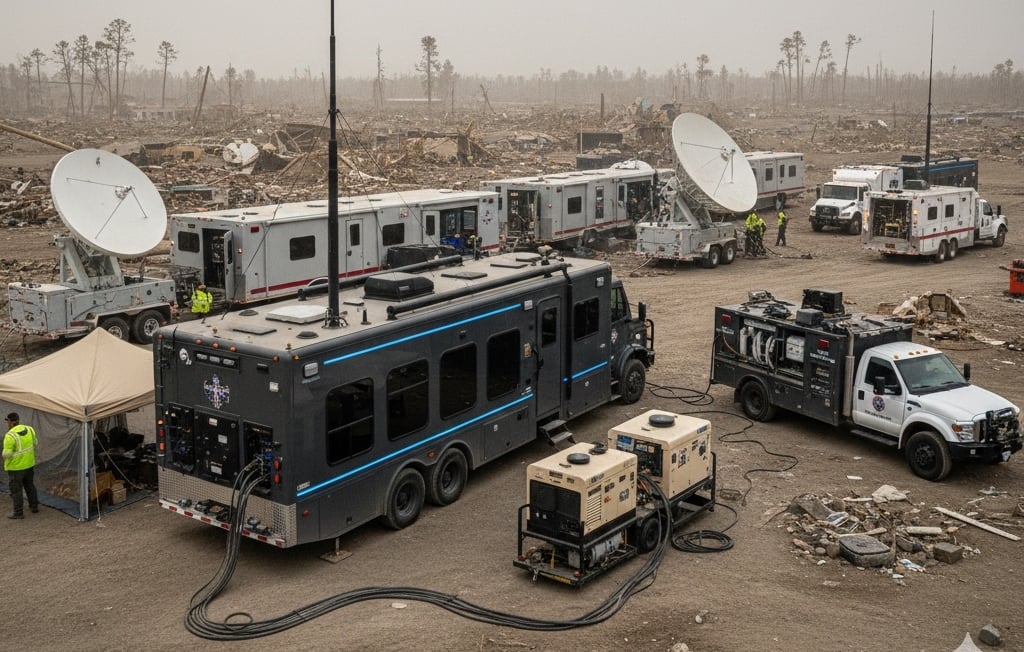
Discover key design features of disaster relief vehicles and trailers. Strength, mobility, self-sufficient power, and modular interiors ensure rapid, reliable response.
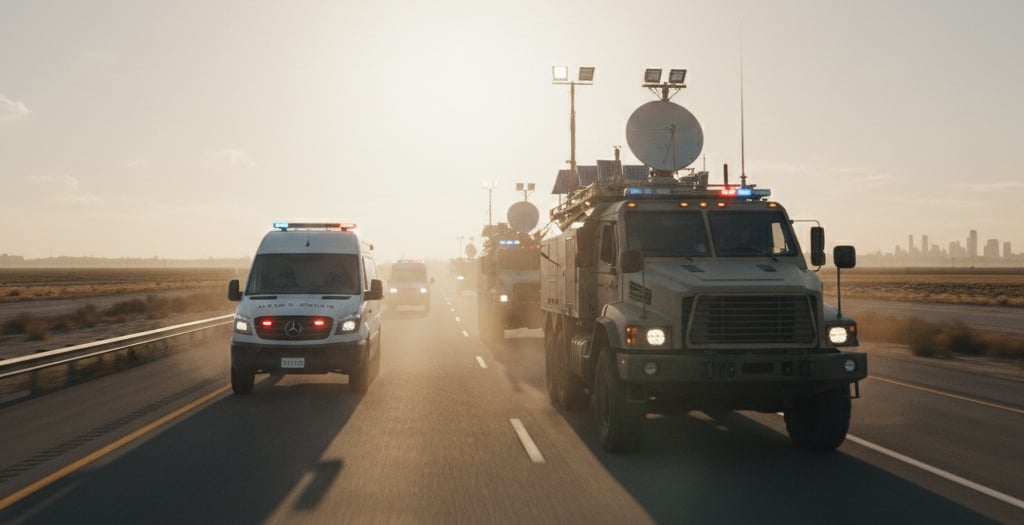
Disaster response trailers require safe transport, secure storage, and regular maintenance to ensure readiness,reliability,fast deployment in emergencies.
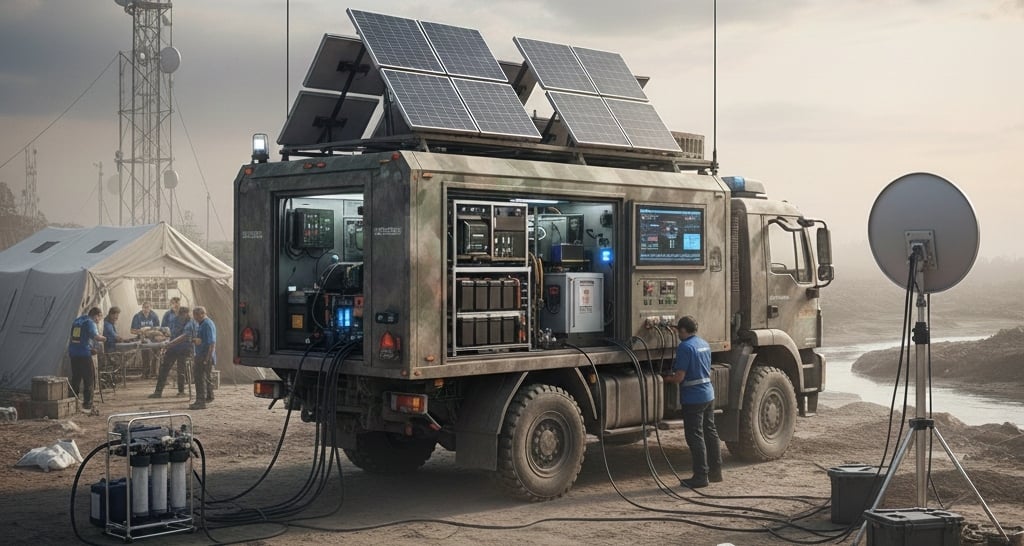
Reliable power solutions for disaster relief vehicles ensure medical, communication,field operations stay active in remote areas during critical missions.
