
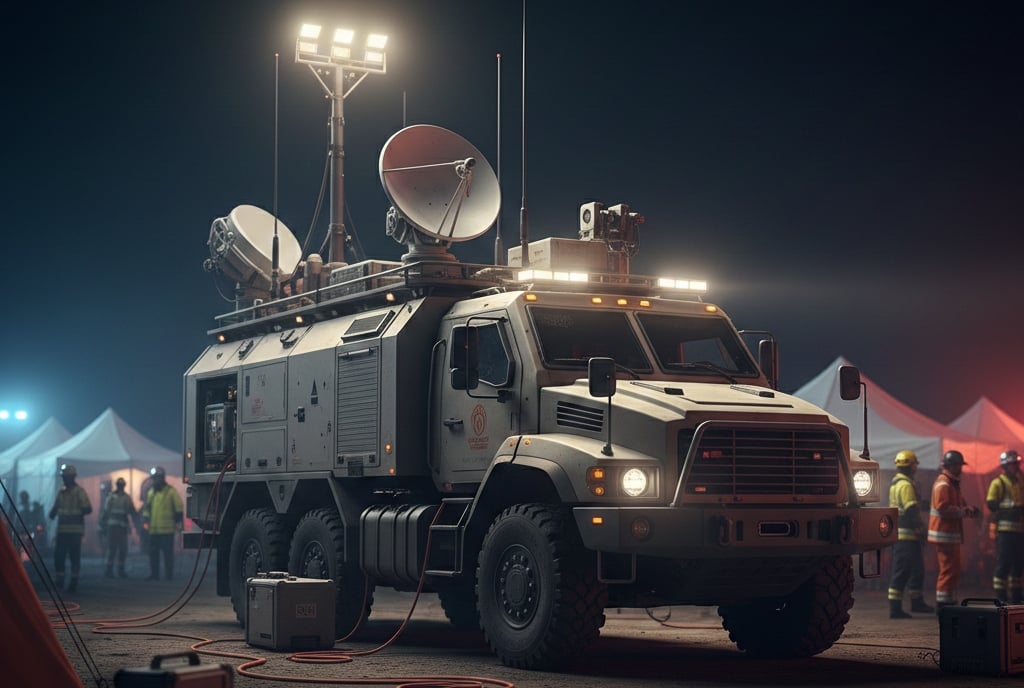
Disaster relief vehicles are specialized units, from mobile command centers to supply trucks, that form the backbone of emergency response. They enable teams to deliver critical aid, maintain communication, and operate efficiently in compromised environments where infrastructure has failed.
According to humanitarian logistics studies, transportation and vehicle operations can account for 60-80% of total expenditure in disaster relief missions. This clearly highlights the importance of vehicle efficiency in maximizing impact and managing resources effectively.
This guide provides a comprehensive overview of disaster relief vehicle setup and readiness. It covers selecting the right platform, essential design principles for field operations, on-site deployment strategies, and post-mission management, ensuring your team is prepared, agile, and mission-ready in every emergency scenario.
How to Pick and Prepare the Right Disaster Relief Vehicle
Emergencies demand speed and reliability, but not all vehicles can handle the challenges of disaster response. Teams often face delays or equipment issues because vehicles are not suited for the terrain or the mission.
The right disaster relief vehicle solves these problems. It safely carries essential equipment, navigates difficult areas, and keeps the crew ready to act immediately. Preparing a vehicle properly ensures smooth deployment when every minute counts.
To ensure the vehicle performs reliably in the field, several key factors must be considered before deployment.
Selecting the Right Platform for Your Mission
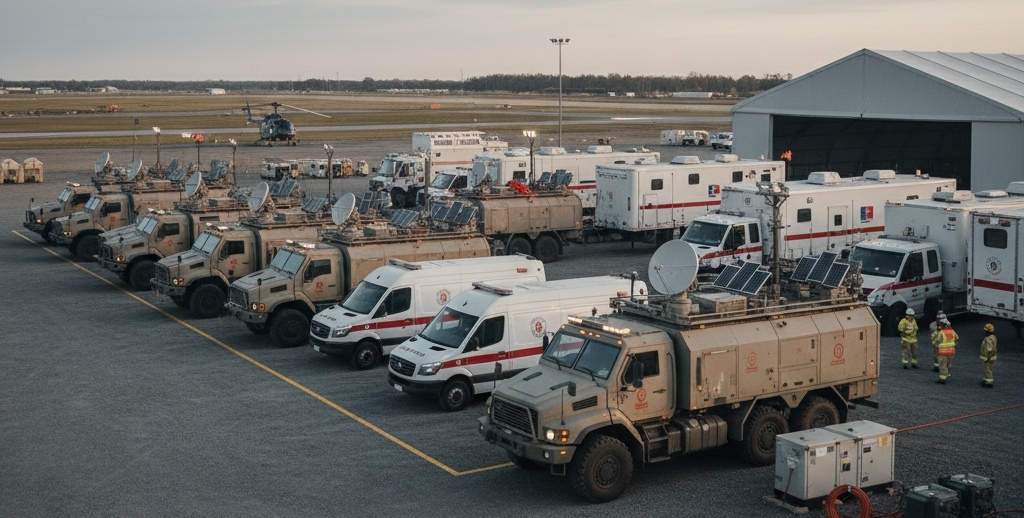
Disaster relief missions vary, so the vehicle must match the task at hand. Trucks handle heavy loads and rough terrain, vans provide flexibility for smaller teams, and trailers add space for equipment or specialized setups. Consider the mission type, area of operation, and the amount of gear needed. A vehicle built for its specific role reduces delays, keeps equipment secure, and allows teams to focus on helping people instead of managing vehicle issues.
Payload, Mobility, and Terrain Considerations
A vehicle must carry all essential equipment without compromising stability. Check weight limits, storage capacity, and how easily the vehicle can move through difficult areas. Off-road capability, clearance, and traction are essential for muddy, uneven, or flooded paths. Evaluating these factors before deployment prevents breakdowns, ensures safe transport of gear, and allows the team to reach areas where help is needed most considerations for disaster response vehicle design.
Transport Logistics and Route Planning
Reaching a disaster zone can be challenging. Planning the route avoids blocked roads, weight restrictions, or limited access points. Ensure the vehicle can fit through narrow streets or rural paths. Coordinating with local authorities for permits or guidance helps avoid delays. Good transport planning ensures the vehicle arrives safely, equipment stays secure, and the team can start operations immediately without unexpected obstacles.
Equipment Loading and Pre-Deployment Checks
Improperly loaded equipment can shift or get damaged, delaying operations. Organize gear logically for easy access and secure it with tie-downs or shelving. Conduct pre-deployment checks on tires, brakes, lights, power systems, and communication devices. Confirm all systems are functional. Taking these steps reduces risks, avoids last-minute problems, and ensures the team can focus on relief work the moment the vehicle reaches the site.
How to Design a Disaster Relief Vehicle for Field Readiness
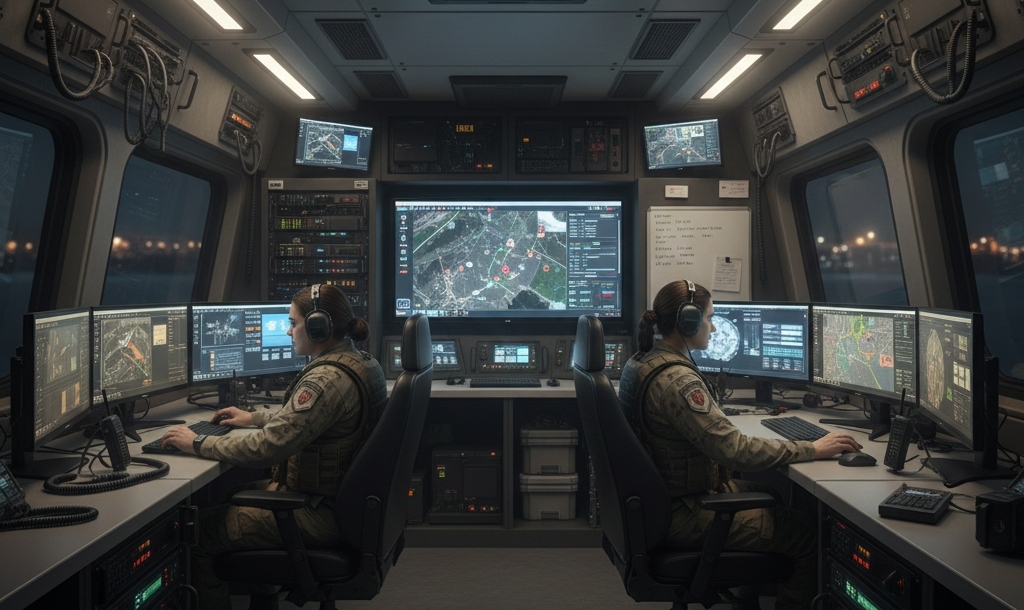
Relief teams often face delays or inefficiencies when vehicles are not set up to support their tasks. Vehicles that lack organization, power, or proper equipment access can slow down operations in critical moments.
This is particularly dangerous as federal agencies emphasize that the first 72 hours after a disaster represent the most critical window for response, when local assets are all a community has. Designing a vehicle with the mission in mind ensures the team can operate smoothly, reach people in need quickly, and work safely under these challenging conditions.
Such design elements must be considered to make a vehicle fully mission-ready and reliable in the field.
Custom Interior Layouts for Different Roles
The interior layout determines how efficiently a team can operate inside the vehicle. Command centers, medical units, and supply transports each need a different setup. When the layout matches the mission, equipment is easy to reach, and the crew can move safely. A thoughtful design reduces operational delays and enables the vehicle to adapt to multiple scenarios without major modifications.
Ergonomics and Crew Comfort
Once the layout is set, the crew’s comfort becomes essential for sustained operations. Proper seating, reachable workstations, and adequate lighting reduce fatigue and improve focus. A comfortable environment allows the team to perform tasks faster and more accurately, supporting the efficiency created by the interior design.
Power Systems: Generators, Batteries, Solar Options
With a comfortable and functional interior, the vehicle still needs reliable power. Generators, battery banks, and solar panels keep lights, medical devices, and communication tools running. Adequate mobile power generation ensures the crew can use the interior layout and equipment fully and continuously, even in areas without electricity.
Communication and Data Integration Tools
Power enables the use of communication and data systems that connect the team with other units. Radios, GPS, satellite phones, and mobile data systems ensure the crew can coordinate effectively. Reliable communication complements the interior design and powered equipment, allowing the team to operate efficiently and respond to changing conditions in real time.
Storage Solutions for Rapid Access
Efficient communication and powered systems are only helpful if equipment is stored in an accessible location. Shelving, compartments, and tie-downs keep gear organized and secure. Quick access prevents delays and allows the team to use tools, medical kits, and supplies efficiently, supporting smooth workflow from interior layout to operations.
Durable Materials and Safety Features
The effectiveness of layout, comfort, power, and storage depends on durability. Floors, walls, and fixtures must withstand harsh conditions, moisture, and impact. Safety features such as non-slip surfaces and secure mounts protect both the crew and the equipment. Durable materials ensure that all the other systems continue to function reliably during missions.
Vehicle Identification and Field Visibility
Finally, clear vehicle identification supports every aspect of design and operation. Logos, reflective paint, and emergency lights make it easy for teams and authorities to recognize the vehicle. Visibility ensures that all the interior planning, powered systems, and organized storage can be used safely in crowded or chaotic disaster zones.
Preparing Your Disaster Relief Vehicle for On-Site Operations
Reaching a disaster site is only the first step. Even the best-equipped vehicle is ineffective if it is not set up correctly on arrival. Teams often face delays because vehicles are positioned poorly or workstations are not ready. Proper on-site setup ensures the vehicle is prepared for immediate action, helping crews respond efficiently and safely to the situation.
Here’s how you can ensure smooth deployment and effective use once the vehicle reaches the field.
Arriving and Positioning the Vehicle
The vehicle must be placed in a location that allows safe access, stable footing, and easy crew movement. Consider the terrain, nearby obstacles, and proximity to the operation area. A well-positioned vehicle reduces the risk of accidents and ensures that all equipment can be used efficiently. Correct positioning from the start sets the stage for faster activation and smoother operations.
Rapid Activation and Workstation Setup
Once in position, the vehicle should be activated quickly. Power systems, lighting, and essential equipment must be ready without delay. Workstations and specialized modules, such as medical or command areas, should be arranged logically for immediate use. Rapid setup ensures teams can start their work without wasting time on adjustments or troubleshooting in critical moments.
Crew Workflow Optimization
The way the crew moves and works inside the vehicle impacts efficiency. Organize stations, tools, and supplies so tasks flow naturally from one step to the next. Proper workflow reduces fatigue and errors, allowing team members to focus on responding to the disaster rather than navigating cramped or cluttered spaces.
Integration with Other Relief Units
Disaster response often involves multiple teams and agencies. The vehicle’s setup should support seamless coordination, with clear communication links and shared access points for supplies or information. Proper integration ensures that the team contributes effectively to the larger operation and avoids bottlenecks or confusion in the field, enhancing multi-agency coordination in disaster response.
Adaptation to Changing Field Needs
Conditions on-site can change quickly. The vehicle must be flexible to adjust layouts, swap equipment, or redirect power and communication systems as needed. Adaptability ensures the crew can meet evolving challenges without disrupting operations, keeping the response efficient and effective throughout the mission.
Managing Disaster Relief Vehicle Operations and Field Support
Even a well-designed and properly deployed vehicle can face challenges during extended missions. Systems may require adjustments, supplies may run low, and crews need to stay effective under pressure.
This is a critical management gap, as research shows that 55% of humanitarian organizations do not monitor or report any performance indicators. Without this oversight, proper operations and field support are guesswork. With it, teams can ensure vehicles continue to function reliably, crews remain productive, and relief efforts are not delayed.
Maintaining performance in the field requires attention to equipment, power, supplies, and team readiness.
Routine Maintenance and Troubleshooting
Vehicles in active disaster zones are exposed to rough terrain and continuous use. Regular checks on tires, brakes, lights, and mechanical systems help prevent breakdowns. Quick troubleshooting of minor issues keeps the vehicle operational and reduces delays. Routine maintenance supports mission continuity and ensures the team can rely on the vehicle at all times.
Managing Power, HVAC, and Water Systems
Reliable power, climate control, and water supply are essential for crew efficiency and equipment operation. Generators, batteries, and solar systems must be monitored to maintain continuous operation. HVAC ensures a comfortable working environment, and water systems support basic hygiene and medical tasks. Proper management keeps all onboard systems running smoothly during field operations.
Supply Planning: Fuel, Medical Kits, Consumables
Running out of essential supplies can halt operations. Fuel, medical kits, food, water, and other consumables must be tracked and replenished regularly. Organized supply planning ensures the vehicle remains ready for continuous use. Keeping essentials on hand supports both crew welfare and uninterrupted mission performance.
Crew Training for Field Operations
Even the best equipment is only effective if the team knows how to use it. Crew members should be trained on vehicle systems, troubleshooting procedures, and safety protocols. Well-trained teams can respond quickly to problems and make full use of the vehicle’s capabilities, maintaining efficiency during demanding disaster relief missions.
Monitoring Performance and Operational Metrics
Tracking vehicle performance, fuel consumption, equipment usage, and mission hours helps identify potential issues before they become critical. Monitoring operational metrics also supports better planning for future missions. By understanding how the vehicle performs in the field, teams can maintain readiness and improve efficiency over time.
Preparing Disaster Relief Vehicles for Post-Mission and Next Deployment
Even after a successful mission, a disaster relief vehicle requires careful handling to remain ready for future operations. Neglecting post-mission procedures can lead to equipment damage, reduced reliability, or delays during the next deployment. Proper post-mission preparation ensures the vehicle stays operational, safe, and fully equipped for the following emergency response, including roles in post-disaster recovery.
Here are key steps to help teams demobilize efficiently while maintaining long-term readiness.
Packing Down Equipment Safely
All equipment and supplies should be organized, cleaned, and secured before transport. Loose items can shift during travel, causing damage. Proper packing protects both gear and crew and ensures everything is ready for immediate use during the next mission. Organized packing also reduces the time spent searching for essential tools in future deployments.
Transporting the Vehicle Back or Forward
The vehicle must be moved safely to storage or directly to the following operation site. Route planning, secure loading, and adherence to weight limits prevent damage and delays. Proper transport ensures the vehicle arrives in good condition, minimizing the need for repairs and keeping the team mission-ready.
Post-Mission Review and Lessons Learned
After each deployment, teams should review performance, note any challenges, and identify areas for improvement. This includes checking mechanical systems, equipment functionality, and operational workflow. Documenting lessons learned supports continuous improvement and prepares both the vehicle and crew for more effective responses in the future.
Storage and Long-Term Vehicle Readiness
When not in active use, the vehicle should be stored in a secure, sheltered location and have systems regularly maintained. Batteries, fuel, and power systems require periodic checks. Long-term readiness ensures that the vehicle can be deployed quickly and reliably whenever an emergency arises, keeping relief efforts uninterrupted.
Best Practices to Handle Disaster Relief Vehicle Challenges
Disaster relief operations often push vehicles and crews to their limits. Unpredictable terrain, equipment failures, and logistical hurdles can slow response times and put missions at risk. Without proactive planning, even the best vehicles may fail when they are needed most.
Here are the common challenges and applying proven best practices that ensure vehicles stay reliable, crews remain effective, and relief efforts reach the people who need them quickly and safely.
Rough Terrain and Difficult Access
Disaster sites often have uneven, muddy, or damaged roads, making it difficult for vehicles to reach the affected area. Poor terrain increases the risk of vehicle damage or delays in reaching people in need.
To overcome this, vehicles should be equipped with off-road tires, higher clearance, and traction systems suitable for varied conditions. Pre-mission route planning and terrain assessment help crews anticipate obstacles, while driving protocols reduce wear and ensure safe navigation.
Power and Equipment Failures
Continuous use in the field can strain power systems, communication tools, and medical or operational equipment. A sudden failure may halt operations, delay relief efforts, and create safety risks.
The solution is to install reliable power sources, such as backup batteries, generators, and solar options. Regular system checks, preventive maintenance, and having spare parts on board ensure that equipment remains functional and crews can continue working without interruptions.
Limited Supplies and Consumables
Vehicles may run out of fuel, water, medical kits, or other essential items, especially during extended missions. This can affect both crew performance and the ability to provide timely relief.
Effective supply planning helps prevent shortages. Teams should track consumables, maintain extra reserves, and coordinate resupply logistics. Organized storage and clear labeling also make it easier to access items quickly when needed.
Communication and Coordination Issues
Field operations often involve multiple teams and agencies. Miscommunication can lead to duplication of work, delays, or unsafe situations.
Integrating reliable communication systems, including radios, GPS, and data tools, helps maintain coordination. Clear protocols, pre-planned communication channels, and routine checks ensure that all teams stay informed and operations remain smooth.
Vehicle Durability and Maintenance
Frequent use in harsh environments can lead to wear and tear, unexpected breakdowns, or safety risks. Without proper maintenance, the vehicle may fail during critical moments.
Implementing routine maintenance schedules, performing pre- and post-mission inspections, and using durable materials help keep vehicles operational. Quick troubleshooting practices and trained technicians ensure that any issues are addressed promptly, maintaining vehicle readiness.
Build Your Mission-Ready Disaster Relief Vehicle Today
Disaster relief vehicles are the backbone of efficient emergency response, ensuring teams can reach affected areas quickly, operate safely, and deliver critical aid without delay. A well-prepared and properly equipped vehicle turns challenges into seamless field operations.
For organizations looking to enhance their fleet, Craftsmen Industries offers custom-designed disaster relief and mobile command vehicles built for performance and durability. Our innovative designs and precision engineering ensure reliable, mission-ready mobility in any environment.
Get started with Craftsmen Industries to design and build a disaster relief vehicle that’s ready for any mission.
Frequently Asked Questions
What is the typical lifespan of a custom-built response truck?
A custom-built vehicle with a heavy-duty chassis and all-aluminum body is engineered for durability. With proper maintenance, it can be expected to last 15-20 years or more.
How fast can a disaster relief vehicle be deployed?
Deployment speed depends on preparation and vehicle readiness. A well-equipped disaster relief vehicle can be transported to the site and made operational within a few hours. Pre-packed equipment, organized storage, and ready-to-use power and communication systems allow crews to start operations quickly, ensuring critical aid reaches affected areas without unnecessary delays.
Should I buy a new or used disaster vehicle?
A new vehicle is built to your exact mission needs with modern technology and a full warranty. A used vehicle may not be reliable or have the right layout.
How long can a disaster relief vehicle operate in the field?
Field operation time depends on fuel, power, and supplies. Properly equipped vehicles with backup generators, batteries, and sufficient consumables can operate continuously for several days. Regular checks of power systems, water systems, and essential equipment help ensure the vehicle remains functional throughout extended missions.
How do I maintain a disaster relief vehicle between missions?
Routine maintenance is key to readiness. Inspect tires, brakes, lights, and mechanical systems, and check power, HVAC, and water systems. Clean and secure all equipment, replenish consumables, and perform any minor repairs. Regular inspections keep the vehicle ready for rapid deployment at any time.
Filter Posts by Tag
related posts
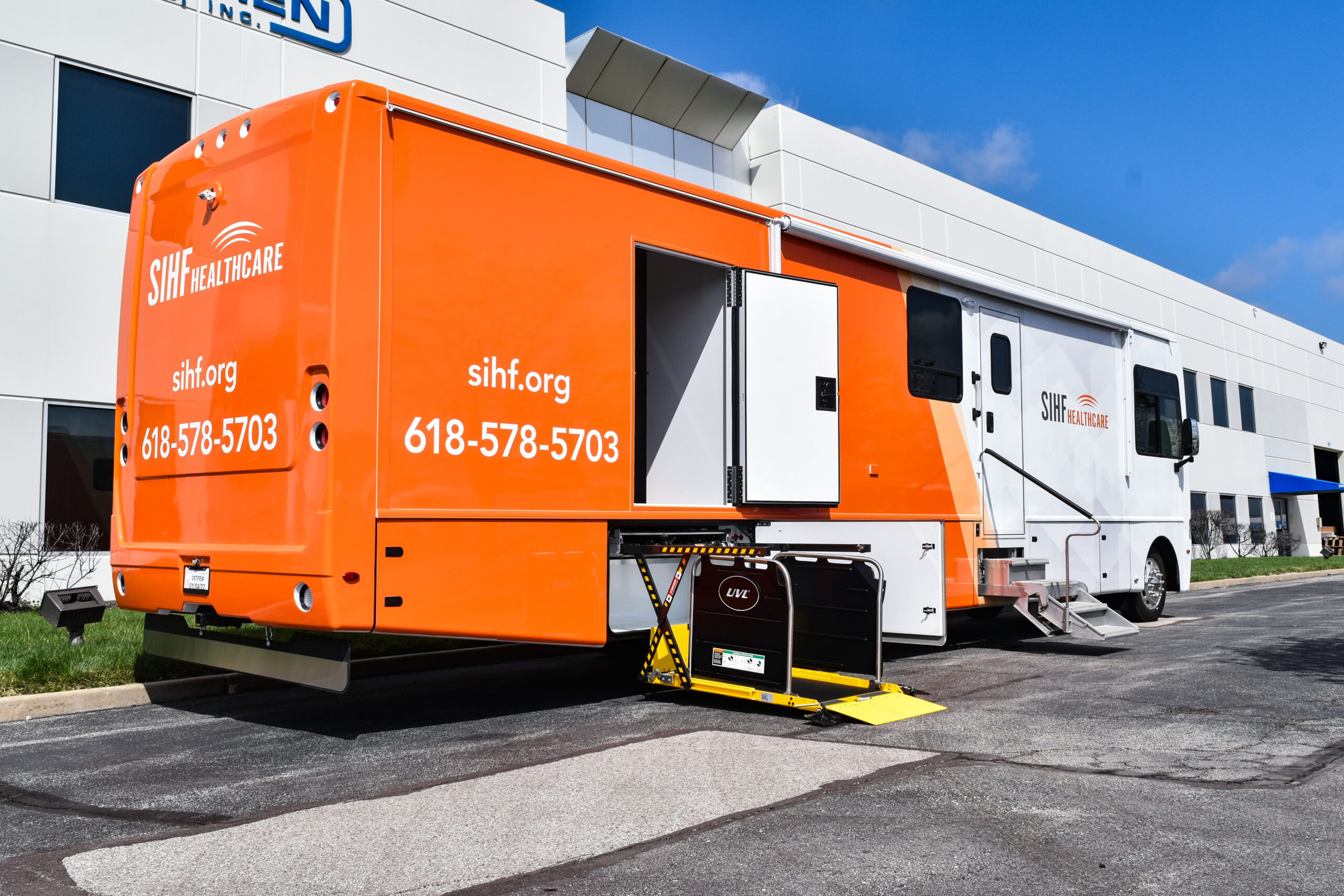
Mobile healthcare units play a key role in disaster response, bringing triage, treatment, and critical support to communities when traditional infrastructure is disrupted.
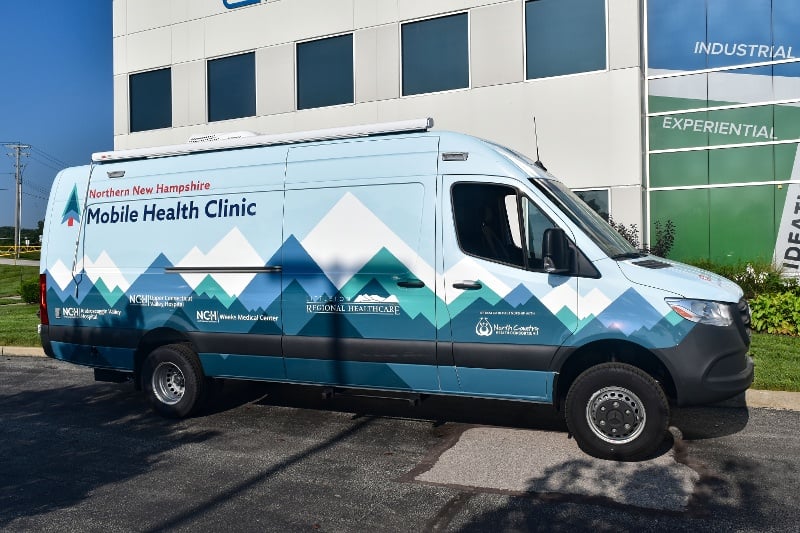
Can mobile medical Sprinter vans improve emergency medical response? Click to learn about Sprinter vans and how they can enhance urgent medical services.
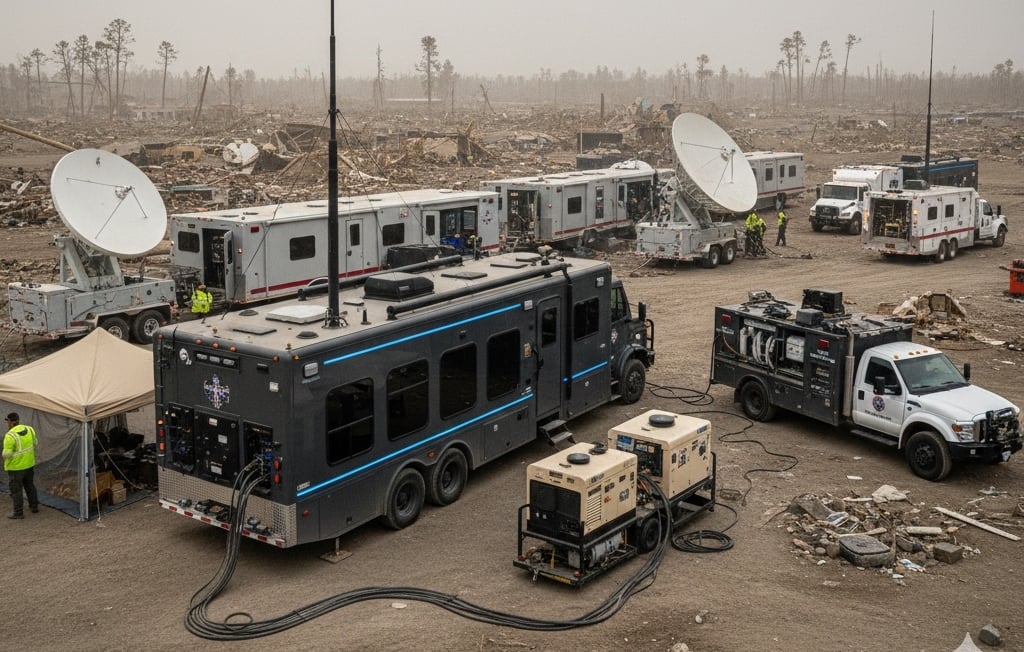
Discover key design features of disaster relief vehicles and trailers. Strength, mobility, self-sufficient power, and modular interiors ensure rapid, reliable response.
