

Disaster response trailers play an important role in emergency work. These units support teams when they enter areas affected by storms, floods, or other critical events. A dependable trailer helps responders carry equipment and essential supplies without delays.
Transport and storage planning are of great importance because a trailer must remain ready at any time. If it is not maintained, stored correctly, or moved safely, the response effort can slow down. Proper planning supports smoother movement and better reliability.
Global disaster activity shows why readiness matters. From 2000 to 2019, the world recorded 7,348 major disasters that affected more than 4.2 billion people. These numbers highlight how often communities need fast support.
This blog will guide you through key considerations for transporting and storing disaster response trailers. It covers deployment needs, important transport factors, and the storage practices that help keep a trailer ready between missions.
What Disaster Response Trailers Need for Effective Deployment
Disaster response trailers face different demands depending on the event and location. A trailer performs better when teams understand the conditions they may encounter and prepare for them in advance. Precise planning supports safer movement, faster setup, and better readiness during an emergency.
A smooth shift from general planning to on-ground action helps responders use the trailer effectively in the field.
Disaster Events That Trigger Trailer Deployment
Different disaster events create different levels of urgency. Storms, floods, wildfires, and industrial accidents often disrupt access to communities and essential services.
A trailer helps teams enter these areas with the tools they need to begin work. Each event brings its own challenges, so understanding the nature of the disaster supports better preparation and smoother field operations.
How Different Conditions Shape Deployment Needs
Every location has its own conditions. Roads may be blocked, the ground may be uneven, or the area may have limited power. These factors influence the way a trailer is moved and set up.
Clear awareness of terrain, weather, and access issues helps teams prepare more effectively. This preparation supports safer travel and more reliable use of the trailer when the team reaches the site.
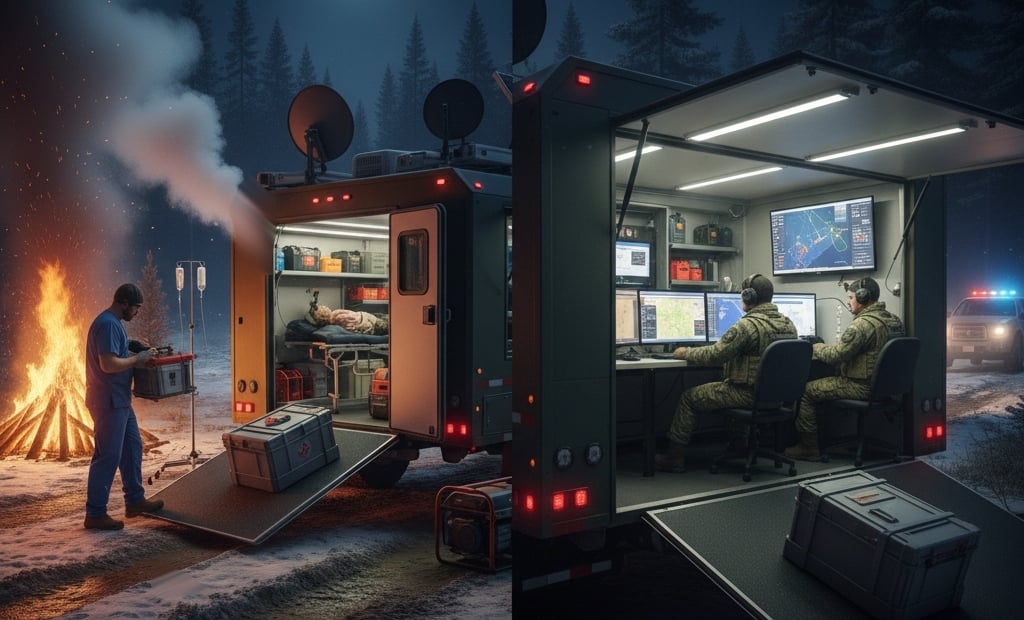
Roles of Medical, Command, and Logistics Trailers
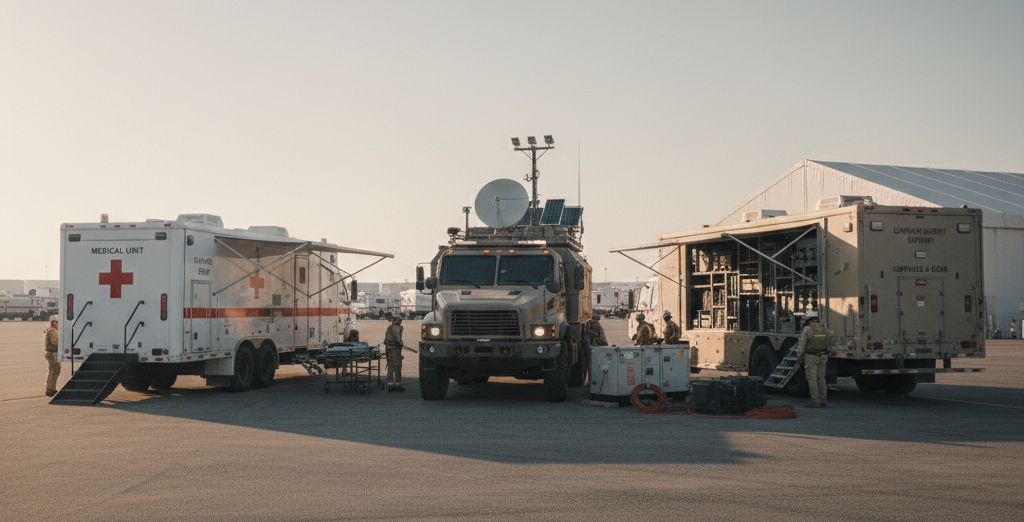
Disaster response trailers support various functions depending on the situation.
- Medical trailers carry equipment for basic treatment.
- Command trailers help teams coordinate communication.
- Logistics trailers store supplies that keep field work moving.
Each type plays an important role in organized response work. A clear understanding of the trailer’s purpose helps teams plan effectively, saving time and protecting resources.
Essential Transport Factors to Consider for Disaster Response Trailers
When disaster strikes, quickly and safely moving a response trailer is crucial. This speed is vital, as the first 72 hours after a disaster are crucial; the UN Office for the Coordination of Humanitarian Affairs (OCHA) identifies this as the critical window when response efforts have the greatest impact on saving lives.
Planning for transport, therefore, starts well before deployment and covers trailer mobility, transit safety, and rapid setup on arrival. These factors help ensure the trailer arrives and functions at full capacity when every second counts.
Here are the essential elements that shape safe and reliable transport.
Trailer Mobility & Compatibility
A response trailer must match the towing vehicle, size, and weight limits, and terrain conditions. If the trailer is too heavy or too large for the available equipment or access roads, deployment will suffer. Roads may be damaged or narrow. Off-road capability, clearance, and sturdy axles become important if deployment areas are remote or rough with top considerations for disaster response vehicle design.
Safety & Compliance During Transit
Transporting an emergency trailer involves careful planning. Teams must follow weight distribution rules, ensure proper lighting and markings, secure the load, and protect gear from vibration and shock. These steps safeguard both equipment and personnel during transit and ensure regulatory compliance.
Rapid Deployment on Arrival
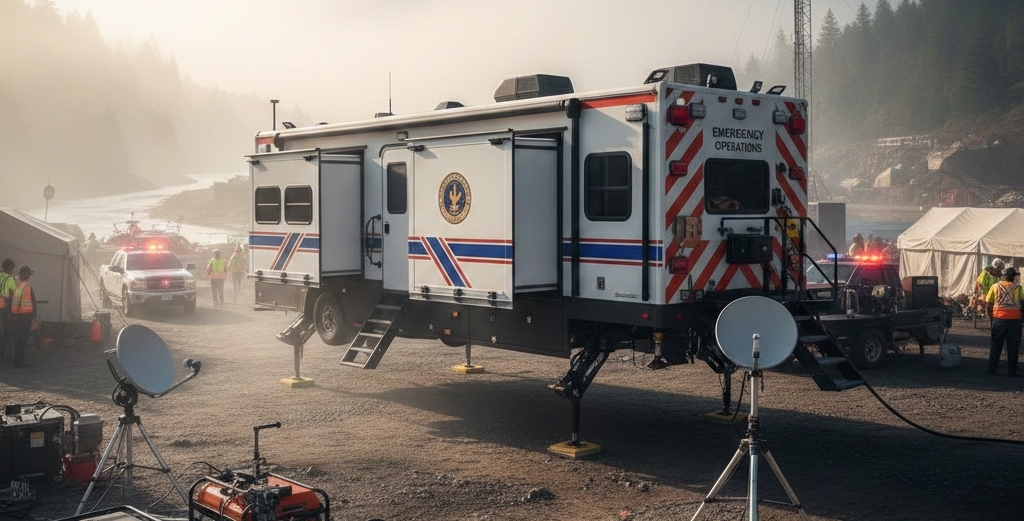
Once the trailer arrives, the clock is ticking. Stabilizers and leveling systems help secure the trailer for safe use. Expandable modules or slide-outs let the workspace grow quickly and make better use of space. Fast setup ensures the trailer transitions from transport to operational mode with minimal delay.
Storage Considerations for Disaster Response Trailers
A disaster response trailer remains reliable when stored with care between missions. Storage is not only about parking the trailer. It is about protecting the unit, securing equipment, and keeping all systems ready for the next call. A well-planned storage routine supports smoother deployment when the team needs to move again.
Here are the storage practices that help maintain reliability between missions.
Storage Environment and Protection
Indoor storage provides strong protection against sunlight, rain, and extreme temperatures, which can damage the trailer’s structure and equipment. Outdoor storage is possible if protective covers and barriers are used. Keeping the area clean and controlling moisture helps prevent corrosion, preserve electrical systems, and ensure the trailer remains operational during emergency deployments.
Securing Equipment and Supplies
Equipment inside the trailer must be secured to prevent shifting or damage during storage. Shelves, cabinets, locks, and tie-downs keep tools and supplies organized and accessible. Proper organization reduces setup time, protects sensitive items, and ensures responders can quickly access what they need, supporting faster, safer, and more efficient field operations.
Routine Maintenance During Storage
Even in storage, batteries, generators, HVAC systems, and communication equipment require regular checks. Inspections ensure components are functional, prevent unexpected failures, and identify maintenance needs early. Following a consistent routine keeps the trailer ready for immediate deployment, reduces downtime, and guarantees that all systems perform reliably during field operations.
Temperature and Humidity Control
Extreme temperatures or high humidity can damage wiring, electronics, and other sensitive equipment. Maintaining stable temperatures and controlling moisture prevents corrosion, mold, and system failures. Proper climate management in storage preserves the trailer’s integrity, ensures equipment functions as expected, and supports reliable performance during rapid deployment.
Safety and Access Considerations
Safe placement of the trailer prevents accidents and allows easy access for inspections or emergency use. Maintaining clear space around the unit and restricting unauthorized access protects both personnel and equipment. Proper safety and access planning ensure the trailer remains secure, organized, and ready for immediate deployment whenever needed.
Common Mistakes to Avoid with Disaster Response Trailers
Small oversights can create delays during an emergency. This is a critical issue, as federal reports consistently identify equipment readiness as a persistent capability gap for many communities nationwide. Knowing the common mistakes helps teams close that gap, protect their equipment, save time, and keep the trailer ready for real field conditions.
Here are the issues that often cause problems, along with ways to raise awareness to prevent them.
Poor Storage Conditions That Lead to Corrosion
Moisture, standing water, and prolonged exposure to sunlight slowly damage a trailer’s body and internal systems. A unit stored in damp or unprotected areas is prone to rust, electrical issues, and early wear. These problems often appear right when the trailer is needed most.
A dry, clean, and sheltered storage area protects the trailer and slows down wear. Regular cleaning and basic moisture control support better long-term condition and make the trailer more dependable for the next mission.
Overloaded or Unbalanced Trailers That Increase Transport Risk
A trailer that carries more weight than recommended or has uneven weight placement becomes harder to control on the road. This affects braking, steering, and stability, slowing movement during urgent situations.
Safe weight limits and balanced loading help the trailer move smoothly. Even placement of equipment and clear awareness of weight guidelines support safer transport and reduce risk during deployment.
Unsecured Equipment That Gets Damaged During Transit
Loose equipment shifts, falls, or breaks when the trailer moves. This leads to damaged supplies, wasted time, and unsafe conditions for the team opening the trailer at the site.
Tie-down points, shelves, and locked cabinets keep gear in place. Clear storage zones and proper securing methods protect the equipment and help the team get started faster upon arrival.
No Inspection Schedule That Causes Delays
Skipping routine checks leaves important issues unnoticed. Problems with tires, brakes, power systems, or interior equipment often surface during deployment, causing delays.
A simple inspection routine keeps the trailer ready. Regular checks of mechanical systems and internal equipment help teams avoid surprises and reduce downtime before the next mission.
Using Improper Towing Equipment
An incompatible hitch, weak towing capacity, or incorrect brake connections create significant safety risks. The trailer may sway, stop poorly, or strain the towing vehicle during transport.
Using towing equipment that matches the trailer’s size and weight supports smoother movement. Proper connections and towing capacity checks improve safety and ensure a steady, reliable transport process.
Skipping Brake and Tire Checks
Worn-out tires, low pressure, or untested brakes reduce control during travel. These issues can slow down response work and increase the chance of breakdowns.
Maintaining proper tire pressure and testing brakes before movement supports safer travel. Simple checks help the trailer stay steady on the road and reduce unexpected stops.
Ignoring Power System Health
Weak batteries, untested wiring, or poorly maintained generators affect trailer performance. These issues often occur during field use, slowing operations.
Regular testing of batteries and power systems supports consistent performance. Simple checks during storage help teams trust the trailer’s systems when they reach the field.
Poor Documentation and Labeling
Missing labels and outdated equipment lists confuse the field. Teams waste time searching for tools or supplies when quick action is needed.
Clear labels and an updated inventory list help responders find items quickly. A good organization supports faster setup and smoother work during deployment.
Storing the Trailer in a Dirty or Damp Condition
Dirt, mud, and residual moisture can cause rust, mold, and equipment damage. These issues grow during long storage periods and affect both exterior and interior safety.
Cleaning the trailer before storage helps maintain its condition. A dry interior and clean surfaces support better hygiene and protect equipment for future missions.
No Record of Past Maintenance
Without proper records, teams lose track of service dates and upcoming needs. This leads to missed checks and unnoticed wear.
Keeping a simple log of maintenance dates helps teams plan ahead. Clear records support timely checks and keep the trailer prepared for any deployment.
Design Trailers With Smooth Transport & Storage
Proper transport and storage planning ensure a disaster response trailer remains reliable when it is needed most. Safe movement, quick setup, and protected storage reduce delays and keep operations running smoothly.
High-quality design supports these practices. Craftsmen Industries builds trailers with practical layouts, durable structures, and dependable systems that make deployment and storage easier.
Organizations looking to improve existing trailers or plan a new unit can benefit from expert guidance. Contact us for solutions that meet operational needs and keep trailers ready for any emergency.
Frequently Asked Questions
How often should a disaster response trailer be moved or exercised during storage?
Regular movement or operational checks keep tires, brakes, and mechanical systems in good condition. Even a simple test drive or power-up helps identify issues early, ensuring the trailer stays ready for deployment when an emergency arises.
Can a trailer be stored outdoors long-term without damage?
Outdoor storage is possible if the trailer is properly protected and cleaned regularly. Teams should check for water accumulation, maintain seals, and protect electrical components to preserve the trailer’s condition for reliable field use.
Are there special towing requirements for off-road deployment?
Off-road deployments need trailers compatible with uneven terrain. Vehicles should be able to handle the trailer’s weight, and trailers may require reinforced axles, adequate clearance, and proper suspension to ensure safe travel and stable operation in challenging locations.
How do I efficiently track maintenance history?
Keeping a log or digital record of inspections, repairs, and component checks helps teams know what was done and when. Organized documentation prevents missed maintenance, ensures readiness, and supports safe, smooth trailer operation during deployment.
Can trailers be customized for different types of disasters?
Yes. Trailers can be designed for medical, command, or logistics functions, depending on operational needs. Custom layouts and storage solutions make them more efficient, enabling responders to access tools and equipment during emergencies quickly.
Filter Posts by Tag
related posts
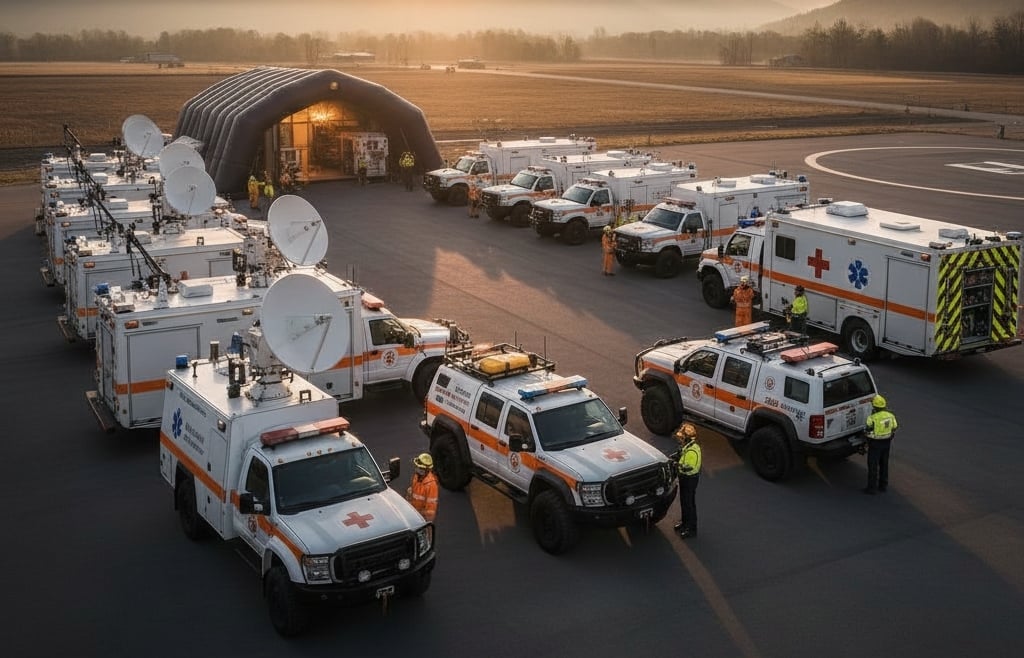
Ensure rapid disaster relief with ready-to-deploy vehicles,modular designs and skilled teams for faster,safer, and efficient emergency response operations.
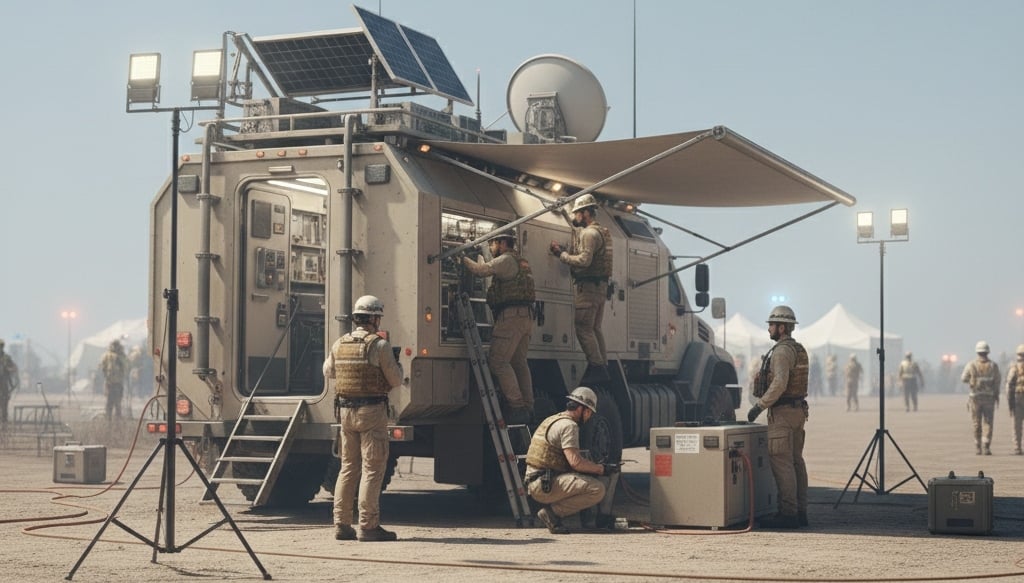
Maintain relief trailers in the field with daily checks, preventive care, and structured programs to ensure safety, reliability,mission-ready performance.
Discover reliable HVAC solutions for disaster relief vehicles. Efficient heating, cooling, and air filtration ensure comfort, safety, and equipment protection in any environment.
