
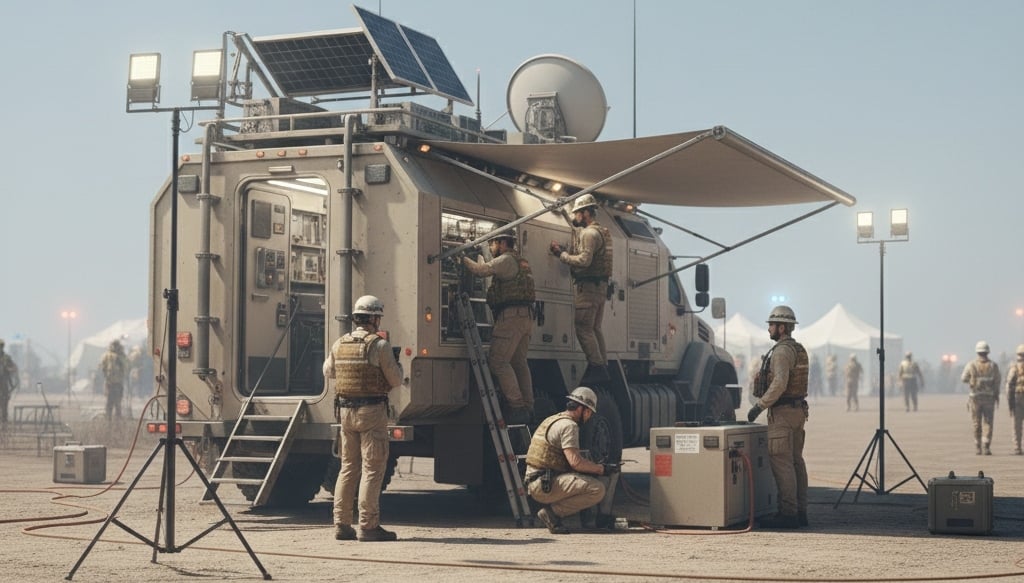
In emergency and disaster response operations, a relief trailer must perform reliably under harsh and unpredictable conditions. Whether being towed into remote locations or stationed for extended field deployment, these units are critical assets that support humanitarian and logistical efforts. Proper maintenance is a mission-critical enabler of safety, efficiency and readiness.
Studies indicate that in humanitarian fleet operations, more than 50% of the total cost of vehicles and trailers may go unoptimised if maintenance and lifecycle planning are not managed holistically. This suggests that trailers lacking structured inspection, servicing, and downtime-avoidance programs pose significant operational risks.
This guide explains how to maintain relief trailers through daily and routine checks so your equipment stays safe, reliable and ready for every mission.
Essential Knowledge Every Relief Trailer Operator Should Have
A relief trailer supports essential field tasks by carrying equipment, supplies, and dedicated systems that keep operations moving. Each component plays an important role, so a clear understanding of how the trailer works helps prevent delays, improve safety, and strengthen overall mission readiness. A well-informed team can respond faster and avoid problems that usually appear without warning.
Here’s what you should understand about your trailer and why this knowledge supports better performance in the field.
Key Components of Relief Trailer
Relief trailers include the chassis, suspension, hitch, brakes, electrical systems, power sources, interior storage, and sometimes HVAC or specialized equipment. Missing issues in any component can affect performance or safety.
Familiarize yourself with all key systems. Regularly inspect these areas to detect wear or damage early, keeping the trailer ready for deployment and reducing the risk of unexpected failures.
Trailer Types & Their Needs
Different trailer types, such as mobile medical units, communications trailers, or field support trailers, have unique maintenance needs. Ignoring these differences can result in ineffective operations or damaged equipment.
Identify the trailer type and tailor inspections and maintenance accordingly. Knowing specific needs ensures all systems are functional and supports smooth, efficient field operations.
Why Knowing Your Trailer Matters
Operators unfamiliar with their trailer may overlook minor issues that can become major problems in the field. Lack of knowledge can compromise safety, reliability, and mission readiness.
Invest time in learning the trailer’s layout, systems, and operation. Trained operators can quickly identify potential issues, perform routine maintenance efficiently, and keep the trailer fully mission-ready.
How to Prepare Your Relief Trailer Before Deployment
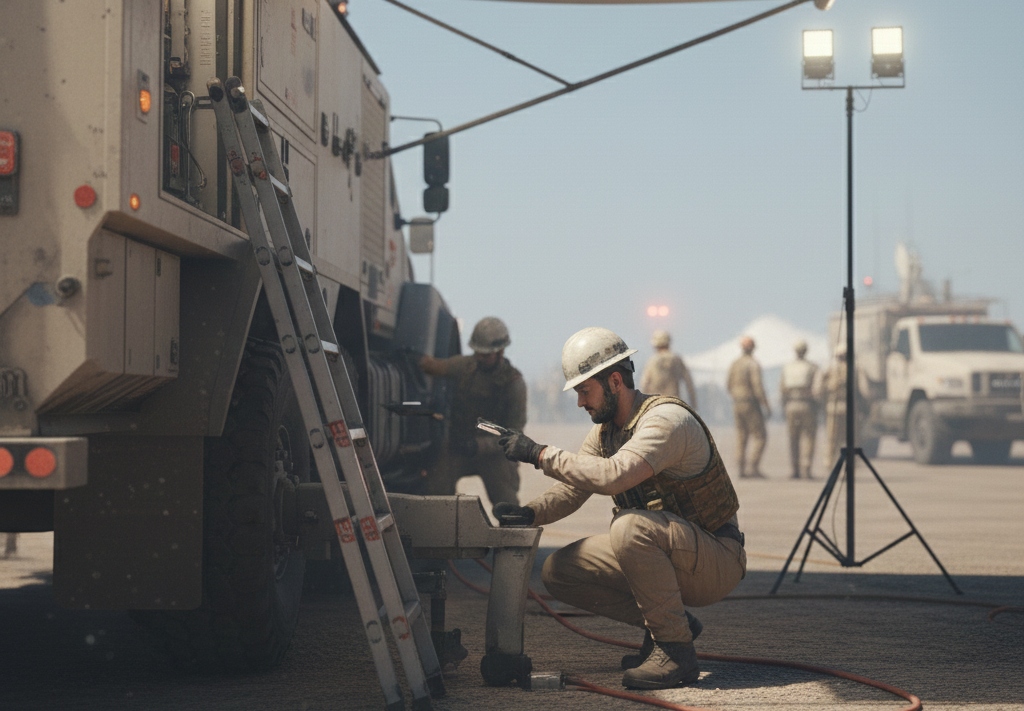
Before heading into the field, a relief trailer must be fully prepared. Regular pre-deployment checks ensure that the trailer operates safely and reliably. Taking the time to inspect key systems can prevent downtime, avoid costly repairs, and keep your team ready for any emergency that may arise during deployment and considerations for disaster response vehicle design.
Here are the checks to help you prepare the trailer properly and ensure it is ready for any field operation.
Visual Inspection
Check tires for proper pressure, tread wear, and any visible damage. Examine brakes and suspension for loose or worn components. Inspect the hitch and towing connections, as well as all lights and reflectors, to ensure they are functional. These steps help maintain safety and prevent issues during transport.
Power Systems Check
Ensure batteries are fully charged and connections are secure. Test the generator for smooth operation and confirm that fuel levels are adequate for the mission. Check backup power systems to make sure they can take over if the main power fails. Reliable mobile power generation is essential for uninterrupted field operations.
Interior & Equipment
Verify that all cargo is properly secured to prevent shifting during movement. Organize tools and equipment for easy access and efficiency. Inspect storage compartments to ensure doors close correctly and that no items are loose or damaged. A well-organized trailer saves time and reduces risk during deployment.
Safety Equipment
Confirm that fire extinguishers are charged and within reach. Check first aid kits to ensure they are complete and up to date. Make sure tie-downs, straps, and other emergency gear are in good condition. Proper safety equipment ensures your team is protected and prepared for unexpected situations.
Daily Maintenance for Reliable Field Performance
Daily maintenance keeps a relief trailer safe, reliable, and ready for operation. A few focused checks each day prevent minor issues from becoming major problems.
These are the essential areas to inspect and maintain during field deployment.
Tire & Suspension Checks
Check tire pressure every morning and inspect the tread for wear or damage. Examine suspension components and hitch connections for signs of stress or looseness. Regular attention to these areas ensures safe travel and prevents unexpected breakdowns while the trailer is in use.
Power System Monitoring
In industrial settings, studies show that organisations that use preventive maintenance have up to 44% less downtime than those that rely on reactive fixes.
If batteries, generators, or backup systems are ignored, you may experience sudden power failures in remote environments.
Check battery charge levels, test the generator, verify wiring connections, and confirm that backup systems are ready to stand by. Daily power monitoring ensures continuous field operation.
Interior & Exterior Cleaning
Remove dust, mud, and debris from inside and outside the trailer. Inspect surfaces and equipment for any signs of wear, damage, or corrosion. Keeping the trailer clean supports both safety and longevity of equipment and materials.
Maintenance Log
Record any observations, repairs, or anomalies in a maintenance log. This provides accountability, helps track recurring issues, and ensures that small problems are addressed before they escalate. A clear log supports smooth field operations.
Weekly Maintenance That Supports Reliable Performance
Weekly checks help catch issues that daily inspections might miss. These periodic maintenance tasks ensure the trailer stays fully functional, reliable, and ready for longer deployments.
Here’s what you have to review and maintain each week.
Lubrication & Moving Parts
Apply lubrication to hinges, jacks, slide-outs, and other moving components. Proper lubrication reduces wear, prevents squeaking, and ensures smooth operation of doors, ramps, and equipment during deployment.
Frame & Undercarriage Inspection
Examine the frame and undercarriage for cracks, corrosion, loose bolts, or weld issues. Early detection of structural problems prevents major failures and keeps the trailer safe during transit or deployment.
Electrical & Power Systems Testing
Inspect wiring, connectors, and grounding for wear or damage. Test the generator and power systems to confirm consistent operation. This ensures all electrical systems function reliably in the field.
Interior Equipment & Storage Check
Verify that all tools, equipment, and modular interiors are secure and in working order. Check storage compartments for any loose items or damage. Well-maintained storage prevents equipment loss or operational delays.
Minor Repairs
Replace worn parts or tighten loose fittings before they become larger problems. Addressing small repairs promptly saves time, reduces downtime, and maintains the trailer’s readiness for immediate deployment.
Creating an Effective Maintenance Program
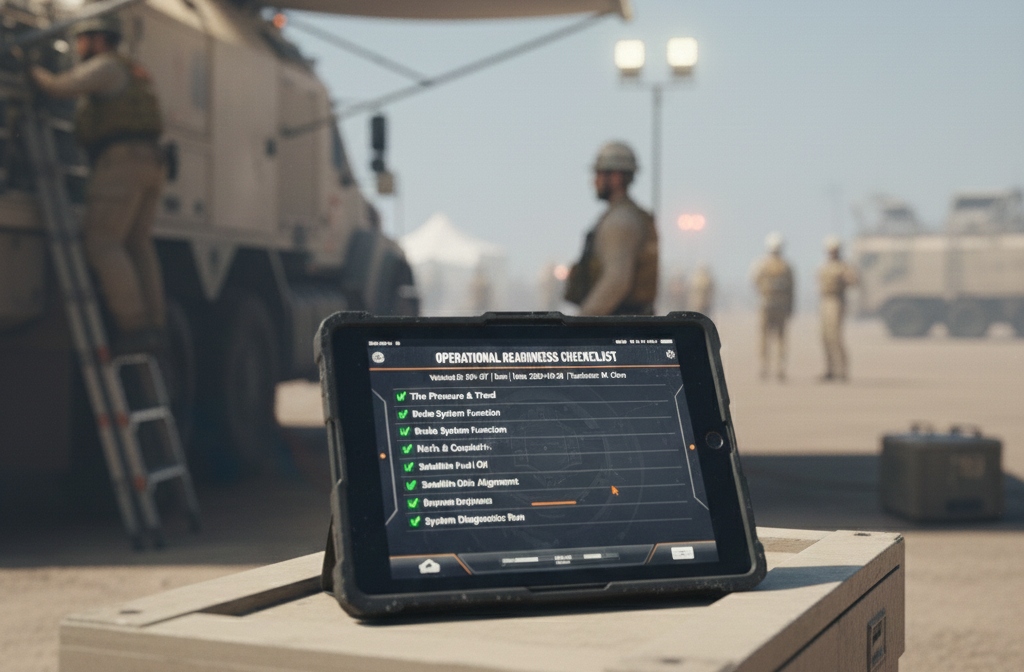
A structured maintenance program ensures a relief trailer stays reliable, safe, and ready for any deployment. Without a clear routine, small issues can escalate into costly repairs or downtime. Establishing scheduled inspections, proper documentation, and defined responsibilities helps operators maintain equipment efficiently and ensures the trailer remains in peak condition throughout its service life.
Here are the steps to help you create a maintenance program that supports smooth, dependable field operations.
Scheduled Inspections
Regular inspections can be overlooked without a proper schedule. Missing routine checks may lead to unnoticed wear, loose components, or failing systems, all of which can compromise safety and readiness in the field.
Research shows that assets managed under preventive maintenance programs experienced significant improvements in reliability and operational availability.
Creating a clear schedule for daily, weekly, monthly, and seasonal checks ensures all systems are consistently reviewed. Written routines guide operators and help prevent skipped inspections, keeping the trailer fully operational.
Maintenance Logs
Tracking maintenance activities can be inconsistent, especially during deployments. Without proper documentation, recurring issues may go unnoticed, making accountability difficult.
Keeping a maintenance log, either digital or paper-based, records inspections, repairs, and anomalies. Logs provide a reference for trends, help plan preventive maintenance, and ensure accountability among team members.
Responsibility Assignment
Unclear roles may result in overlapping work or missed tasks. If operators and technicians are unsure of responsibilities, critical maintenance can be delayed, affecting readiness.
Assigning clear roles for inspections, repairs, and reporting ensures all maintenance tasks are completed reliably. Each team member knows their duties, reducing errors and maintaining operational efficiency.
Preventive Measures
Minor problems can escalate into serious failures if left unaddressed. Failing to act on small signs of wear or damage increases downtime and repair costs.
Using logs and inspection results to identify potential issues allows proactive repairs and replacement of parts before failure. Preventive measures save time, reduce costs, and improve trailer reliability.
Staff Training
Operators may lack the knowledge to identify or fix small issues, increasing the chance of breakdowns. Insufficient training affects safety and efficiency.
Providing structured training on daily checks, minor troubleshooting, and emergency protocols equips staff to handle problems effectively. Trained personnel ensure the trailer remains safe and ready for every mission.
Creating an Effective Maintenance Program
A relief trailer performs best when maintenance is consistent and organized. Without a clear program, small issues can escalate into costly repairs or operational delays. A structured plan with scheduled inspections, proper logs, assigned responsibilities, preventive measures, and trained staff keeps the trailer reliable, safe, and ready for any deployment, while ensuring downtime is minimized and operational efficiency remains high.
These steps help you build a maintenance program that supports dependable performance in the field.
Scheduled Inspections
Skipping routine checks can allow minor problems, like loose bolts or low fluid levels, to go unnoticed. Over time, this can affect trailer performance and safety in the field.
Establish daily, weekly, monthly, and seasonal inspection routines. Clearly defined schedules guide operators through essential checks, ensuring every component is reviewed regularly and potential issues are caught early.
Maintenance Logs
Without proper documentation, recurring issues may be overlooked, and accountability can become unclear. This can make troubleshooting difficult and reduce trailer readiness.
Maintain logs in paper or digital format to record inspections, repairs, and observations. Logs provide a clear record for future reference, help identify trends, and support consistent maintenance practices.
Responsibility Assignment
Unclear roles can result in missed tasks or duplicate work, leaving important maintenance undone. This reduces reliability and increases the risk of failure during deployment.
Assign specific responsibilities to operators, technicians, and supervisors. Clearly defined roles ensure each task is completed efficiently, improve accountability, and keep the trailer operational at all times.
Preventive Measures
Neglecting small signs of wear or minor malfunctions can lead to bigger failures, costly repairs, and unexpected downtime.
Use logs and inspection feedback to plan preventive maintenance. Addressing potential issues early, such as replacing worn parts or tightening loose fittings, keeps the trailer in peak condition and prevents mission delays.
Staff Training
Operators may not recognize early warning signs or know how to perform basic maintenance, which can lead to operational problems.
Provide training on daily checks, minor troubleshooting, and safety protocols. Well-trained staff can identify and address small issues before they escalate, maintaining safety, readiness, and overall trailer reliability.
Choosing Durable Materials & Design Considerations
A well-built relief trailer withstands harsh conditions and reduces maintenance demands. Poor material choices or designs can lead to corrosion, equipment damage, and operational delays. Selecting durable materials and planning for maintenance from the start ensures long-lasting performance, more straightforward repairs, and safer operations. The right design supports reliability and efficiency and keeps teams focused on their mission, not on trailer issues.
Here are the design considerations that support a trailer built for strength, durability, and easier maintenance in the field.
Corrosion & Weather Resistance
Trailers are exposed to rain, mud, dust, and extreme temperatures, which can cause rust, deterioration, or equipment failure. Corrosion can weaken structural components and affect safety.
Use metals and coatings that resist rust and weather damage. Fireproof panels, UV-resistant finishes, and protective treatments prolong trailer life, maintain appearance, and ensure all systems remain functional in any environment.
Modular Interiors for Maintenance
Complex interiors can make inspections and repairs difficult. Fixed components or poorly labeled wiring may slow down maintenance, causing delays during critical operations.
Design interiors with modular layouts, labeled wiring, and easily removable panels. Modular storage and equipment bays allow quick access for inspections, repairs, and upgrades, keeping the trailer ready for immediate deployment.
Maintenance-Friendly Build
Some trailers require disassembly or specialized tools for basic servicing, increasing downtime and operational challenges.
Incorporate service panels, accessible key systems, and Craftsmen Industries’ design approach for maintenance-friendly builds. Easy access reduces service time, allows field repairs, and keeps the trailer operational, even during extended missions.
Safety and Compliance Guidelines for Relief Trailers
Relief trailers must meet strict safety and regulatory standards to protect crews and equipment. Failing to follow rules or skipping safety checks can result in accidents, damage, or legal issues. Ensuring compliance and maintaining operational safety helps teams work confidently in the field while reducing risk during every deployment.
These safety and compliance areas help you maintain a reliable and field-ready trailer.
Regulatory Requirements
Trailers that exceed towing limits or fail to meet DOT or OSHA standards can face penalties and operational restrictions. Non-compliance may compromise safety during transit or field use.
Follow towing regulations, DOT guidelines, and OSHA safety requirements. Regularly review compliance updates to ensure trailers meet standards and protect both operators and the mission’s integrity.
Safety Checks
Neglecting essential checks, such as brakes, lights, or fire suppression systems, increases the risk of accidents and equipment failure.
Perform regular inspections of all safety systems. Test lights, brakes, tie-downs, and emergency equipment before each deployment to ensure the trailer is fully operational and safe for field use.
Operator Safety
Operators face risks if they are untrained or fail to secure trailers on uneven terrain. Poor preparedness can lead to accidents or equipment damage.
Provide proper training on trailer operation, securing methods, and emergency procedures. Ensuring operators are prepared reduces accidents, protects personnel, and keeps the trailer and its cargo safe under all field conditions.
Keep Your Operations Strong with Reliable Relief Trailer
Regular maintenance is key to keeping relief trailers reliable, safe, and ready for any mission. Consistent checks, timely repairs, and structured routines extend the trailer’s life while preventing downtime and avoidable issues. A clear maintenance program also helps operators work with confidence and ensures every deployment runs smoothly.
If you need a trailer that performs in demanding conditions and is easy to maintain in the field, reach out to Craftsmen Industries. Our team can help you design or upgrade a trailer that meets your mission needs and provides your crew with the support they rely on when it matters most.
Contact us now to discuss a solution that keeps your operations ready for every mission.
Frequently Asked Questions
What type of spare parts should teams carry during field deployment?
Teams should keep essential spares, including extra fuses, light bulbs, tyre repair kits, replacement straps, basic tools, and spare batteries. These items help resolve small issues quickly without delaying operations.
How long does a well-maintained relief trailer typically last?
The lifespan varies based on usage, environment, and care. Trailers that receive consistent inspections and preventive maintenance often remain reliable for many years, while those exposed to harsh environments without proper upkeep may wear down much faster.
What are the signs that a relief trailer needs immediate servicing?
Warning signs can include unusual noises during towing, uneven tire wear, flickering lights, weak generator output, loose panels, or visible corrosion. Addressing these indicators early helps prevent larger failures.
Are there specific storage practices for trailers when not in use?
Stored trailers should be kept on level ground, covered when possible, and protected from moisture. Tires should be inflated, batteries disconnected or maintained, and all systems checked before returning the trailer to service.
What is the most common issue operators miss during field deployments?
Operators often overlook early signs of loose or worn components, especially around the hitch, suspension, and electrical connections. These small issues can grow quickly if they are not addressed. A quick visual check at the start and end of each day helps catch these problems early and keeps the trailer safe and ready for use.
Filter Posts by Tag
related posts
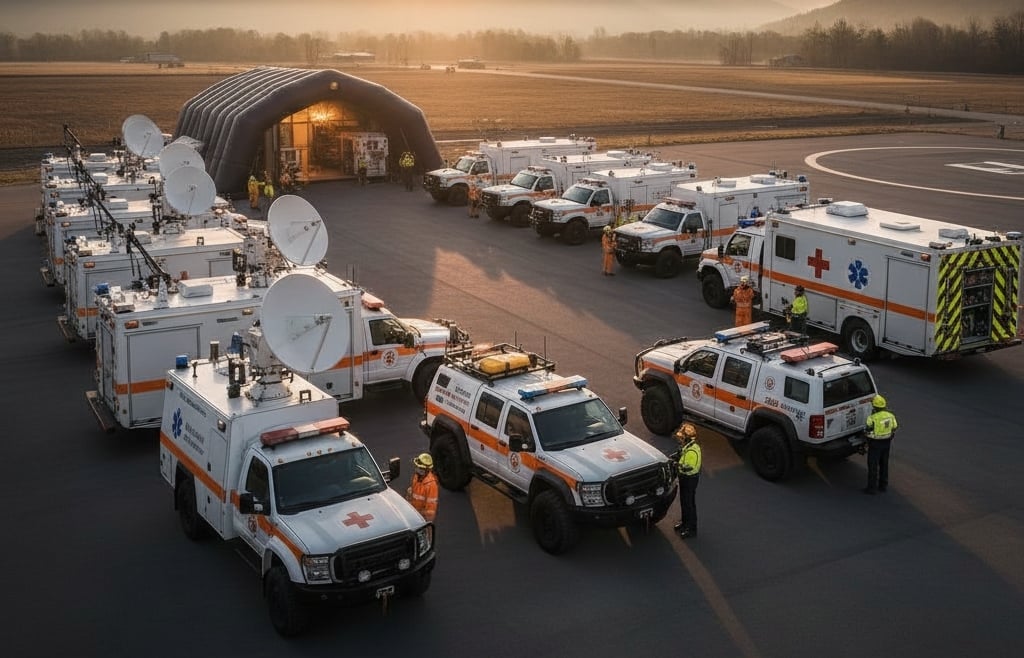
Ensure rapid disaster relief with ready-to-deploy vehicles,modular designs and skilled teams for faster,safer, and efficient emergency response operations.
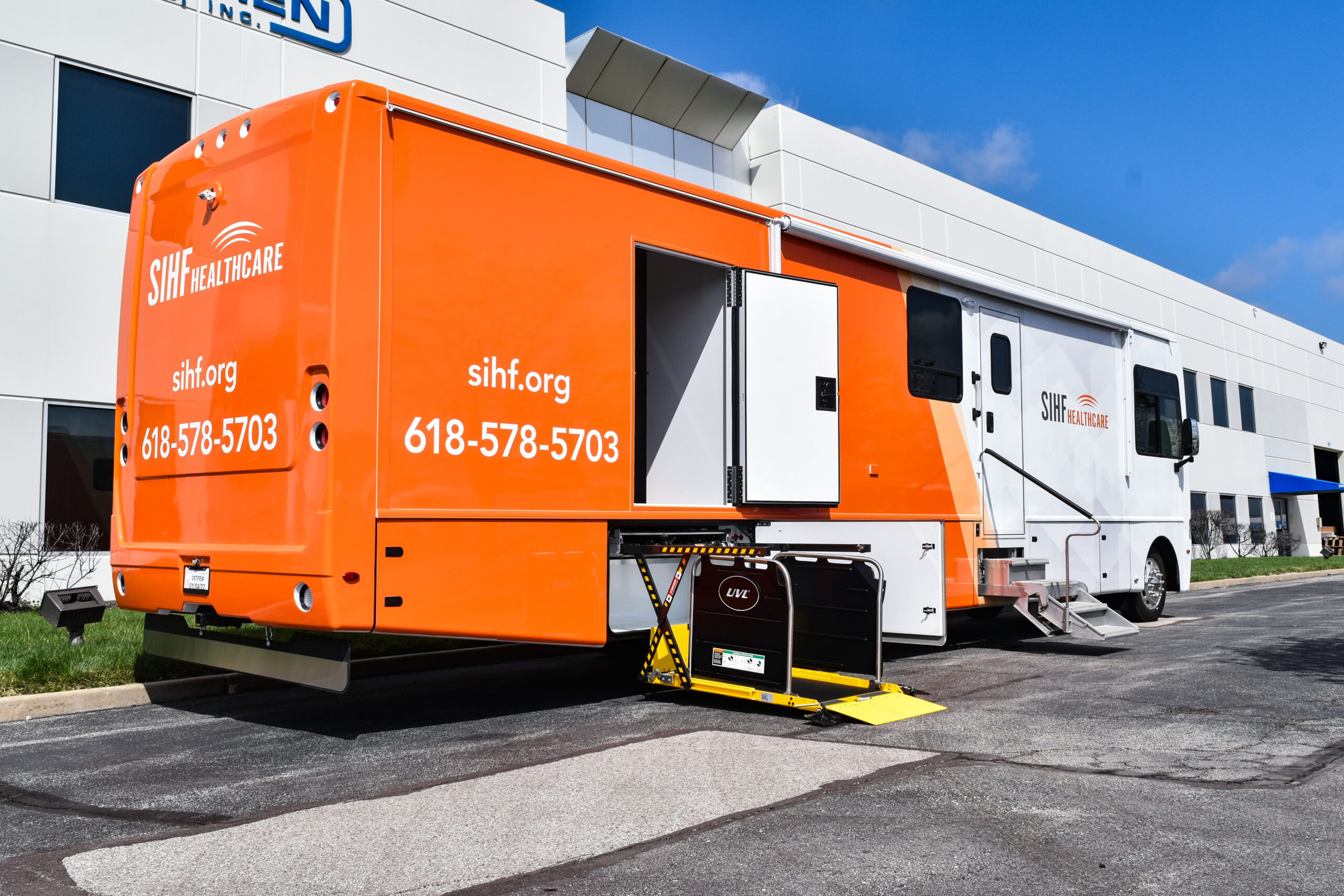
Mobile healthcare units play a key role in disaster response, bringing triage, treatment, and critical support to communities when traditional infrastructure is disrupted.
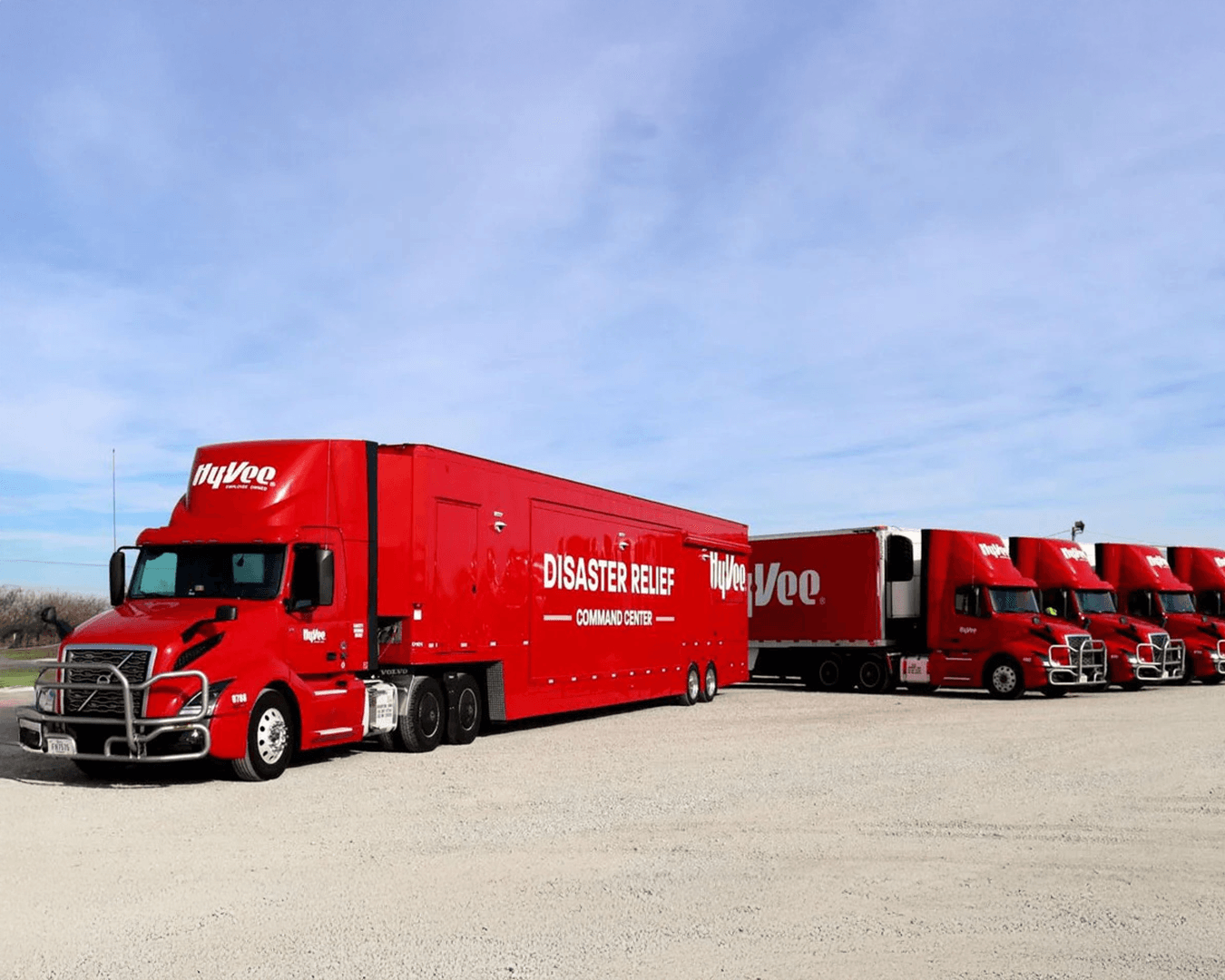
Explore the top design considerations for disaster response vehicles, including power systems, communication tools, durability, and efficient interior layouts.
