
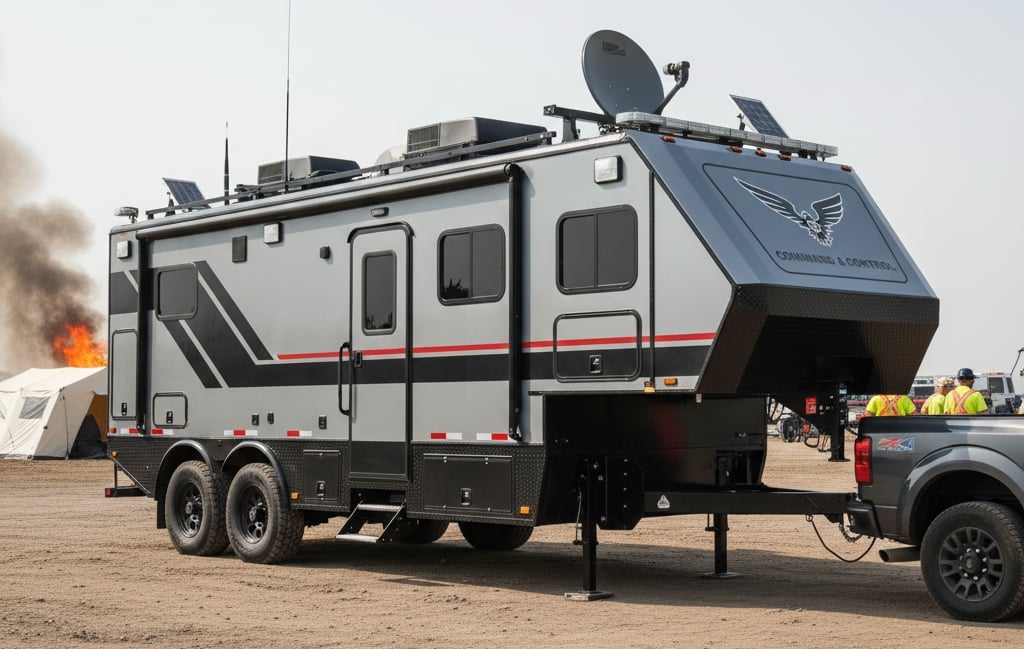
Selecting the proper chassis and suspension options is crucial for attaining actual performance in any mobile command trailer. From protecting sensitive equipment during long transports to ensuring on-site stability for your operations team, these foundational components directly influence how well your trailer handles the demands of every mission.
A recent study found that the damping characteristics of a base-chassis suspension define the reliability of road/wheel contact, as well as the load-carrying capacity, in heavy-duty vehicles. Understanding your choices not only safeguards your investment but also keeps your crew ready for action, no matter where duty calls.
The Demands of Mobile Command Operations
Understanding what mobile command center trailers face in the field helps clarify why chassis and suspension decisions are so critical.
Mission-Driven Payloads
Every command trailer is different, but they all share one commonality: the need to transport a mix of heavy and sensitive equipment. Communication racks, onboard computers, HVAC units, and support tools quickly add weight, creating unique distribution challenges. When planning a trailer build, it’s vital to account for both static and dynamic loads to avoid overtaxing the frame or suspension.
Diverse Deployment Environments
A mobile command unit rarely sits in one place for long. It may need to navigate busy city streets, roll onto gravel at a utility repair site, or park on uneven ground at an emergency scene. Each setting presents its own unique challenges, ranging from sharp turns and curbs to potholes and steep access roads.
The System Assessment and Validation for Emergency Responders (SAVER) highlights that mobile command vehicles are designed to support on-scene operations across varied environments, reinforcing the need for robust mobility and setup capabilities.
Uptime, Safety, and Performance
Equipment downtime can delay response and reduce team effectiveness. A solid foundation ensures sensitive electronics arrive intact, while a stable work platform keeps staff safe and productive. The right build is an investment in both operational reliability and crew well-being.
What are the key factors that impact mobile command trailer demands in the field?
Payload weight, the type of equipment carried, and the environment in which the trailer will be deployed all play a significant role. Considering these factors during planning ensures that your trailer meets your operational needs and withstands real-world conditions.
Chassis Engineering: The Backbone of Stability
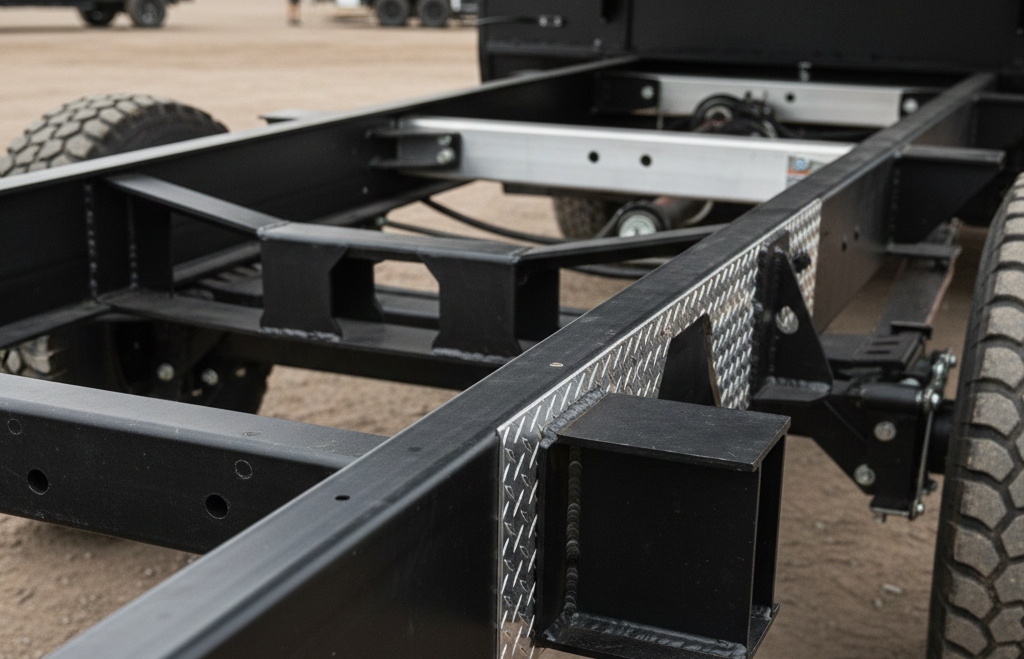
A mobile command trailer’s chassis is more than just a supporting frame; it sets the tone for the entire build and plays a decisive role in long-term performance.
Frame Types and Materials
The choice of frame material directly impacts durability, maintenance, and the amount of gear your trailer can safely carry. Steel is widely used for its strength and resilience, especially in large or heavily equipped trailers. Aluminum offers the advantage of lighter weight, which can boost payload capacity and improve towing efficiency.
Axle Positioning and Tongue Design
Proper axle placement is crucial for achieving balanced weight distribution and ensuring predictable towing. Well-positioned axles help prevent sway and reduce stress on both the chassis and the tow vehicle. The tongue length also matters; longer tongues can make trailers easier to maneuver, while shorter tongues may be more suitable for compact urban deployments. Thoughtful design at this stage pays dividends every time the trailer goes on the road.
NHTSA’s towing guidance warns explicitly that too little tongue weight promotes sway and underscores the role of weight-distribution hitches in restoring front-axle load for steering stability
Supporting Payloads and Extending Service Life
A well-built chassis does more than just support weight. Reinforced cross-members and carefully selected couplers contribute significantly to the structural integrity, particularly under heavy loads or in rugged environments. Features like corrosion-resistant finishes and protected wiring channels keep maintenance low and uptime high. These choices all serve one goal: keeping your trailer operational and reliable for years to come.
What’s the most important chassis feature for long-term reliability?
Choosing a frame material and design that matches your operational demands is crucial. Reinforced steel frames with proper coatings offer unmatched longevity for most applications, while aluminum frames are best suited to lighter builds and environments where corrosion is a primary concern.
Comparing Suspension Technologies
Selecting the right suspension system is crucial for both protecting your valuable equipment and ensuring a smooth journey for your mobile command trailer.
Leaf Spring Suspensions
Leaf spring systems have long been the standard for utility and commercial trailers. They are valued for their straightforward design and ability to handle significant weight. This makes them ideal for builds that must reliably carry heavy or uneven loads across rough surfaces. Maintenance is simple and parts are readily available, which helps keep downtime to a minimum.
Torsion Axle Systems
Torsion axles utilize flexible rubber cords to provide a cushioned ride. This style is handy for trailers carrying sensitive electronics or high-value gear. Torsion axles minimize vibration and noise, providing a more stable environment inside the trailer. They are also self-contained, which reduces the number of moving parts and streamlines routine service.
Air Ride Suspension
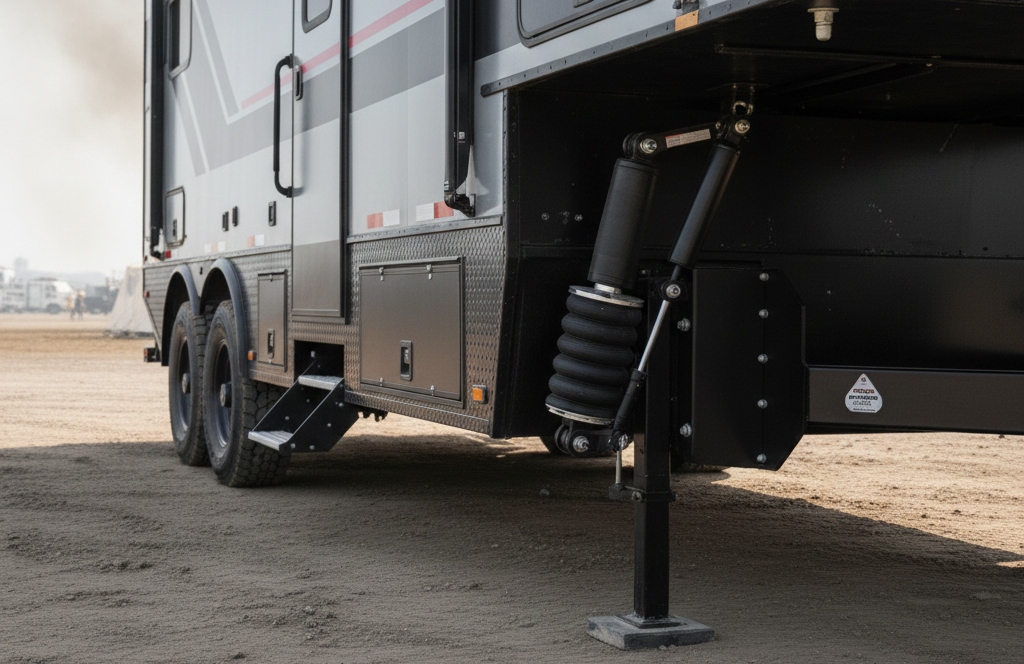
Air-ride suspensions offer an elevated level of ride quality, making them a smart choice for heavier trailers or those that frequently travel long distances. The air bag system absorbs bumps and dips in the road, helping to keep equipment safe and reducing wear and tear on the chassis. Air ride systems can also allow for ride height adjustments, which is helpful when loading or parking on uneven terrain.
Independent and Off-Road Suspensions
Independent suspension systems excel in environments where road conditions are less predictable and consistent. They allow each wheel to move independently, which improves traction and stability over rugged or uneven ground. For units expected to handle off-road deployment or repeated trips over construction sites, independent suspensions can be a worthwhile upgrade for both protection and comfort.
Is it possible to combine suspension systems for unique deployment needs?
Yes, some mobile command trailers are designed with hybrid or modular suspension setups. This allows for the benefits of air ride or torsion axles to be combined with the durability of leaf springs or the articulation of independent systems. Consulting with a specialized builder is the best way to determine the right combination for your mission profile.
Matching Suspension to Mission and Terrain
Every command trailer operates in its own unique environment, which means suspension choices should be tailored to the specific way and location where the trailer will be used.
Urban and Highway Deployments
Teams working primarily in cities or on paved roads often benefit from torsion axles or air ride suspensions. These systems provide a smooth and quiet ride, which is crucial for protecting electronics and minimizing crew fatigue during extended periods of driving. Lower ride heights can also make it easier to access tight loading zones and parking spaces.
Rural and Mixed Surface Operations
When missions routinely cross both paved and gravel roads, leaf spring suspensions with reinforced equalizers offer a dependable solution. This approach strikes a balance between ruggedness and versatility, ensuring the trailer can withstand the shock of potholes or uneven surfaces without compromising cargo safety.
Off-Road and Remote Response
For deployments into areas where pavement ends, independent suspension systems become essential. These allow each wheel to react separately to rocks, ruts, and dips, maintaining stability even when the terrain is unpredictable. Air-ride options with adjustable height are also valuable here, allowing teams to clear obstacles and set up quickly once on site.
What should I prioritize if my trailer will be used on both city streets and off-road sites?
Flexibility is key. Look for suspension systems that offer adjustability or modular upgrades. Air-ride suspensions with manual height adjustment, or a reinforced leaf-spring setup, offer versatility across various environments without compromising safety or ride quality.
Braking, Sway Control, and On-Road Confidence
A stable, responsive trailer is essential for safe operation and the protection of valuable equipment. The right braking and sway control systems make all the difference when you’re hauling a mobile command unit.
Braking Systems Built for Heavy Loads
Mobile command trailers often tip the scales with their equipment and supplies. Electric over hydraulic disc brakes are a standard solution for these heavier builds, delivering the kind of consistent, reliable stopping power that instills confidence. Properly tuned brake systems not only keep your crew safe but also help protect onboard electronics from sudden jolts during hard stops.
Sway Control and Weight Distribution
Even the best trailer can become challenging to manage if sway isn’t under control. Sway control devices and weight distribution hitches work together to improve stability, especially at highway speeds or in windy conditions. These systems help distribute the load evenly, reduce driver fatigue, and prevent dangerous situations that can arise from unexpected movement.
Optimizing for Performance
The combination of robust brakes and effective sway control ensures your trailer handles predictably, regardless of road conditions or weather. It also reduces wear on both the trailer and tow vehicle, protecting your investment for the long run.
What should I look for in a sway control system for a mobile command trailer?
Look for systems that are adjustable and rated for your trailer’s maximum weight. The best sway control devices enable fine-tuning to match varying payloads, thereby maintaining stability across a wide range of conditions. Consulting with a trailer specialist ensures you choose the right system for your specific build and operational needs.
Leveling and On-Site Stabilization
A mobile command trailer needs more than just good suspension for reliable performance. Stability on location is essential for both crew safety and the protection of sensitive equipment.
The Role of Stabilizer Jacks and Landing Gear
Setting up on uneven or soft ground requires dependable stabilizer jacks and landing gear. These components enable your team to quickly level the trailer, creating a stable workspace and minimizing unnecessary movement within. Heavy-duty jacks are essential for larger command trailers with heavy or unevenly distributed loads.
Leveling Systems for Any Terrain
Both automatic and manual leveling systems have a place in modern trailer builds. Automatic systems accelerate deployment and minimize the risk of human error, while manual options offer hands-on control for precise adjustments. Either way, a well-leveled trailer minimizes stress on the frame and interior fixtures, preserving your investment over time.
Enhancing Crew Comfort and Equipment Safety
A steady trailer ensures sensitive electronics function optimally and helps prevent staff fatigue from working long hours on-site. Stable footing also simplifies loading and unloading, reducing the risk of accidents or equipment damage.
How do I choose between automatic and manual leveling systems for my mobile command trailer?
Consider the typical environments where your trailer will be set up, your budget, and the need for rapid deployment. Automatic systems offer the most convenience, especially for teams that frequently relocate or operate in challenging environments. Manual leveling may be suitable for smaller teams or trailers that rarely operate on unpaved surfaces.
Protecting Electronics from Vibration and Shock
Sensitive technology inside a mobile command trailer needs more than a strong shell; the right protection from vibration and shock is essential to keep everything operating at its best.
The Risks of Vibration on Sensitive Equipment
Constant vibration from rough roads, frequent travel, or off-road access can jeopardize everything from servers to radio repeaters. Over time, this exposure leads to hardware failures, disrupted data streams, and shortened equipment lifespan. Recognizing these risks early helps you plan effective solutions from the outset, during the build stage.
Suspension and Interior Isolation Solutions
Choosing a suspension system with strong vibration dampening, such as torsion axles or air ride, creates a smoother ride, which is a first line of defense for onboard technology. Inside the trailer, isolating electronics on cushioned rack mounts, installing shock-absorbing mats, and reinforcing mounting points provide another level of protection. Even tire selection and proper inflation make a difference, further limiting vibration transfer to sensitive areas.
Long-Term Payoff
Investing in vibration control reduces unplanned downtime and maintenance costs. It also means fewer headaches during missions, with reliable electronics you can trust every time you deploy.
Are there specific rack mounting systems that are most effective for reducing vibration in mobile command trailers?
Yes, look for rack systems rated for mobile or military use, which include built-in shock absorption features. Modular racks with cushioned bushings or rubber isolation pads can significantly limit the amount of vibration that reaches your critical electronics.
Start Your Next Mission on Solid Ground
Every detail in your mobile command trailer matters, from the strength of the chassis to the sophistication of the suspension. With the right combination, your team is better equipped for any deployment, confident that both equipment and crew are protected.
Craftsmen Industries stands ready to help you turn operational requirements into reliable, high-performance solutions. Reach out today to schedule a consultation, get expert advice, or request a custom quote.
Let’s build the foundation that keeps your mission moving forward!
Frequently Asked Questions
What is the typical lifespan of a suspension system on a mobile command trailer?
A well-matched suspension system can last anywhere from 7 to 10 years or more, depending on the frequency of trailer use, the types of terrain encountered, and the level of attention given to regular inspections and maintenance. Maintaining basic care is the best way to extend the lifespan and ensure safe performance.
Can switching axle spacing improve ride and stability on a command trailer?
Yes, adjusting axle spacing can make a noticeable difference in weight distribution, handling, and ride comfort. Tighter spacing helps share loads on rough surfaces, while wider spacing provides more lateral stability at highway speeds. Both should be optimized along with the suspension type for best results.
Do tire size and rating impact the effectiveness of chassis and suspension selection?
Absolutely. The right tire size and rating help absorb road impacts, evenly distribute loads, and support the overall performance of your chassis and suspension. Using tires that are too small or not rated for your trailer’s weight can lead to reduced ride quality and even premature component failure.
What are the signs that a mobile command trailer’s chassis might need reinforcement before choosing a premium suspension?
Watch for issues like visible frame sagging or twisting, uneven tire wear, excessive bounce, or recurring problems with axles and hangers. If you notice any of these, it’s essential to address chassis integrity first before investing in an upgraded suspension system.
Filter Posts by Tag
related posts
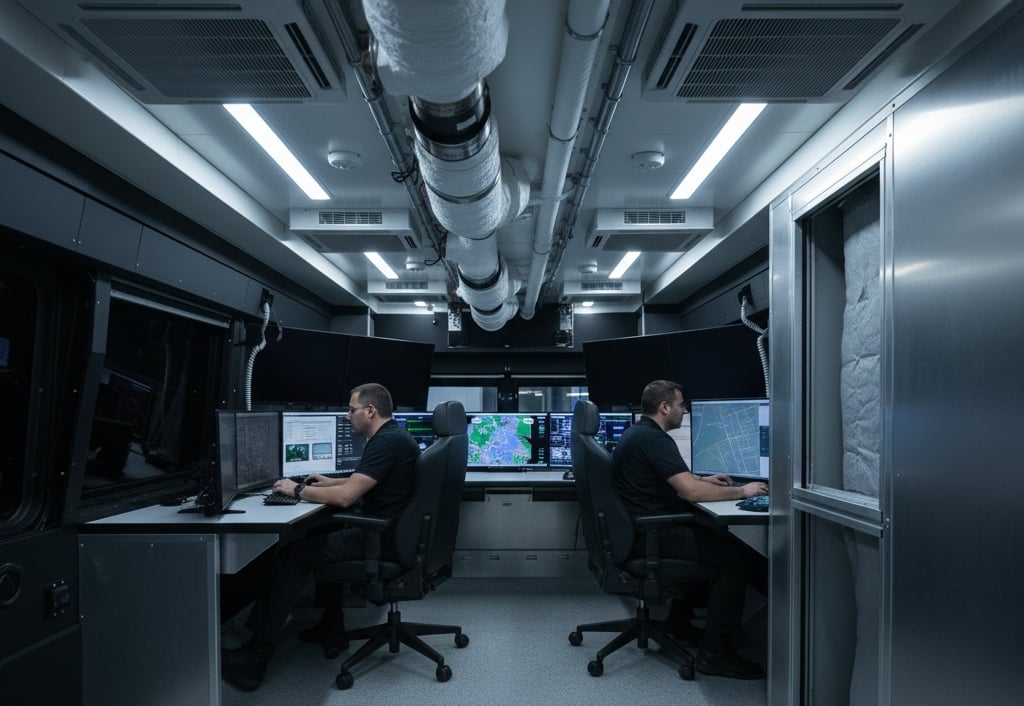
Optimize performance and durability in mobile command centers with smart material choices. Balance strength, weight, and protection for mission-ready efficiency.
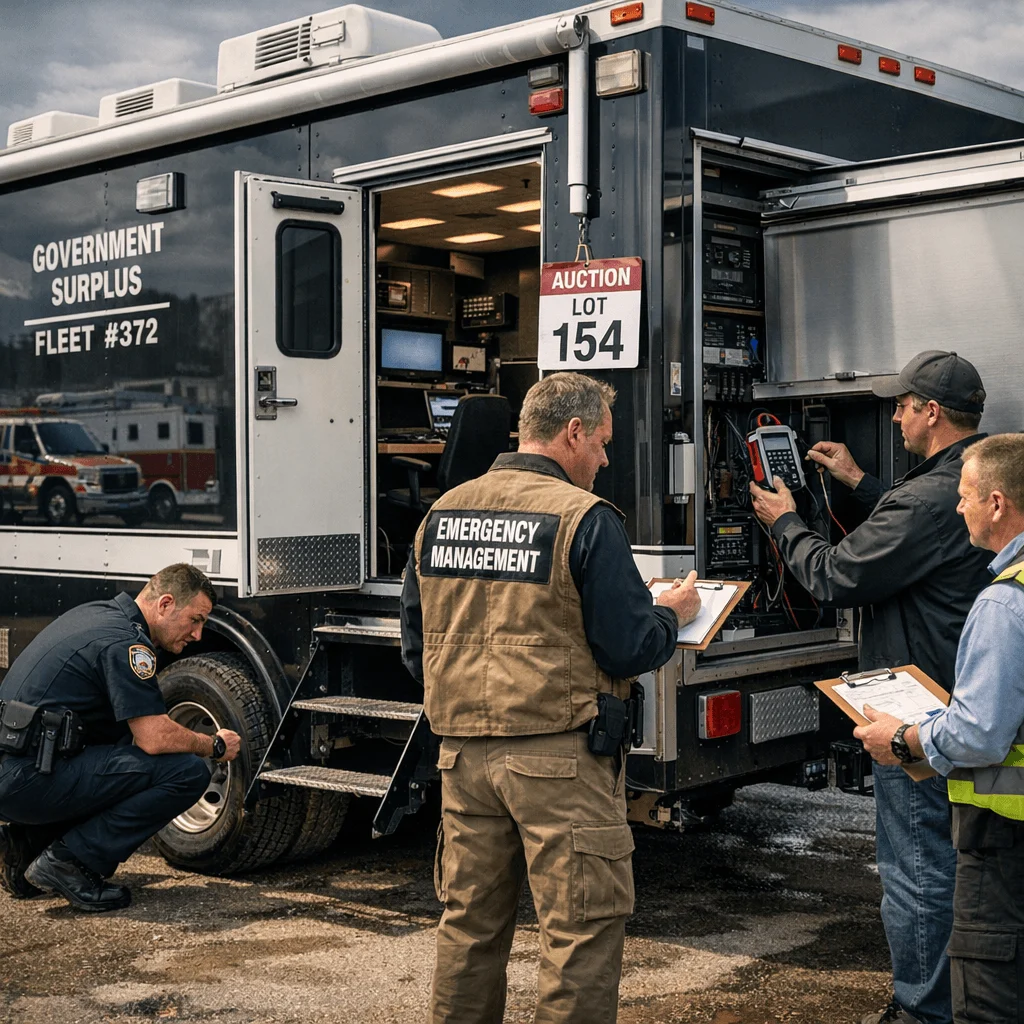
A used mobile command center is a previously deployed, [...]
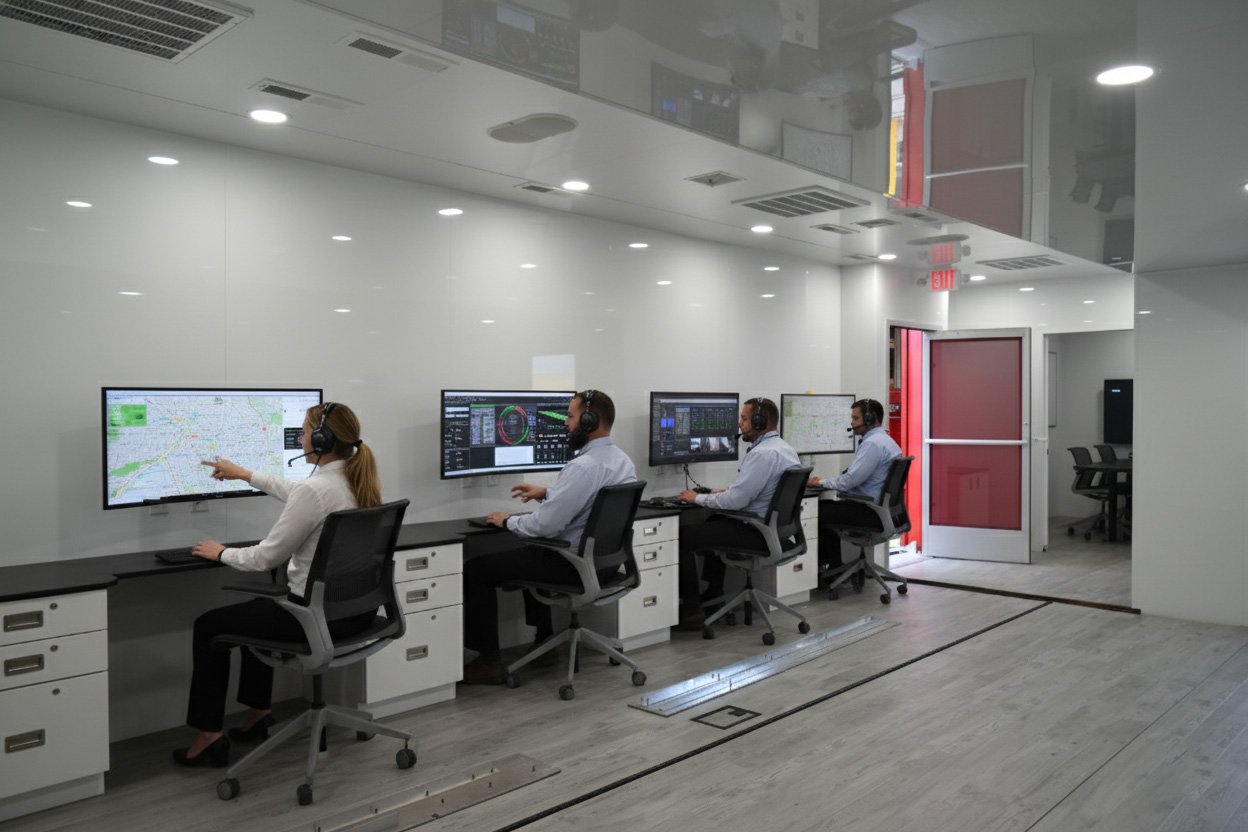
Enhance mobile command units with AV and collaboration technology for secure communication, real-time data sharing, immersive decision-making, and team efficiency.
