
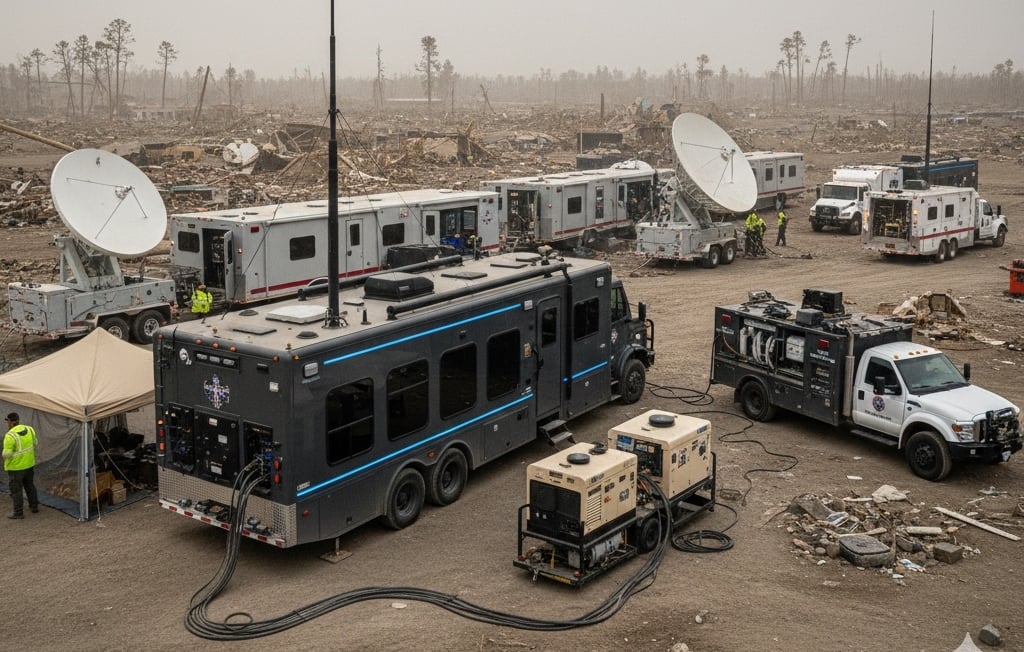
Disaster relief vehicles and trailers are purpose-built mobile units that deliver emergency assistance, communication, and logistical support where infrastructure has collapsed. These specialized assets serve as mobile command centers, clinics, kitchens, and shelters, enabling first responders to act fast and efficiently during natural disasters or humanitarian crises.
FEMA’s 2022 National Preparedness Report found that 92% of communities identified at least one climate-related natural hazard as the most stressful to their capabilities. The U.S. experienced 20 billion-dollar weather and climate disasters in 2021, underscoring the need for self-sufficient, field-ready mobile assets in the first hours and days of response.
This guide explains how design, power systems, mobility, and sustainability combine to create mission-ready relief vehicles that perform reliably in the most demanding conditions.
The Role of Disaster Relief Vehicles in Emergency Response
Disaster relief vehicles act as the backbone of mobile response systems. Their ability to reach devastated areas, operate off-grid, and deliver essential services turns them into lifelines for affected communities. These vehicles provide critical support where permanent infrastructure is damaged, functioning as mobile command centers, clinics, kitchens, and shelters that sustain operations in the most challenging conditions.
The Heart of Rapid Response
These specialized vehicles enable emergency teams to deliver supplies, provide medical care, and coordinate operations directly from the field. A well-designed unit must balance versatility, endurance, and reliability, allowing responders to act within minutes of arrival.
The United Nations Office for Disaster Risk Reduction (UNDRR, 2022) notes that early assessment and preparedness systems enable timely action that minimizes harm to people, assets, and essential services during disasters. This principle mirrors the purpose of mobile relief vehicles, enabling first responders to establish immediate command and operational support when every second counts.
What differentiates a disaster relief vehicle from a regular emergency vehicle?
A disaster relief vehicle is a self-sustaining mobile unit for multi-day, multi-purpose field operations, including medical care, coordination, and logistics. In contrast, standard emergency vehicles such as ambulances or fire trucks perform single-function, short-duration missions within established infrastructure.
Building for Harsh Conditions: Strength and Mobility First
The strength of every disaster relief vehicle begins with how it’s built. These units must endure constant movement, rugged terrain, and harsh environments, all while protecting personnel, equipment, and critical cargo. When communities are cut off and roads are damaged, structural integrity becomes the difference between reaching those in need and being stopped in the field.
Reinforced Chassis and Durable Frame Construction
The core of the vehicle lies in its frame materials. Reinforced steel or aluminium chassis designs provide the strength to handle high loads and extended missions. Subframes distribute weight evenly, reducing strain and extending the vehicle’s lifespan. This design approach ensures the unit stays functional even after repeated deployment in extreme conditions.
All-Terrain Suspension and Tires
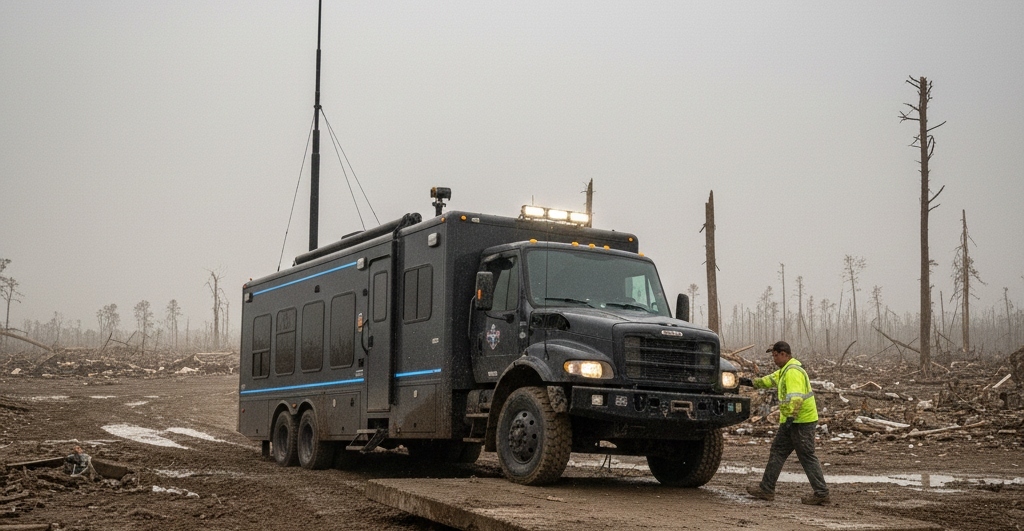
To navigate unpredictable terrain, relief vehicles are fitted with advanced suspension systems and heavy-duty tires. These components help maintain stability and traction through mud, gravel, snow, and debris. The car remains mobile and safe whether on flooded streets or mountainous regions.
Weatherproof Materials and Sealed Construction
All exterior surfaces are designed to resist corrosion, wind, rain, and heat. Sealed seams, protective coatings, and rust-proof hardware ensure the unit performs reliably in all climates. This protection level keeps the structure and internal systems safe from environmental damage.
Can disaster relief trailers handle both urban and rural terrains?
Yes. They are engineered with adaptive suspension, a balanced chassis weight, and high-clearance frames that enable smooth navigation through city debris and rugged off-road terrain.
Independent Power and Utility Systems That Keep Relief Operations Running
In a disaster zone, power grids are often the first to fail. For this reason, disaster relief vehicles are designed to be completely self-sufficient. They generate their own power, manage water and waste systems, and provide reliable lighting, communications, and energy for equipment.
Onboard Generators and Hybrid Power Systems
Reliable power is the backbone of any mobile operation. Relief vehicles often combine traditional diesel generators with hybrid or battery-based systems to maintain consistent energy output. This setup allows long-term operation even in isolated areas.
Water Storage and Purification Systems
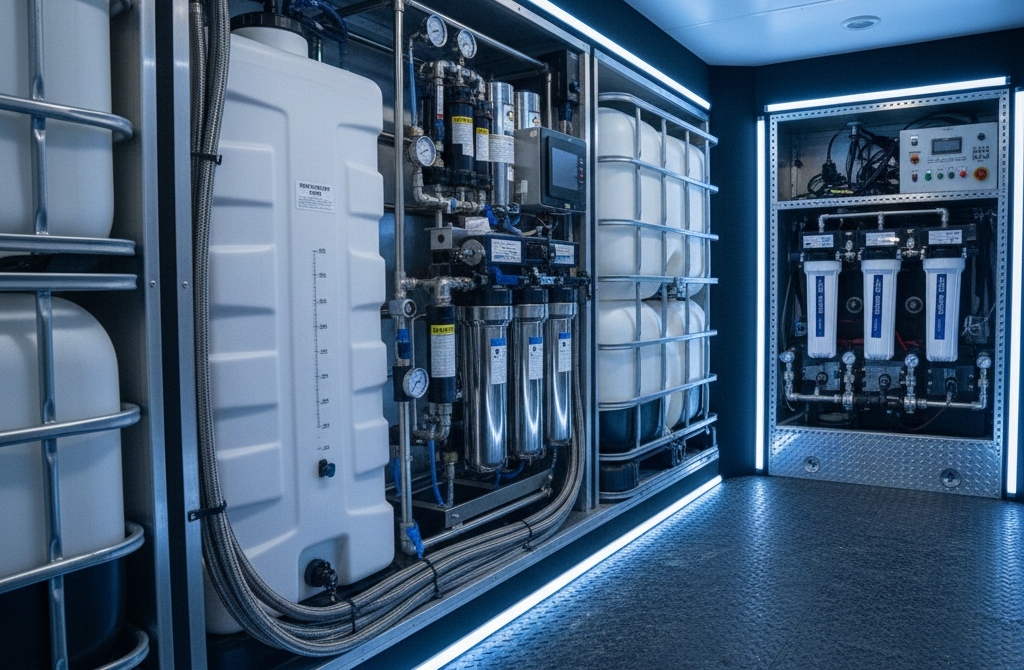
Clean water is essential for survival and sanitation. Built-in tanks and purification modules ensure that crews have a steady supply of safe, drinkable water for medical use, cooking, and cleaning during extended missions.
Climate Control and Lighting Systems
Temperature and visibility are critical for safety and comfort. Integrated HVAC systems maintain stable indoor climates, while LED lighting provides clear visibility for night operations or interior work environments.
How long can a disaster relief vehicle operate without refueling?
Most vehicles are engineered to sustain three to five days of continuous field operation before needing additional fuel or water replenishment.
Rapid Deployment Features That Make Disaster Relief Vehicles Mission-Ready
When disaster strikes, time is the most valuable resource. Disaster relief vehicles are designed for rapid activation, enabling teams to provide immediate aid without lengthy setup.
Modular Configurations and Slide-Out Sections
Expandable or modular layouts transform compact trailers into fully functional command centers, clinics, or shelters within minutes. These adaptable spaces allow responders to adjust the interior for mission-specific tasks.
Quick Utility Hookups
Standardized water, power, and data connectors make setup fast and efficient. Vehicles can quickly link with existing infrastructure or other mobile units to form complete field bases.
Minimal Crew Setup
Every system is designed with simplicity in mind. Hydraulic lifts, automated leveling, and intuitive interfaces allow small teams to deploy the unit quickly and safely, even under stressful conditions.
Do rapid setup systems affect long-term durability?
No. High-quality materials and reinforced joints maintain the vehicle’s stability even after repeated deployments and long-term use.
Interior Design Strategies That Maximize Efficiency and Usability
The interior of a disaster relief vehicle must do more than look good; it must support precision, efficiency, and cleanliness under pressure. Every inch is designed to serve a purpose.
Modular Medical and Command Zones
Spaces are built to adapt. A medical bay can serve as a coordination office, or a logistics area can be converted into sleeping quarters. This modularity helps maximize functionality in a limited space.
Sanitary and Safe Materials
Interiors feature antimicrobial coatings, seamless flooring, and sealed walls to maintain hygiene and minimize contamination. These materials are easy to clean, making them ideal for medical and food service operations.
Storage and Accessibility
Ample built-in storage keeps equipment organized and secure. Wide access doors, ramps, and adjustable shelves make moving supplies easy or accommodating patients with limited mobility.
How do you maintain hygiene in long-term operations?
Regular cleaning routines, proper air circulation, and antimicrobial materials help maintain a sanitary and safe environment for crew and patients during extended missions.
Advanced Communication Systems That Keep Teams Connected in Disasters
In any disaster, communication equals coordination. Without connectivity, even the most capable team can become isolated. Modern relief vehicles have advanced communication systems to stay linked with command networks and field units.
Satellite, Radio, and GPS Systems
Disaster relief units use integrated communication systems that combine satellite, radio, and GPS technology. This ensures uninterrupted communication even when traditional networks are down.
Integrated Data and Monitoring Displays
Digital displays and onboard systems help track routes, monitor operations, and share real-time updates with other teams, ensuring smooth coordination across multiple response zones.
Can these vehicles connect with drones or unmanned systems?
Yes. Many modern relief vehicles integrate with drone networks, allowing real-time mapping, surveillance, and delivery operations directly from the command vehicle.
Engineering Relief Vehicles for Long-Term Durability and Reliability
Durability defines long-term value in a disaster relief fleet. Each vehicle is constructed to withstand years of service in high-stress conditions without frequent breakdowns.
Corrosion and Impact Resistance
Protective coatings, composite panels, and durable finishes ensure the vehicle resists rust, dents, and impact damage caused by harsh environments.
Simplified Maintenance Panels
Engineers design these units with easy-access service hatches and organized layouts, allowing quick inspection and repair without major disassembly.
Diagnostics and Telematics
Built-in systems track fuel consumption, power levels, and component health. This data-driven approach helps teams address issues before they cause downtime.
Are parts easy to replace in the field?
Yes. Standardized fittings and modular components allow teams to perform repairs or replacements with minimal tools, even in remote locations.
Eco-Friendly Power Systems That Extend Mission Duration
Modern disaster relief design doesn’t just focus on power; it also considers the planet. Sustainability helps extend mission duration and reduce operational costs.
Renewable Energy Integration
Solar panels and hybrid energy systems provide clean, renewable power that complements traditional fuel-based generators, extending the vehicle’s independence.
Efficient Lighting and Insulation
LED lighting systems and insulated panels reduce energy waste and stabilise interior temperatures, lowering the overall power load.
Waste Reduction Systems
Integrated recycling and gray-water recovery systems promote sustainability and allow more extended deployments without the need for frequent waste disposal.
Why is sustainability important in emergency response design?
Sustainable systems reduce the need for external resources, allowing relief operations to continue longer and with fewer environmental impacts.
Enhancing Field Safety and Efficiency Through Vehicle Visibility and Signage
Visibility saves time and lives. Each disaster relief vehicle is clearly marked and illuminated to help responders and civilians identify its purpose and move safely around it.
- Reflective and High-Visibility Graphics: Reflective decals and safety markings ensure visibility in any light condition, improving operational safety during night shifts or severe weather.
- Custom Branding and Zoning: Color-coded and branded graphics help distinguish between units, such as medical, logistics, or command vehicles, for quick identification during multi-agency responses.
- Directional Signage and Labels: Clear labeling supports efficiency by guiding teams and visitors through operational areas without confusion.
Types of Disaster Relief Vehicles and Trailers
Different crises require different capabilities. Disaster relief vehicles come in various configurations to serve multiple needs.
- Mobile Command Units: Serve as central hubs for coordination, data management, and communication across field teams.
- Medical and Triage Units: Provide mobile healthcare, diagnostics, and emergency treatment in areas without functional hospitals.
- Food and Water Support Units: Include kitchens, refrigeration, and purification systems to support large-scale humanitarian operations.
- Logistics and Housing Units: Provide space for storage, crew rest, or temporary accommodations for responders.
Partner with Experts Who Build for Real-World Impact
At Craftsmen Industries, every mobile unit is designed to perform when it matters most. With decades of engineering expertise and certified fabrication capabilities, Craftsmen builds disaster relief vehicles that deliver strength, mobility, and sustainability under one roof.
If your organization is preparing for emergency readiness, let Craftsmen Industries help you design a solution that saves time, resources, and lives.
Contact Craftsmen Industries today to discuss your next disaster relief vehicle or trailer project, engineered for performance and built for resilience.
Frequently Asked Questions
How are disaster relief trailers transported to disaster zones?
Depending on the terrain and distance, they’re typically towed by heavy-duty trucks or deployed via airlift or rail.
Are there size restrictions for relief trailers on highways?
Yes. Most comply with the DOT maximum width of 102 inches (8.5 feet) for road transport without special permits.
What kind of certification do these vehicles require?
They must meet FEMA, DOT, and NFPA 1901 standards for safety, power systems, and operational readiness.
Can older vehicles be retrofitted into disaster relief units?
Absolutely. Older trailers can be converted to modern relief units with structural reinforcement and upgraded systems.
How long does it take to build a custom disaster relief vehicle?
Depending on complexity, design-to-delivery typically takes 90-150 days for fully customized builds.
Filter Posts by Tag
related posts
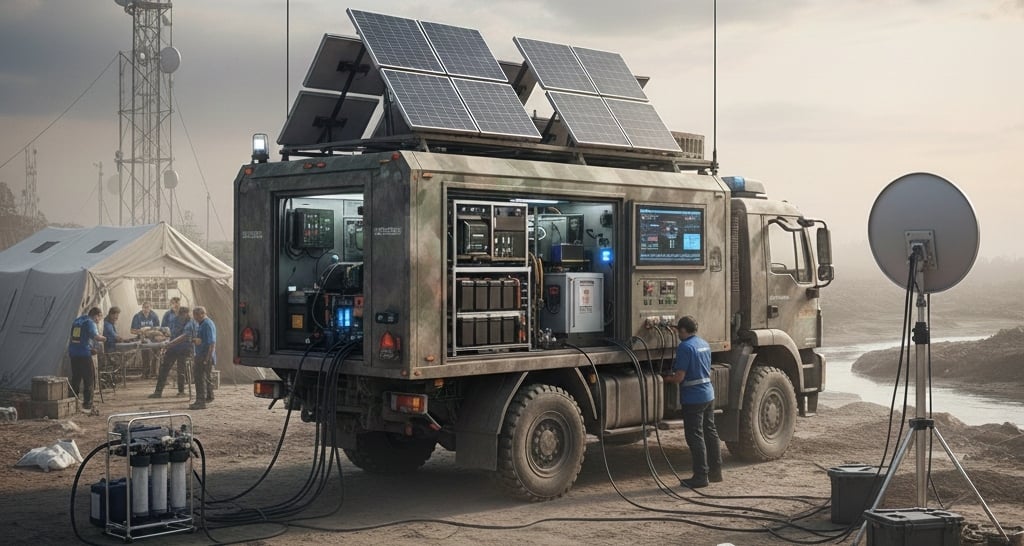
Reliable power solutions for disaster relief vehicles ensure medical, communication,field operations stay active in remote areas during critical missions.
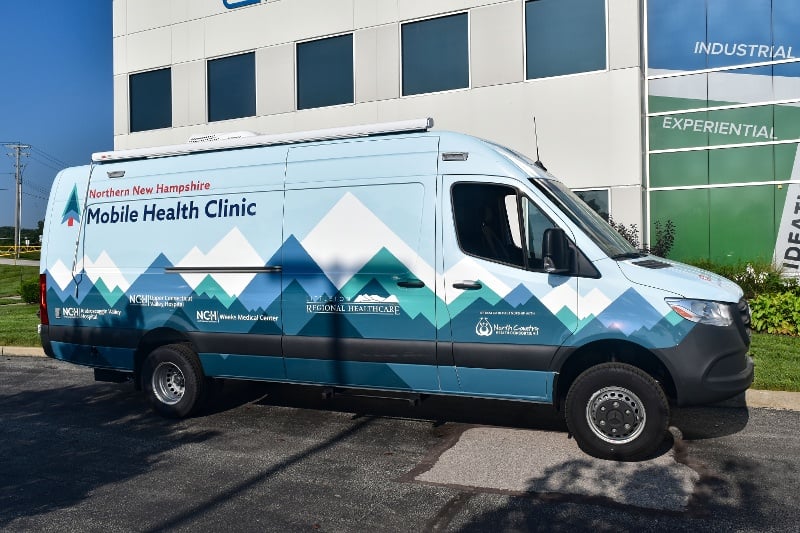
Can mobile medical Sprinter vans improve emergency medical response? Click to learn about Sprinter vans and how they can enhance urgent medical services.
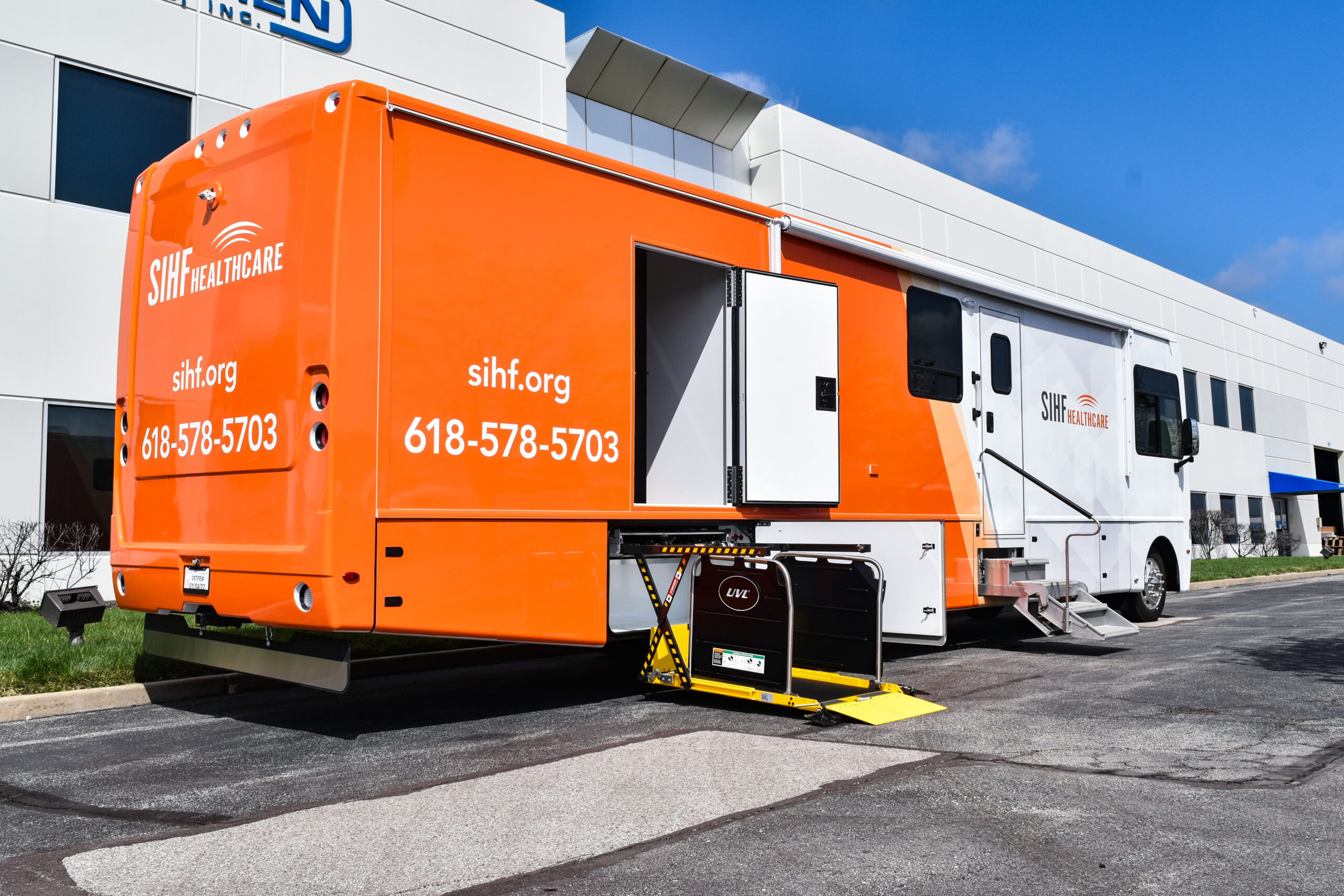
Mobile healthcare units play a key role in disaster response, bringing triage, treatment, and critical support to communities when traditional infrastructure is disrupted.
