
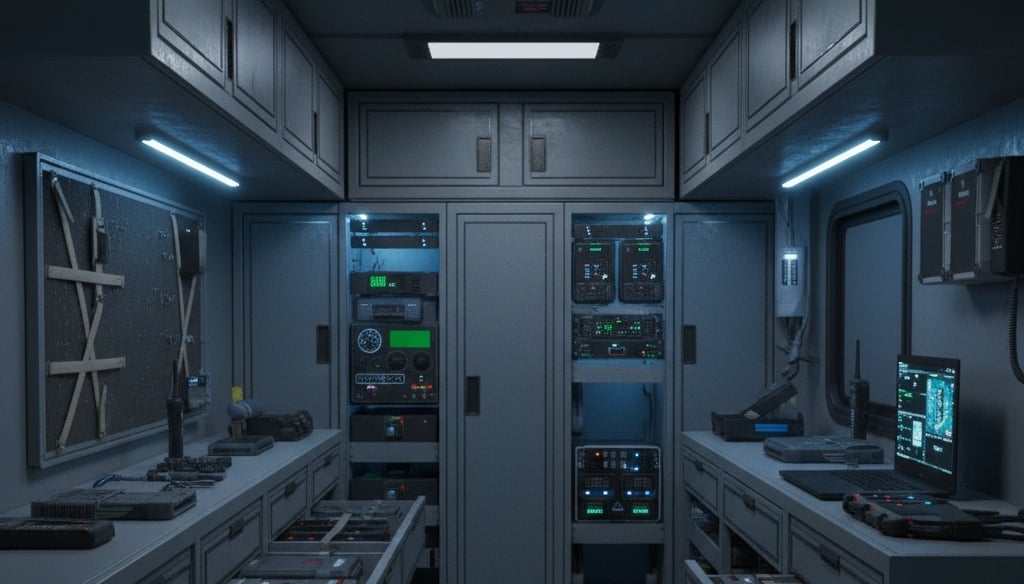
When every tool, device, and piece of field gear has its place, teams move faster and work with confidence. Research has shown that workers can spend 2 hours a day, roughly 25% of their workweek, searching for documents or information they need to do their job. Custom storage solutions in mobile command units are designed to keep vital equipment organized, secure, and ready for action, regardless of the assignment’s complexity or the environment’s unpredictability.
By focusing on the proper storage approach from the start, field operations become smoother, safer, and more efficient. Let’s take a closer look at the real challenges teams face in the field, and how thoughtful storage design solves them.
Why Equipment Organization Is a Major Challenge in Mobile Command Units
Field operations rarely go as planned, and the ability to stay organized is often what separates smooth missions from stressful ones. Let’s break down why equipment management is a critical challenge for mobile command teams.
Common Storage Pitfalls in Mobile Units
Many command vehicles are equipped initially with basic shelves or standard bins that do not account for the rigors of real-world field use. Over time, these generic solutions lead to overcrowded storage areas and items that shift or get buried during transport.
U.S. federal cargo securement rules require loads to be restrained to prevent movement or shifting during transport, underscoring why generic, unsecured stowage is a problem in real operations (49 CFR §393.106).
The Impact on Safety and Efficiency
When equipment is hard to find or gets mixed up, valuable time is lost. In high-pressure moments, delays caused by disorganization can hinder a team’s response, increase stress levels, and even contribute to on-the-job accidents or equipment damage.
Evolving Needs Across Field Teams
Law enforcement, fire crews, utility workers, and emergency managers all have unique tools and workflows. A storage setup that works for one mission may not be suitable for another. Without flexible, mission-specific solutions, teams are left adapting on the fly, often with less-than-ideal results.
How does disorganization inside a command unit affect field operations?
Disorganization slows response times and increases the chance of forgetting or misplacing critical gear. When teams cannot quickly locate what they need, it can lead to higher stress, reduced efficiency, and even potential safety hazards in the field.
What Effective Storage Solutions Need to Deliver
When it comes to outfitting a mobile command center trailer, effective storage goes beyond shelves and drawers. It’s about designing a workspace that supports every aspect of the mission. Here’s what truly effective storage brings to the table:
- Fast and Reliable Access: A well-organized storage system allows team members to locate and retrieve tools instantly. Clearly labeled compartments eliminate guesswork and save valuable time during high-pressure moments. Lean 5S studies repeatedly associate sorting, setting in order, and standardizing with faster retrieval times and fewer errors in field and industrial settings.
- Security for Sensitive Gear: Mobile command units often carry valuable or confidential equipment, such as radios, laptops, or evidence kits. Secure locking mechanisms, tamper-resistant hardware, and restricted-access compartments help ensure every item stays protected.
- Durability for Demanding Environments: Field conditions can be harsh, and equipment must withstand vibration, shifting loads, and varying weather. Heavy-duty materials and reinforced hardware ensure gear safety and storage systems remain dependable for years of service.
- Flexibility and Adaptability: As missions evolve, so do equipment requirements. Modular and reconfigurable storage solutions enable easy adjustments to layouts or the addition of new compartments, keeping the command unit mission-ready for any future task.
Can custom storage be reconfigured if the field needs to evolve?
Yes, many custom storage systems are designed with modular features. This flexibility allows teams to add, adjust, or relocate compartments to accommodate new equipment or changes in mission requirements.
Types of Custom Storage Solutions for Mobile Command Equipment
Not all equipment is created equal, and neither should storage be. The proper setup means every tool is protected, accessible, and ready for use. Let’s explore how different storage options serve distinct needs inside a mobile command unit.
Drawer and Cabinet Systems
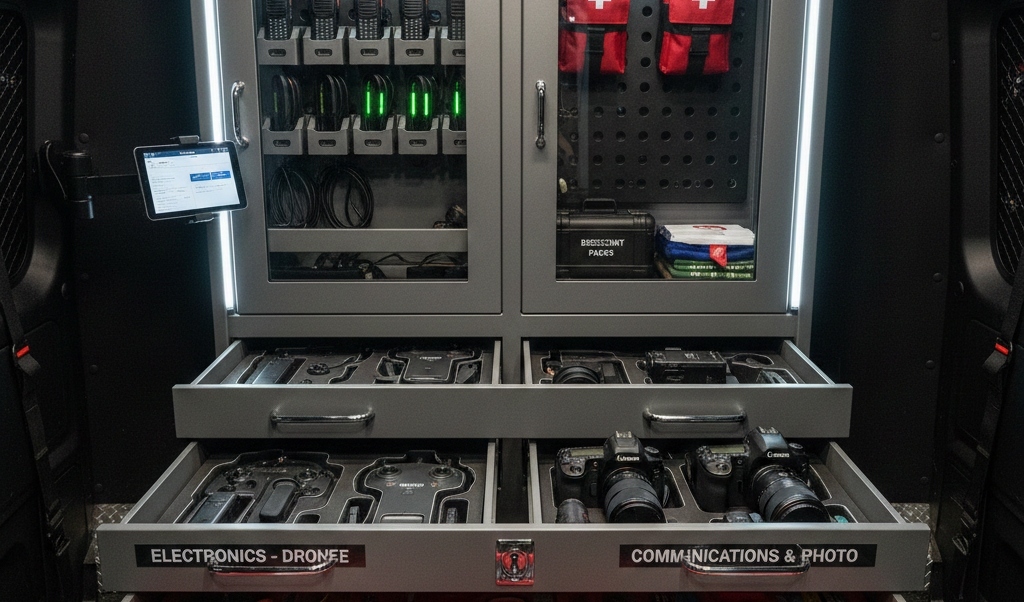
Locking drawers are perfect for items that require both security and quick access. With custom foam inserts or adjustable dividers, radios, first aid kits, and fragile electronics can be kept organized and protected during transit. Cabinets that run along the unit’s walls maximize vertical space and keep larger tools within easy reach.
Slide-Out Trays and Overhead Compartments
Heavy gear and larger cases benefit from slide-out trays, which prevent lifting injuries and allow for smooth loading and unloading. Overhead compartments, meanwhile, offer an ideal spot for lightweight supplies such as safety vests or documentation that needs to stay visible and accessible.
Charging Compartments for Electronics
Modern fieldwork relies on technology, and having dedicated charging compartments makes all the difference. These built-in spaces offer cable management and ventilation, keeping radios, tablets, and drone batteries charged and cool, so they are always ready for deployment.
Exterior Storage Spaces
Bulky or contaminated items should not be placed inside the main cabin. Well-designed exterior compartments provide easy access to items such as cones, tools, or spill kits, while keeping the workspace clean and safe for staff.
What factors should influence the choice of storage formats for field equipment?
Teams should consider the size, sensitivity, and frequency of use for each item. This helps determine which gear requires locking storage, which should be stored in quick-access bins, and what requires specialized compartments, such as charging stations.
Designing Interior Storage Layouts That Support Field Workflows
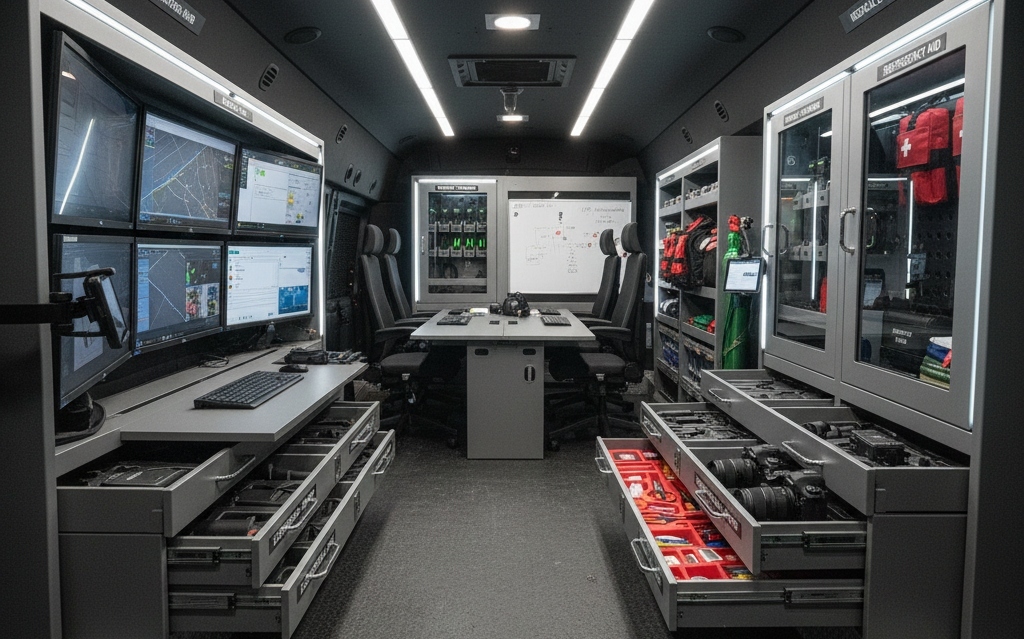
A command unit is only as effective as its interior flow. After all, how a team moves through the space directly affects speed, comfort, and mission success.
Let’s take a closer look at what goes into designing an interior that supports seamless operations.
Zoning for Efficiency
Strategically designed zones make a big difference. Quick-access gear, such as emergency kits and radios, should be placed near entry points for instant retrieval. More stationary tasks, like planning, communication, or supervision, belong in quieter, central sections where crews can focus without distraction.
Creating Clear Walkways and Workspaces
Wide, uncluttered walkways keep team members moving safely, even in high-stress situations. Built-in lighting and signage further guide movement, while minimizing the risk of tripping or collisions when every second matters.
Centralizing Shared Equipment
Shared tools and technology work best when they are easy to access but never in the way. By centralizing these resources, teams reduce cross-traffic, avoid bottlenecks, and maintain smooth workflows from entry to exit.
Can interior layouts be customized for specific missions or team sizes?
Yes, interior layouts can be designed to match the exact requirements of different missions or crew configurations. This tailored approach ensures every square foot is optimized for efficiency, safety, and ease of use.
Securing Field Equipment and Maintaining Accountability Through Storage Design
Protecting sensitive equipment and ensuring accountability are critical in any mobile command operation. An effective storage system not only keeps gear organized but also secures valuable items and helps track every piece of equipment.
Here’s how robust storage supports team readiness and trust.
Locking Solutions for High-Value Items
Specialized compartments with secure locks are essential for items such as firearms, evidence kits, or expensive electronics. With tamper-resistant hardware and access controls, only authorized team members can retrieve or return these assets, minimizing the risk of loss or misuse.
Labeling and Inventory Management
Clear, visible labels make it easy to identify equipment at a glance, reducing confusion and search time. Many teams utilize barcoding or RFID systems to track equipment in and out, streamlining inventory management and reducing the incidence of missing items.
Protecting Equipment for Longevity
Properly designed storage keeps tools stable and cushioned during transit, reducing the wear and tear that can lead to breakdowns. Using durable materials and adjustable inserts ensures each item is cradled securely, extending the lifespan of critical equipment.
Are electronic tracking systems necessary for all command units?
Electronic tracking systems add a valuable layer of accountability, especially for units that manage high-value or frequently used gear. However, smaller teams or units with less complex inventories may find traditional labeling and manual checklists sufficient for their needs.
Integrating Power and Charging Into Storage Systems for Field Gear
Today’s field teams rely on a wide range of electronics to stay connected and operational. Integrating power and charging solutions within the storage system ensures every device is ready when it counts.
Here’s how thoughtful power integration keeps mobile command units fully equipped for any situation.
Dedicated Charging Stations
A well-designed unit features charging drawers and compartments, each with organized cabling and proper ventilation. This setup prevents tangled cords, overheating, and device downtime, so radios, tablets, and other gear are always powered up and ready for use.
Power Management for Reliability
Custom storage systems often include dedicated electrical circuits for sensitive electronics, along with surge protection and backup power options. Careful planning ensures that each device receives the right amount of power while keeping cables safely routed out of walkways.
Planning for Growth and Flexibility
As technology evolves, teams may add new devices or upgrade existing tools. Flexible power integration enables easy adjustments and future expansion, ensuring the mobile command unit continues to meet evolving mission requirements.
What are the main risks of poor power and charging integration in command units?
Improper power management can lead to overheating, unreliable charging, or even electrical failures. By designing charging systems as part of the storage plan, teams avoid downtime and keep all critical equipment operating safely and efficiently.
Durable Storage Construction and Weight Management for Mobile Units
The physical demands of the field mean mobile command units must be built to last. Every storage solution should strike a balance between ruggedness, weight distribution, and ease of maintenance to support reliable performance on any assignment. Let’s examine the factors that make these systems dependable in the long term.
Choosing Tough, Lightweight Materials
Aluminum cabinetry, reinforced drawer slides, and corrosion-resistant hardware combine to create storage that withstands heavy use and harsh environments. Lightweight materials help keep the vehicle agile without sacrificing durability, making day-to-day operations smoother and more efficient.
Weight Distribution and Vehicle Stability
A well-designed storage plan carefully considers the placement of heavy items. Storing weight low and near the vehicle’s center keeps the command unit stable, even when roads are rough or driving conditions are unpredictable.
Easy Access for Maintenance
Efficient storage also means technicians can reach electrical panels, communications equipment, and other systems for regular servicing without having to dismantle the entire cabin. This practical approach reduces downtime and helps keep every component performing optimally.
How do teams ensure their storage construction is suited to long-term field use?
The key is working with experienced builders who understand both the technical and operational demands of fieldwork. Quality materials, smart engineering, and proven fabrication methods all contribute to a storage solution that lasts for years.
Customizing Storage Solutions for Different Missions and Command Vehicles
Every mission and vehicle has its own unique demands. Crafting the ideal storage solution begins with a thorough understanding of your equipment, workflow, and operational environment.
Here’s how a custom approach makes every mobile command unit more effective in the field:
- Assessing Mission Requirements: Review the team’s complete inventory and mission types to identify which items require rapid access or extra protection, then organize tools for maximum efficiency based on real-world use.
- Matching Storage to the Platform: Analyze whether the vehicle is an SUV, van, or large trailer to guide the design. Smaller vehicles benefit from compact drawer stacks and slide-out systems, while larger units can include split rooms and expanded exterior storage.
- Seamless Integration with Systems: Coordinate custom storage with onboard power, data, and communications systems to ensure every element, from charging stations to evidence lockers, fits smoothly into daily team routines.
How long does it typically take to design and implement a custom storage solution?
Project timelines depend on the size and complexity of the unit, as well as specific mission requirements. An experienced team can guide the process from initial consultation through fabrication and installation, keeping your project on track and minimizing downtime.
Power Your Operations with Smarter, Custom Storage
At Craftsmen Industries, we know that the right storage system is what keeps a mission running smoothly. Every mobile command unit we build is engineered to fit your mission, your equipment, and your working style. From more innovative organizations to integrated power and rugged durability, our team designs and fabricates solutions that perform in the field and stand the test of time.
Reach out to Craftsmen Industries today and let us create a storage solution that keeps your unit organized, your operations streamlined, and your team ready for whatever comes next.
Frequently Asked Questions
What features should you look for in a mobile command vehicle?
Look for flexible interior layouts, secure and accessible storage options, integrated power management, advanced communications, and weather-resistant construction. The best command vehicles are purpose-built to support mission needs and operator comfort.
How do mobile command units support interagency collaboration?
Mobile command units often feature conference spaces, shared technology hubs, and adaptable workstations that enable multiple agencies to collaborate efficiently during joint responses or major incidents.
What types of technology are commonly integrated into modern command units?
Modern command units are typically equipped with satellite communications, computer workstations, video displays, real-time GPS, and secure Wi-Fi networks to enhance situational awareness and team coordination.
How can mobile command units be customized for specific disaster scenarios?
Units can be tailored with specialized storage for disaster relief kits, medical supplies, portable shelters, or hazardous material gear, ensuring the right resources are available for each unique incident.
What is the lifespan of a custom mobile command unit?
With proper maintenance and periodic upgrades, a well-built custom mobile command unit can remain in service for a decade or more, providing reliable performance even as mission requirements change.
Filter Posts by Tag
related posts
Explore why mobile command centers are essential for effective field operations and emergency response. Learn how they improve control, speed, and communication.
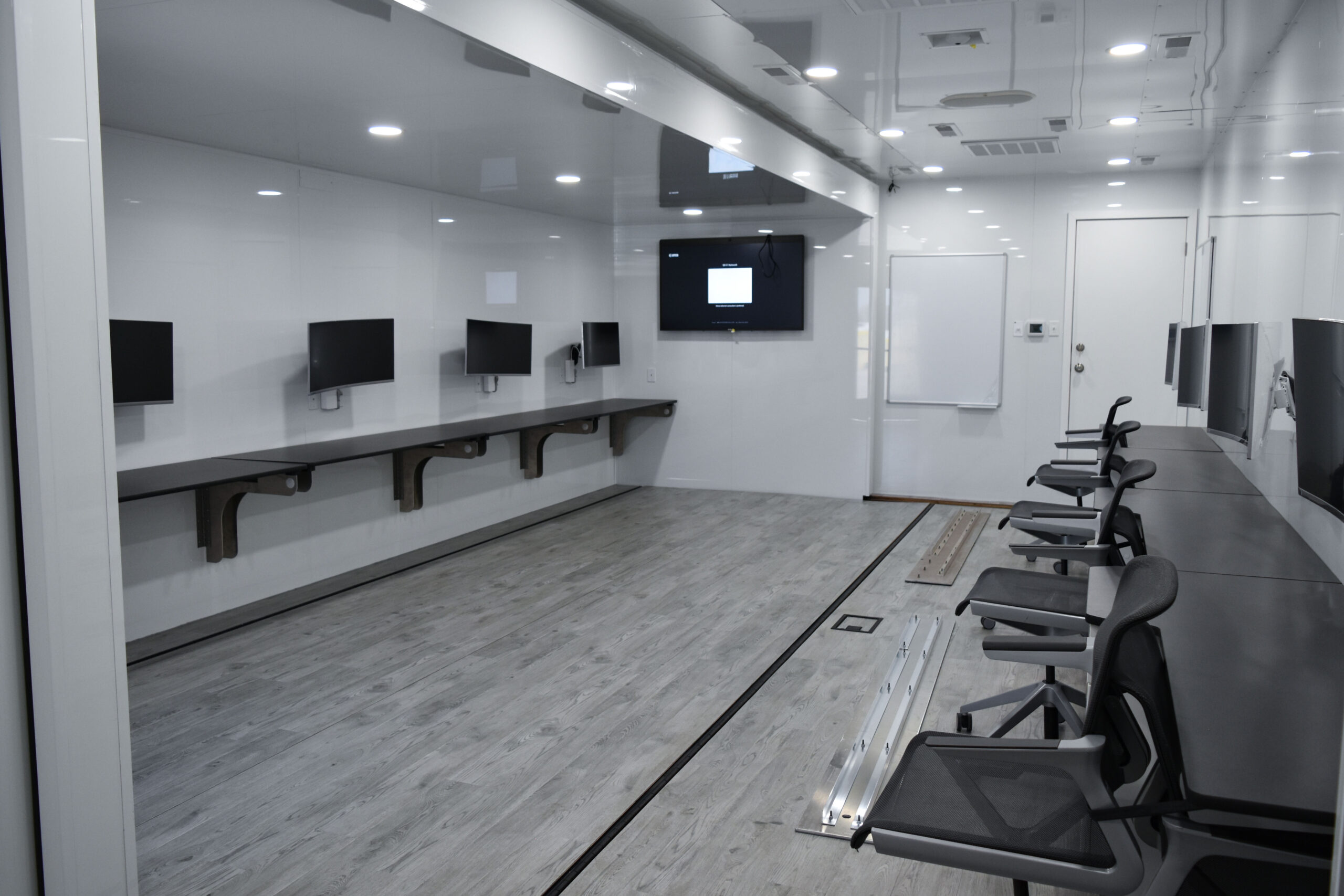
Read the key benefits and uses of mobile command centers for time-sensitive projects. Dive into their crucial role and applications.
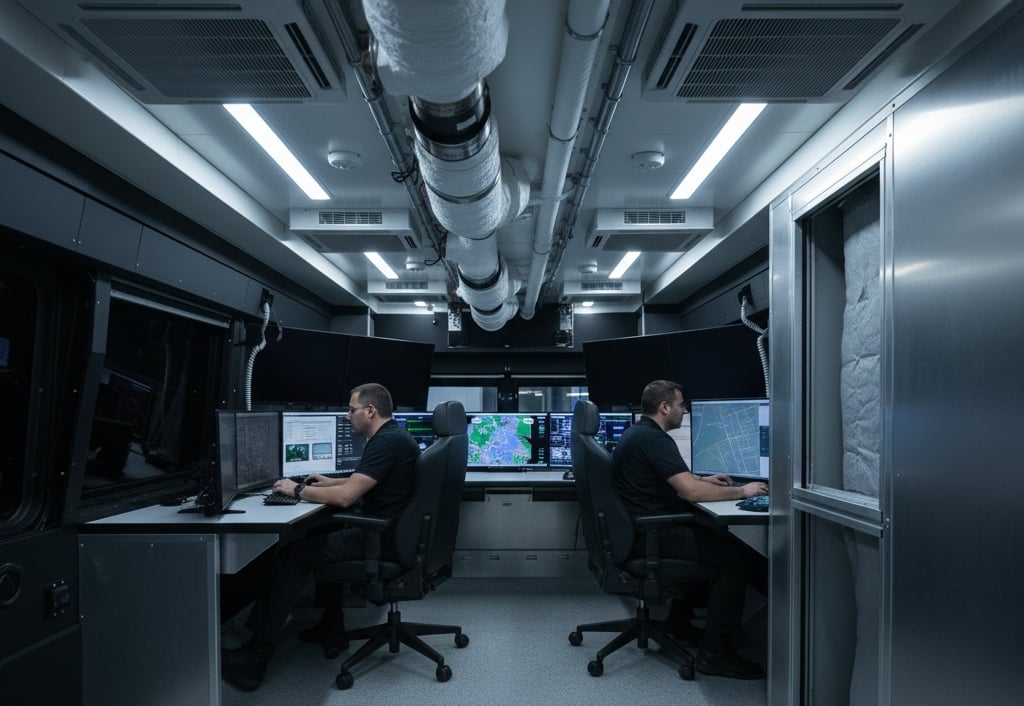
Optimize performance and durability in mobile command centers with smart material choices. Balance strength, weight, and protection for mission-ready efficiency.
