
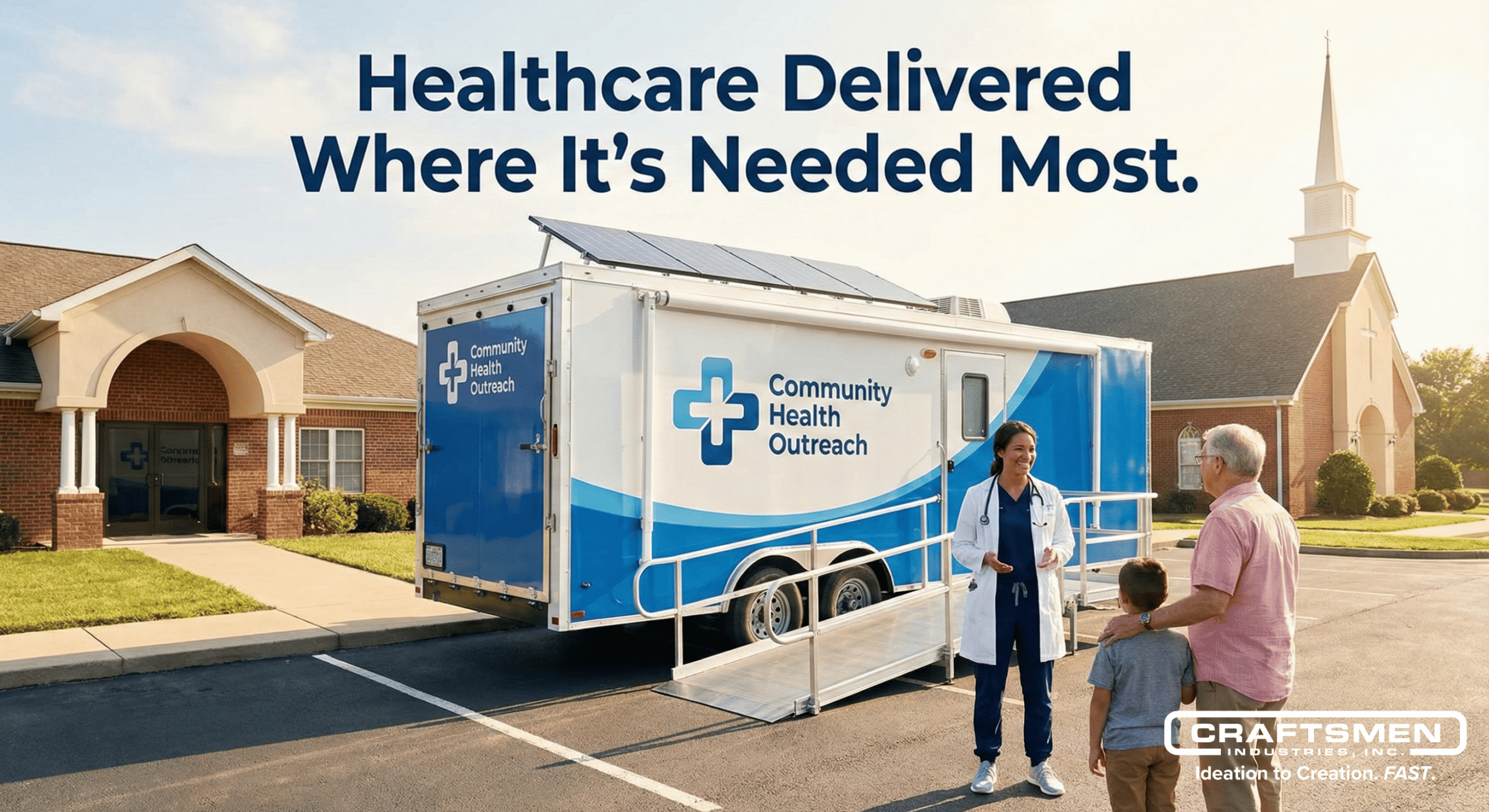
Community healthcare trailers are specialized mobile medical units that bring essential health services directly to communities, serving as fully-equipped clinical spaces on wheels that overcome traditional barriers to healthcare access. These innovative vehicles range from compact vans to large surgical trailers, each designed to deliver specific medical services to populations who face challenges accessing traditional brick-and-mortar facilities due to geographic isolation, transportation limitations, or socioeconomic barriers.
For healthcare administrators, community leaders, and medical professionals seeking to expand care access in their regions, we’re addressing a critical need that affects millions of Americans. Whether you’re evaluating mobile healthcare solutions for rural communities, urban underserved populations, or specialized outreach programs, understanding how these mobile units function and their proven impact is essential for making informed decisions about healthcare delivery strategies.
According to the Mobile Health Map at Harvard Medical School, over 3,600 mobile clinics operate across the United States as of 2025, delivering an estimated 10 million patient visits annually and achieving a remarkable return on investment of $17 for every $1 invested. Dr. Michael Gionfriddo from Mayo Clinic Health System, whose team successfully piloted a digitally capable mobile health clinic in rural Minnesota, notes: “Mobile health clinics represent a feasible and well-received model for delivering primary care services to underserved rural communities, with the added benefit of establishing critical broadband infrastructure.”
Key takeaways from our comprehensive analysis:
-
Mobile healthcare demonstrates exceptional financial returns, saving 19,149 life-years and preventing 56,028 emergency department visits annually while returning $1.4 billion to the healthcare system
-
These units deliver essential services ranging from social determinants screening and hypertension management to mammography and obesity counseling, with 60% of patients showing previously undetected conditions
-
Modern trailers feature advanced diagnostic equipment including X-ray machines, ultrasound systems, and laboratory analyzers, supported by robust IT infrastructure with 4G/5G connectivity
-
The sector faces regulatory complexities with varying state requirements and reimbursement challenges, though the 2022 MOBILE Health Care Act provides federal funding opportunities
-
Leading manufacturers like Craftsmen Industries offer customizable platforms ranging from $177,000 to $560,000, designed to meet specific community needs and service requirements
At a high level, community healthcare trailers represent a transformative approach to healthcare delivery that bridges the gap between traditional facilities and underserved populations. Beginning with their fundamental role in medical outreach, these mobile units strategically position themselves in accessible community locations while delivering prevention-focused services that identify and treat conditions before they become emergencies. The beneficiaries span from rural residents and migrant workers to urban populations experiencing homelessness, all served through various trailer configurations from compact screening vans to comprehensive multi-service units. Operating within complex regulatory frameworks that vary by state, these mobile clinics require careful navigation of licensing, safety, and accessibility standards while leveraging customization options from specialized manufacturers. Despite challenges in staffing, reimbursement, and data interoperability, the advantages of expanded patient reach and cost-effectiveness position mobile healthcare as an essential component of modern healthcare systems, with procurement involving federal grants, private funding, and strategic partnerships that ensure sustainable operations.
Practical implementation insights:
Partner with established manufacturers early in the planning process to ensure your mobile unit design aligns with both community needs and regulatory requirements—customization decisions made during initial design phases can save significant retrofitting costs later
Throughout this analysis, we’ll explore the multifaceted world of community healthcare trailers, examining their operational mechanics, diverse applications, and the strategic considerations necessary for successful implementation in your healthcare delivery system.
How Do Community Healthcare Trailers Function in Medical Outreach?
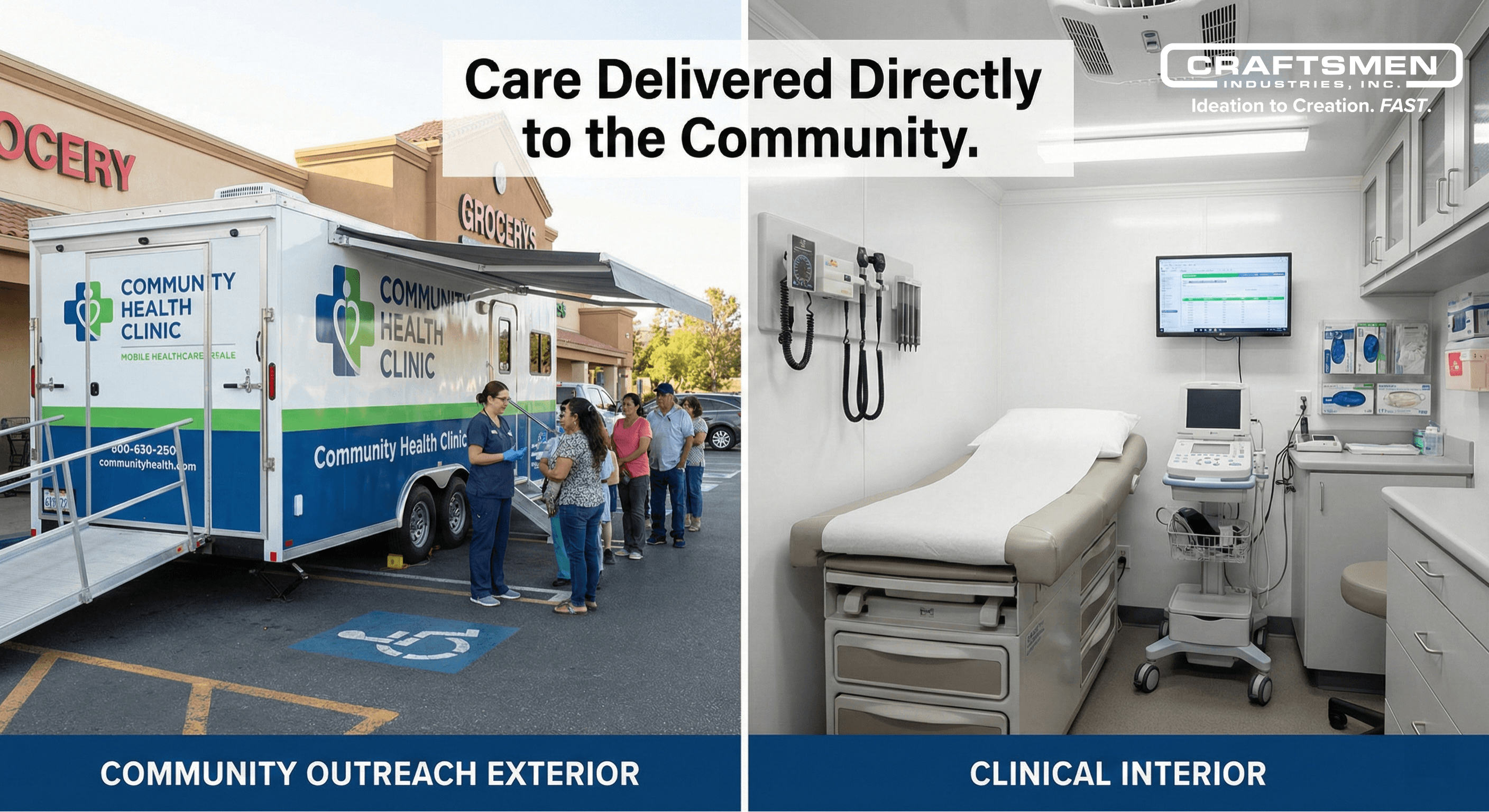
Community healthcare trailers function in medical outreach by delivering care directly to underserved populations through strategically positioned mobile units. Over 3,600 mobile clinics operate across the United States as of 2025, delivering an estimated 10 million patient visits annually. According to Mobile Health Map data from 2025, these units save 19,149 life-years and prevent 56,028 emergency department visits each year. Mobile health clinics achieve a return on investment of $17 for every $1 invested, returning $1.4 billion to the healthcare system annually. These units typically park at accessible community locations such as grocery stores, churches, and community centers to build trust and ensure accessibility. The following sections detail the specific services delivered and equipment configurations that enable these mobile healthcare solutions.
What Services Can Be Delivered Via Community Healthcare Trailers?
The services delivered via community healthcare trailers include social determinants of health screening, hypertension screening, diet counseling, mammography, and obesity screening as the top five nationally. Primary and preventive care represent the most common service categories offered by mobile health clinics. A 2025 study at The Family Van mobile clinic in Boston found that 60% of clients had previously undetected elevated blood pressure. Mobile clinics provide on-the-spot diagnosis and treatment initiation through point-of-care laboratory analyzers. These comprehensive service offerings transform trailers into complete healthcare delivery platforms.
How Are Community Healthcare Trailers Equipped for Various Medical Needs?
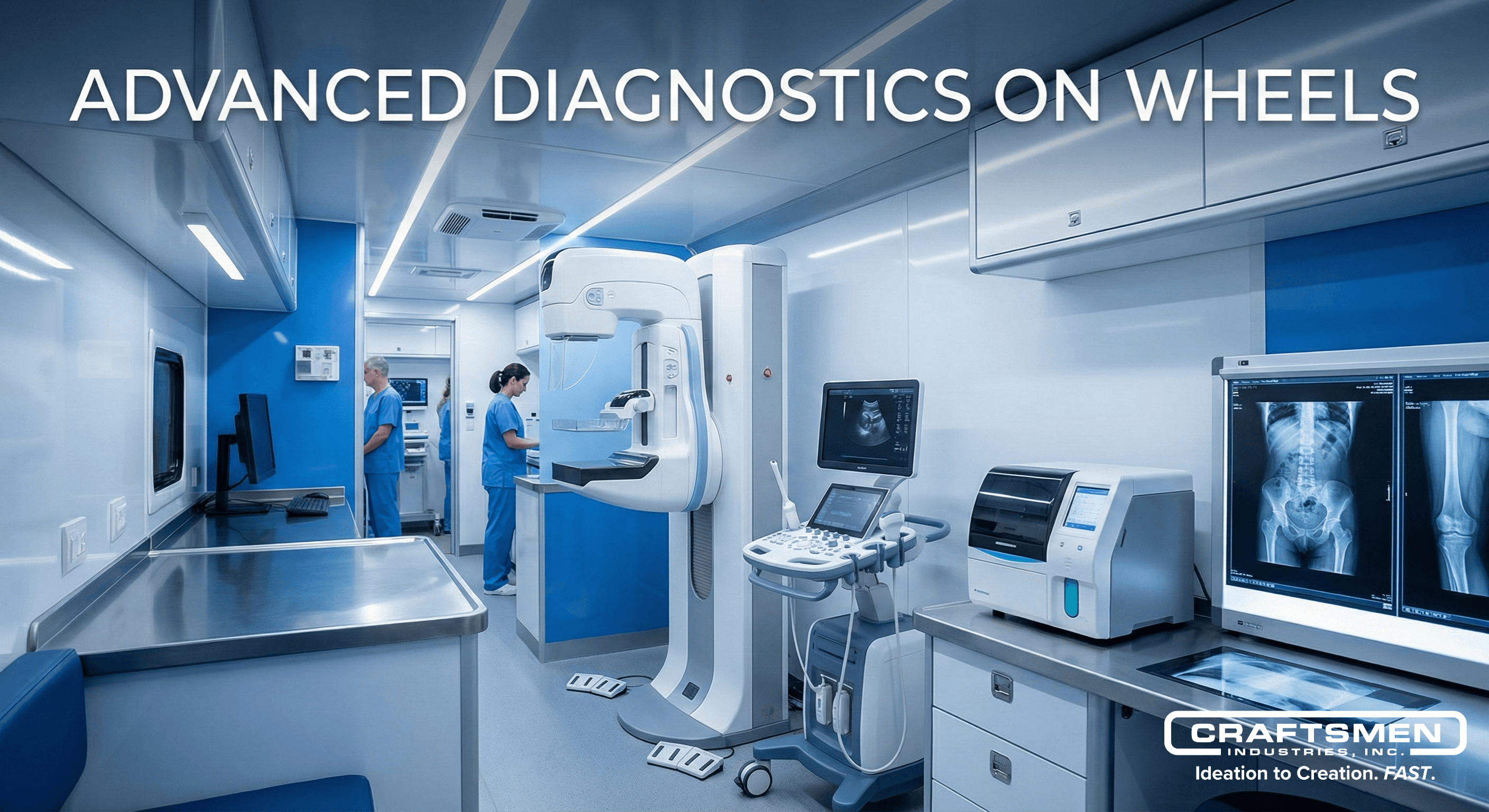
Community healthcare trailers are equipped for various medical needs through digital diagnostic tools including X-ray machines, ultrasound equipment, mammography units, and laboratory analyzers. Units feature robust IT infrastructure with 4G/5G wireless connectivity and satellite internet for reliable access in remote areas. Electronic Health Records (EHRs) systems ensure continuity of care and data sharing with partner hospitals. Mayo Clinic Health System’s rural mobile clinic successfully established broadband internet access in pilot communities according to 2025 implementation data. This technological integration enables trailers to function as extensions of traditional healthcare facilities while maintaining full diagnostic and treatment capabilities in the field.
Who Benefits Most from Community Healthcare Trailers?
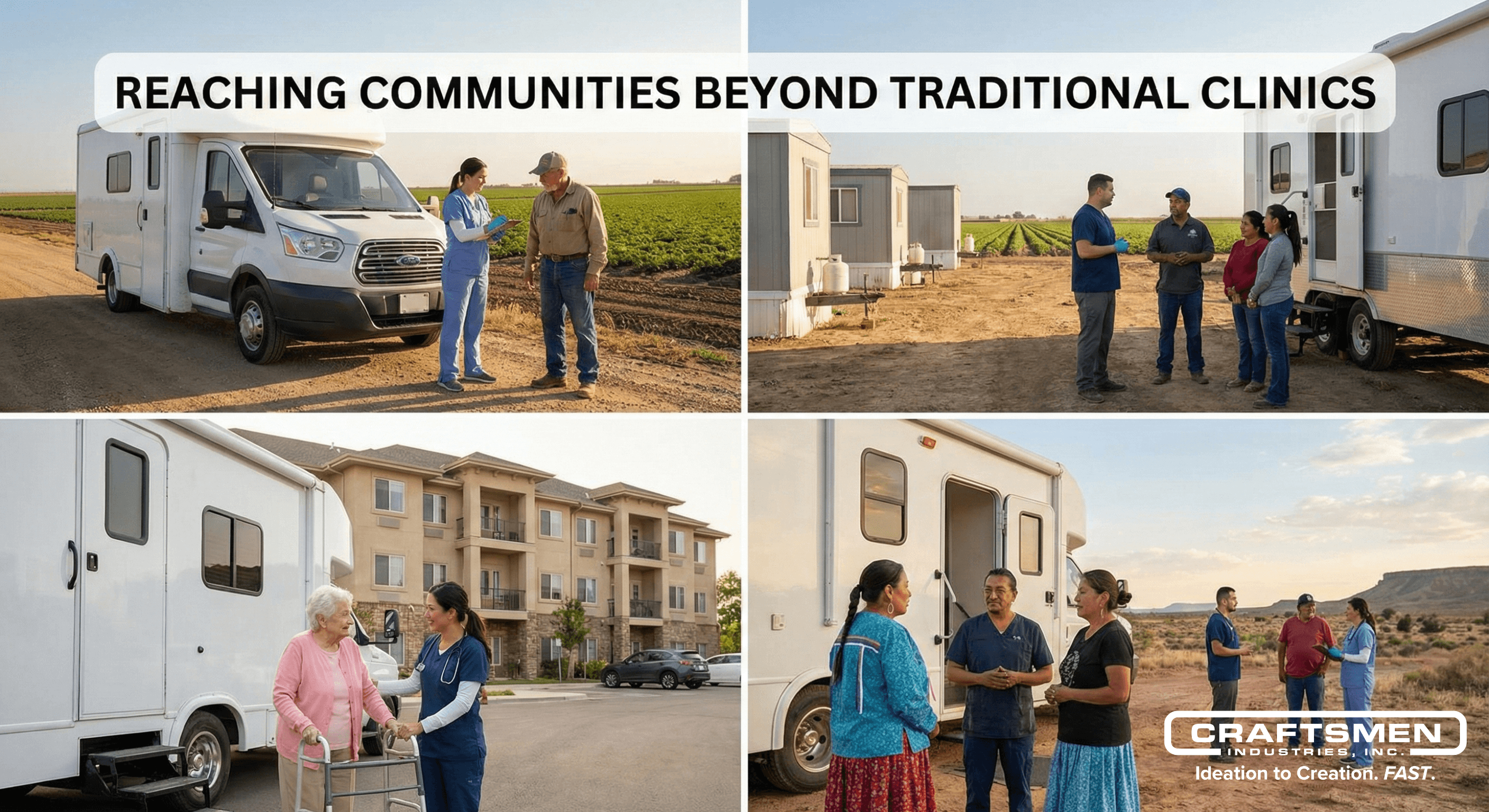
Community healthcare trailers serve populations facing significant barriers to traditional healthcare access. La Clínica in Oregon demonstrates this reach by serving isolated rural patients, people experiencing homelessness, and migrant/seasonal workers through mobile outreach. Mayo Clinic Health System’s 12-month pilot program targeted four underserved rural communities in Minnesota, while 1,315 registered mobile clinics nationwide deliver care to diverse communities according to Mobile Health Map data. These mobile units bridge critical gaps in healthcare delivery for vulnerable populations.
What Types of Communities Rely on Mobile Healthcare Solutions?
Communities that rely on mobile healthcare solutions include rural areas, urban neighborhoods with limited healthcare infrastructure, and populations with mobility constraints. La Clínica in Oregon serves isolated rural patients, people experiencing homelessness, and migrant/seasonal workers who face geographic and economic barriers. Mayo Clinic Health System’s 12-month pilot program targeted four underserved rural communities in Minnesota where residents lack nearby medical facilities. The 1,315 mobile clinics registered with Mobile Health Map serve diverse communities nationwide, including:
• Rural farming communities with residents living 30+ miles from hospitals
• Urban food deserts where chronic disease rates exceed national averages
• Migrant worker camps during harvest seasons
• Native American reservations with limited healthcare infrastructure
• Senior housing complexes where mobility challenges prevent clinic visits
These communities share common characteristics of geographic isolation, transportation barriers, and limited healthcare provider availability that mobile solutions effectively address.
How Do Underserved Populations Gain Access Through Trailers?
Underserved populations gain access through trailers via trust-building models and targeted outreach strategies. The Family Van’s “Knowledgeable Neighbor Model” emphasizes trust, cultural competence, and navigational support for vulnerable populations by embedding healthcare delivery within familiar community settings. Community health workers dedicate 47% of their time to mobile clinic-specific tasks, including addressing social determinants of health such as food insecurity, housing instability, and transportation access.
Mobile clinics overcome three primary barriers:
• Transportation barriers – Units travel directly to patients, eliminating travel costs and time
• Geographic isolation – Services reach remote areas lacking healthcare infrastructure
• Trust deficits – Familiar community locations reduce healthcare anxiety and cultural barriers
The strategic placement of mobile units at churches, community centers, and local gathering spots creates accessible entry points for healthcare services. This approach particularly benefits populations who have historically experienced discrimination in traditional healthcare settings, allowing them to receive care in culturally safe environments with staff trained in community-specific needs.
What Types of Community Healthcare Trailers Are Available?
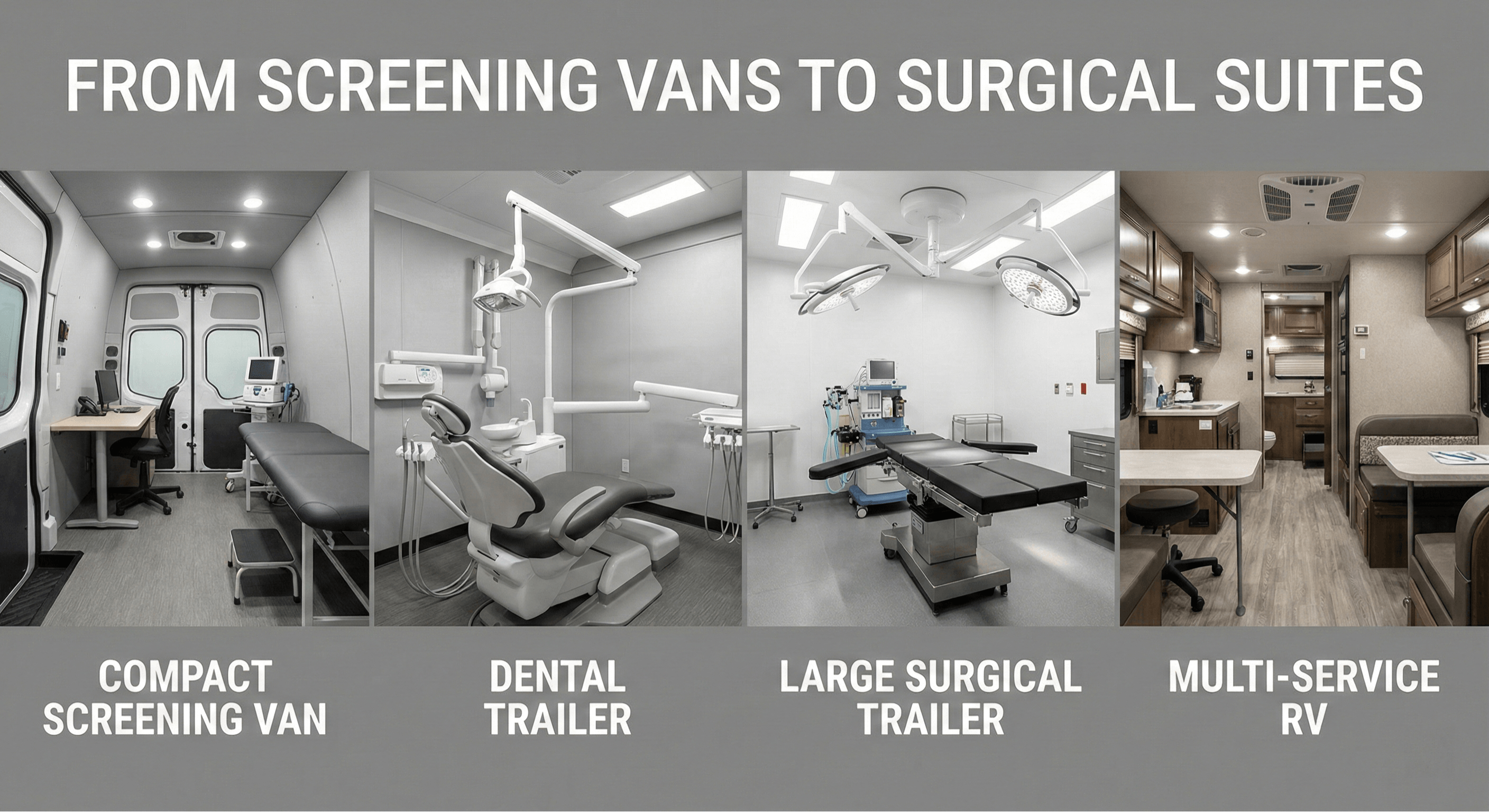
Community healthcare trailers are specialized vehicles designed to deliver medical services directly to underserved populations. These mobile units range from compact vans to large surgical trailers, each configured for specific healthcare delivery needs. The selection depends on service scope, target population, and operational requirements.
How Do Medical, Dental, and Multi-Service Trailers Differ?
Medical, dental, and multi-service trailers differ primarily in their size, equipment capacity, and operational flexibility. Vans are compact and maneuverable, best suited for urban settings and targeted services like basic screenings. RVs provide self-contained units with more space for exam rooms, ideal for multi-service clinics and longer-distance outreach. Trucks and buses offer larger platforms supporting heavier diagnostic equipment for services like imaging and dental care. Trailers can be left on-site for extended periods and support high-capacity operations including surgical care.
Platform selection determines service capabilities. Dental trailers require reinforced flooring for heavy chairs and X-ray equipment. Medical trailers prioritize flexible exam spaces with diagnostic tool integration. Multi-service units combine both capabilities through modular designs. These distinctions guide communities toward platforms matching their healthcare delivery goals and population needs.
What Are the Key Features of Mobile Clinics Versus Standard Healthcare Trailers?
The key features distinguishing mobile clinics from standard healthcare trailers are cost, design specifications, and operational efficiency. Mobile clinic costs range from $177,000 to $560,000 depending on platform, customization level, and medical equipment. Key design features include ADA compliance, infection control surfaces, HVAC systems, and efficient patient flow layouts.
Mobile clinics emphasize self-sufficiency with generators, water systems, and waste management. Standard healthcare trailers often require external utilities but offer more space for equipment. Nurse practitioners spend 32% of their time on direct patient care in mobile settings versus traditional clinics, demonstrating operational efficiency differences.
|
Entity |
Attribute |
Value |
|
Mobile Clinic |
Cost Range |
$177,000-$560,000 |
|
Mobile Clinic |
Key Features |
ADA compliance, infection control surfaces |
|
Mobile Clinic |
Staff Efficiency |
32% direct patient care time |
|
Standard Trailer |
Utility Needs |
External connections required |
|
Standard Trailer |
Space Advantage |
Larger equipment capacity |
The choice between mobile clinics and standard trailers depends on deployment frequency, service complexity, and infrastructure availability at intended locations.
Which Regulations and Compliance Standards Apply to Community Healthcare Trailers?
Community healthcare trailers must meet comprehensive regulatory requirements spanning federal oversight, state licensure, and operational compliance standards. The regulatory landscape encompasses FDA device regulations, HIPAA privacy rules, ADA accessibility requirements, and state-specific healthcare facility licensing that varies significantly across jurisdictions.
What Health, Safety, and Accessibility Standards Must Be Met?
The FDA oversees medical devices and software in mobile clinics, focusing on device functions that could pose patient safety risks. Mobile clinics operating diagnostic equipment such as X-ray machines, ultrasound systems, and laboratory analyzers must ensure all devices meet FDA registration and quality system requirements. HIPAA rules govern all telehealth services and patient health information in mobile clinics, requiring encrypted data transmission, secure storage systems, and staff training protocols.
Most states require mobile clinics to meet the same licensure requirements as brick-and-mortar facilities. These requirements include infection control protocols, waste management systems, and emergency response procedures. Mobile units must incorporate ADA compliance features such as wheelchair ramps, accessible examination tables, and doorways measuring at least 36 inches wide. Design specifications mandate grab bars in patient areas and adjustable-height equipment to accommodate diverse patient needs.
Healthcare trailers operating in multiple states face additional certification challenges, as each state maintains distinct nursing practice acts and physician supervision requirements. The regulatory framework ensures mobile clinics maintain safety standards while delivering quality care to underserved communities.
How Do Local and Federal Laws Affect Mobile Healthcare Operations?
The MOBILE Health Care Act of 2022 allows FQHCs to use federal funds for mobile clinics in rural and underserved areas. This legislation expanded reimbursement opportunities for preventive services, chronic disease management, and behavioral health interventions delivered through mobile platforms. Federal funding mechanisms now support mobile clinic operations through grants, Medicare reimbursement, and Medicaid expansion programs.
More than 15 states have repealed or reduced Certificate of Need laws to encourage mobile healthcare growth. States including Florida, Texas, and Ohio eliminated CON requirements for mobile units, reducing barriers to deployment and expansion. State-specific licensing and operational requirements vary significantly across jurisdictions, affecting staffing ratios, prescription authority, and service scope.
Mobile clinics operating across county or state lines face administrative burdens from inconsistent regulations. Interstate operations require multiple state licenses, varying insurance requirements, and different controlled substance registration protocols. Local ordinances affect parking permissions, operational hours, and community notification requirements.
Regulatory compliance demands continuous monitoring as healthcare laws evolve rapidly at federal and state levels, requiring mobile clinic operators to maintain legal expertise and administrative systems for multi-jurisdictional operations.
How Are Community Healthcare Trailers Designed and Customized?
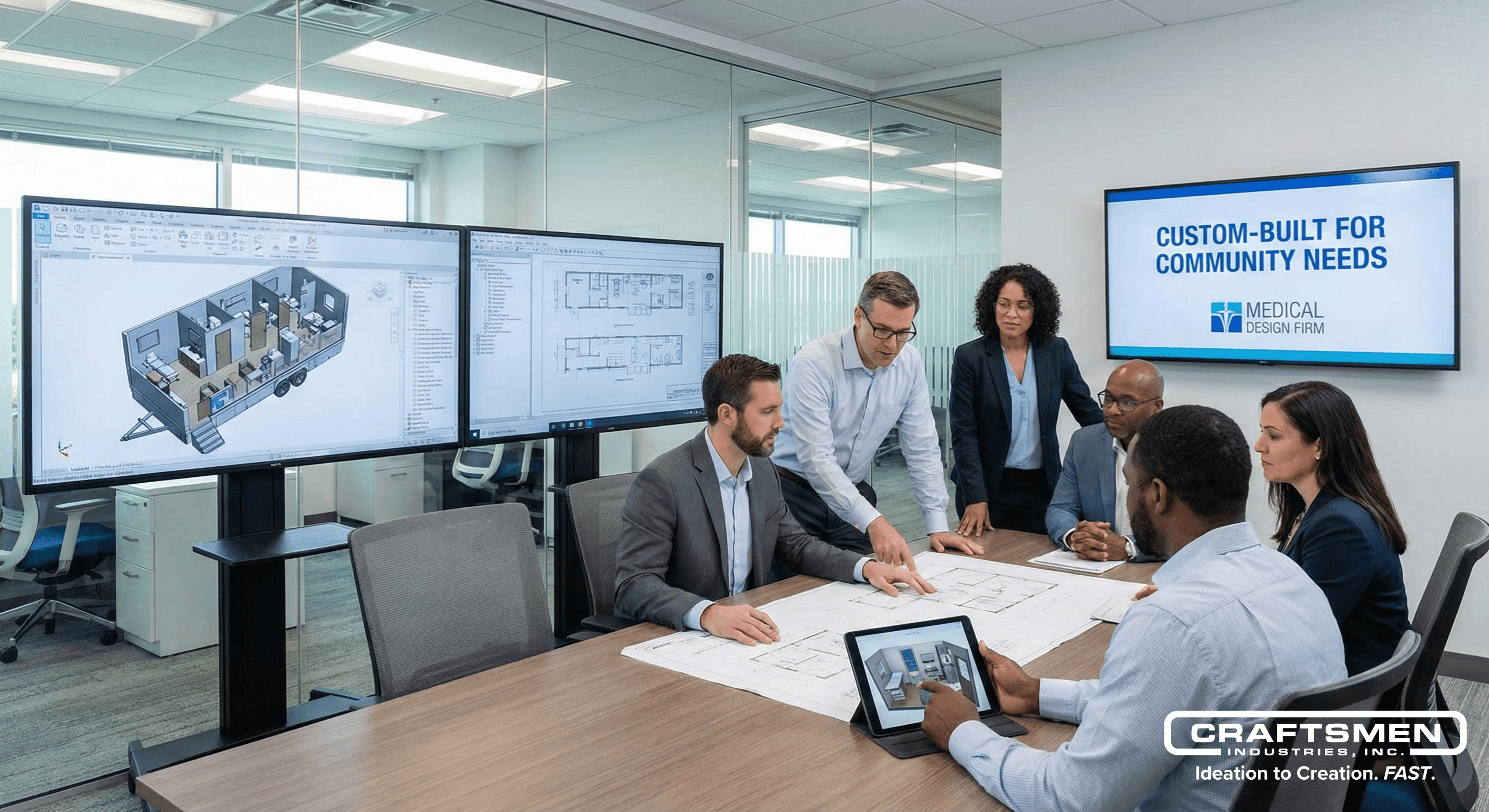
Community healthcare trailers are designed through collaborative processes between manufacturers and healthcare providers to meet specific community needs. The design process involves selecting appropriate platforms, integrating medical equipment, and ensuring regulatory compliance while maximizing patient care efficiency.
What Customization Options Exist for Unique Community Needs?
Customization options for unique community needs include platform selection, specialized room configurations, and integrated technology systems. Manufacturers offer platform options ranging from compact vans to large trailers based on service requirements. There are four main platform types: vans for urban screenings, RVs for multi-service clinics, trucks for heavy diagnostic equipment, and trailers for extended on-site operations.
Custom features include specialized exam rooms, diagnostic equipment bays, and telehealth consultation areas. These configurations support diverse services such as primary care, dental treatment, mammography, and laboratory testing. Wayne Health Mobile Unit partnered with insurers to create bundled payment models ensuring financial sustainability.
The customization process addresses specific population needs through targeted design elements. Rural communities benefit from satellite connectivity and expanded laboratory capabilities. Urban mobile units prioritize maneuverability and rapid deployment features.
How Do Clients Collaborate with Manufacturers to Develop Mobile Clinics?
Clients collaborate with manufacturers to develop mobile clinics through structured consultation and design phases. Leading manufacturers include Craftsmen Industries, Matthews Specialty Vehicles, LDV Custom Specialty Vehicles, and La Boit Specialty Vehicles. Additional manufacturers like Odulair, Summit Bodyworks, and AVAN Mobility offer specialized mobile healthcare solutions.
The collaboration process begins with needs assessment and service planning. Healthcare organizations work with manufacturers to determine required medical equipment, patient flow patterns, and staffing configurations. Design considerations prioritize reliable power sources, HVAC systems, and patient flow efficiency.
Manufacturers provide technical expertise in regulatory compliance and engineering specifications. Each mobile unit must meet FDA medical device regulations, HIPAA requirements, and ADA accessibility standards. The design phase includes 3D modeling, workflow optimization, and equipment integration planning to ensure operational efficiency and patient safety in the final mobile healthcare solution.
What Are the Advantages and Limitations of Using Community Healthcare Trailers?
The advantages and limitations of using community healthcare trailers center on improved patient access versus operational challenges. Mobile clinics have experienced 80% growth since 2013 in the United States while facing staffing difficulties in 33% of units according to a 2017 survey. These units return $1.5 billion annually to the healthcare system despite billing complexities and maintenance requirements.
What Challenges Exist in Delivering Care with Mobile Units?
The challenges in delivering care with mobile units include staffing shortages, reimbursement issues, and operational constraints. A 2017 survey revealed that 33% of mobile health clinics reported staffing difficulties. Unclear billing codes and variable payment rates lead to claim denials and unpredictable revenue streams.
Technical infrastructure presents additional barriers. Lack of EHR system interoperability hinders data sharing between mobile units and partner facilities. This gap prevents long-term impact measurement and care coordination. Operational challenges compound these issues through vehicle maintenance demands, fluctuating fuel costs, and weather-related service interruptions.
Mobile units must navigate regulatory inconsistencies across jurisdictions. Units crossing county or state lines face administrative burdens from varying licensure requirements. These operational complexities require dedicated resources beyond direct patient care delivery.
How Do Mobile Healthcare Trailers Improve Patient Reach?
Mobile healthcare trailers improve patient reach through strategic deployment and proven healthcare system value. Mobile clinics have experienced 80% growth since 2013 across the United States. These units return $1.5 billion annually to the healthcare system through preventive care and reduced emergency visits.
Accountable Care Organizations increasingly incorporate mobile clinics for population health management strategies. Insurance companies recognize mobile clinics’ value in reducing high-cost emergency department visits and hospitalizations. This recognition drives reimbursement model improvements and partnership opportunities.
Mobile units eliminate traditional access barriers including transportation, geography, and facility-based trust issues. Community-based parking at grocery stores, churches, and community centers ensures accessibility. The strategic positioning enables preventive care delivery before conditions require expensive emergency interventions. These advantages position mobile healthcare trailers as essential components in modern healthcare delivery systems addressing equity gaps.
How Can Communities Obtain and Deploy Healthcare Trailers?
Communities seeking healthcare trailers must navigate funding acquisition, operational planning, and deployment strategies. Federal grants, state programs, and private partnerships offer multiple pathways to procurement. The deployment process requires coordinated staffing, infrastructure setup, and maintenance protocols to ensure sustainable operations.
What Steps Are Involved in Procuring a Community Healthcare Trailer?
The steps involved in procuring a community healthcare trailer include identifying funding sources, applying for grants, and securing reimbursement agreements. Communities access funding through federal grants such as the $50 billion Rural Health Transformation Program, state health initiatives, and private philanthropy. Insurance reimbursement models provide ongoing revenue streams through bundled payment arrangements and fee-for-service billing.
Employers implement mobile clinics for workforce wellness programs to reduce absenteeism rates and healthcare costs. A 2021 study on employer-sponsored mobile health programs found 23% reduction in sick days among participating employees. Private-public partnerships combine resources from healthcare systems, community organizations, and local governments to share procurement costs.
Grant application processes require demonstrating community health needs, projected patient volumes, and sustainability plans. Communities strengthen applications by including letters of support from local healthcare providers, demographic data showing underserved populations, and operational budgets covering three-year projections.
What Is Required for Effective Set-Up and Maintenance?
Effective set-up and maintenance require multidisciplinary staffing teams, technology infrastructure, and operational systems. Mobile clinics employ nurse practitioners who dedicate 32% of their time to direct patient care, registered nurses for clinical support, and community health workers for outreach activities. Staff recruitment focuses on professionals with community health experience and cultural competency skills.
Technology infrastructure centers on reliable internet connectivity through 4G/5G cellular networks or satellite systems for telehealth consultations and EHR access. According to a 2023 FCC report on rural broadband, mobile clinics using hybrid connectivity solutions achieved 99.2% uptime for digital health services. Power systems include shore power connections, onboard generators, and battery backup units ensuring uninterrupted operations.
Maintenance protocols encompass regular vehicle servicing, medical equipment calibration, and supply restocking. Operating budgets allocate 15-20% for vehicle maintenance and fuel costs based on Mobile Health Map operational data. Communities establish partnerships with local mechanics, biomedical technicians, and supply vendors to streamline maintenance workflows.
Communities successfully deploy healthcare trailers through systematic planning encompassing funding acquisition, staffing recruitment, and infrastructure development. The next section explores partnering with specialized manufacturers like Craftsmen Industries to design custom mobile healthcare solutions tailored to specific community needs.
How Should You Approach Community Healthcare Trailers with a Specialized Manufacturer?
Working with a specialized manufacturer requires strategic planning and clear communication about your community’s healthcare needs. The procurement process involves assessing service requirements, understanding customization options, and establishing partnerships with experienced manufacturers who understand mobile healthcare delivery.
Can Craftsmen Industries Provide Solutions for Community Healthcare Trailer Needs?
Craftsmen Industries provides comprehensive mobile healthcare solutions with decades of manufacturing expertise. The company specializes in custom-built medical units ranging from basic screening vans to fully-equipped surgical trailers. Their portfolio includes primary care units, dental clinics, mammography coaches, and multi-service platforms designed for diverse community health programs.
Manufacturing capabilities at Craftsmen Industries encompass ADA-compliant designs, medical-grade HVAC systems, and integrated diagnostic equipment bays. The company collaborates with healthcare organizations to develop units meeting specific operational requirements and regulatory standards. Custom features include telehealth consultation areas, point-of-care laboratory spaces, and specialized exam room configurations tailored to community health initiatives.
What Are the Key Takeaways About Community Healthcare Trailers We Covered?
The key takeaways about community healthcare trailers are their proven effectiveness in delivering accessible care and generating substantial healthcare system returns. Mobile clinics achieve $17 ROI per dollar invested while serving 10 million patients annually across 3,600 units nationwide. These platforms overcome transportation, geographic, and trust barriers through community-centric deployment at churches, grocery stores, and community centers.
Service delivery through mobile units focuses on prevention and primary care, including hypertension screening, mammography, and social determinants assessment. Despite operational challenges in staffing, reimbursement, and regulatory compliance, mobile healthcare continues expanding through federal funding initiatives and value-based care models. The sector’s growth trajectory positions mobile clinics as essential infrastructure for addressing healthcare disparities in underserved communities.
Filter Posts by Tag
related posts

Use shows and conferences with Craftsmen and learn how to bring brands to life in event spaces. See our work on custom-built elements and branded graphics.
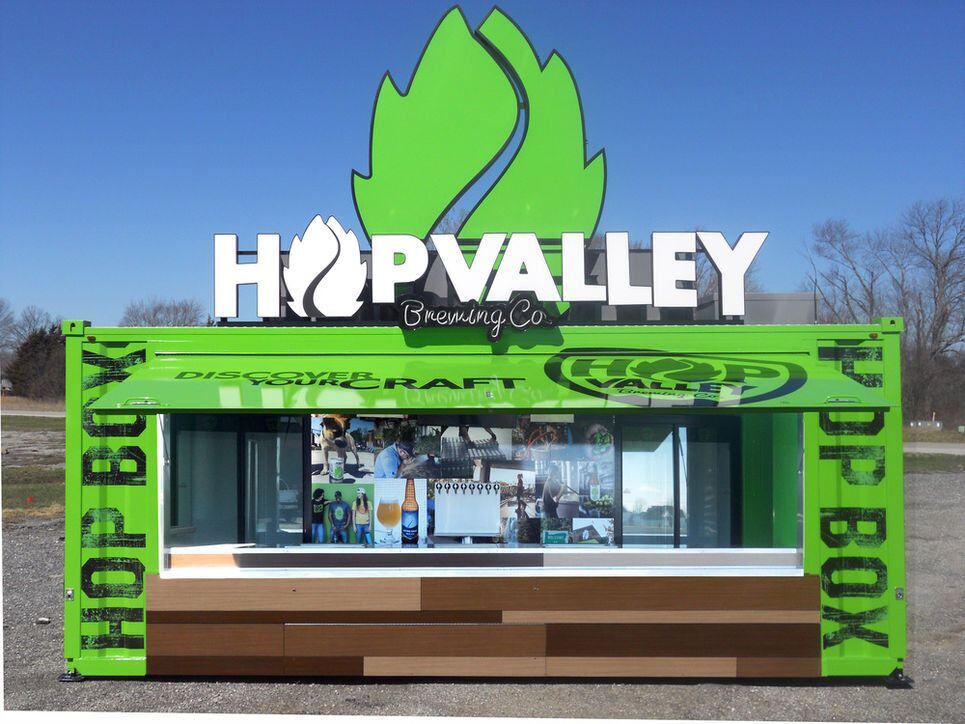
Mobile sampling experiences engage consumers where they live, work and play. Learn about taking your products directly to your consumers.
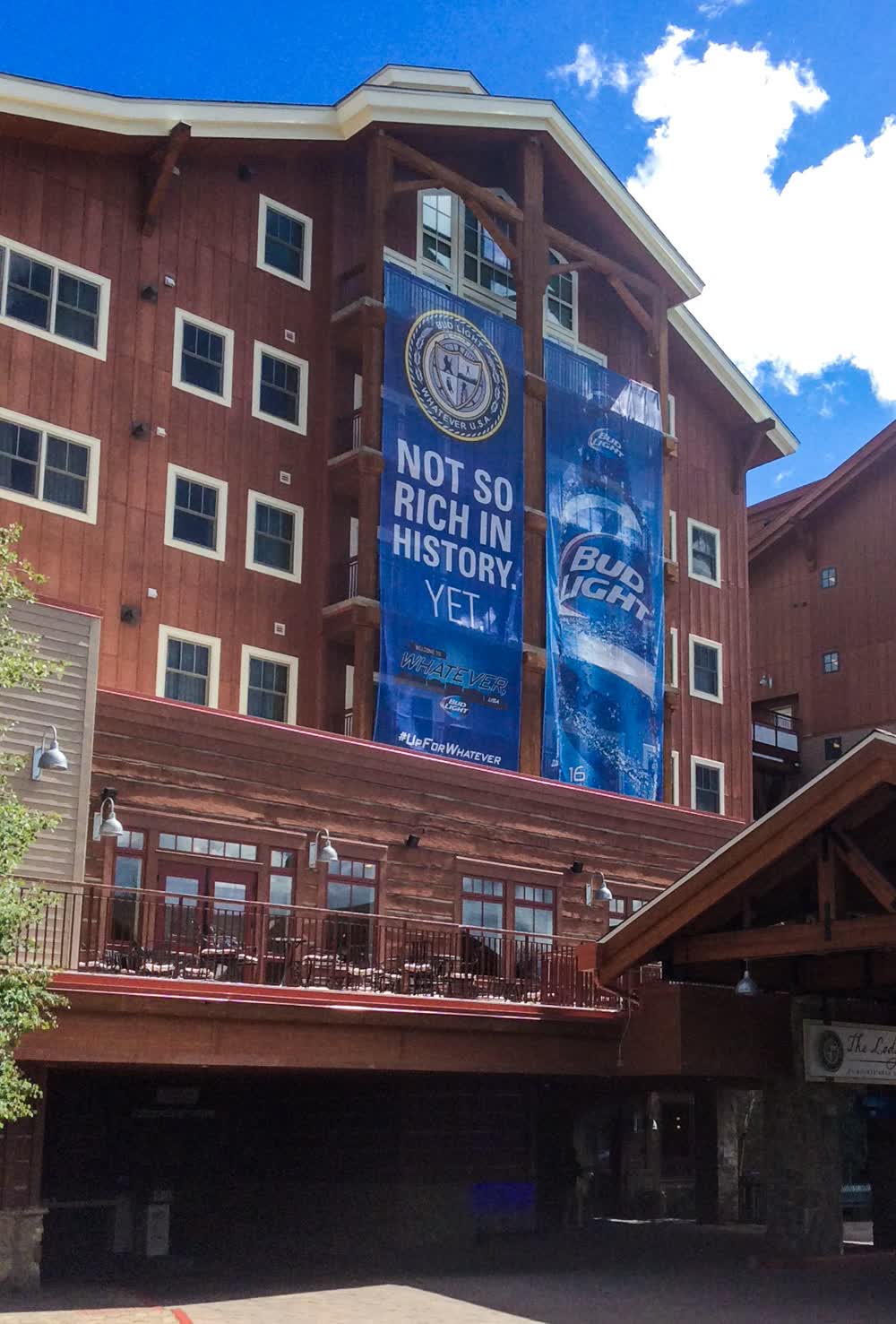
Advertising to local communities gives marketing campaigns a hometown advantage. What local advertisements are most effective? Read on.
