
Vinyl car wraps offer a versatile upgrade for both businesses and individuals, transforming vehicles into mobile billboards while providing paint protection and cost efficiency. High-quality vinyl wraps typically last between 5 and 7 years, with premium options extending up to 10 years under optimal conditions. Factors such as material quality, climate, installation, and maintenance play significant roles in determining the longevity of wraps. Understanding this timeline is crucial for businesses calculating return on investment and for car owners seeking durability. This guide explores the full lifespan of a wrap, from fresh installation to replacement, with research-backed insights and practical recommendations.
Why Understanding Wrap Lifespan Matters
The decision to wrap a vehicle is not only aesthetic but also financial. Businesses spend thousands of dollars on fleet wraps to ensure consistent branding, while personal owners invest in specialty finishes to elevate style. Without clear knowledge of longevity, both groups risk overspending or underestimating maintenance requirements.
Key reasons lifespan awareness matters:
- Return on Investment (ROI): Businesses need predictable advertising timelines.
- Paint Protection: The original paint condition affects vehicle resale.
- Brand Image: A fading or peeling wrap reduces professional credibility.
- Maintenance Planning: Knowing the lifespan helps schedule inspections and replacements.
Research from the Outdoor Advertising Association of America confirms that wrapped vehicles generate 30,000–70,000 impressions daily in metropolitan areas. With such exposure, ensuring a wrap looks professional throughout its life is critical to brand trust and recognition.
Factors Influencing Vinyl Car Wrap Longevity
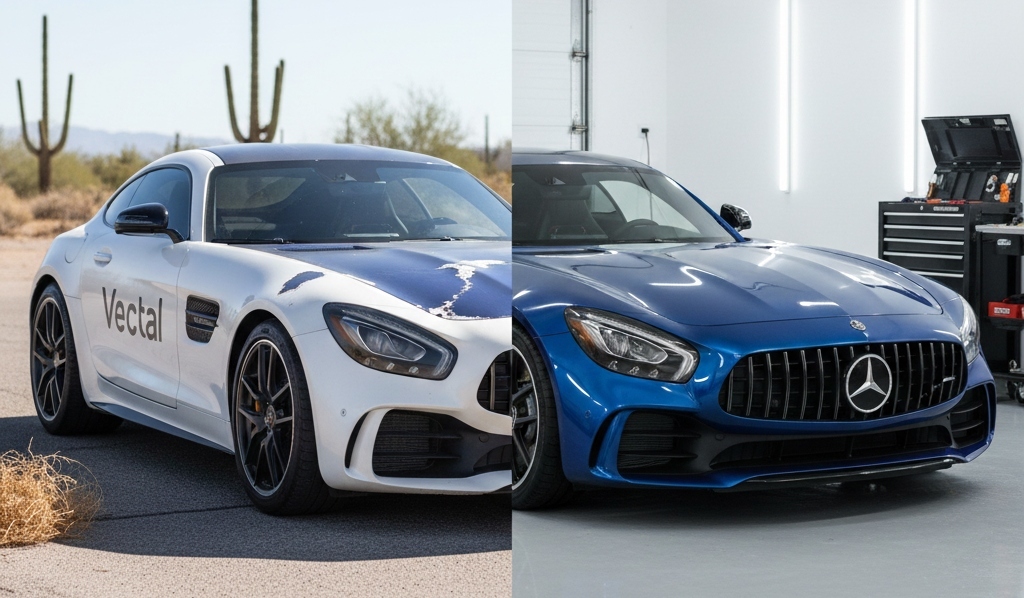
Several variables determine whether a wrap lasts two years or nearly a decade.
1. Material Quality
The type of vinyl makes the largest difference.
- Cast Vinyl: Thin, durable, and comfortable. Premium wraps like 3M 2080 and Avery Dennison Supreme Wrapping Film fall into this category, often lasting 5–7 years.
- Calendared Vinyl: Thicker, less flexible, and more prone to cracking. Typically used for temporary or budget wraps with a 2–3 year lifespan.
According to a University of Kentucky engineering report on polymers, cast films outperform calendared films under long-term UV stress due to their molecular stability.
2. Environmental Exposure
Climate and geography heavily impact wrap aging.
- High UV Areas: States like Arizona or countries like the UAE see accelerated fading.
- Cold Climates: Snow, road salt, and ice contribute to edge peeling.
- Urban Pollution: Acid rain and smog discolor lighter finishes.
3. Installation Quality
Even the best vinyl fails if poorly installed. Professionals clean surfaces, apply primer on edges, and heat-set vinyl around curves. DIY jobs often trap air bubbles, leading to premature lifting.
4. Maintenance Routines
A wrap’s survival depends on consistent care.
- Hand washing with mild soap extends the shelf life.
- Avoiding automated brushes prevents scratches.
- UV-protective sprays reduce fading in sunny areas.
5. Vehicle Usage
Fleet vehicles driven daily in rough conditions wear out wraps faster than garage-kept personal cars.
Average Lifespan Expectations
In general, high-quality wraps last 5–7 years, but there’s variation depending on usage:
- Fleet Vans/Trucks: 3–5 years due to constant outdoor exposure.
- Personal Cars: 6–7 years if garage-stored and maintained.
- Luxury/Show Cars: 7–8 years since usage is limited.
- Specialty Finishes (Chrome/Carbon Fiber): 2–4 years because these films are thinner and less UV-resistant.
The National Institute of Standards and Technology (NIST) highlights that polymer films exposed to UV radiation degrade 25–35% faster without protective coatings, reinforcing the importance of maintenance.
Year-by-Year Breakdown of Wrap Timeline
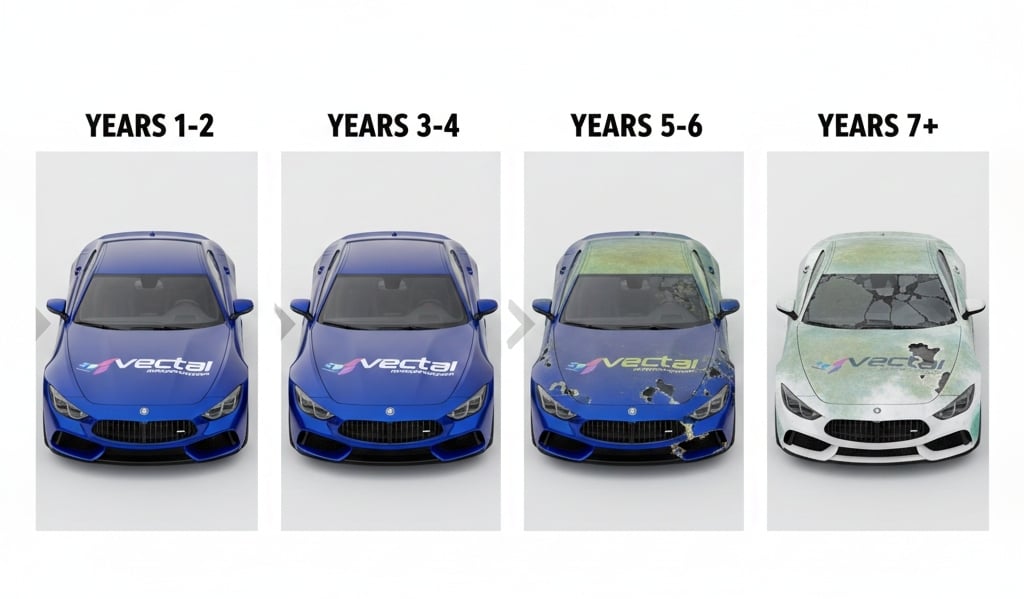
Understanding the typical lifespan of a vinyl wrap enables businesses to plan maintenance, replacements, and branding strategies more effectively. While materials, installation quality, and environment play major roles, most wraps follow a predictable lifecycle, transitioning from vibrant and flawless in the early years to visible wear and eventual replacement after extended use.
Years 1–2: The Golden Stage
- Colors are vibrant, finishes are flawless.
- Wrap offers full paint protection.
- Branding looks sharp and professional.
A plumbing company in Dallas installs new fleet wraps. Vehicles look pristine, generating strong customer recognition.
Years 3–4: Subtle Wear Begins
- Fading is noticeable on sun-facing areas (hoods, roofs).
- Slight lifting at edges if poorly maintained.
- Branding impact is still strong.
Delivery vans in Houston show early fading but remain serviceable for daily use.
Years 5–6: Visible Aging
- Gloss wraps lose shine, matte wraps develop uneven patches.
- Cracks may appear in high-stress curves.
- Businesses may consider panel replacements to extend life.
Year 7+: Replacement Stage
- Adhesive hardens, making removal harder.
- Peeling and cracking reduce branding effectiveness.
- Paint damage is possible if the wrap is neglected.
Wrap Lifespan by Vehicle Use Case
The longevity of a vinyl wrap depends significantly on how the vehicle is used and maintained. Daily drivers, delivery fleets, personal cars, and specialty vehicles experience different levels of wear and environmental exposure, which directly impacts the wrap’s lifespan. By understanding these variations, owners can adopt tailored maintenance strategies that extend durability and preserve the vehicle’s aesthetic appeal.
|
Vehicle Type |
Average Wrap Lifespan |
Primary Risk Factor |
Maintenance Priority |
|
Delivery Fleet (daily use) |
3–5 years |
UV + frequent washing |
Frequent inspections & panel replacements |
|
Personal Car (garage-kept) |
6–7 years |
Dust, pollution |
Regular hand washing + waxing |
|
Luxury/Show Car |
7–8 years |
Minimal use, but storage humidity |
Occasional cleaning + conditioning |
|
Specialty Chrome/Carbon |
2–4 years |
Thin film, UV damage |
UV protection & indoor parking |
This comparison shows that lifespan is directly tied to usage intensity and storage conditions.
Maintenance for Maximizing Wrap Longevity
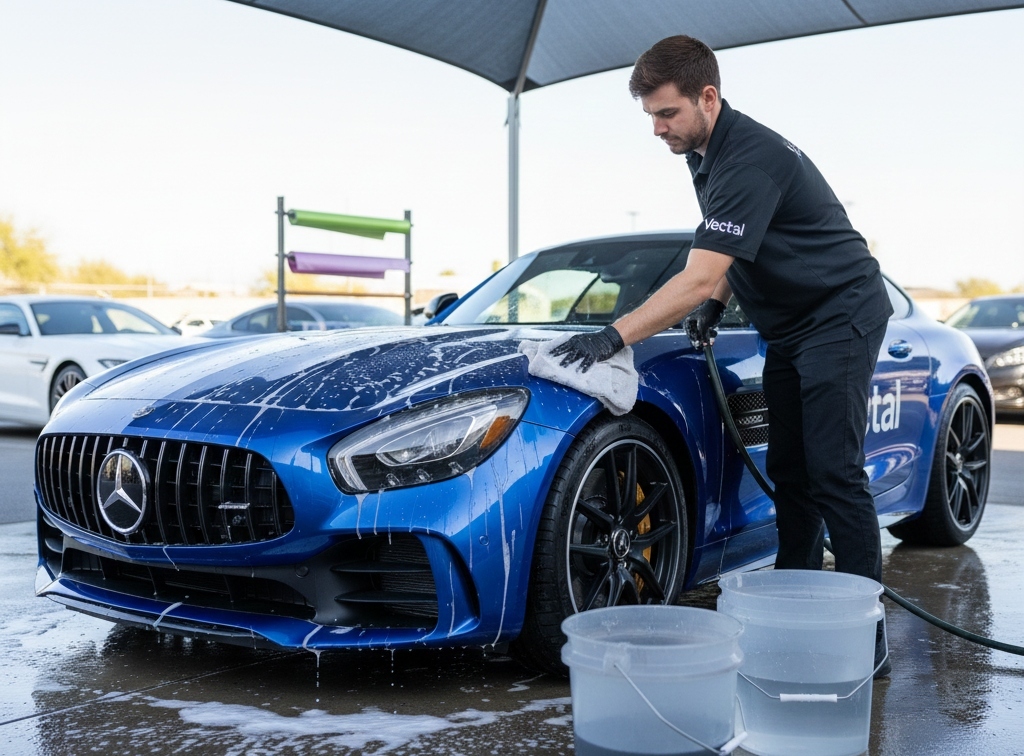
Extending the lifespan of a vinyl wrap requires consistent upkeep and protection from environmental stressors. Proper maintenance not only preserves the color and finish but also prevents premature wear, ensuring maximum return on investment.
Cleaning Best Practices
- Wash every two weeks with mild detergent.
- Avoid high-pressure washers near edges.
- Use microfiber cloths instead of brushes.
UV Protection
- Apply vinyl-safe UV sprays.
- Park in shade whenever possible.
- Use indoor garages for long-term storage.
Damage Prevention
- Remove bird droppings, sap, or fuel spills immediately.
- Avoid scraping ice or snow with sharp tools.
- Inspect edges quarterly for peeling.
The Environmental Protection Agency (EPA) notes that surface pollutants accelerate the degradation of polymer films, making cleaning critical for lifespan preservation.
Professional vs. DIY Wrap Longevity
When it comes to vinyl car wraps, longevity largely depends on the quality of the installation. Professionally applied wraps undergo proper surface preparation, precise edge sealing, and controlled heat treatment, ensuring the film adheres securely and resists early wear.
Professional Wraps
- Installed with surface prep, edge sealing, and heat treatment.
- Typically lasts 2–3 years longer than DIY wraps.
- Backed by warranties (3M and Avery often provide 5–7 year coverage).
DIY Wraps
- Prone to bubbling, peeling, and premature fading.
- Average lifespan is 1–3 years.
- Cost savings offset by reduced durability.
According to the Small Business Administration (SBA) , out-of-home marketing, which includes vehicle wraps, is a high-value channel for small businesses because it offers low cost per impression, consistent exposure, and strong local reach compared to many digital campaigns.
Environmental Impact and Sustainability
Traditional automotive paints release volatile organic compounds (VOCs) that harm air quality. Wraps are generally lower in VOCs, but they introduce challenges in vinyl waste disposal.
- Paint: Long-lasting but high emissions.
- Vinyl Wraps: Shorter lifespan but lower emissions during installation.
The EPA emphasizes the importance of responsible wrap disposal and recycling initiatives, which are slowly being adopted by major manufacturers.
Signs It’s Time to Replace a Wrap
Even the highest-quality vinyl wraps don’t last forever. Over time, exposure to sun, rain, and daily wear begins to show visible signs that it’s time for replacement. Recognizing these early indicators ensures you maintain both brand visibility and vehicle protection. The most common warning signs include:
- Peeling edges or corners.
- Faded graphics that reduce readability.
- Cracking on curves and bumpers.
- Adhesive hardening during removal.
If ignored, wraps past their prime can damage paint and reduce resale value.
Maximizing the Lifespan of Your Vinyl Wrap
A vinyl car wrap can last between 2 and 8 years, depending on factors such as material quality, professional installation, environmental exposure, and regular maintenance. Businesses using wraps for advertising often plan for a shorter replacement cycle than individuals with garage-kept personal vehicles. With the right maintenance, consistent washing, UV protection, and expert application, the full potential of a wrap’s lifespan can be fully realized.
For brands, this translates into years of mobile visibility and audience reach, while for individuals, it ensures long-lasting style and reliable paint protection.
Partner with Craftsmen Industries to design and install professional-grade vehicle wraps that deliver durability, cost-effectiveness, and maximum return on investment.
Frequently Asked Questions
Can a vinyl wrap really last 10 years?
Rarely. Even with perfect care, most wraps typically last 7–8 years before the adhesives break down.
Does climate affect wrap lifespan?
Yes. Hot, sunny, or polluted climates reduce life by 30–40%.
Is wrap removal safe for paint?
Yes, if done within the lifespan window. Neglected wraps can harden and damage paint.
Do partial wraps last as long as full wraps?
Yes, partial wraps last as long as full wraps on the covered sections. However, exposed paint still ages at a normal rate.
Can I wax a vinyl wrap?
Only with vinyl-safe waxes or sealants. Traditional waxes damage matte finishes.
Filter Posts by Tag
related posts
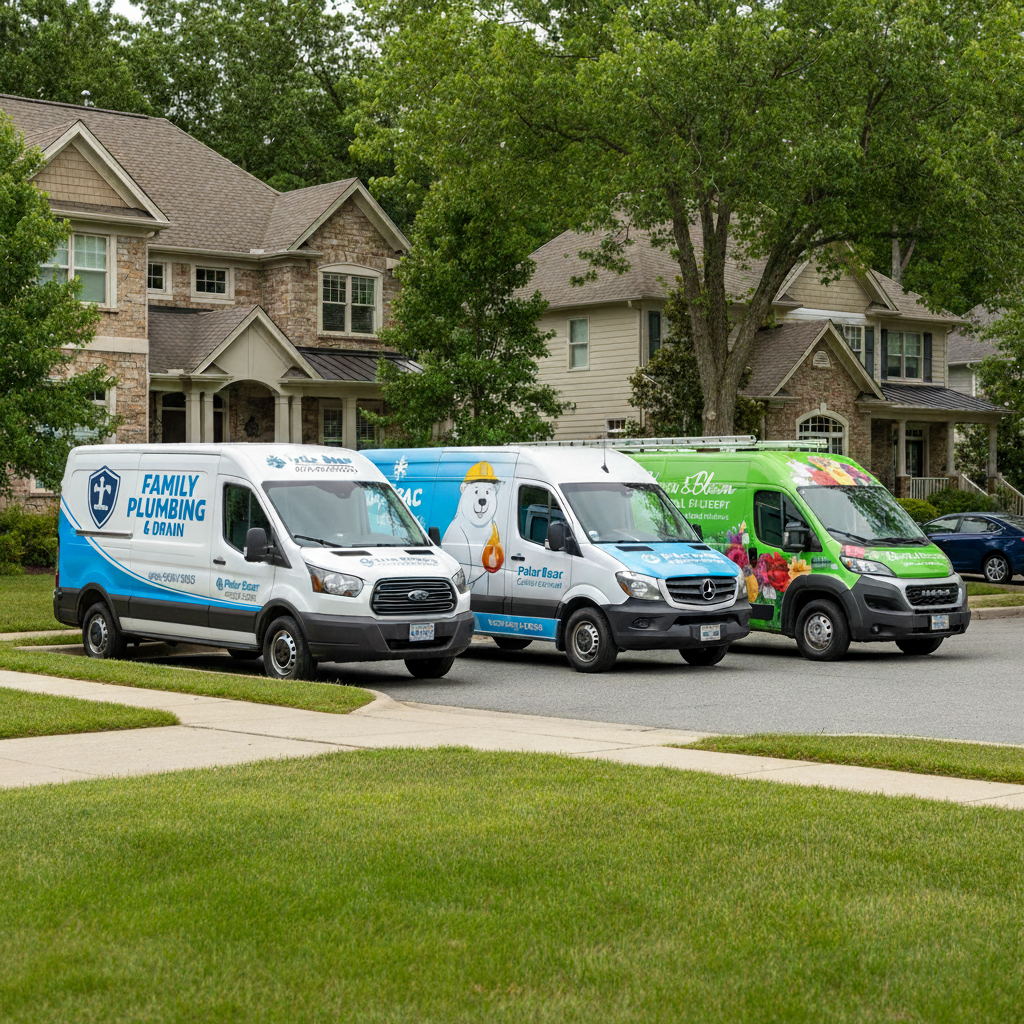
See real-world case studies showing how fleet graphics boost impressions, brand recall, and ROI—turning vehicles into powerful mobile billboards.
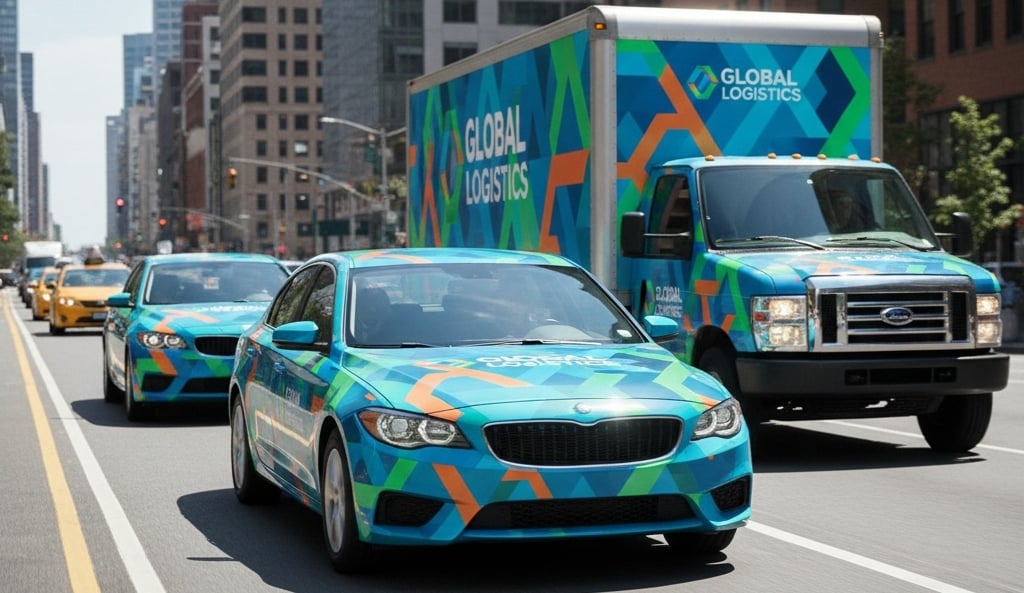
Fleet wraps protect vehicles,lower maintenance costs,extend lifespan,and boost brand image delivering longterm savings and professional fleet presentation.
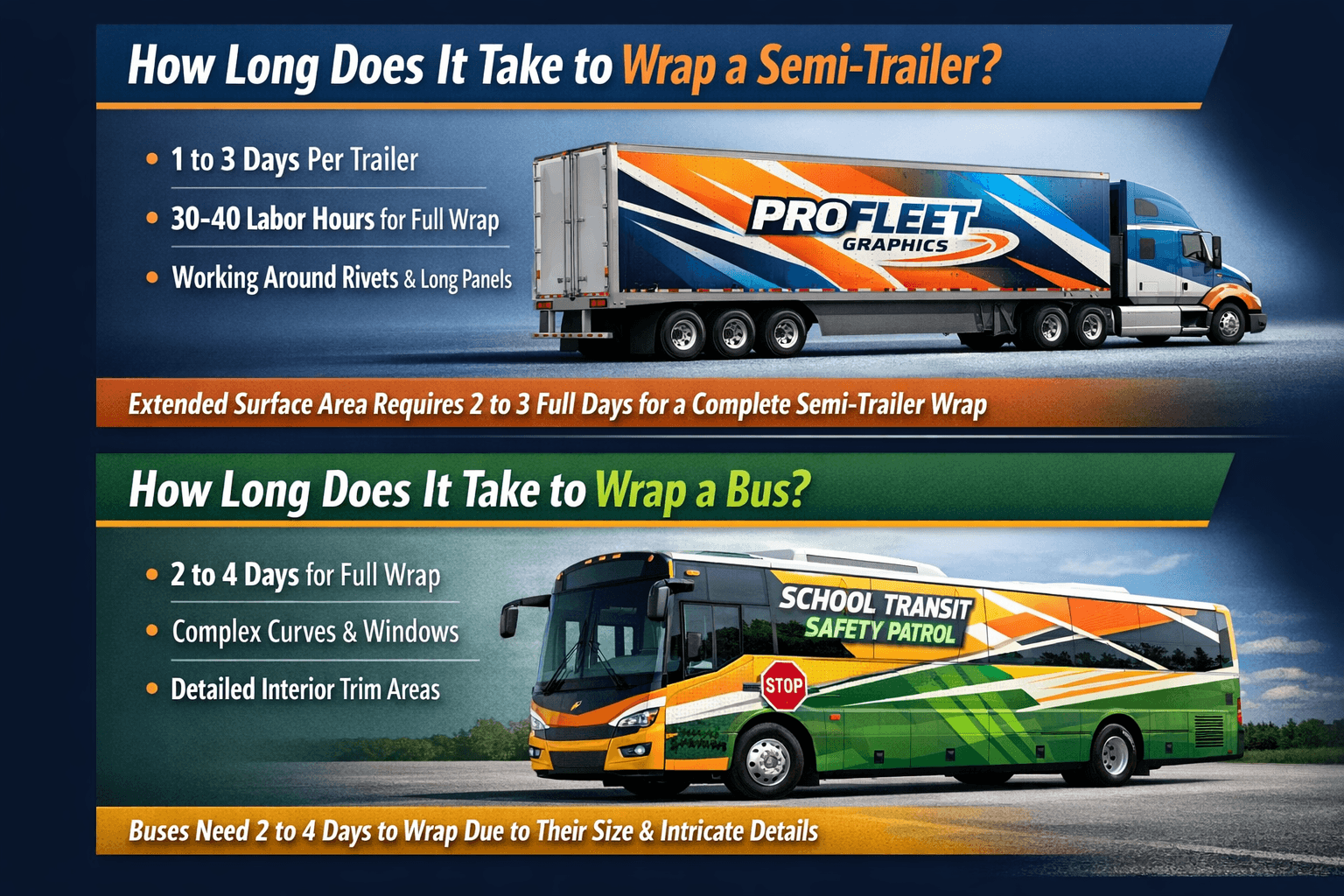
Fleet wrap turnaround time is the total duration from initial [...]
