

Outdoor signage impacts brand visibility effectively by turning every passerby into a potential customer. Studies back this up, as according to a National Morning Consult report for the Out-of-Home Advertising Association, 43% of adults who noticed an outdoor ad within the past 60 days visited a store within 30 minutes. This shows how clear, visible signage can quickly convert nearby attention into real customer action.
When your sign uses the right letter height and contrast, it commands attention from drivers and pedestrians at just the moment they look. Placed where people naturally approach and built to withstand sun, rain, and darkness, it acts as an around-the-clock billboard that builds recognition and trust. In the sections that follow, you’ll discover how size, placement, color, and lighting work together to make your brand impossible to ignore.
What Brand Visibility Means at The Curb
Your brand’s first impression often starts well before customers walk through the door. When people pass by your location, whether on foot or driving past, outdoor signage serves as their earliest physical connection to your business.
This initial moment is critical. A sign that captures attention at the right time and place helps create trust and signals that your business is professional, open, and ready to serve.
Importance for Walk-Up and Drive-By Audiences
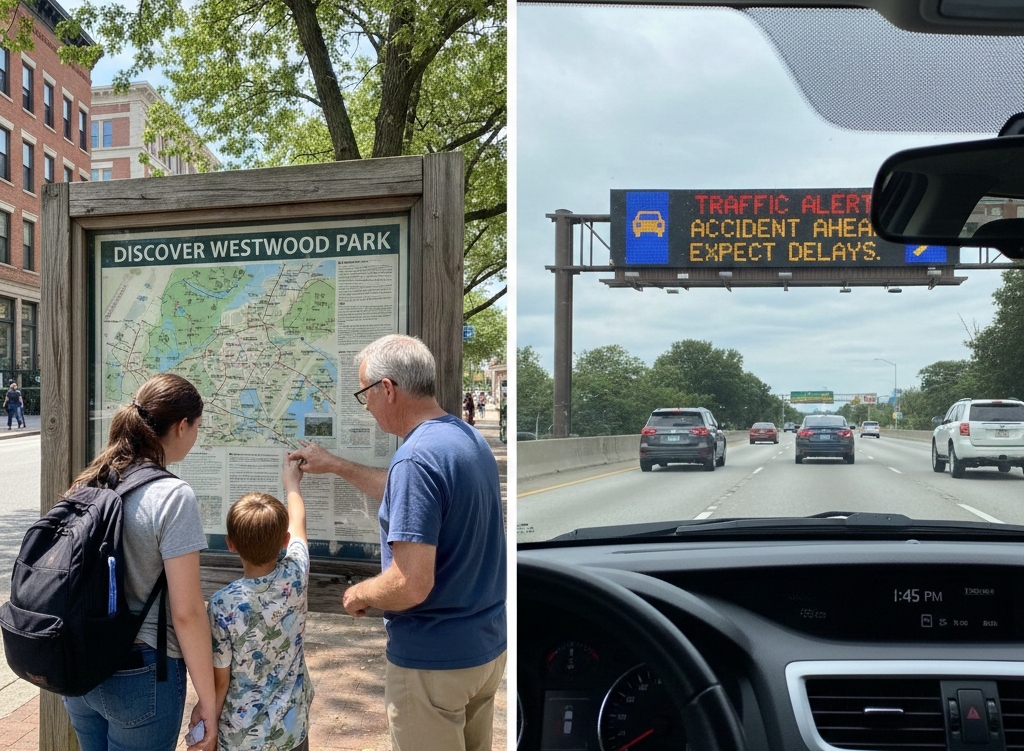
For pedestrians, the window of opportunity is brief. They typically scan their surroundings in just a few seconds, so your sign needs to be instantly recognizable and easy to read from common walking routes. If your signage blends into the background or contains too much information, it risks being overlooked entirely.
Drivers, moving faster and with more limited attention, require even greater clarity. Outdoor signage aimed at passing vehicles must be positioned in clear sightlines with letter sizes and contrast designed to be legible from a distance. This ensures that your message is absorbed before the driver passes your property.
Frequency and Proximity Build Recall
The power of outdoor signage lies not just in the initial impression but also in repeated exposure. When your sign is seen daily by the same local traffic, whether pedestrians, commuters, or nearby residents, it becomes part of the community’s visual landscape. Over time, this builds brand familiarity and trust without any additional advertising cost. Moreover, the closer viewers are when they read your sign, the stronger the mental connection becomes. Proximity sharpens memory, making your brand more likely to be remembered when someone needs your products or services.
By placing outdoor signage thoughtfully and designing it with the viewer’s experience in mind, you turn everyday passersby into loyal customers through repeated, clear, and memorable brand exposure.
How does outdoor signage improve curbside brand visibility?
Outdoor signage creates consistent and highly visible brand exposure. It grabs drivers’ and pedestrians’ attention when it matters most, serving as a constant reminder that your business is nearby and welcoming.
How Visibility Works in Practice
Getting your outdoor signage noticed and remembered is more than just putting up a sign. It’s about understanding how people’s eyes and brains work together to spot, read, and retain your message. Visibility happens in stages, from grabbing attention to leaving a lasting impression of your brand.
How People Notice, Read, and Remember Your Sign
At first glance, the human eye picks up on shapes, colors, and contrasts—these visual cues help your sign stand out from the background. Once noticed, the viewer quickly processes letters and words. That is why signs with simple, bold messages are far more effective than cluttered designs. Short phrases or even a well-known logo can be understood almost instantly, making it easier for people to remember your brand.
Studies comparing highway-sign typefaces show this in action: for example, in laboratory and field testing of the Clearview font against the standard Highway Gothic/FHWA series, the Clearview version achieved legibility improvements of up to 16% at night, enabling drivers to see and comprehend the content faster.
Read Time and Viewing Distance Explained
Legibility depends heavily on how far away someone is when reading your sign. A practical rule of thumb is that one inch of letter height equals about thirty feet of clear reading distance. For example, a six-inch letter can be easily read from approximately 180 feet away. This varies depending on environmental factors such as lighting, weather, and background complexity.
Busy urban areas might require larger letters or higher contrast to overcome visual noise. Understanding these basics helps you size your signage appropriately to ensure people have enough time to see, read, and act on your message.
|
Letter Height (inches) |
Recommended Viewing Distance (feet) |
|
4 |
120 |
|
6 |
180 |
|
8 |
240 |
|
10 |
300 |
Planning your letter height with your typical viewer’s distance in mind makes all the difference between a sign that gets ignored and one that drives recognition.
What size letters do i need for clear readability?
A good starting point is one inch of letter height for every thirty feet of viewing distance. Adjust larger if your sign is in a busy area or seen from a moving vehicle.
Four Primary Drivers of Effective Visibility
Creating outdoor signage that truly stands out means paying close attention to four key factors. Each element plays a crucial role in making sure your brand gets noticed and remembered by the right audience at the right time.
Placement and Sightlines
Where you put your sign is just as important as what it says. Signs positioned along natural sightlines where people are already looking have a much better chance of catching attention.
For drivers, this means placing signs where they can see them well ahead of turns or entrances, without any visual obstructions like trees or poles. For pedestrians, signs should be at eye level along common walking routes, so they don’t have to search to find your business.
Size and Letter Height
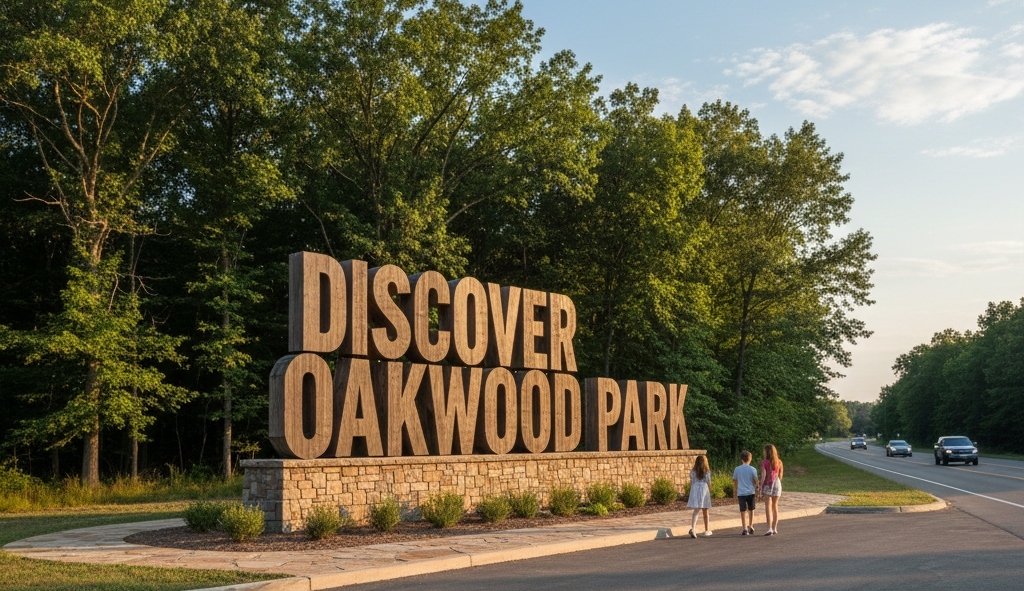
Size matters more than many realize. Letters that are too small simply disappear before they can be read. Matching letter height to typical viewing distances ensures your message is clear. For example, signs intended to be read from parking lots or slow-moving traffic lanes should have larger letters than those seen up close on a storefront.
Contrast and Typography
Clear contrast between text and background is a must. Bright backgrounds with dark letters or vice versa create instant clarity. Choosing fonts with open shapes and spacing improves readability even in challenging weather conditions like rain or glare from sunlight. Avoid overly decorative fonts that slow down reading or confuse the message.
Lighting for Day and Night
Effective lighting extends your sign’s visibility into the evening and early morning hours. Whether it’s direct illumination from well-aimed fixtures or backlit letters, good lighting keeps your message bright and legible without causing glare or light pollution. Warm color temperatures and shielded fixtures help maintain a professional look while making your brand easy to read after dark.
What Are The Key Factors That Drive Sign Visibility?
Sign visibility depends on thoughtful placement, properly sized letters, strong contrast and typography, and reliable lighting that works in all conditions.
Choose Formats that Match The Visibility Goal
Not every sign fits every situation. Selecting the right type of outdoor signage based on how and where people will see it is key to maximizing your brand’s visibility and impact.
- Building Identification Signs: Channel letters and wall-mounted signs are perfect for on-site recognition. They clearly mark your location and help visitors confirm they’ve arrived. These signs work well for close-range visibility and create a strong brand presence on your building.
- Monument and Pylon Signs: Freestanding monument and pylon signs catch the eye from the road and surrounding areas. They are ideal for attracting drivers and signaling entrances from a distance. These signs offer larger formats and can hold your brand message high and visible.
- Pedestrian Signs and Window Graphics: For foot traffic, smaller signs and window graphics guide customers right up to your door. They also offer opportunities for promotions or directional cues, helping shoppers make quick decisions when nearby.
- Digital Displays for Changeable Messages: Digital signs let you update your message instantly, making them great for specials, events, or wayfinding updates. They add flexibility and can draw attention with movement and brightness, especially in high-traffic or event-driven locations.
Which outdoor sign format works best for road visibility?
Monument and pylon signs are most effective for reaching drivers from a distance, while building and pedestrian signs serve close-range visibility needs.
Protect Visibility Over Time
Outdoor signage isn’t just about making an impact on day one. It’s a long-term investment that needs to look sharp and stay readable through all kinds of weather and wear. The materials you choose, the quality of fabrication, and how well the sign is installed all work together to protect your brand’s professional image and maximize your return.
Durable Materials and Finishes
Signs are constantly exposed to sun, rain, wind, and sometimes even snow or salty coastal air. To stand up to these elements, you want materials that resist fading, corrosion, and damage. Aluminum composite panels are a top choice for their strength and light weight. Pair these with UV-resistant coatings or marine-grade paints that keep colors true and prevent chalking or peeling.
Vinyl graphics designed specifically for outdoor use also provide vibrant, weatherproof visuals. Selecting the right combination upfront means your sign stays bright and inviting for years, reducing the need for early replacements or costly touch-ups.
Quality Fabrication and Installation
Even the best materials won’t perform well without precision fabrication and expert installation. Proper cutting, welding, and finishing ensure your sign holds its shape, avoids sagging, and fits perfectly in place. Certified installers play a critical role, too. They guarantee your sign is mounted securely, wired correctly for lighting, and aligned to avoid glare or shadows that could obscure your message. Their experience helps prevent common issues like uneven illumination or premature wear caused by improper mounting methods. This attention to detail ensures your sign works as hard as possible, day and night.
Simple Maintenance Tips
Once installed, keeping your signage in peak condition doesn’t have to be complicated. Routine cleaning to clear away dirt, dust, pollen, and other debris preserves legibility and color vibrancy. A soft brush or mild detergent with water usually does the trick.
It’s also important to schedule periodic inspections to catch loose screws, faded areas, or electrical issues early. Addressing these small problems quickly keeps your sign looking polished and avoids expensive repairs down the road. With a little care, your signage can remain a strong brand ambassador for many years.
How do i keep my outdoor sign looking vibrant over time?
Choose durable, weather-resistant materials, rely on certified installation for proper mounting and lighting, and commit to regular cleaning and inspections to maintain clarity and color.
Tracking the Effectiveness of Your Outdoor Signage
Installing new outdoor exterior signage is an investment, and knowing its impact helps you understand the real value it brings to your brand. Measuring the visibility lift goes beyond just looking at the sign itself; it’s about tracking how it influences customer behavior and awareness.
Before and After Checks
Start by gathering baseline data before your new signage goes up. This can include foot traffic counts, phone call volumes, website visits, or even sales numbers. After installation, monitor these same metrics to see what changes. Tools like unique phone numbers, custom URLs, or QR codes linked directly to your sign can help attribute new leads or visits back to your outdoor advertising. Comparing before-and-after figures gives you concrete evidence of your sign’s effectiveness.
On-Site Visibility Audits
It’s also useful to walk or drive the paths your customers take and observe your sign firsthand. Check whether your sign is easily visible from typical viewing angles and distances, and confirm it’s readable in different lighting conditions throughout the day. If your letters are hard to read or shadows obscure the message, you might need to adjust the placement or lighting. Simple audits like these ensure your investment continues delivering maximum visibility.
How can I track the impact of new outdoor signage?
Use baseline and follow-up data like foot traffic, calls, and online engagement, combined with on-site visibility checks to measure how well your new sign performs.
Common Mistakes that Reduce Visibility and Quick Fixes
Even well-intentioned signage can fall short if common pitfalls aren’t avoided. Understanding these frequent mistakes and how to fix them ensures your brand stays visible and impactful.
- Undersized Letters for Approach Speed: One of the biggest errors is using letters that are too small for the speed at which people approach. Drivers passing at 25 miles per hour or faster need larger letters to read your message clearly before they pass by. Increasing letter height or simplifying text can make a big difference in readability.
- Low Contrast Color Choices: Signs that blend into their backgrounds or use colors with poor contrast often get overlooked. Dark text on a dark facade or light text on a pale background reduces legibility. Switching to high-contrast color combinations or adding a solid backer panel behind your sign can dramatically improve visibility.
- Cluttered Copy Slows Reading: Too many words or overly complex messaging can confuse or slow down viewers. Keeping your signage concise with a clear hierarchy, such as a prominent business name and a simple tagline, helps people process the information quickly.
- Poor Aiming or Brightness at Night: Inadequate or uneven lighting can cause glare, shadows, or dark spots that obscure your sign after sunset. Properly aimed fixtures and the right brightness level ensure your sign remains clear and inviting around the clock.
Take Your Brand Visibility Further Today
Your outdoor signage is more than a sign, it’s a powerful, 24/7 ambassador for your brand. When designed and installed right, it turns everyday passersby into loyal customers. Craftsmen Industries is ready to help you make that happen with expert visibility assessments tailored to your location and goals.
Request a free site evaluation today. We’ll analyze your current visibility, recommend the perfect sign types and placements, and guide you through durable material choices that keep your brand vibrant year after year. Let’s work together to create outdoor signage that truly stands out and drives your business forward.
Contact Craftsmen Industries now and start turning your curb appeal into lasting brand visibility.
Frequently Asked Questions
How Can Outdoor Signage Influence Customer Perception?
Outdoor signage shapes how people view your business before they even walk inside. Well-designed signs convey professionalism, quality, and trustworthiness, which can influence purchasing decisions and customer loyalty.
What Are The Benefits Of Using Environmentally Friendly Sign Materials?
Eco-friendly signage options like recycled aluminum or sustainable vinyl reduce environmental impact. They also appeal to customers who value green practices, enhancing your brand’s reputation in the community.
How Often Should Outdoor Signage Be Updated Or Refreshed?
Signs typically last 5-10 years depending on materials and exposure. Refreshing graphics, upgrading lighting, or redesigning elements every few years keeps your brand current and maintains maximum impact.
What Role Does Color Psychology Play In Outdoor Signage?
Colors influence emotions and decisions. Choosing the right color palette for your signage can attract attention, evoke specific feelings, and reinforce your brand identity in subtle but powerful ways.
How Can Outdoor Signage Support Local Marketing Efforts?
Well-placed signage serves as free, ongoing advertising for your business within the local community. It complements other marketing channels by increasing brand awareness and driving foot traffic in your immediate area.
Filter Posts by Tag
related posts
Decided to go with non-illuminated signs? Click to learn more about how to highlight your non-illuminated signage.
Looking for the best way to analyze your event marketing campaigns? Check this article to discover how to measure event marketing success and its benefits!

Why are fleet graphics an effective marketing tool? Want to improve your marketing strategy and drive brand recognition? Click here to learn everything!
