
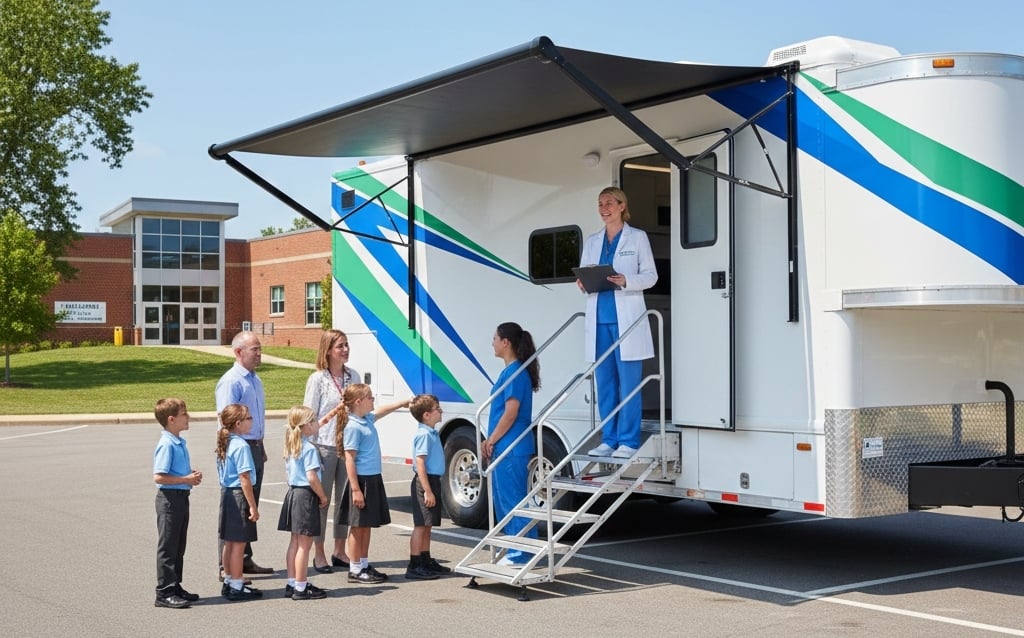
Every year, millions of school-age children face silent struggles caused by untreated vision problems. According to the Centers for Disease Control and Prevention (CDC), nearly 25% of children aged 5 to 17 experience vision issues that directly affect learning and development. When these problems go undetected, the consequences ripple into poor reading ability, behavioral difficulties, and long-term academic underperformance.
Mobile eye clinics provide a transformative solution by bringing diagnostic tools and optometrists directly into schools. They eliminate barriers of cost, distance, and time while ensuring early detection. By offering convenient, on-site screenings, mobile units expand access to preventive care and help safeguard both education and lifelong health outcomes.
How Mobile Eye Clinics Transform School Screenings
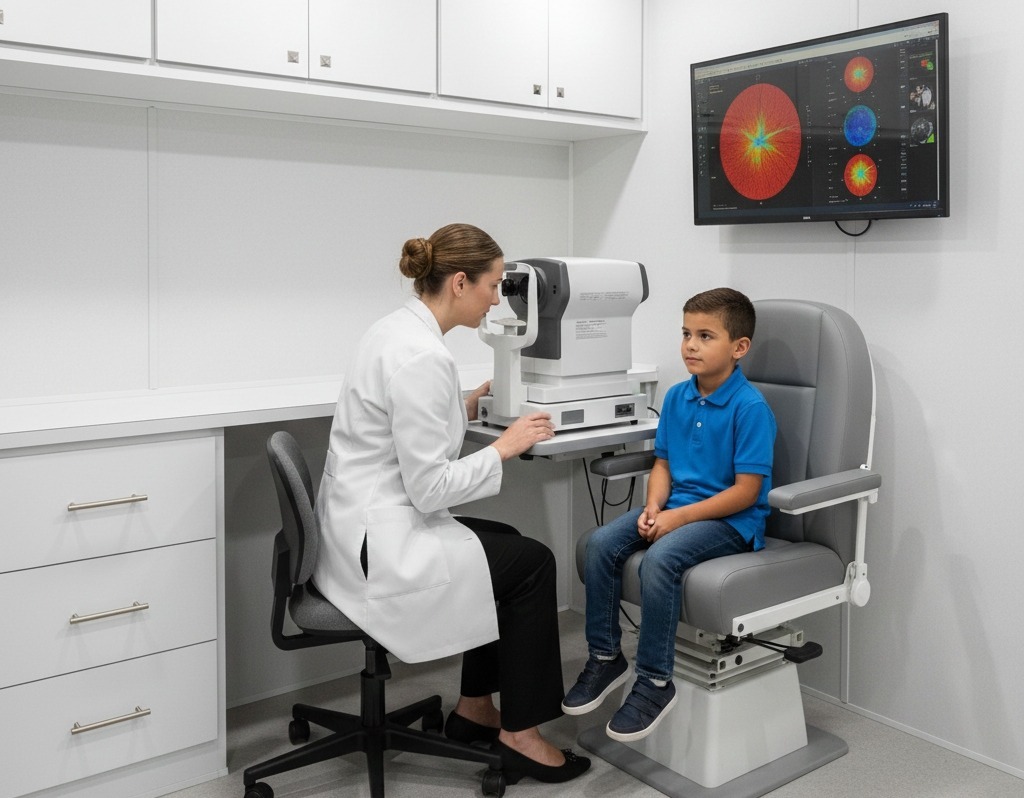
Schools serve as natural centers for preventive care, making them the ideal setting for mobile eye clinics. These units act as traveling optometry offices, equipped with modern tools to diagnose and address a wide range of eye conditions.
Features of mobile eye clinics in schools:
- Portable autorefractors for identifying refractive errors such as myopia or hyperopia.
- Retinal imaging devices to screen for conditions like glaucoma and diabetic retinopathy.
- Vision software systems that ensure accurate, standardized reporting.
- Optical dispensing equipment to provide glasses directly to students.
Benefits delivered through on-site clinics include:
- Screenings are performed in a familiar, comfortable environment.
- Elimination of parental scheduling burdens and missed workdays.
- Immediate detection of vision issues followed by quick referrals.
- Increased compliance because children are screened during school hours.
By turning schools into centers of early detection, mobile eye clinics maximize participation and ensure no child’s vision is left unchecked. According to the National Eye Institute, early school-based vision screenings significantly improve detection rates and academic outcomes.
Why are mobile eye clinics more effective than traditional school referrals?
Mobile clinics bring advanced diagnostic tools directly to schools, providing immediate screening, early detection, and timely interventions. This reduces delays, increases participation, and ensures children receive the care they need without leaving the school environment.
Evolution of School Vision Screening Programs Over Time
School-based vision screening has undergone major advancements in the past five decades, evolving from simple eye charts to sophisticated diagnostic systems.
Early Screening Units in the 1970s and 1980s
- Relied heavily on Snellen eye charts administered by teachers or nurses.
- Limited in scope, missing conditions like color blindness or retinal disease.
- Often produces false negatives, leaving vision disorders undiagnosed.
Growth of Specialized Mobile Programs in the 1990s–2000s
- Industrial demand for workplace vision testing drove the expansion of mobile services.
- Schools in underserved communities began partnering with nonprofits for screenings.
- Introduction of vision mobile medical vans that offered more comprehensive services.
Modern Integrated Mobile Eye Clinics
- Equipped with digital retinal cameras, telehealth connectivity, and refractive analyzers.
- Comparable to fixed optometry centers in accuracy and speed.
- A CDC study found that mobile mammography and vision units increased screening compliance in underserved groups by over 40%.
The progression of mobile vision programs demonstrates how schools have transitioned from basic screenings to robust, technologically advanced care systems.
Key Benefits of Using Mobile Eye Clinics in Schools
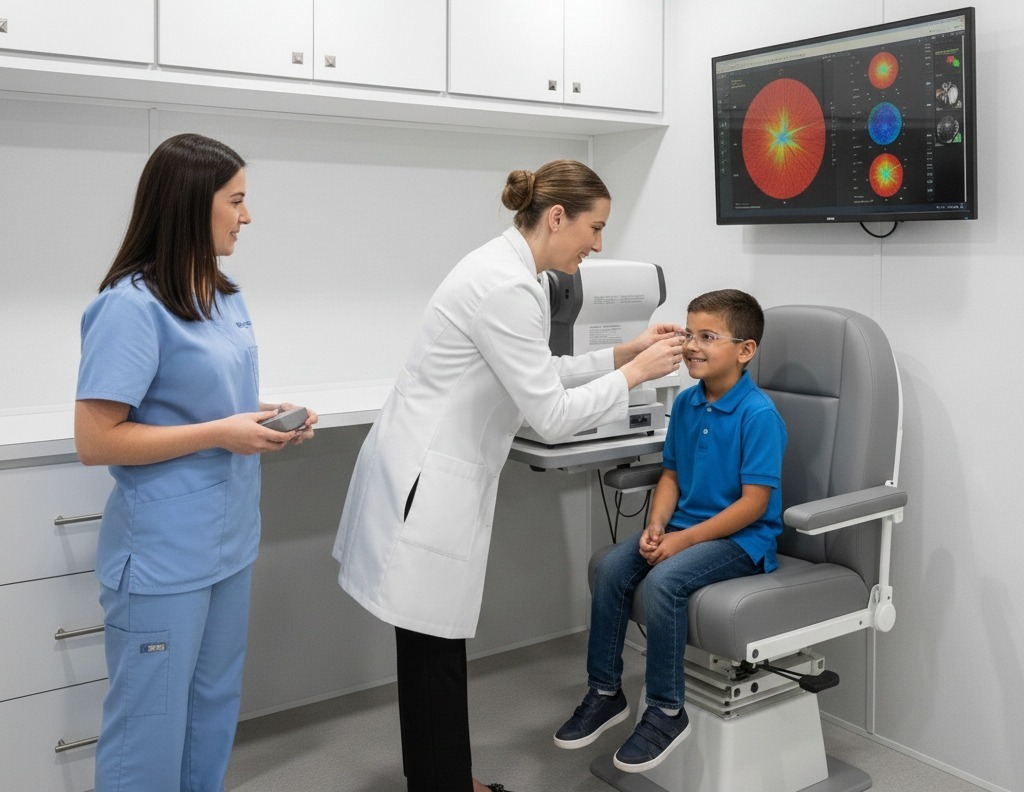
The adoption of mobile eye clinics provides measurable benefits for students, schools, and communities.
Convenience and Accessibility:
- Care is delivered at the point of need, within the school.
- Families save time and resources otherwise spent on external appointments.
- Children feel comfortable undergoing tests in a familiar setting.
Cost Efficiency:
- Reduces long-term healthcare expenses through early detection.
- Helps families avoid transportation costs and lost income from work absences.
- Many districts leverage state and federal health grants to fund clinics.
Academic and Health Impact:
- The American Academy of Ophthalmology confirms that 80% of classroom learning relies on vision.
- Early detection of refractive errors leads to better academic results.
- Prevents lifelong vision impairment by catching problems early.
The benefits extend far beyond immediate care, shaping stronger learning environments and healthier communities in the long run.
Comparison of Diagnostic Tests and Turnaround Times
To illustrate the efficiency and impact of mobile eye clinics, it is useful to compare traditional school-based vision screenings with services provided directly on-site. Mobile units not only reduce delays but also expand the range of diagnostics that can be offered immediately to students. The following table highlights key differences in testing types, turnaround times, and the benefits gained when schools adopt mobile eye clinics:
|
Diagnostic Test Type |
Traditional Model Turnaround Time |
Mobile Eye Clinic Time |
Benefit Gained |
|
Visual Acuity / Eye Charts |
Scheduled visits, days of delay |
Same day on-site |
Immediate identification of vision issues |
|
Retinal Imaging |
Referral to an external clinic |
Onboard imaging |
Early detection of eye disease |
|
Refractive Error Detection |
Specialist appointment delays |
Automated on-site scan |
Quicker prescription for glasses |
|
Color Blindness Screening |
Rarely offered in schools |
Provided on-site |
Broader detection coverage |
Key insights:
- Traditional models often involve multiple visits and long wait times.
- Mobile diagnostics compress the timeline from weeks to hours.
- On-site screening minimizes dropouts between the referral and treatment stages.
With mobile diagnostic tools, schools gain faster, more efficient, and more inclusive vision screening compared to traditional models.
Challenges and Barriers in Expanding Mobile Eye Clinics
Despite their success, mobile eye clinics face hurdles that must be addressed for long-term sustainability.
Funding Constraints
- Units cost $200,000–$300,000, depending on equipment.
- Heavy reliance on government grants or nonprofit partnerships.
Staffing and Expertise Needs:
- Licensed optometrists, ophthalmic technicians, and support staff are required.
- Continuous training ensures accuracy in the use of digital equipment.
Logistical and Scheduling Barriers:
- Coordinating school schedules with clinic visits.
- Maintaining follow-up care after screenings.
- Limited availability of specialized staff in rural regions.
According to the Health Resources and Services Administration, provider shortages remain a critical barrier to expanding school-based health programs.
Addressing these challenges requires innovative funding models, workforce training, and strategic partnerships to extend the reach of mobile clinics.
Future of Mobile Eye Clinics in Vision Care
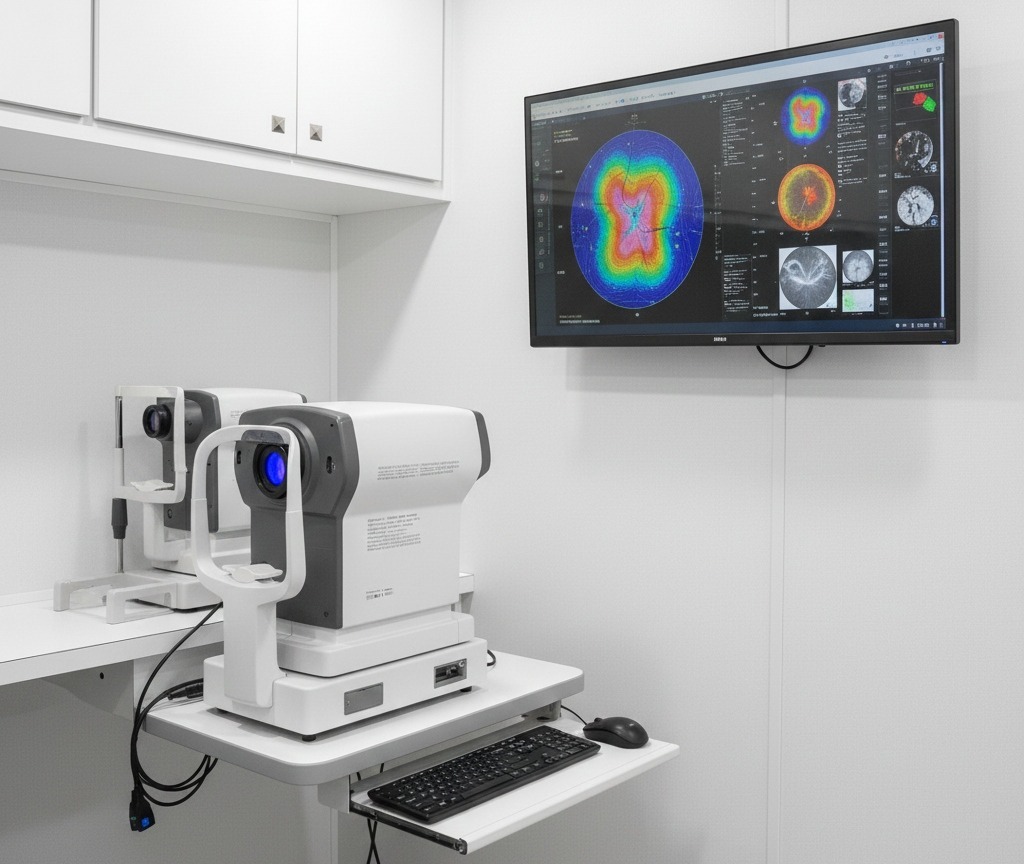
The future of vision care is deeply tied to technology and collaboration.
Telehealth Integration
- Remote consultations with specialists reduce travel and wait times.
- Secure HIPAA-compliant systems protect sensitive student data.
AI-Enhanced Screening
- Algorithms enhance the accuracy of diagnoses, such as diabetic retinopathy.
- Stanford University research found AI improved detection accuracy by 91% in field screenings.
Collaborative Partnerships
- Public-private partnerships help sustain funding.
- NGOs, schools, and health agencies improve program scalability.
Wearable Tech in the Future:
- Smart glasses and wearable monitors may soon be linked to mobile clinics.
- Continuous monitoring will support early intervention.
By adopting digital tools and fostering strong collaborations, mobile eye clinics are poised to set new standards in child vision care.
Building a Clearer Future with Craftsmen Industries
Mobile eye clinics represent more than mobile healthcare education; they represent equity, access, and academic success for children who need it most. By detecting and treating vision problems early, schools can significantly improve educational outcomes and enhance lifelong health.
Craftsmen Industries specializes in building advanced medical vehicles tailored for school vision screening. Their solutions combine innovation, durability, and functionality, ensuring schools and health providers can deliver trusted care anywhere.
Partner with Craftsmen Industries today to design a mobile eye clinic that empowers schools and creates healthier futures.
Frequently Asked Questions
What age groups benefit most from mobile eye clinics?
Mobile eye clinics primarily target school-age children, typically between 5 and 17 years old. Early screenings help detect vision problems that can impact learning, behavior, and overall development.
How often should schools schedule mobile vision screenings?
Experts recommend annual screenings for all students, with additional follow-ups for children who are identified as having vision issues. Regular checks ensure timely detection and intervention.
Are mobile eye clinics cost-effective for schools?
Yes, mobile clinics reduce transportation costs, parental time off, and expenses associated with delayed care. They provide on-site services that prevent long-term academic and health impacts, making them a cost-efficient solution.
What types of vision problems can be detected on-site?
Mobile clinics can identify refractive errors (myopia, hyperopia), color blindness, strabismus, and early signs of eye diseases such as glaucoma or retinal issues using advanced digital diagnostic equipment.
Are the results from mobile screenings reliable?
Yes, because mobile eye clinics use calibrated, professional-grade equipment and follow standardized protocols. Many programs comply with HIPAA and NEI guidelines to ensure accurate, secure, and trustworthy results.
Filter Posts by Tag
related posts
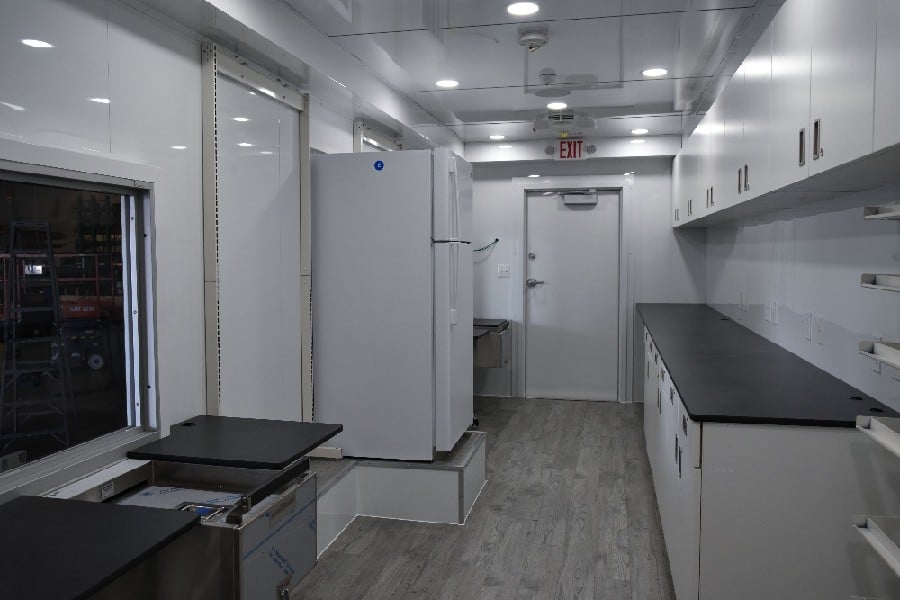
Dive into vital medical coach regulations and safety standards for enhanced patient safety in mobile healthcare. Stay compliant, prioritize security.
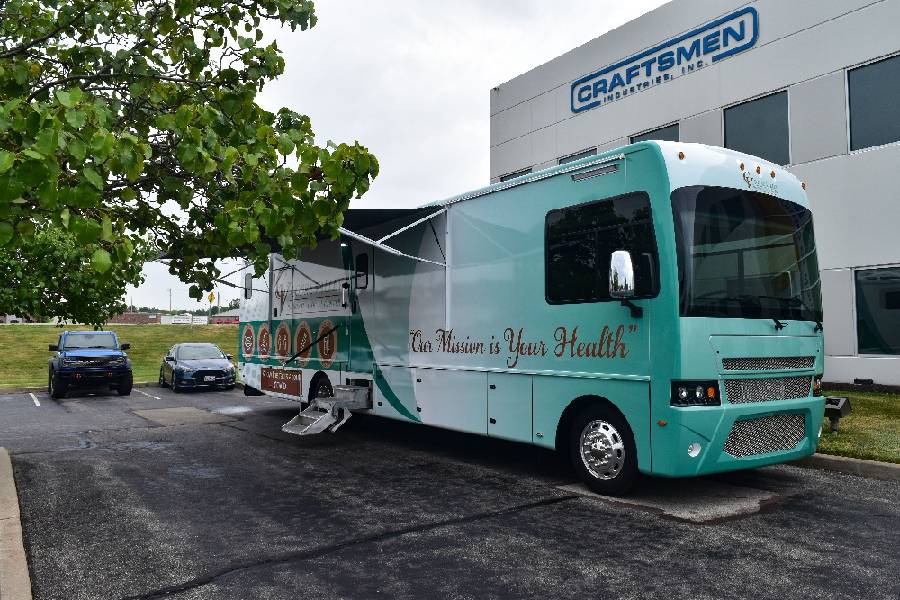
Do traveling nurses work in mobile healthcare units? Learn how traveling nurses provide vital medical care on the go in mobile healthcare settings.
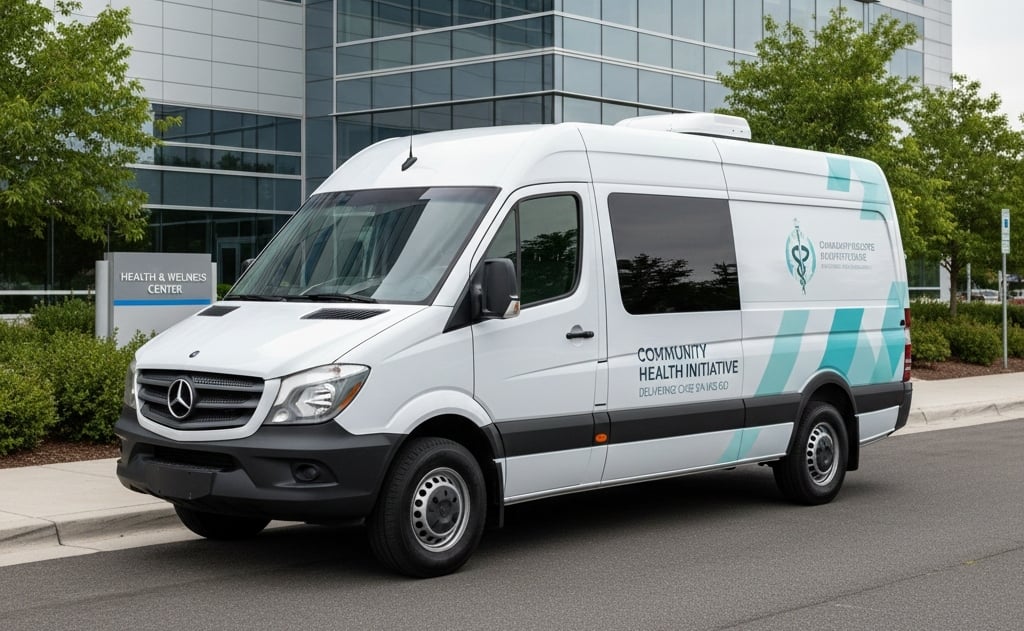
Discover the full cost breakdown of mobile medical vehicles, including pricing factors, equipment, customization, and maintenance to plan your investment confidently.
