
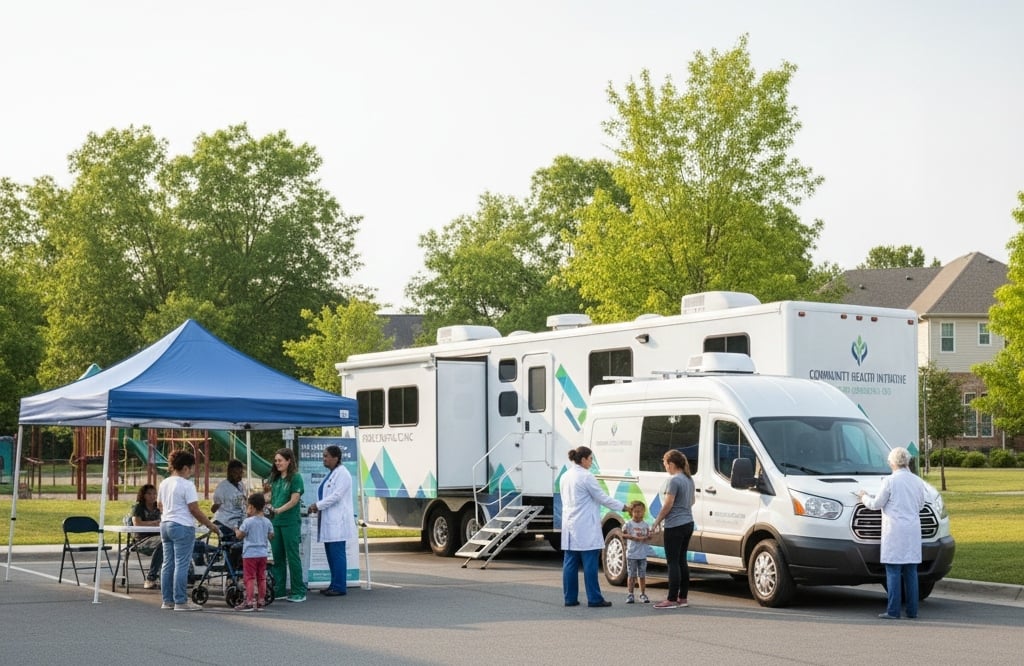
Mobile medical and healthcare services are transforming how communities access care by taking clinics on the road to reach rural towns, underserved urban neighborhoods, and disaster-affected areas. These units break barriers like distance and lack of local facilities, ensuring that care reaches those who need it most.
Across surveyed U.S. mobile clinics, 55% of clients were women and 59% were racial/ethnic minorities. Among clinics reporting insurance data, 41% of clients were uninsured and 44% had public insurance, demonstrating the crucial role of mobile units in serving vulnerable populations.
Each mobile clinic relies on a dedicated operator, the organization that funds, staffs, manages, and maintains the service. Operators range from hospitals and nonprofits to government agencies and private companies, each shaping how care is delivered, who benefits, and how sustainable the program is over time.
Key Operators and Organizations Driving Mobile Healthcare Services
Mobile medical services are operated by a variety of organizations, each with distinct objectives, structures, and target populations. Knowing who manages these units is crucial for understanding service priorities, funding models, and community impact. From large hospital systems to nonprofit outreach programs, the operator type influences vehicle design, staffing, and deployment frequency.
Hospitals and Health Systems
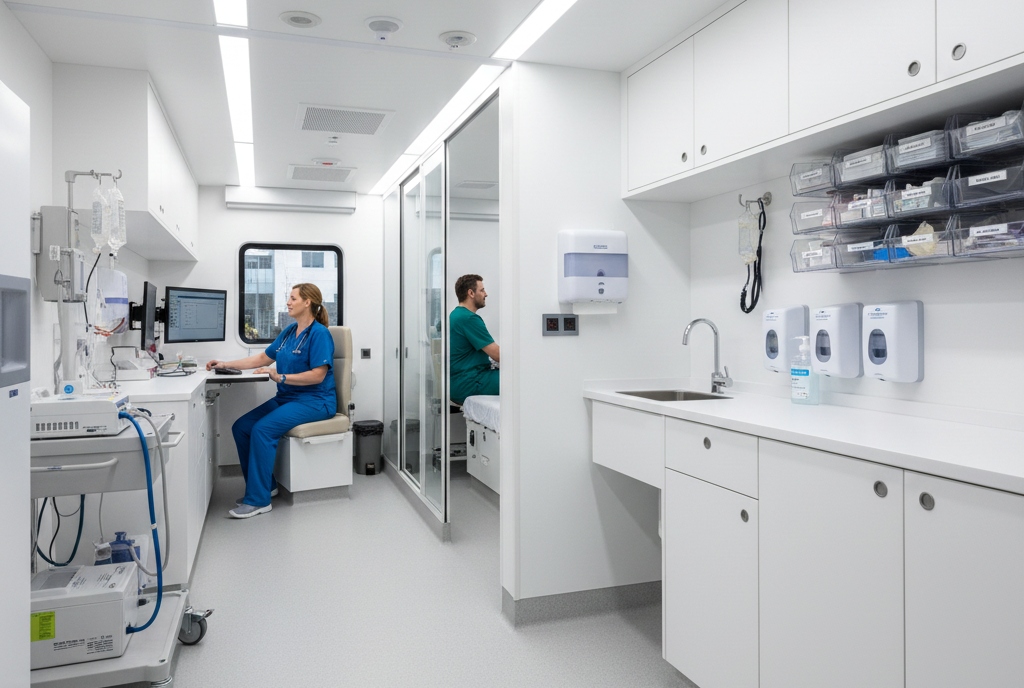
Hospitals are among the primary operators of mobile medical units. They deploy these vehicles to extend care beyond the hospital walls, offering preventive screenings, chronic disease management, vaccination drives, and specialty services such as oncology follow-ups or dialysis.
By integrating mobile units into their healthcare networks, hospitals can reduce patient congestion, improve population health outcomes, and provide continuity of care in underserved areas. Large hospital systems often equip their vehicles with advanced diagnostic tools, telehealth capabilities, and specialized medical devices to maintain high-quality service standards on the move.
Federally Qualified Health Centers (FQHCs)
FQHCs operate under federal funding to provide comprehensive primary care in medically underserved areas. These organizations often rely on mobile units to supplement fixed-site clinics, ensuring vulnerable populations receive essential services such as immunizations, maternal care, and chronic disease monitoring. FQHC mobile units are typically smaller than hospital vehicles but strategically routed to maximize community reach and service efficiency.
Government and Public Health Agencies
Government agencies, including city health departments, state health offices, and federal programs, operate mobile units primarily for public health campaigns. These vehicles are often used for mass vaccination drives, emergency disaster response, infectious disease screenings, and health education programs. Public sector operators prioritize rapid deployment, standardization, and broad coverage, often collaborating with hospitals and nonprofit partners to enhance reach and efficiency.
What Role Do Public Agencies Play?
Government-operated mobile units ensure healthcare accessibility during crises or large-scale events. FEMA and CDC reports indicate that public mobile clinics can be deployed within 24–48 hours after a disaster, providing immediate care to thousands of patients while supporting overwhelmed local healthcare facilities.
Role of Nonprofits and Private Operators in Mobile Medical Services
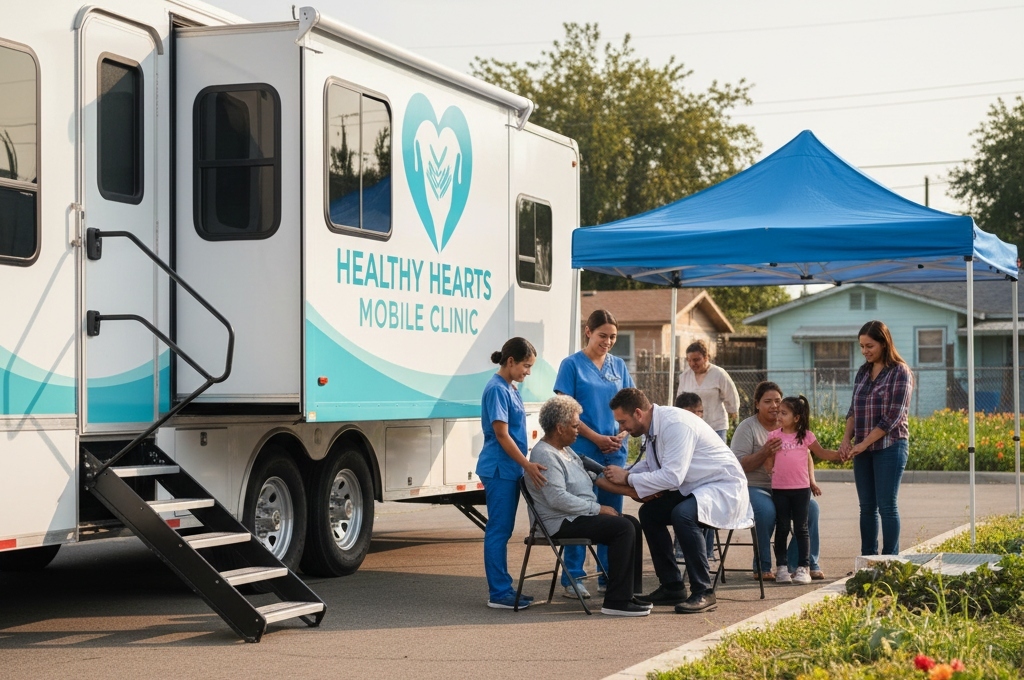
In addition to hospitals and government agencies, nonprofit organizations and private companies play a significant role in operating mobile medical services. These operators often focus on specific missions, such as reaching underserved communities, providing specialized care, or delivering healthcare in remote or disaster-affected regions. Their flexibility and mission-driven approach allow for innovative service models that complement traditional healthcare systems.
Nonprofit Mobile Clinics for Underserved Communities
Nonprofits, such as community health foundations and charitable organizations, operate mobile clinics to address gaps in care that conventional providers cannot reach. Their units frequently provide primary care, preventive screenings, dental and vision services, and chronic disease management. Many nonprofit mobile clinics also emphasize education, nutrition counseling, and wellness programs to improve long-term community health outcomes.
Private Mobile Healthcare Providers and Corporate Clinics
Private healthcare providers and corporate operators are increasingly entering the mobile health sector. They typically operate specialized units for occupational health, telemedicine, diagnostic services, or employee wellness programs. Corporate-run mobile clinics offer convenience and targeted care for employees, clients, and commercial partners, helping reduce absenteeism, improve productivity, and provide preventive healthcare access in a cost-effective manner.
Collaborative Mobile Health Partnerships
Some mobile units are operated through collaborations between nonprofits, hospitals, and private companies. These partnerships combine funding, staffing, and expertise to reach wider populations, ensure continuity of care, and deliver specialized services efficiently. Shared operations often optimize resources, improve community trust, and maximize program impact.
Who benefits most from mobile clinics?
Nonprofits serve underserved populations, while private operators target employees or specialized programs. Mobile clinics improve preventive care access and reach millions annually.
How Are Mobile Healthcare Units Staffed and Managed?
Operating a mobile medical unit requires more than just a vehicle and equipment. Skilled staffing, efficient management, and proper coordination are essential to ensure patient care quality, operational efficiency, and regulatory compliance. From clinicians to drivers, every role contributes to seamless mobile healthcare delivery.
According to a BMC Health Services Research study on a rural Oregon mobile clinic, three full-time staff members accounted for 75% of annual operating costs, highlighting how human resources form the largest share of operational expenses in mobile healthcare programs.
Clinical Staff Roles and Responsibilities
Mobile medical units employ a range of clinical staff depending on the services offered. Physicians, nurses, lab technicians, dental hygienists, and mental health counselors deliver hands-on care. Their responsibilities include patient assessment, diagnostics, treatment, follow-ups, and patient education. Cross-training is common in smaller units to allow staff to perform multiple functions and maintain workflow efficiency during high-demand periods.
Technical and Support Staff
Beyond clinical roles, technical and support staff are critical. Drivers ensure safe transportation, while vehicle technicians handle routine maintenance and troubleshooting of onboard systems. Administrative staff manage scheduling, patient registration, medical records, and billing. Together, this team ensures operational continuity and helps maintain regulatory compliance with health and transportation standards.
Leadership and Operational Management
Strong leadership is essential for coordinating mobile units. Program managers or operations directors oversee staffing, route planning, inventory management, and regulatory compliance. They also track performance metrics, patient satisfaction, and service outcomes. Effective management ensures the unit remains on schedule, resources are optimized, and care standards are maintained across all service locations.
Who manages mobile clinic operations?
Unit managers or program directors oversee staff, routes, and compliance, ensuring smooth daily operations and quality care delivery.
What Keeps Mobile Medical Services Financially Sustainable
Sustainable mobile medical operations require careful financial planning. Funding strategies, grants, partnerships, and revenue models all play a role in ensuring that mobile units can consistently deliver quality healthcare while managing long-term costs.
Government Funding and Grants
Many mobile healthcare programs rely on federal, state, and local government funding. Grants may cover vehicle purchase, equipment, staffing, or operational expenses. Agencies such as the Health Resources and Services Administration (HRSA) in the U.S. offer targeted funding for mobile clinics serving rural or underserved communities. These grants often require compliance with specific reporting standards and community health outcomes to maintain eligibility.
Nonprofit and Philanthropic Support
Nonprofit organizations and philanthropic foundations are another major funding source. Donations, charitable contributions, and endowments can subsidize operational costs or cover specialized services. Nonprofit mobile clinics often combine community fundraising, in-kind donations, and volunteer support to extend service reach without excessive reliance on fee-for-service revenue.
Revenue Generation and Service Models
Some mobile units adopt revenue-generating strategies to ensure sustainability. Fee-for-service, corporate contracts, and partnerships with hospitals or insurers can create steady income streams. Hybrid models, combining paid services with free or subsidized care, allow mobile units to remain financially viable while fulfilling mission-driven objectives. Strategic budgeting and diversified revenue sources reduce dependency on a single funding channel, improving long-term sustainability.
How are mobile clinics funded?
Mobile clinics are funded through government grants, nonprofit support, and revenue-generating contracts, ensuring sustainable operations while delivering care to underserved populations.
Why Are Mobile Medical Services Important for Communities
Mobile medical services have transformed healthcare delivery, especially for underserved, rural, and disaster-affected communities. By bringing care directly to patients, these units improve access, enhance preventive care, and reduce the burden on traditional healthcare facilities.
Improved Access to Care
One of the primary benefits of mobile medical units is enhanced access to healthcare. Patients in rural or underserved regions often face long travel times or transportation barriers to reach hospitals or clinics. Mobile units bridge this gap by delivering essential services on-site, increasing healthcare reach and reducing delays in treatment.
Preventive Care and Early Intervention
Mobile clinics facilitate preventive screenings, vaccinations, and health education, helping detect health issues early before they become severe. Studies have shown that communities served by mobile units experience higher rates of immunization, chronic disease monitoring, and early diagnosis, which translates into lower long-term healthcare costs and improved overall health outcomes.
Emergency Response and Flexibility
Mobile medical units are critical during disasters, pandemics, and large-scale emergencies. They provide immediate care, triage, and stabilization, supplementing hospital capacity. Their flexibility allows rapid deployment to high-need areas, offering lifesaving interventions when stationary facilities are overwhelmed.
What are the main benefits of mobile clinics?
Mobile clinics improve access, support preventive care, and provide rapid emergency response, enhancing overall community health outcomes.
Challenges and Operational Limitations in Mobile Healthcare Services
While mobile medical units offer significant advantages, they also face operational, logistical, and regulatory challenges. Understanding these limitations is essential for planning sustainable and efficient mobile healthcare programs.
Operational and Logistical Challenges
Managing routes, schedules, and patient flow can be complex, especially in rural or geographically dispersed areas. Mobile units must balance travel time, patient volume, and staff availability to ensure services are delivered efficiently. Poor route planning or equipment delays can disrupt care and reduce operational effectiveness.
Staffing and Resource Constraints
Mobile clinics often require cross-trained staff to handle multiple clinical and administrative tasks. Recruiting and retaining skilled personnel can be challenging, particularly for units operating in remote areas or for extended hours. Limited staff may impact patient volume and service quality, especially in specialized care units like imaging or surgical vehicles.
Regulatory and Compliance Limitations
Compliance with healthcare, transportation, and safety regulations is critical but can be burdensome. Mobile units must meet state and federal licensing requirements, maintain medical waste management standards, and adhere to road safety regulations. Navigating these regulatory frameworks adds complexity and costs to operations, sometimes delaying service deployment.
What are the main challenges of mobile clinics?
Challenges include staffing shortages, logistical complexities, and regulatory compliance, which can affect efficiency and service delivery.
Emerging Trends Shaping the Future of Mobile Healthcare
Mobile medical services are evolving rapidly with advancements in technology, patient care models, and healthcare policy. Understanding emerging trends helps organizations stay competitive, improve efficiency, and expand patient reach.
Integration of Telemedicine and Digital Health
Telemedicine is becoming a core feature of mobile healthcare units. Onboard telehealth systems enable remote consultations, real-time data sharing, and virtual diagnostics. This integration allows clinicians to provide expert care from anywhere, increasing service capacity and reducing patient travel time.
Use of Hybrid and Green Energy Solutions
Mobile medical units are increasingly adopting hybrid engines, solar panels, and energy-efficient systems. These innovations reduce fuel costs, minimize environmental impact, and ensure reliable operations in areas without consistent power supply. Sustainable energy solutions also support long-term operational budgets and regulatory compliance.
According to the World Health Organization (WHO), in low- and lower-middle-income countries, approximately 12% of healthcare facilities in South Asia and 15% in sub-Saharan Africa have no access to any electricity, underscoring the need for sustainable power solutions in mobile healthcare.
Advanced Diagnostic and Portable Technologies
The trend toward compact, high-performance diagnostic tools continues. Portable imaging devices, point-of-care lab analyzers, and wearable monitoring equipment enable high-quality diagnostics in a mobile environment. These innovations expand the range of services mobile units can deliver while maintaining hospital-grade care standards.
What trends are shaping mobile healthcare?
Telemedicine, sustainable energy, and portable diagnostic technologies are transforming mobile healthcare delivery for greater efficiency and reach.
Build Your Custom Mobile Medical Clinic Today
Mobile medical services bring healthcare directly to patients, improving access, preventive care, and emergency response. Skilled staff, efficient operations, and sustainable funding are key to success. With innovations like telemedicine and portable diagnostics, mobile clinics continue to expand their impact, delivering flexible, high-quality care where it’s needed most.
Visit Craftsmen Industries to explore custom mobile clinic options, request a quote, and start building your mobile healthcare solution.
Frequently Asked Questions
How much does a mobile clinic cost?
The cost depends on vehicle size, medical equipment, and customization. Basic mobile primary care vans start around $125,000, while fully equipped surgical or imaging units can exceed $700,000.
Who can operate a mobile medical vehicle?
Mobile clinics are operated by hospitals, nonprofit organizations, government health departments, and private healthcare providers. Teams typically include doctors, nurses, technicians, drivers, and administrative staff.
What services are typically offered in mobile healthcare units?
Services vary but commonly include primary care, diagnostics, dental and vision care, preventive screenings, vaccinations, mental health support, and telemedicine consultations.
How are mobile clinics funded and maintained?
Funding comes from government grants, nonprofit contributions, donations, and revenue-generating contracts. Maintenance includes routine servicing, equipment calibration, insurance, and compliance with safety regulations.
What regulations apply to mobile medical and healthcare services?
Mobile units must follow healthcare licensing, transportation safety, medical waste management, and local health department regulations to operate legally and safely.
Filter Posts by Tag
related posts
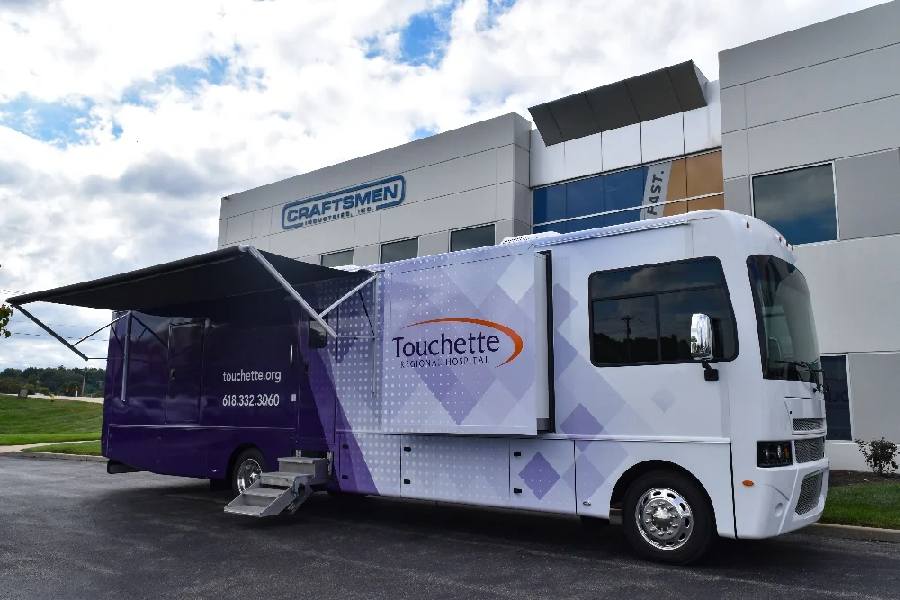
Wondering where are mobile medical units most effective? Read this article to understand the medical issue unreachable and vulnerable communities are facing!
Looking for dependable power solutions for medical trailers? Compare diesel, shore power & solar-battery systems. Meet NFPA 99 & NEC 517 standards.
Discover how mobile clinics efficiently vaccinate children. Learn the benefits, and logistics of pediatric vaccinations in mobile healthcare settings.
