
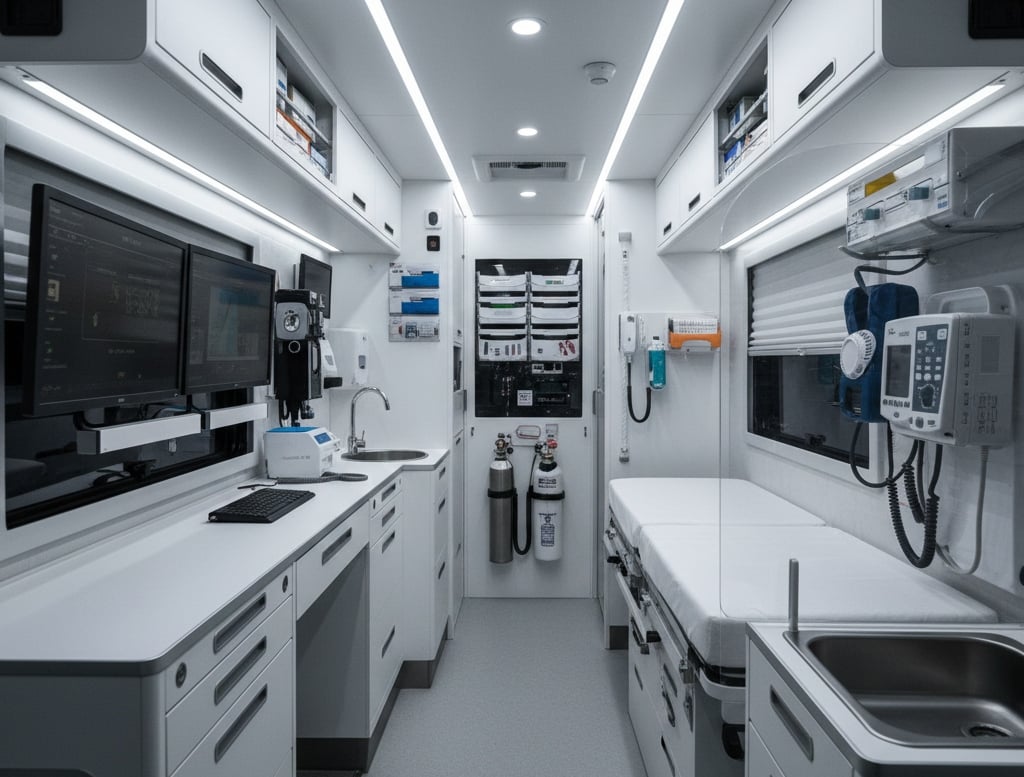
Integrating medical equipment into mobile healthcare vehicles is more than just installing devices; it’s about creating a reliable, efficient environment where high-quality care can be delivered on the move. Mobile settings come with unique challenges, from limited space to power constraints and constant motion.
Getting the equipment setup right ensures medical staff can work confidently, patients receive accurate diagnostics and treatment, and the vehicle stays safe and functional. According to national research, mobile health clinics in the U.S. serve a median of 3,491 visits per year, with 59% of their patients identifying as racial or ethnic minorities.
In this blog, we’ll explore the key considerations and best practices for successfully integrating medical equipment into these specialized vehicles.
How to Select the Best Medical Equipment for Mobile Healthcare Vehicles
Choosing the right medical equipment for mobile healthcare vehicles is one of the most important decisions to ensure effective and safe patient care on the move. These vehicles operate in unique conditions, including limited space, constant vibrations, and fluctuating power supply.
Because of this, the equipment must be carefully selected to be durable, compact, and energy-efficient while meeting all clinical requirements. Collaboration between healthcare providers and vehicle designers is key to identifying the right tools that balance functionality with the demands of mobility.
Durability and Portability for Mobile Conditions
Medical equipment used in mobile settings must endure constant motion, bumps, and vibrations without compromising accuracy or reliability. This requires devices built with shock-resistant materials and reinforced casings to minimize damage during transport.
Additionally, portability is essential equipment that can be easily moved, stowed, or reconfigured, allowing staff to optimize limited interior space and adapt quickly to changing needs during patient care. Devices designed specifically for mobility often weigh less and have smaller footprints without sacrificing performance.
Power Efficiency and Battery Backup
Unlike fixed clinics, mobile healthcare vehicles face unstable power environments. Equipment with low power consumption helps preserve the limited energy resources onboard, reducing strain on generators and batteries. Many modern medical devices now include built-in battery backup systems to maintain continuous operation during transit, power fluctuations, or outages.
This ensures critical diagnostics and treatments can continue uninterrupted, even in challenging field conditions. Prioritizing energy-efficient technology also lowers fuel use and maintenance costs over time, complementing specialized mobile power generation solutions.
Space-Saving and Modular Designs
Space within mobile medical vehicles is always at a premium. Therefore, medical equipment with compact, modular designs is preferred to maximize usable room. Equipment that can be mounted on walls, integrated into counters, or folded away when not in use helps maintain a flexible and ergonomic workspace.
Using multifunctional devices also reduces the number of individual tools needed, streamlining workflows and keeping the environment organized and clutter-free. This efficient layout directly impacts staff productivity and patient comfort.
Easy Cleaning and Maintenance
Maintaining stringent hygiene is critical in medical environments, and mobile clinics face added challenges due to confined spaces. Equipment must be designed with smooth, non-porous surfaces that are easy to disinfect and resistant to bacterial growth. Modular components simplify cleaning and allow quick replacement or repairs without disrupting overall operations.
The ability to rapidly sanitize all equipment helps mobile healthcare teams maintain infection control standards equivalent to those in permanent healthcare facilities.
What equipment works best in mobile healthcare vehicles?
Durable, compact, energy-efficient, and easy-to-clean devices work best. Portable ultrasounds, battery-powered tools, and modular analyzers are common choices.
Key Considerations in Designing Electrical and Network Infrastructure for Medical Equipment
Integrating medical equipment in mobile medical coaches demands a robust electrical and network infrastructure. This system must reliably power sensitive devices, ensure seamless data transmission, and provide backup solutions for uninterrupted operation. Careful planning and expert installation are essential to balance safety, efficiency, and flexibility within the vehicle’s compact space.
Power Management and Distribution
A well-designed power system distributes electricity efficiently to all medical devices without overloading circuits. It includes surge protectors, dedicated lines for high-demand equipment, and smart power controllers that adjust loads based on priority. Proper wiring and grounding prevent electrical hazards and minimize interference, ensuring devices operate safely and accurately.
Backup Power and Redundancy Systems
Mobile units face power interruptions from rough terrain or vehicle engine fluctuations. Backup power solutions like uninterruptible power supplies (UPS) and auxiliary batteries keep critical equipment running during outages. Redundancy systems provide fail-safes, switching automatically to backups without disrupting medical operations.
Network Connectivity and Data Security
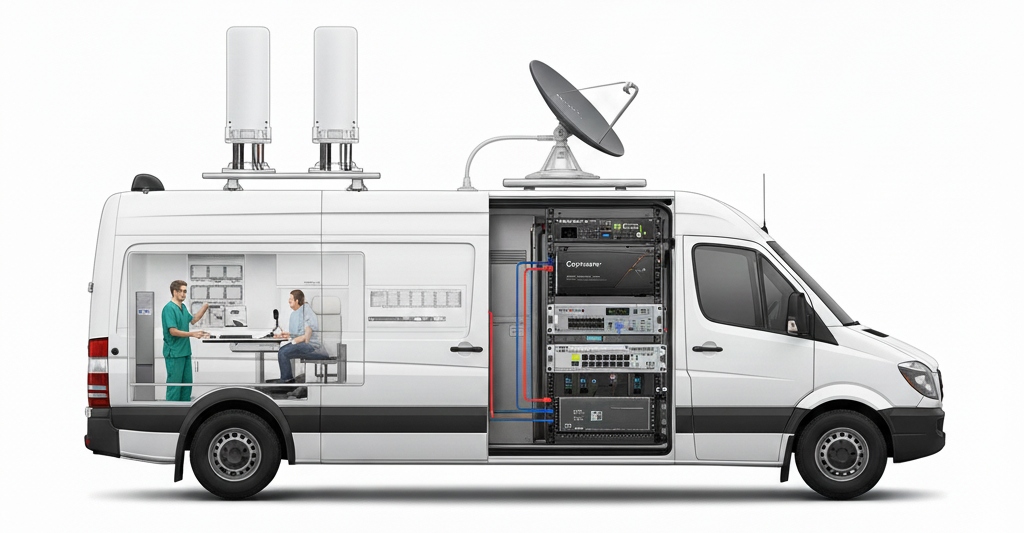
Medical devices often require real-time data sharing with remote servers or healthcare networks. Reliable Wi-Fi, cellular modems, or satellite links ensure continuous connectivity, even in remote locations. Strong encryption and firewall protections safeguard sensitive patient data during transmission and storage, complying with healthcare privacy regulations.
Modular and Scalable System Design
Electrical and network setups should be modular to accommodate future upgrades or changes in medical equipment. Scalable systems allow adding new devices without overhauling the entire infrastructure. This flexibility helps healthcare providers keep pace with evolving technologies and clinical needs.
How is power managed for medical devices in mobile healthcare vehicles?
Power is distributed using smart controllers, surge protectors, and dedicated circuits, with backups like UPS to prevent outages.
Effective Design of Electrical and Network Systems for Mobile Medical Devices
Integrating medical equipment into mobile medical vehicles requires a carefully engineered electrical and network system. This setup must provide stable power, support data transmission, and ensure system reliability under mobile conditions. A robust design minimizes downtime, protects equipment, and keeps patient data secure, all within the confined space of the vehicle.
Efficient Power Management and Distribution
Power management is about ensuring every piece of equipment gets the right amount of electricity without overloading the system. This involves using dedicated circuits for high-demand devices, surge protectors to shield equipment from spikes, and smart power controllers that balance loads dynamically. Proper wiring, grounding, and circuit protection are essential to prevent hazards and interference, keeping devices operating smoothly.
According to a study in PLOS One, primary health centers (PHCs) with reliable electricity saw a 6.5% increase in functioning deep freezers and a 5.8% increase in ice-lined refrigerators, which highlights how power stability directly affects medical equipment availability.
Reliable Backup Power and Redundancy Systems
Mobile units are prone to power fluctuations due to engine load changes or uneven terrain. Backup power sources like uninterruptible power supplies (UPS) and auxiliary batteries are vital to maintain continuous device operation during outages or transitions. Redundancy systems automatically switch to backup power without disrupting care delivery, ensuring no downtime for critical equipment.
Network Connectivity Solutions and Data Security
Medical devices often depend on constant connectivity for transmitting patient data and accessing remote systems. Mobile healthcare vehicles utilize Wi-Fi, cellular networks, or satellite connections to maintain communication even in remote areas. Strong encryption, firewalls, and secure VPNs protect sensitive patient information, complying with healthcare data privacy laws.
Modular and Scalable Electrical and Network Design
Because medical technology evolves rapidly, electrical and network systems are designed modularly. This means components can be added, replaced, or upgraded without a full system overhaul. Scalability ensures the vehicle can adapt to new equipment or changing clinical requirements without major downtime or expense.
How to Maximize Space and Efficiency in Mobile Medical Vehicle Design
In mobile healthcare vehicles, space is limited and every inch counts. Efficient use of this space ensures that medical staff can move freely, access equipment quickly, and provide care without unnecessary delays or discomfort. Ergonomic design plays a key role in creating a safe, comfortable environment that supports both patients and clinicians.
Maximizing Available Space with Smart Layouts
Designers focus on using every inch effectively, from wall-mounted equipment to fold-away counters. Compact, multi-use furniture and equipment help keep walkways clear and work areas functional. Strategic placement reduces clutter and prevents bottlenecks during busy clinic hours.
Ergonomic Placement to Support Medical Staff
Equipment and supplies are arranged to minimize unnecessary movement and reduce fatigue. Frequently used tools are kept within easy reach, while heavier or less-used devices are stored securely but accessibly. Adjustable workstations accommodate different staff heights and working styles, improving comfort and reducing strain.
Patient Comfort and Accessibility
Patient areas are designed to feel open and welcoming despite limited space. Seating, lighting, and equipment placement consider patient flow and comfort, including easy access for individuals with disabilities. Clear sightlines and organized spaces help reduce anxiety and create a professional, caring atmosphere.
Flexible and Modular Design for Adaptability
Layouts are often modular, allowing quick reconfiguration for different types of medical services or patient volumes. This flexibility helps clinics adapt to changing needs without costly renovations or downtime.
How is space maximized in mobile healthcare vehicles?
By using wall-mounted equipment, fold-away furniture, and modular layouts that keep work areas clear and efficient.
Ensuring Compliance with Healthcare and Safety Standards in Equipment Installation
Meeting healthcare and safety standards is non-negotiable when integrating medical equipment into mobile healthcare vehicles. Compliance ensures patient safety, protects staff, and guarantees that the vehicle operates legally and effectively. Designers and builders work closely with regulatory bodies to meet strict guidelines without compromising functionality.
Understanding Relevant Healthcare Regulations
Mobile healthcare vehicles must comply with standards such as HIPAA for patient privacy, OSHA for workplace safety, and FDA regulations for medical devices. Additionally, state and local health departments may have specific requirements for mobile clinics. Staying informed on these rules ensures the vehicle meets all legal obligations.
Adhering to Electrical and Structural Safety Codes
Electrical systems and equipment installations must meet standards like the National Electrical Code (NEC) and NFPA 99 for healthcare facilities. Proper grounding, wiring, and circuit protection prevent electrical hazards. Structural safety includes secure mounting of heavy equipment to withstand motion and prevent injury during transit.
From a resilience report, around 84% of U.S. acute care hospitals had adopted a basic electronic health record (EHR) system, highlighting how dependent healthcare facilities are on stable power systems for data and device reliability.
Ensuring Accessibility and ADA Compliance
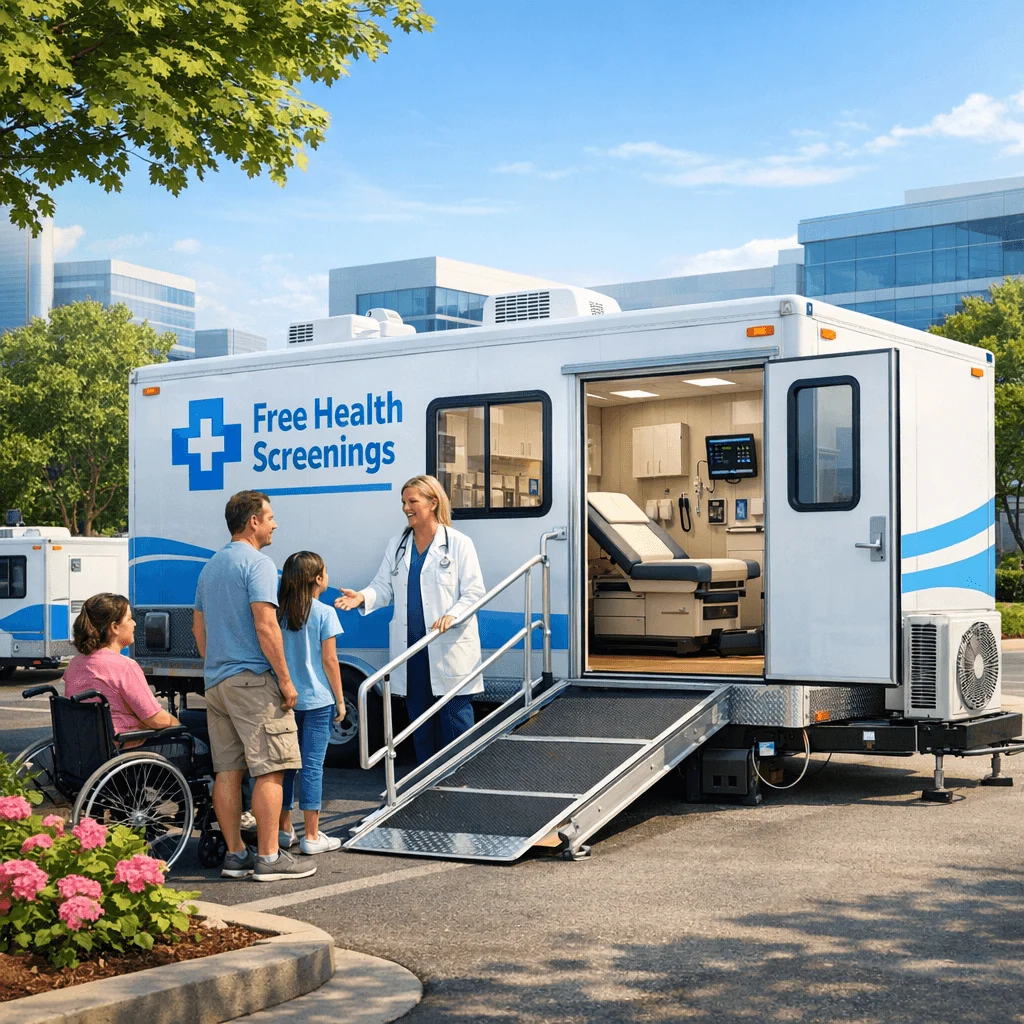
Vehicles must be accessible to patients with disabilities, following the Americans with Disabilities Act (ADA). This involves ramps, wide doorways, accessible restrooms, and clear pathways inside the vehicle. Equipment placement should accommodate mobility aids and provide easy access to all patients.
Documentation and Certification Processes
Proper documentation of equipment installation, testing, and compliance audits is essential. Certification from relevant agencies may be required before the vehicle can operate. This paperwork provides legal protection and assures patients and staff that standards are met.
Mobile Medical Equipment Testing and Calibration for Consistent Accuracy
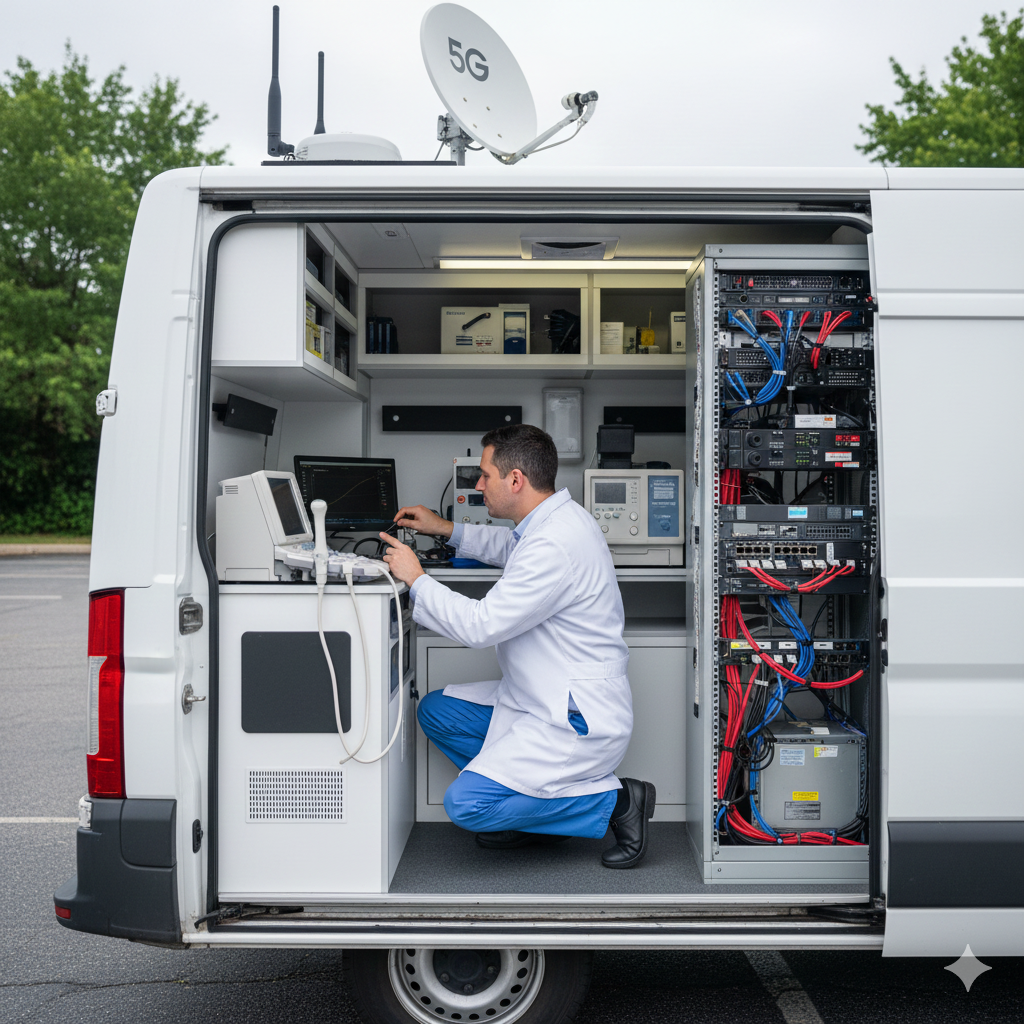
Before mobile healthcare vehicles hit the road, every piece of medical equipment must undergo thorough testing and calibration. This process guarantees devices perform accurately and consistently, even under the stresses of travel and varying environmental conditions. Rigorous quality checks protect patient safety and uphold care standards to build durable and compliant medical vehicles.
Pre-Installation Testing and Verification
Medical devices are first tested in controlled environments to verify they meet manufacturer specifications. This includes functional checks, safety tests, and performance benchmarks before integration into the vehicle. Identifying issues early prevents costly repairs and downtime later.
Onboard Calibration and Adjustment
Once installed, the equipment is calibrated within the vehicle to account for vibrations, temperature changes, and power fluctuations experienced during transit. This ensures readings remain precise and reliable throughout operation. Calibration often involves specialized tools and expert technicians.
Routine Maintenance and Recalibration Schedules
Mobile units follow strict maintenance schedules, including regular recalibration to address wear and environmental effects. Preventive upkeep minimizes breakdowns and maintains compliance with healthcare regulations. Clear documentation tracks calibration dates and service records.
Emergency Testing and Troubleshooting
Vehicles are equipped with protocols to quickly test and troubleshoot equipment during missions if malfunctions occur. This may include backup devices or remote technical support to resolve issues without interrupting patient care.
Build Your Fully Integrated Mobile Healthcare Solution with Experts Today
Integrating medical equipment into mobile healthcare vehicles is a complex but essential process. It requires careful selection, smart electrical and network design, efficient space use, strict compliance, and thorough testing. When done right, these factors combine to create mobile units that deliver reliable, high-quality care wherever they’re needed most.
For healthcare providers looking to expand their reach and improve patient outcomes, investing in expert design and fabrication of medical equipment integration is critical. To explore customized mobile healthcare solutions that meet your specific needs, visit Craftsmen Industries today and take the first step toward transforming healthcare on the move.
Frequently Asked Questions
What types of medical equipment are commonly used in mobile healthcare vehicles?
Mobile healthcare vehicles typically include portable diagnostic tools, ultrasound machines, ECG monitors, defibrillators, lab analyzers, and vaccination equipment designed for mobility and durability.
How is power supplied to medical devices in mobile clinics?
Power is supplied through the vehicle’s onboard electrical system, supported by generators, batteries, and uninterruptible power supplies (UPS) to ensure continuous operation during transit or outages.
How do mobile healthcare vehicles maintain data security?
They use encrypted networks, secure Wi-Fi or cellular connections, firewalls, and compliance with healthcare privacy laws like HIPAA to protect patient data during transmission and storage.
What challenges are faced when integrating medical equipment in mobile units?
Challenges include limited space, vibration impact, power instability, equipment maintenance, and ensuring compliance with healthcare and safety standards.
How often should medical equipment in mobile units be tested and calibrated?
Equipment should be tested and calibrated regularly, typically every 6 to 12 months, or after significant use or transportation, to maintain accuracy and safety.
Filter Posts by Tag
related posts
Find out: Do mobile medical units provide pediatric care? Learn about services and accessibility for children in mobile healthcare facilities
The best trailer sizes for medical use range from compact [...]
Explore medical coach equipment used for healthcare delivery. Read and discover innovative solutions for effective on-the-go treatment and patient care.
