
Mobile Medical Vehicles: A Comprehensive Guide
Mobile medical vehicles are moving clinics built into trailers, RVs, or trucks (not vans). Think of them as hospitals on wheels that bring care...
21 min read
Craftsmen Industries May 13, 2026 3:10:12 PM
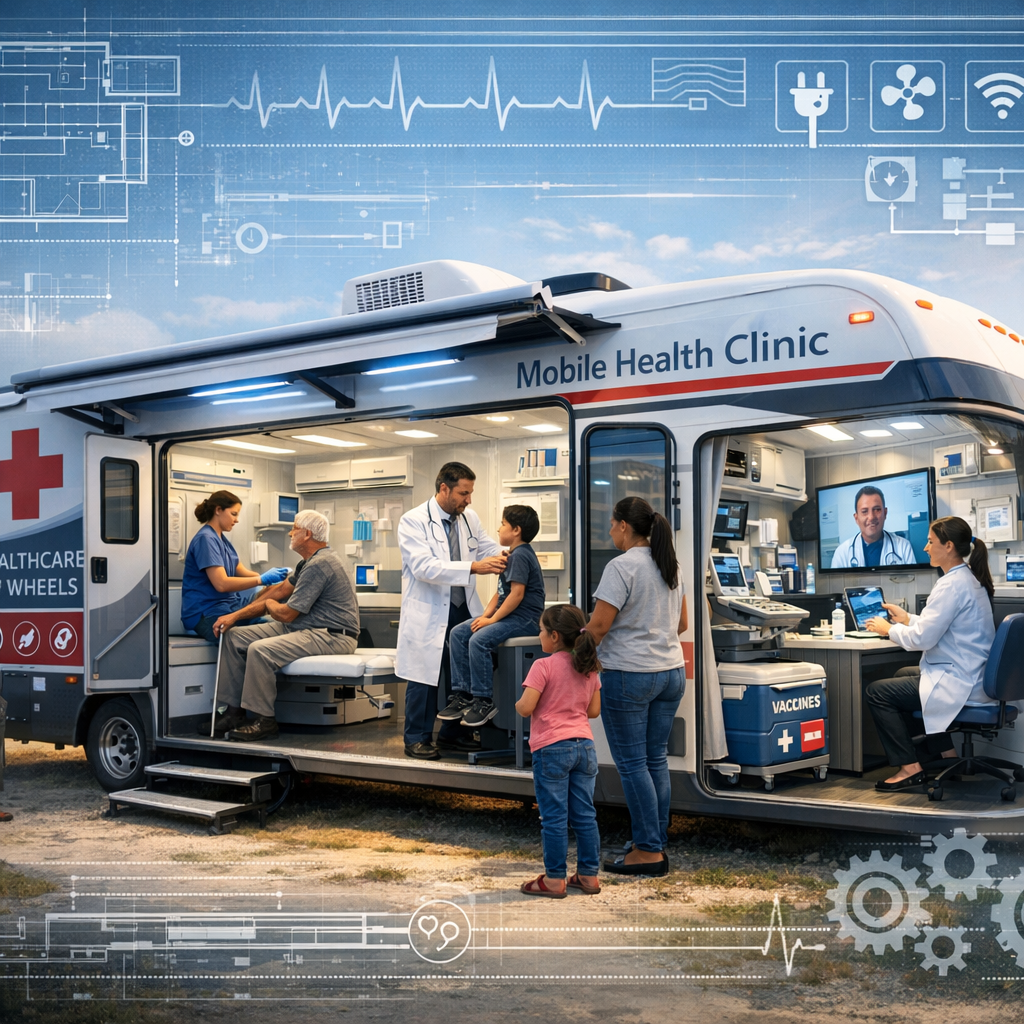
A medical RV conversion is the process of retrofitting a recreational vehicle with clinical-grade infrastructure, equipment, and compliance systems to function as a fully operational mobile healthcare facility. These conversions transform standard RV platforms into deployable clinics capable of delivering licensed medical services directly to underserved and hard-to-reach populations.
This guide covers the forces driving mobile clinic adoption, vehicle platform selection, clinical service capabilities, design engineering and regulatory compliance, conversion costs and timelines, and the organizations deploying these units across healthcare, government, non-profit, and corporate sectors.
Persistent provider shortages in rural and underserved areas have made mobile clinics essential. Rural Americans face disproportionately higher mortality from heart disease, cancer, and stroke, and converted RV clinics bring primary care, dental, vision, vaccination, diagnostic imaging, and behavioral health services directly into these shortage zones, with an estimated 2,000 mobile clinics now operating nationwide.
Choosing the right RV platform shapes every downstream decision. Class A motorhomes provide the most interior volume for multi-room layouts, Class B campervans offer nimble single-provider deployment, and specialty commercial chassis RVs deliver the structural capacity required for heavier medical and imaging equipment.
Engineering these vehicles to clinical standards requires integrated electrical, HVAC, plumbing, waste disposal, and structural reinforcement systems, all built to meet federal DOT rules, state health department licensing, OSHA infection control protocols, and ADA accessibility mandates.
Conversion costs range from $50,000 for basic primary care builds to $500,000 or more for advanced diagnostic units, with build timelines spanning 8 to 24 weeks. A vertically integrated manufacturer consolidates design, fabrication, and installation under one roof, compressing schedules and ensuring consistent quality from concept through deployment.
Recreational vehicles are being converted into mobile clinics because they offer a cost-effective, deployable platform for delivering healthcare to underserved and hard-to-reach populations. Persistent provider shortages, rising demand for community-based care, and the structural flexibility of RV chassis make these conversions a practical solution for organizations that need clinical capacity without the cost of permanent facilities.
Several converging factors drive this trend. Rural Americans face disproportionately higher mortality rates from leading causes of death. According to the Centers for Disease Control and Prevention, rural populations are more likely to die from heart disease, cancer, unintentional injury, chronic lower respiratory disease, and stroke than their urban counterparts. Health Professional Shortage Areas, as designated by the Health Resources and Services Administration, signal critical gaps in primary care, dental health, and mental health providers across the country. Mobile clinics built from converted RVs bring services directly into these shortage zones.
The operational economics also favor RV-based platforms. Mobile Health Map data shows the average annual operating cost of a mobile clinic is $275,000, with personnel accounting for roughly 90% of the budget. That cost structure makes mobile units far more accessible than constructing and staffing a brick-and-mortar facility, particularly for non-profits, government health programs, and hospital systems extending their geographic reach.
Demand extends well beyond primary care. Mental health mobile unit programs deliver crisis intervention, family therapy, suicide prevention, peer support, and medication management, according to the Rural Health Information Hub. Dental, vision, vaccination, and diagnostic imaging services are all viable inside a properly converted RV. An estimated 2,000 mobile clinics now operate across the United States, receiving approximately 6.5 million patient visits annually, per data published by the National Institutes of Health.
For organizations evaluating whether to invest in a mobile clinical asset, the RV conversion model balances clinical capability with logistical agility. These units can reposition between communities on a scheduled rotation, respond to public health emergencies, or supplement fixed-site capacity during surges. That combination of reach, flexibility, and relatively low capital commitment explains why the conversion trend continues to accelerate across healthcare, government, and corporate wellness sectors.
The types of RVs best suited for medical conversions include Class A motorhomes, Class B campervans, Class C motorhomes, fifth-wheel trailers, and specialty commercial chassis RVs. Each platform offers distinct advantages depending on clinical scope, patient volume, and deployment requirements.
Class A motorhomes are large, bus-style recreational vehicles built on heavy-duty chassis, making them one of the most spacious platforms for medical RV conversions. Their open floor plans, typically ranging from 26 to 45 feet, can accommodate multiple exam rooms, diagnostic equipment stations, and ADA-compliant patient areas within a single unit. High payload capacities support heavy medical imaging systems and laboratory instruments. For organizations planning full-service primary care or multi-specialty mobile clinics, Class A platforms provide the interior volume needed to replicate a traditional clinical environment on wheels.
Class B campervans are compact van-based RVs that offer a nimble, cost-effective platform for focused medical services. Their smaller footprint, usually 17 to 23 feet, allows easy navigation through dense urban neighborhoods and narrow rural roads where larger units cannot operate. These vehicles work well for single-provider services such as vaccination outreach, blood pressure screenings, and behavioral health counseling. Limited interior space means clinical layouts must be carefully optimized, but the trade-off in maneuverability and lower fuel costs makes Class B conversions ideal for programs requiring frequent repositioning across multiple community sites.
Class C motorhomes are mid-size RVs built on a truck or van chassis with an attached cab-over section, balancing interior space with drivability. Lengths typically range from 22 to 33 feet, providing enough room for one to two private exam areas, a small lab station, and patient intake seating. Their standard automotive cab simplifies driver requirements compared to Class A units. This versatility makes Class C conversions a practical choice for organizations that need more clinical capacity than a campervan offers without the operational complexity of a full-size motorhome.
Fifth-wheel trailers are towable RVs that connect to a pickup truck via a specialized hitch mounted in the truck bed. Their bi-level floor plans and lengths of 25 to 40 feet create generous interior square footage for clinical layouts, often rivaling Class A motorhomes at a lower acquisition cost. Because the trailer detaches from the tow vehicle, the truck remains available for other logistics while the clinic operates at a fixed deployment site. Fifth-wheels suit semi-permanent community health programs, dental clinics, and diagnostic screening stations where extended on-site presence matters more than daily relocation.
Specialty commercial chassis platforms are purpose-built on heavy-duty truck or bus frames designed for high-mileage operation and medical outfitting. These units support reinforced flooring, upgraded electrical systems, and the structural requirements for diagnostic equipment such as digital X-ray and mammography systems. More complex imaging modalities, including MRI, are typically deployed in specialized semi-trailer or truck-based platforms engineered for significantly higher weight, shielding, and power demands. According to the U.S. Access Board, vehicles covered by the ADA must comply with accessibility standards issued by the Department of Transportation, which commercial chassis platforms are designed to meet from the ground up. For organizations requiring the most durable, regulation-ready foundation, specialty commercial chassis conversions deliver the longest service life and highest equipment capacity.
With the right RV platform selected, the next step is determining which medical services the converted unit will deliver.
A converted RV can deliver primary care, dental services, vision screenings, vaccinations, diagnostic imaging, behavioral health counseling, and even veterinary care. The following subsections detail how each service type operates within a mobile clinic setting.
RV clinics are used for primary care and urgent care by deploying exam rooms, point-of-care testing equipment, and telehealth stations directly into communities that lack nearby providers. Health Professional Shortage Areas, designated by HRSA, indicate provider shortages in primary care, dental health, and mental health, making mobile clinics essential for reaching these populations. A converted RV configured for primary care typically includes one or two exam rooms, a small pharmacy cabinet, and compliant waste storage. According to a study published through NIH/PubMed Central, average annual costs for mobile clinics range from $304,000 for mammography and primary care units to $2.45 million for dental and preventive clinics. Proper medical waste disposal requires labeled, leak-proof, puncture-resistant containers stored under conditions that prevent odor accumulation, per CDC guidelines.
RV clinics are used for mobile dental services by housing portable dental chairs, digital X-ray units, sterilization equipment, and compressed air systems within a self-contained vehicle. These units bring cleanings, fillings, extractions, and preventive screenings to schools, rural communities, and underserved neighborhoods where dental offices are scarce. Dental RV conversions require reinforced flooring to support heavy chair mounts and specialized plumbing for suction and water lines. The higher equipment and staffing demands make dental mobile units among the most costly configurations to operate annually.
RV clinics are used for vision and ophthalmology screenings by integrating autorefractors, slit lamps, retinal cameras, and visual acuity testing lanes into a darkened, climate-controlled interior. These mobile units conduct comprehensive eye exams, prescribe corrective lenses on-site, and screen for conditions such as glaucoma, diabetic retinopathy, and cataracts. Because ophthalmology equipment is sensitive to vibration and temperature fluctuation, conversions typically include shock-dampening mounts and dedicated HVAC zones. This configuration makes routine eye care accessible in communities where optometrists and ophthalmologists are limited.
RV clinics are used for vaccination and immunization campaigns by providing refrigerated vaccine storage, sterile injection stations, and observation seating within a single mobile unit. These vehicles deploy rapidly to community events, workplaces, schools, and disaster zones where fixed-site clinics cannot meet surge demand. Onboard pharmaceutical-grade refrigerators maintain cold chain integrity for vaccines requiring strict temperature ranges. The compact footprint of a converted RV allows healthcare teams to set up and administer dozens of vaccinations per hour, particularly valuable during seasonal flu drives or emergency pandemic responses.
RV clinics are used for diagnostic imaging and lab work by housing portable X-ray machines, ultrasound systems, mammography units, and phlebotomy stations inside a shielded, climate-controlled vehicle. Radiation shielding panels line the interior walls to protect patients and staff during imaging procedures. Onboard CLIA-waived laboratory equipment enables rapid blood draws, urinalysis, glucose testing, and cholesterol panels with same-day results. These mobile diagnostic units reduce the travel burden for patients in rural or medically underserved areas who would otherwise drive hours for routine screenings.
RV clinics are used for behavioral health and counseling by creating private, soundproofed consultation rooms within a mobile setting. According to the Rural Health Information Hub, mental health mobile unit programs provide crisis intervention, case management, individual and family therapy, suicide prevention, patient education, peer support, and medication management. Converted RVs designed for behavioral health prioritize acoustic insulation, comfortable seating, and secure telehealth connectivity to facilitate confidential sessions. This configuration removes transportation barriers that often prevent individuals in rural or underserved communities from seeking consistent mental health treatment.
RV clinics are used for veterinary mobile clinics by equipping converted vehicles with exam tables, surgical suites, anesthesia systems, and onboard pharmacies to treat animals in the field. Veterinary RV conversions require durable, washable interior surfaces and ventilation systems designed to manage animal dander and odors. From routine wellness exams and vaccinations to spay-neuter surgeries, these mobile units extend veterinary access into rural farming communities and underserved urban neighborhoods.
With a clear picture of the services a converted RV can deliver, the next consideration is the design and engineering that make these clinical environments possible.
Medical RV conversions require integrated electrical, HVAC, plumbing, layout, and structural systems engineered to clinical standards. The following subsections cover each core engineering discipline.
A mobile clinic needs redundant electrical and power systems capable of supporting medical-grade equipment, lighting, and data infrastructure simultaneously. Clinical devices such as exam table motors, digital imaging units, vaccine refrigerators, and electronic health record workstations demand stable, clean power with surge protection.
Most medical RV conversions use a combination of shore power hookups, onboard generators, solar power, and inverter/battery banks to ensure uninterrupted service across deployment locations. Dedicated circuits isolate sensitive diagnostic equipment from general lighting and HVAC loads. According to Mobile Health Map, the average annual operating cost of a mobile clinic is $275,000, with personnel accounting for approximately 90% of the operating budget; efficient power system design helps control the remaining non-personnel costs. Properly sized electrical systems also reduce generator fuel consumption and extend equipment lifespan.
The HVAC and climate control standards that must be met include maintaining stable temperature ranges, positive air pressure differentials, and adequate ventilation rates consistent with healthcare facility guidelines. Medical RVs must regulate temperature and humidity to protect pharmaceuticals, biological specimens, and sensitive diagnostic instruments.
Separate HVAC zones for patient areas, clinical workspaces, and equipment storage prevent cross-contamination and maintain comfort. HEPA filtration or high-MERV filters are often integrated to reduce airborne pathogen transmission. According to the U.S. Access Board, accessibility guidelines for buses and vans were updated in 2016, and vehicles covered by the ADA must comply with standards issued by the Department of Transportation; these requirements extend to climate control accessibility for patients with respiratory conditions or mobility limitations. Proper insulation and vapor barriers are equally critical, since RV wall assemblies differ significantly from fixed-structure construction.
The plumbing and medical waste disposal systems required in a medical RV include potable water supply, clinical handwashing stations, wastewater containment, and regulated medical waste handling that meets CDC infection control standards.
Freshwater systems typically incorporate point-of-use filtration and on-demand water heaters to support handwashing protocols and instrument cleaning. Greywater from sinks must be captured in dedicated holding tanks separate from any blackwater system. Sharps containers, biohazard bags, and leak-proof, puncture-resistant storage units are essential for regulated medical waste. The CDC instructs healthcare facilities to dispose of medical wastes regularly to avoid accumulation, and any waste requiring temporary storage must be kept in labeled containers under conditions that minimize foul odors. In a mobile setting, these containment protocols become more demanding because space is limited and disposal access varies by location.
Interior layout considerations that ensure clinical functionality include patient flow design, ADA-compliant clearances, modular cabinetry, and separation between clinical and administrative zones.
Effective medical RV layouts create a logical patient pathway: entry, check-in, examination, and exit. This linear flow minimizes congestion and supports infection control by preventing cross-traffic between clean and soiled areas. Exam rooms need sufficient clearance for wheelchair turning radii, typically a minimum 60-inch diameter. Built-in cabinetry with antimicrobial surfaces and secure locking compartments stores medications and supplies within arm's reach of clinicians. Strategic placement of privacy curtains or partition walls maintains patient confidentiality in compact spaces. Every square foot in a converted RV must serve a defined clinical or operational purpose, making layout planning one of the most consequential engineering decisions in the entire conversion.
The structural reinforcements needed for medical equipment include subfloor bracing, wall-mounted steel backing plates, reinforced ceiling supports, and chassis upgrades to accommodate concentrated static and dynamic loads.
Standard RV floors and walls are not engineered for heavy clinical equipment. Dental chairs, X-ray machines, and patient exam tables impose point loads that can exceed original weight ratings. Steel subframes welded or bolted beneath mounting locations distribute these loads across a wider area of the chassis. Wall cavities often require plywood or steel backing to anchor wall-mounted monitors, cabinetry, and articulating arms securely. Suspension and axle upgrades may also be necessary when cumulative equipment weight approaches or exceeds the vehicle's gross vehicle weight rating. Failing to address structural capacity early in the design phase risks equipment damage, chassis fatigue, and safety hazards during transit.
With engineering requirements defined, regulatory and compliance standards determine how these systems must perform under federal and state oversight.
A wide range of medical equipment can be installed inside a converted RV, from basic exam room furniture to advanced diagnostic imaging systems. The specific equipment depends on the clinical mission, available space, and power capacity of the vehicle. Common categories include:
Each piece of equipment must be securely mounted to withstand road vibration and transit forces, which is why structural reinforcements and custom cabinetry are engineered during the conversion process. Weight distribution also plays a critical role; heavier items like imaging machines require placement over or near axle lines to maintain safe handling characteristics. Electrical load calculations determine whether standard shore power connections suffice or whether onboard generators and inverter systems need upgrading.
For organizations planning specialized services, the equipment list shapes every upstream design decision, from floor plan layout to HVAC capacity. Understanding what regulatory and compliance standards apply to these installations ensures each mobile unit operates legally and safely across state lines.
The regulatory and compliance standards that govern mobile medical units span federal transportation rules, state health department licensing, workplace safety protocols, and accessibility mandates. The sections below cover DOT requirements, state licensing, OSHA and infection control standards, and ADA accessibility.
Federal DOT requirements that apply to medical RV conversions include vehicle weight classification, commercial driver licensing thresholds, and Federal Motor Vehicle Safety Standards (FMVSS). Converted RVs exceeding 10,001 pounds gross vehicle weight rating fall under Federal Motor Carrier Safety Administration oversight, requiring compliance with hours-of-service rules and vehicle inspection protocols. Brake systems, lighting, tire ratings, and structural integrity must meet FMVSS standards for the vehicle's post-conversion weight class. Registration may shift from a standard RV classification to a commercial or specialty medical vehicle designation, depending on the state. Operators should verify whether their converted unit triggers CDL requirements based on final loaded weight, since added medical equipment significantly increases curb weight.
State health department licensing needed to operate a mobile medical unit varies by jurisdiction but typically includes a mobile health facility permit, clinical laboratory certification (if applicable), and pharmacy dispensing authorization. Most states require mobile clinics to register with the state health department as an extension of a licensed healthcare facility or as an independent clinical site. According to the U.S. Department of Health and Human Services, providers must also ensure HIPAA compliance when handling protected health information in mobile settings. Credentialing requirements for onboard staff, controlled substance licensing through the DEA, and medical waste transport permits add further layers. Operators planning multi-state routes need separate licensing in each state where patient care is delivered.
OSHA and infection control standards that must be followed in mobile medical units include the Bloodborne Pathogens Standard (29 CFR 1910.1030), Hazard Communication Standard, and proper sharps disposal protocols. Confined mobile environments demand rigorous ventilation, surface disinfection routines, and personal protective equipment availability. The CDC instructs healthcare facilities to dispose of medical wastes regularly to avoid accumulation; any medical waste requiring storage should be kept in labeled, leak-proof, puncture-resistant containers under conditions that minimize foul odors. Mobile clinics must maintain exposure control plans, document staff training on infection prevention, and conduct routine environmental surface testing. Given the compact footprint of an RV conversion, contamination risks intensify, making strict adherence to these standards non-negotiable.
ADA accessibility requirements that apply to mobile clinics include wheelchair-accessible entry, compliant interior clearances, and assistive communication accommodations. The U.S. Access Board updated its accessibility guidelines for buses and vans in 2016, and vehicles covered by the ADA must comply with standards issued by the Department of Transportation. Ramps or lifts must accommodate standard wheelchair dimensions, doorways need minimum 32-inch clear width, and exam areas require sufficient turning radius. Signage should include Braille and high-contrast lettering. Flooring surfaces must be slip-resistant and level throughout the patient pathway. For organizations converting RVs into clinical spaces, designing accessibility into the initial floor plan is far more cost-effective than retrofitting after fabrication is complete.
With compliance frameworks established, understanding conversion costs helps operators budget accurately for a fully compliant mobile clinic.
A medical RV conversion costs between $50,000 and $500,000 or more, depending on the clinical scope, equipment complexity, and vehicle platform. The subsections below break down pricing for basic primary care builds, mid-range specialty clinics, and advanced diagnostic mobile units.
A basic primary care RV conversion costs roughly $50,000 to $150,000. This tier typically covers a Class B or Class C motorhome fitted for general wellness screenings, vaccinations, and routine checkups. Core budget items include:
Because clinical demands are modest at this level, the base vehicle often represents the single largest line item. Prioritizing a reliable, low-mileage chassis keeps long-term maintenance costs predictable and protects the overall investment.
A mid-range specialty clinic conversion costs approximately $150,000 to $350,000. Dental operatories, ophthalmology lanes, and women's health suites fall into this bracket, where specialized plumbing, vacuum systems, or imaging mounts add complexity. According to Mobile Health Map data, the average annual operating cost of a mobile clinic is $275,000, with personnel accounting for roughly 90% of the operating budget; factoring ongoing staffing expenses into the total cost of ownership is just as important as the upfront build price.
Key mid-range cost drivers include:
Underestimating operating expenses is one of the most common budgeting mistakes in mobile healthcare; the conversion price is only the starting line.
An advanced diagnostic mobile unit conversion can cost $350,000 to $500,000 and above. Units at this tier house digital X-ray suites, ultrasound bays, point-of-care laboratory analyzers, or behavioral health consultation rooms requiring enhanced soundproofing and privacy partitions. According to the Rural Health Information Hub, mental health mobile unit programs can deliver services such as crisis intervention, individual and family therapy, suicide prevention, and medication management, all of which demand purpose-built interior configurations that drive costs higher.
Major cost factors at this level include:
For organizations weighing this investment, the diagnostic mobile unit often replaces the need for a fixed satellite clinic, making the per-patient cost competitive over time. With conversion tiers clearly defined, the next consideration is how long the build process takes from design through delivery.
A medical RV conversion typically takes 8 to 24 weeks to complete, depending on the project's complexity, clinical specialty, and level of customization. Simple primary care layouts require less time, while advanced diagnostic units with imaging equipment and specialized infrastructure demand longer build cycles. Key factors influencing the timeline include design and engineering approval, equipment procurement lead times, regulatory compliance inspections, and final quality assurance testing.
For most healthcare organizations, the design and engineering phase alone can consume 4 to 8 weeks before fabrication begins. Custom cabinetry, medical-grade electrical systems, HVAC integration, and ADA-compliant accessibility features each add sequential stages to the production schedule. Equipment sourcing often introduces the most unpredictable delays, since specialized medical devices may carry manufacturer lead times of several weeks.
A vertically integrated manufacturer can compress this timeline significantly. When design, engineering, fabrication, printing, and installation all happen under one roof, handoff delays between vendors are eliminated and iterative design changes happen faster. This integrated approach is one reason that organizations planning mobile clinic deployments benefit from working with a single-source provider rather than coordinating multiple subcontractors.
Realistic timeline ranges by project scope include:
Planning ahead remains the most effective way to avoid timeline overruns. Organizations that finalize their clinical service model, equipment list, and compliance requirements before the build phase begins consistently see shorter, more predictable project timelines. With mobile clinic deployments serving communities that often cannot wait, building in adequate lead time from the start is not just a logistical best practice; it is a patient care imperative.
Medical RV conversions are used most often by healthcare systems, government and military agencies, non-profits, and corporate wellness programs. Each sector deploys mobile clinic RVs for distinct operational goals.
Healthcare systems use mobile clinic RVs to extend services beyond fixed facilities into underserved communities. Hospitals and health networks deploy converted RVs for primary care screenings, chronic disease management, and preventive health outreach in areas designated as Health Professional Shortage Areas. According to the Health Resources & Services Administration, HPSAs indicate provider shortages in primary care, dental health, or mental health, making mobile units a practical solution for closing those gaps.
These vehicles allow health systems to rotate specialists across rural and suburban locations on scheduled routes, reducing patient no-show rates and reaching populations that lack reliable transportation.
Government and military agencies use mobile clinic RVs for disaster response, field medicine, and large-scale public health initiatives. Federal and state agencies deploy these units during natural disasters, disease outbreaks, and mass vaccination campaigns where fixed infrastructure is damaged or overwhelmed.
Military branches rely on converted RVs for deployable medical stations that support troop readiness assessments, battlefield triage training, and remote base healthcare. The self-contained nature of a medical RV, with onboard power, water, and climate control, makes it well suited for rapid deployment in austere environments. For agencies managing unpredictable timelines, mobile clinics offer a level of operational flexibility that permanent structures simply cannot match.
Non-profits and NGOs use mobile clinic RVs to deliver free or low-cost healthcare to vulnerable populations, including uninsured individuals, homeless communities, and migrant workers. Organizations such as community health centers and faith-based groups operate converted RVs for dental care, behavioral health counseling, and vaccination drives, with an estimated 2,000 mobile clinics operating across the country receiving approximately 6.5 million visits each year according to data published by NIH/PubMed Central.
For non-profits operating on limited budgets, a converted RV often represents a more attainable entry point than a ground-up custom build, making it one of the most practical options for organizations launching their first mobile program.
Corporate wellness programs use mobile clinic RVs to bring preventive health services directly to employees at worksites, distribution centers, and multi-location campuses. Companies deploy these units for biometric screenings, flu vaccinations, health risk assessments, and mental health consultations.
Mobile clinic RVs give employers the ability to serve dispersed workforces without requiring employees to leave the job site. This reduces absenteeism tied to off-site medical appointments and demonstrates a tangible investment in workforce health. For large employers with seasonal or shift-based teams, a mobile unit on a rotating schedule proves far more efficient than subsidizing individual clinic visits across dozens of locations.
With diverse sectors relying on mobile clinic RVs, the conversion process itself determines whether the final unit meets each organization's operational demands.
The advantages of an RV conversion over a custom-built mobile medical unit include lower upfront costs, faster production timelines, a proven chassis and drivetrain platform, and easier long-term serviceability. RV conversions start with a factory-engineered vehicle that already meets federal highway safety standards, which eliminates months of ground-up structural fabrication.
Custom-built units require every component, from the frame to the body panels, to be designed and manufactured from scratch. That process increases both cost and lead time significantly. An RV conversion, by contrast, leverages an existing platform where the suspension, engine, electrical backbone, and cabin shell are already validated. The conversion process then focuses entirely on the clinical interior: exam rooms, equipment mounts, HVAC upgrades, medical-grade plumbing, and ADA-compliant access features.
Key advantages of the RV conversion approach include:
According to Mobile Health Map data, the average annual operating cost of a mobile clinic is $275,000, with personnel accounting for approximately 90% of the operating budget. Because vehicle acquisition represents a relatively small share of lifetime expenses, choosing a cost-efficient RV conversion frees budget for staffing, supplies, and community outreach.
For organizations weighing both options, the deciding factor often comes down to specialization level. A standard primary care or screening clinic often does not need the structural complexity of a full custom build. RV conversions deliver clinical-grade environments at a fraction of the cost and timeline, making them a practical choice for most mobile health programs. Keeping that investment protected requires a structured approach to ongoing vehicle and equipment maintenance.
You maintain and service a medical RV after conversion by following a dual-track schedule that covers both the vehicle chassis and the clinical systems installed inside. Routine upkeep protects patient safety, preserves regulatory compliance, and extends the operational lifespan of the unit.
A converted medical RV demands more attention than a standard recreational vehicle because it functions as both a road-going asset and a licensed healthcare environment. Neglecting either side of that equation leads to costly downtime or, worse, compliance violations that can suspend operations entirely. The maintenance requirements break down into three core areas:
The CDC instructs healthcare facilities to dispose of medical wastes regularly to avoid accumulation; stored medical waste must be kept in labeled, leak-proof, puncture-resistant containers under conditions that minimize foul odors. Mobile clinics face heightened scrutiny here because limited onboard storage makes timely waste removal even more critical.
Scheduling matters as much as the tasks themselves. High-mileage mobile clinics that travel between deployment sites weekly need shorter service intervals than units that remain semi-stationary. Most operators find that maintaining a single integrated maintenance log, one that tracks chassis mileage alongside biomedical equipment service dates, prevents gaps that separate tracking systems inevitably create.
For most mobile clinic operators, the biggest maintenance mistake is treating the vehicle and the clinical interior as two unrelated systems. A generator failure does not just strand the RV; it shuts down refrigerated vaccine storage, electronic health records, and powered exam equipment simultaneously. Viewing the converted RV as one integrated system, where mechanical reliability and clinical readiness depend on each other, is the most practical approach to long-term operational success.
With a structured maintenance plan in place, partnering with a vertically integrated manufacturer can simplify ongoing service and future upgrades.
A vertically integrated manufacturer can improve your medical RV conversion by consolidating design, engineering, fabrication, and finishing under one roof. This reduces lead times, ensures quality control at every stage, and eliminates miscommunication between vendors. The following sections cover how Craftsmen Industries meets clinic needs and the key takeaways from this guide.
Yes, Craftsmen Industries' custom mobile medical units can meet your clinic needs. Craftsmen Industries operates as a vertically integrated manufacturer from a 127,000 sq. ft. facility in St. Charles, Missouri, handling design, engineering, fabrication, printing, and installation entirely in-house. This single-source approach means every component of a medical RV conversion, from structural reinforcements to interior clinical layouts, is built and quality-checked under one management system.
With over 40 years of experience serving healthcare providers, government agencies, and non-profits, Craftsmen Industries tailors each mobile medical vehicle to the specific clinical workflow required. Whether the project demands a primary care suite, a dental operatory, or a diagnostic imaging platform, in-house control allows rapid iteration without delays from third-party coordination.
The key takeaways about converting RVs into mobile clinics center on five practical considerations:
For organizations ready to bring healthcare directly to underserved communities, a well-planned medical RV conversion remains one of the most flexible and scalable solutions available.
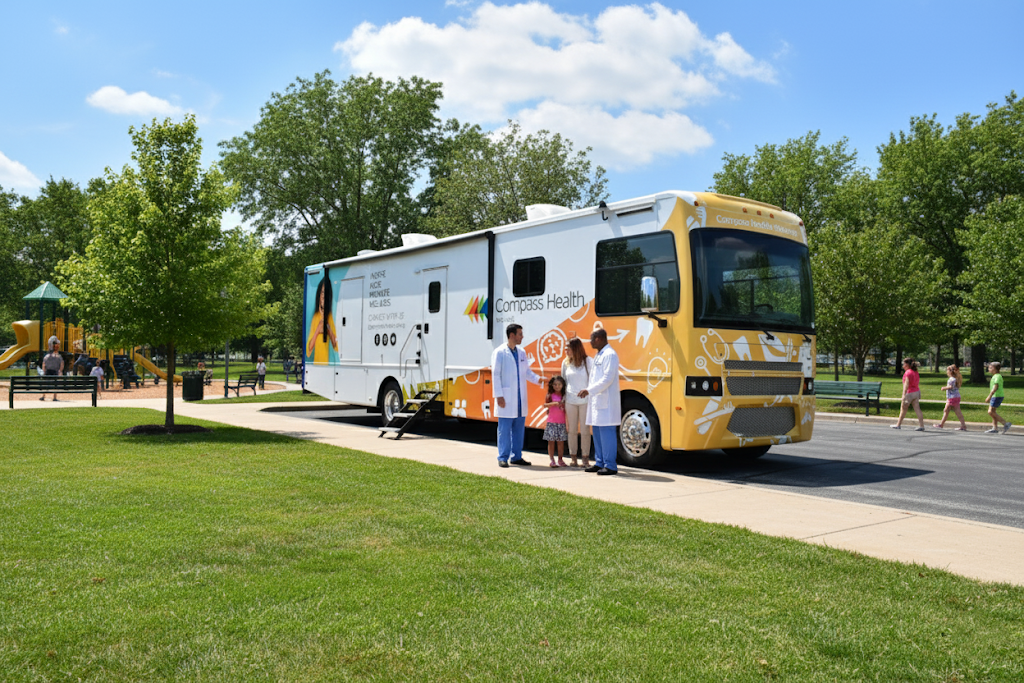
Mobile medical vehicles are moving clinics built into trailers, RVs, or trucks (not vans). Think of them as hospitals on wheels that bring care...
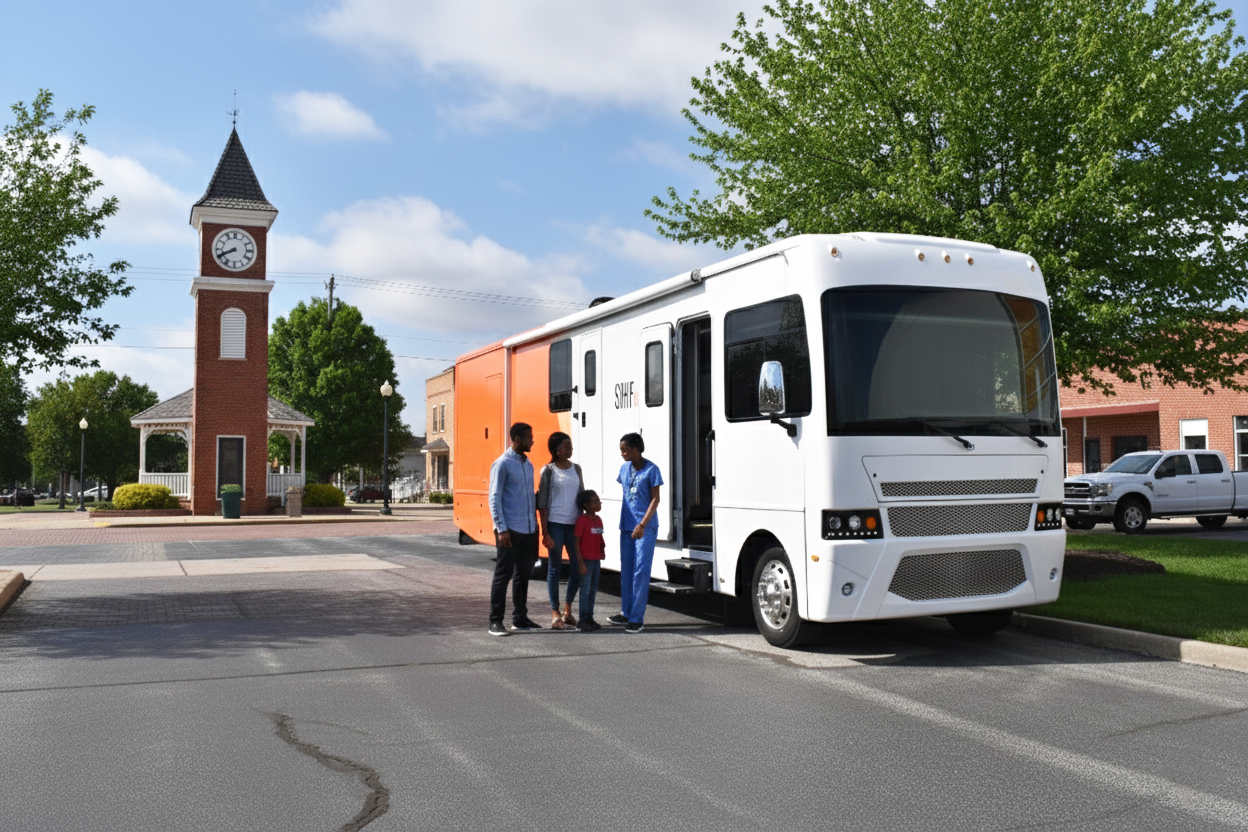
Mobile medical RVs are large, fully equipped healthcare vehicles that are significantly larger and more advanced than standard vans. Built on bus or...
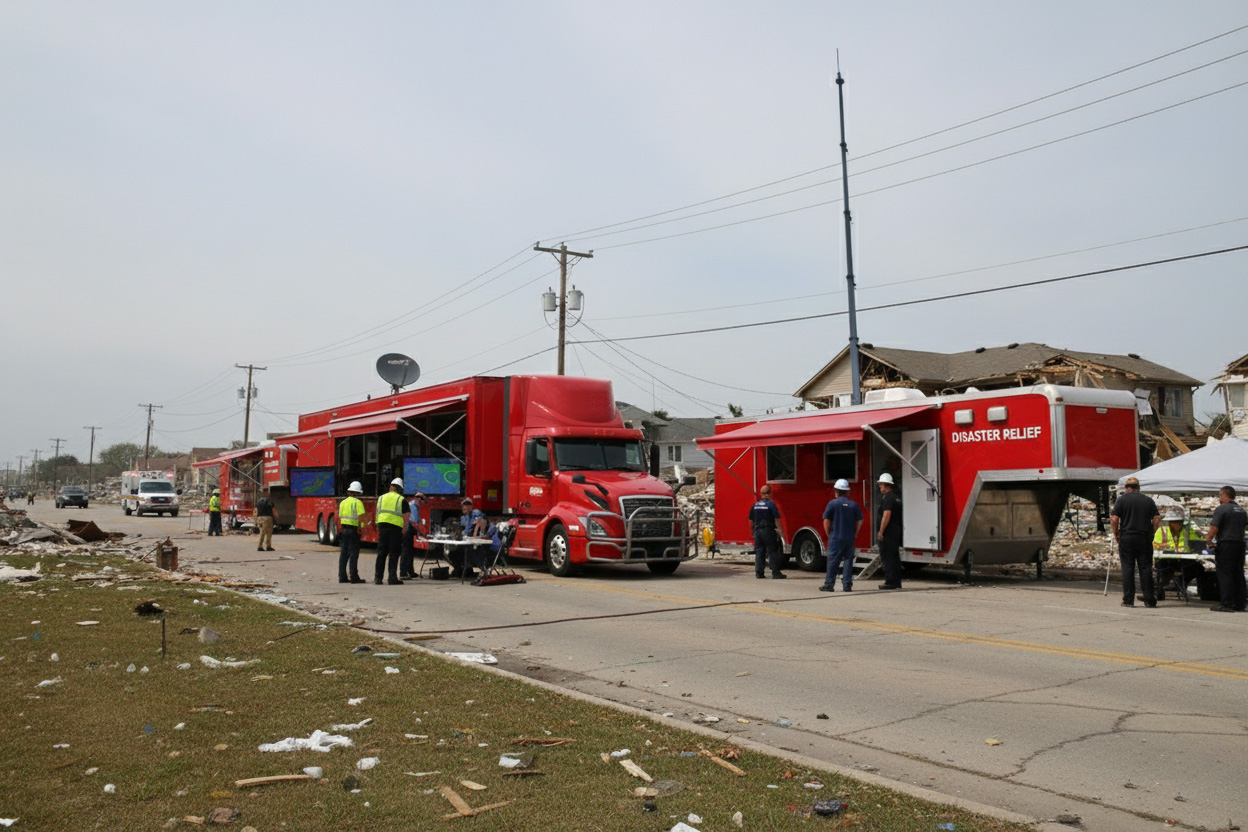
In today’s rapidly evolving threat environment, where natural disasters strike, urban incidents escalate, and critical infrastructure faces growing...