
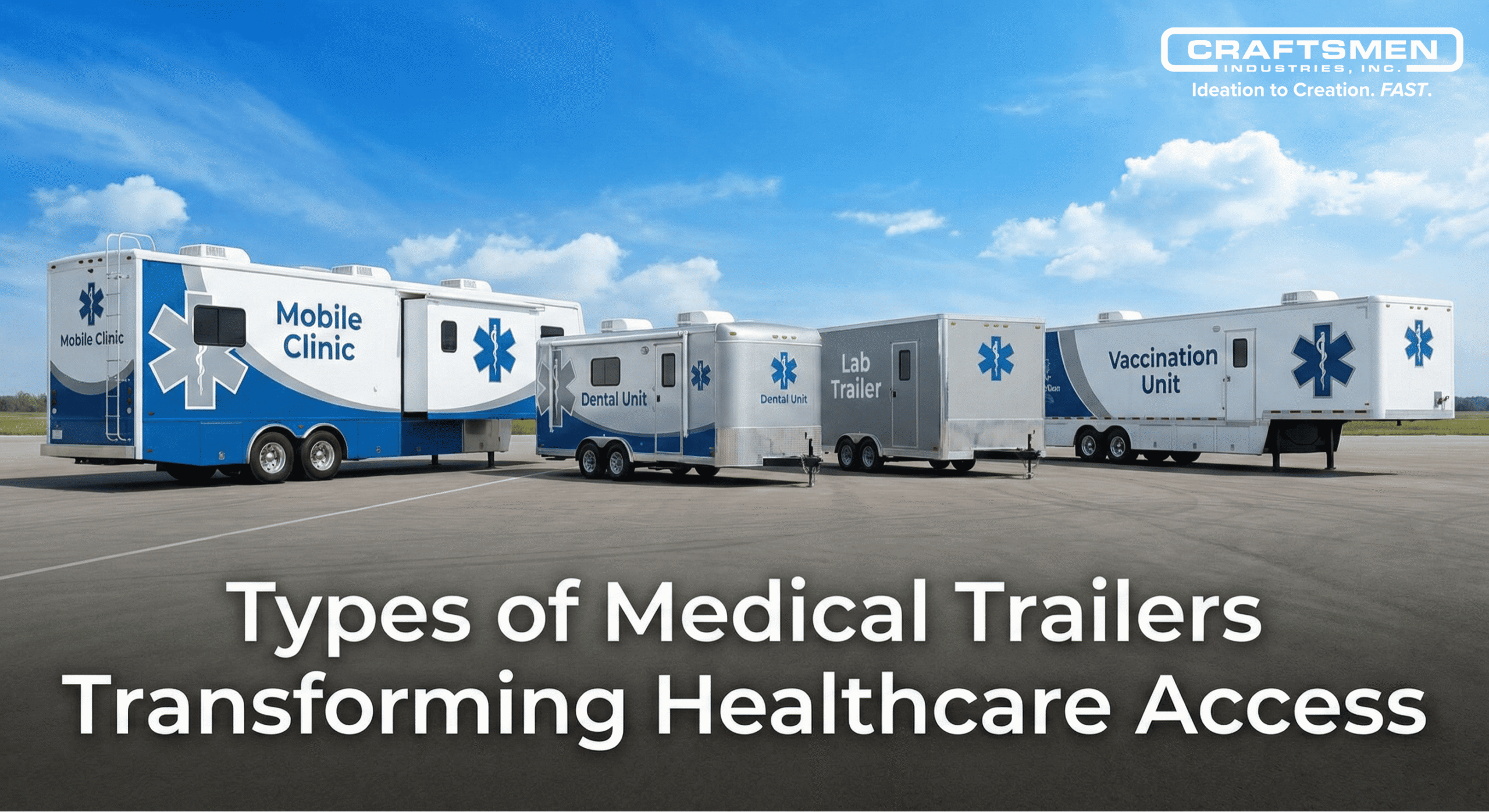
If you’re exploring healthcare delivery options beyond traditional facilities, you’ve come to the right place. We understand that access to quality medical care shouldn’t be limited by geography or infrastructure, and that’s why medical trailers have become an increasingly vital solution for healthcare providers, emergency responders, and community health organizations. Whether you’re looking to expand your healthcare services, respond to emergencies, or serve underserved populations, understanding the different types of medical trailers and their applications will help you make informed decisions about mobile healthcare solutions.
A medical trailer is a specialized mobile healthcare facility built on a transportable platform that provides clinical services, diagnostic capabilities, and treatment options outside traditional brick-and-mortar settings. These versatile units range from compact vaccination trailers to comprehensive mobile hospitals, serving critical roles in emergency response, rural healthcare delivery, and community health initiatives across diverse settings and populations.
The global mobile medical trailer market demonstrates remarkable growth, valued at USD 2,480 million in 2024 and projected to reach USD 5 billion by 2035 with a 6.6% compound annual growth rate. According to a 2009 study by Harvard Medical School, The Family Van mobile clinic achieved an exceptional return on investment ratio of 36:1, generating $20,339,968 in annual value while costing only $565,700 to operate.
Dr. Nancy Oriol, Dean of Students at Harvard Medical School and founder of The Family Van, emphasizes the profound impact of mobile healthcare: “Mobile clinics are more efficient at helping underserved communities access preventive care, manage chronic disease, and pursue healthier lifestyles. They provide a true win-win: better health outcomes for patients and lower healthcare costs for the system.”
Key Takeaways:
- Medical trailers serve healthcare needs through emergency response units that deploy within 72 hours, remote healthcare delivery vehicles reducing travel distance by 74 km, and community health initiatives delivering 5-6.5 million annual visits
- Main trailer categories include mobile medical clinics holding 55% market share, specialized vaccination trailers with cold-chain storage, laboratory trailers processing 54 daily visits, dental units meeting ADA standards, imaging trailers with digital diagnostics, and decontamination units for CBRN incidents
- Customization options encompass digital diagnostic equipment costing $2,500-$75,000, flexible layouts from 12,000-pound vans to 53-foot trailers, and essential safety features including antimicrobial surfaces and HIPAA-compliant systems
- Benefits include 36:1 ROI ratio and reduced patient costs averaging $10,315, while challenges involve maintenance costs at 23% of budget and connectivity issues in remote locations
- Medical trailers cost $120,000-$250,000+ versus millions for fixed facilities, achieve 90.6% patient satisfaction rates, and prove most appropriate for disaster response, rural healthcare gaps, and pilot programs
Our Comprehensive Analysis Reveals: This introduction sets the foundation for understanding how medical trailers revolutionize healthcare delivery through innovative mobile solutions. We’ll explore the diverse types of medical trailers available, their specialized applications across healthcare sectors, customization possibilities that maximize effectiveness, comparative advantages over traditional facilities, and practical guidance for selecting the right mobile medical solution. From emergency disaster response to routine community health services, medical trailers bridge critical gaps in healthcare access while delivering exceptional returns on investment.
Practical Implementation Tips:
-
Start by assessing your target population’s specific healthcare needs and geographic distribution to determine the optimal trailer size and equipment configuration
-
Calculate total ownership costs including the $275,000 average annual operating budget, with personnel representing 90% of expenses, to ensure sustainable program funding
Medical trailers represent a transformative approach to healthcare delivery that combines mobility, efficiency, and accessibility to serve populations wherever they need care most. As we examine each trailer type and application in detail, you’ll discover how these innovative solutions can address your specific healthcare challenges while maximizing both clinical outcomes and financial returns.
What Purposes Do Medical Trailers Serve in Healthcare?
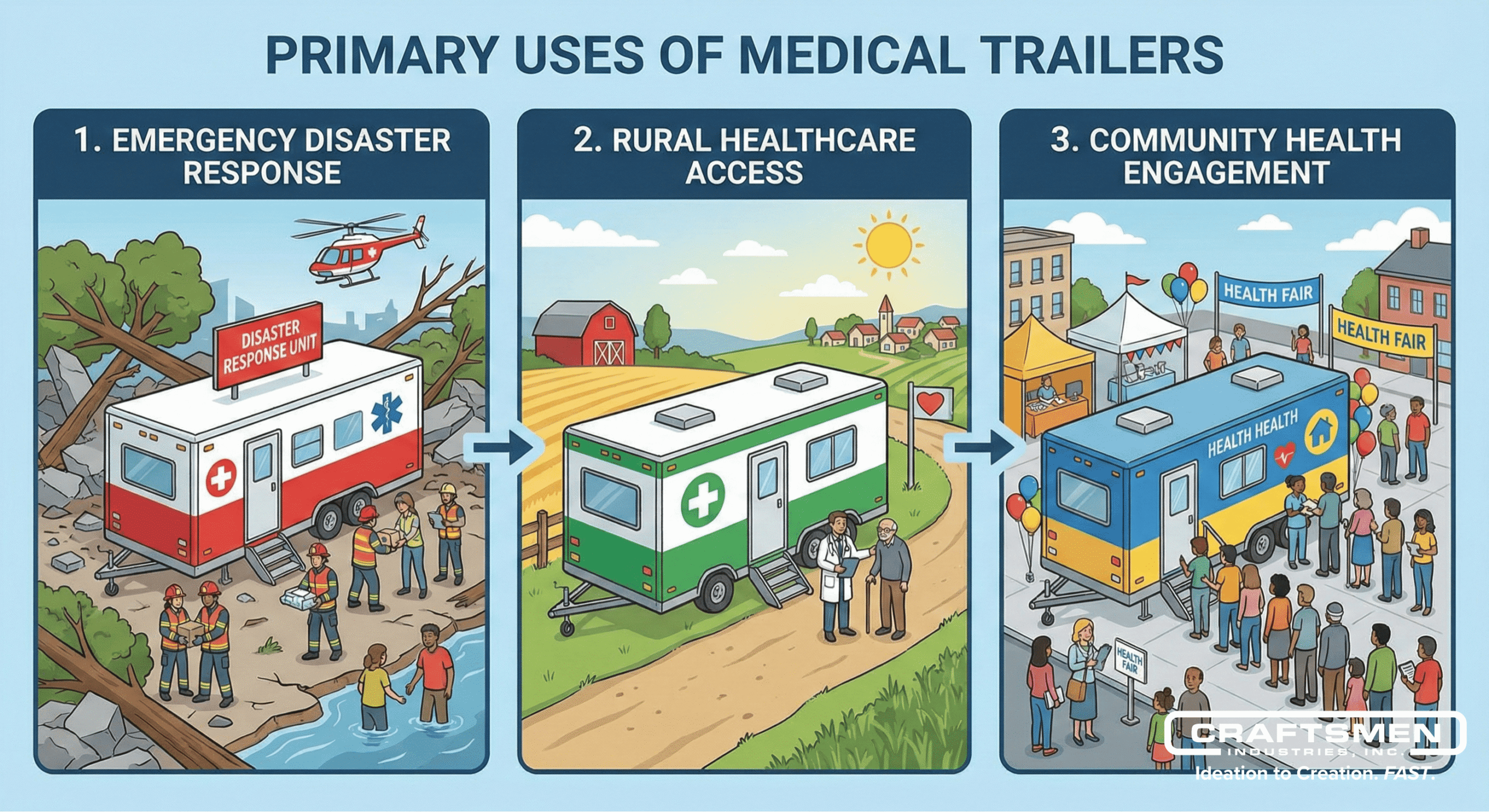
Medical trailers serve three critical purposes in healthcare: emergency disaster response, remote healthcare delivery, and community health initiatives. Mobile health units deploy within 72 hours to disaster zones, reduce travel distance by 74 km for rural patients, and deliver 5-6.5 million annual visits across the United States.
How Do Medical Trailers Support Emergency and Disaster Response?
Medical trailers support emergency and disaster response by providing rapid healthcare deployment to populations affected by natural disasters such as earthquakes, floods, hurricanes, and mudslides. According to a 2019 deployment report, Team Rubicon EMT type 1 mobile units responded to Hurricane Dorian within days of landfall. Madagascar deployed 20 WHO-supported mobile units since 2022, serving over 1 million people in disaster-affected regions.
BLU-MED deployable field hospitals become operational within 72 hours of site arrival with scalable capacity from 15 to 100 beds. WHO’s 2023 emergency response programs in conflict zones delivered vaccinations to over 1 million people through mobile medical units. These units reduce burden on local health authorities by preventing minor conditions from developing into severe illnesses through early intervention.
Medical trailers enable healthcare continuity when fixed facilities are damaged or overwhelmed, providing essential services until permanent infrastructure recovers.
In What Ways Are Medical Trailers Used for Remote Healthcare Delivery?
Medical trailers are used for remote healthcare delivery by bringing essential medical services directly to isolated communities lacking nearby facilities. The USDA 2020 census data shows 66.3 million Americans live in Census-defined rural areas with limited healthcare access. Mobile clinics reduce median travel distance by 74 km and travel time by approximately 1.5 hours for remote patients.
Remote Area Medical (RAM) operates mobile telehealth clinics with private exam rooms and telehealth technology connecting rural patients to specialists. Duke University’s MARCUS Platform aims to modernize healthcare for millions of underserved Americans in rural communities through mobile access points. Saudi Arabia’s Ministry of Health launched mobile clinics to facilitate primary healthcare services in remote areas with limited infrastructure. China’s mobile clinic model in Lishui City’s mountainous regions provides reference experience for other remote healthcare programs.
These mobile solutions bridge the healthcare gap between urban medical centers and remote populations needing regular care.
What Role Do Medical Trailers Play in Community Health Initiatives?
Medical trailers play vital roles in community health initiatives by providing accessible preventive care and health education programs. U.S. mobile clinics deliver 5 to 6.5 million visits annually across 1,500 to 2,000 operating units. A 2024 study on mobile clinic utilization found median visits per clinic reach 3,491 annually, demonstrating consistent community engagement patterns.
HHS expanded funding in 2024 for mobile clinic fleets to combat opioid crises in rural America through treatment and prevention programs. Mobile units provide vaccination drives, cancer screenings, regular check-ups, and early detection programs as core public health services. The Cone Health Mobile Medicine Unit delivers acute and primary care including patient education and chronic disease management. Mobile clinics facilitate health literacy initiatives and disease prevention through partnerships with local organizations.
Community-based mobile healthcare reduces barriers to preventive care while building trust through consistent presence in underserved neighborhoods.
What Are the Main Categories of Medical Trailers Available?
The main categories of medical trailers available include mobile medical clinics, vaccination trailers, laboratory and testing trailers, dental trailers, imaging and diagnostic trailers, and decontamination trailers. Mobile clinics held the largest market share in 2024 at approximately 55% of the global mobile medical trailer market. These categories serve distinct healthcare needs through specialized equipment and configurations.
How Are Mobile Medical Clinics Different from Other Medical Trailers?
Mobile medical clinics are different from other medical trailers because they function as comprehensive healthcare facilities that provide primary care, preventive services, and chronic disease management rather than single-purpose or specialty services. These units range from $100,000 to $315,000 depending on customization and size. Mobile Clinic Vans designed for general healthcare cost $205,000 to $315,000.
Operating costs average $275,000 annually, ranging from $300,000 to $2.5 million based on services and patient volume. Personnel costs account for 90% of operating budgets in established programs like The Family Van in Boston. Mobile clinics differ from other medical trailers through their broad service capabilities and permanent staffing requirements.
What Are Vaccination Trailers and How Do They Operate?
Vaccination trailers are specialized mobile units that operate by maintaining strict cold-chain storage between 2°C to 8°C for standard vaccines and -80°C for ultra-cold vaccines while supporting high-volume immunization workflows. India introduced AI-driven mobile health clinics for vaccination programs in late 2024. These trailers require HIPAA-compliant data storage for vaccination records and patient tracking.
Standard equipment includes:
- Refrigeration units with backup power systems
- Emergency medical supplies for adverse reaction management
- Enhanced infection control measures
- Increased capacity for mass vaccination campaigns
Post-COVID adaptations transformed vaccination trailers into high-capacity immunization centers supporting public health initiatives.
What Functions Do Laboratory and Testing Trailers Provide?
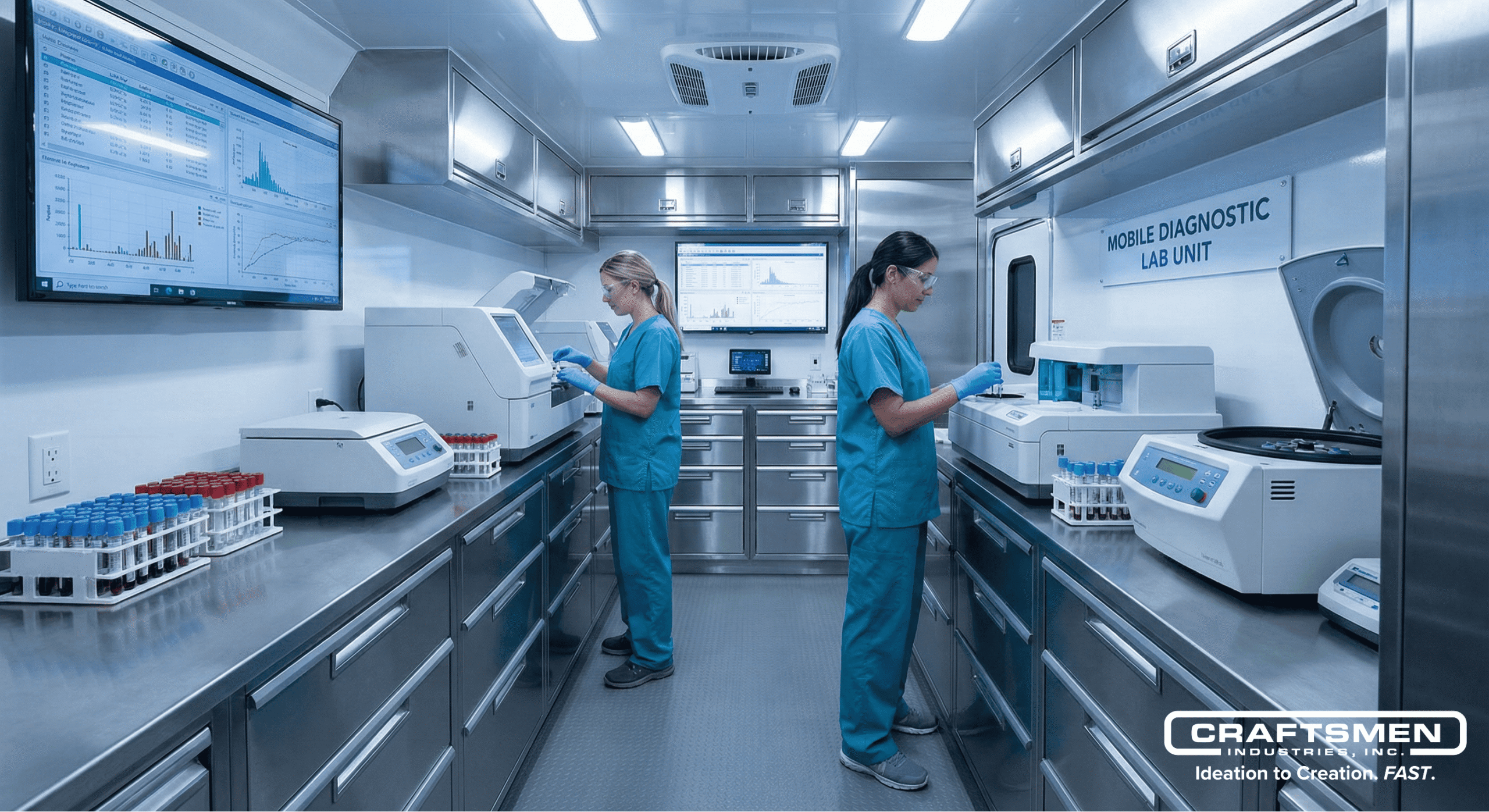
The functions of laboratory and testing trailers include point-of-care diagnostics, sample processing, and rapid result delivery. Point-of-care lab analyzers enable quick results for blood, urine, and infection tests through cloud, USB, and Wi-Fi connectivity. Laboratory trailers process an average of 54 visits daily with targets of 1,630 monthly treatments per unit.
|
Laboratory Component |
Operational Attribute |
Functional Outcome |
|
Lab Analyzers |
Connectivity |
Cloud, USB, Wi-Fi |
|
Daily Capacity |
Patient Visits |
54 visits |
|
Portable Ultrasound |
Power Source |
Battery-powered |
|
PACS Integration |
Result Sharing |
Instant specialist access |
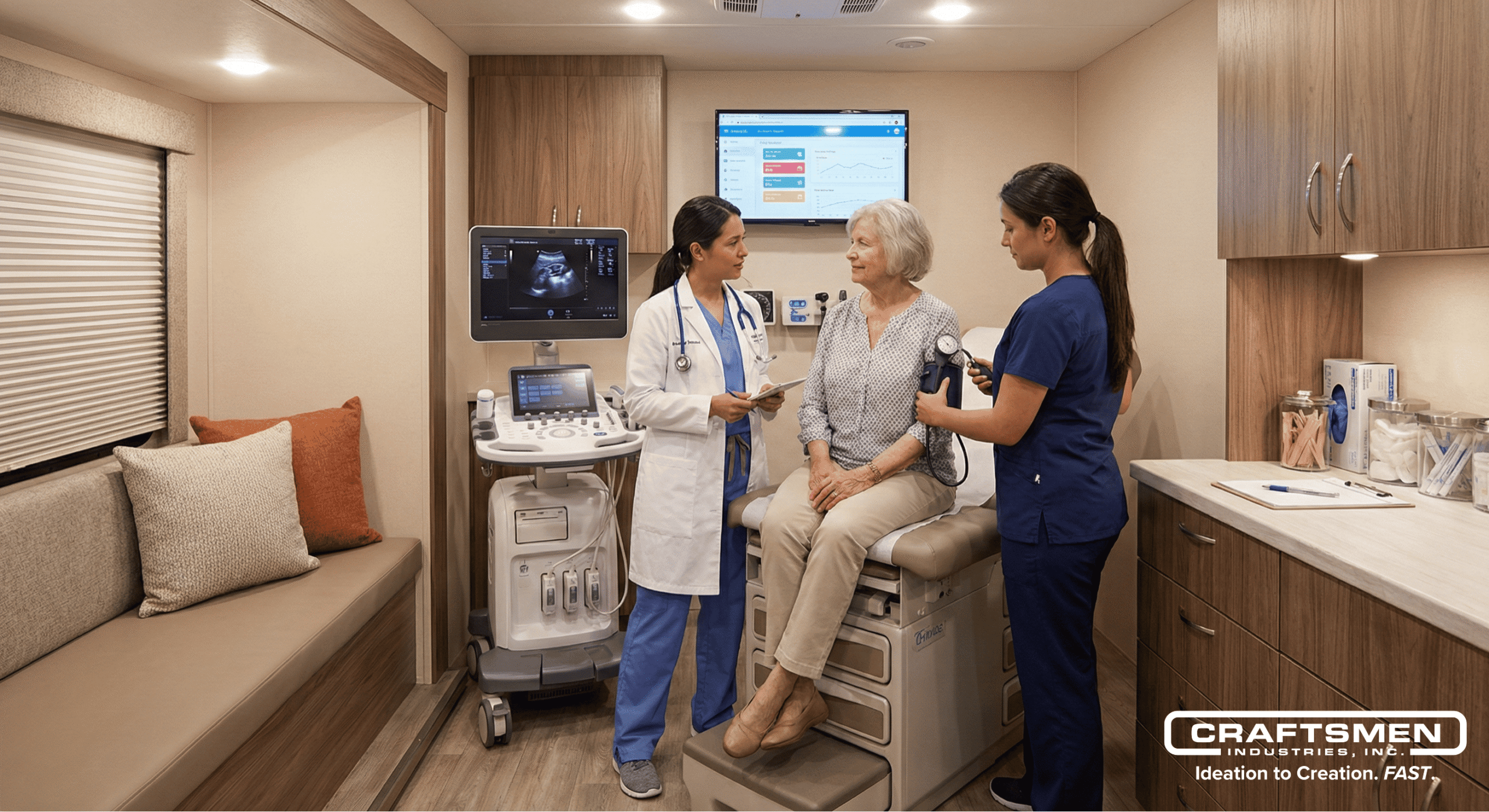
Digital diagnostic equipment includes portable ultrasound for OB/GYN, trauma, and soft tissue examination with real-time imaging capabilities.
How Are Dental Trailers Designed for Mobile Dentistry Services?
Dental trailers are designed for mobile dentistry services by incorporating sterilization systems, water access, waste management, and accessibility features that meet ADA and CDC standards. Required equipment includes covered stainless steel trash cans, potable water access including hot water, and toilet facilities. Alabama mandates $1,000,000 general liability insurance, handicap access via ramp or lift, and 24-hour accessible phone numbers for emergency follow-up.
Service area limitations exist in certain states. Maryland limits operations to 30 miles in rural settings and 10 miles in urban settings from primary dental offices. Atlas Med mobile dental units demonstrated improved oral health education, preventive care, and youth confidence in low-income communities through targeted deployment strategies.
What Capabilities Do Imaging and Diagnostic Trailers Offer?
The capabilities of imaging and diagnostic trailers include digital X-ray imaging, portable ultrasound, and cardiac monitoring systems. Digital X-ray units provide fast imaging without film requirements and instant review via Wi-Fi, PACS, or USB connectivity. Portable ultrasound equipment offers battery-powered, real-time imaging with Bluetooth and USB connectivity.
Digital ECG/EKG systems deliver immediate cardiac readings with app-based connectivity for remote consultation. Mobile Stroke Units average 8.5 dispatches per 24 operational hours with 18.8% of patients requiring hospital transport. Integration with telemedicine platforms enables instant specialist consultation through 4G/5G or Wi-Fi networks.
What Are Decontamination Trailers and When Are They Used?
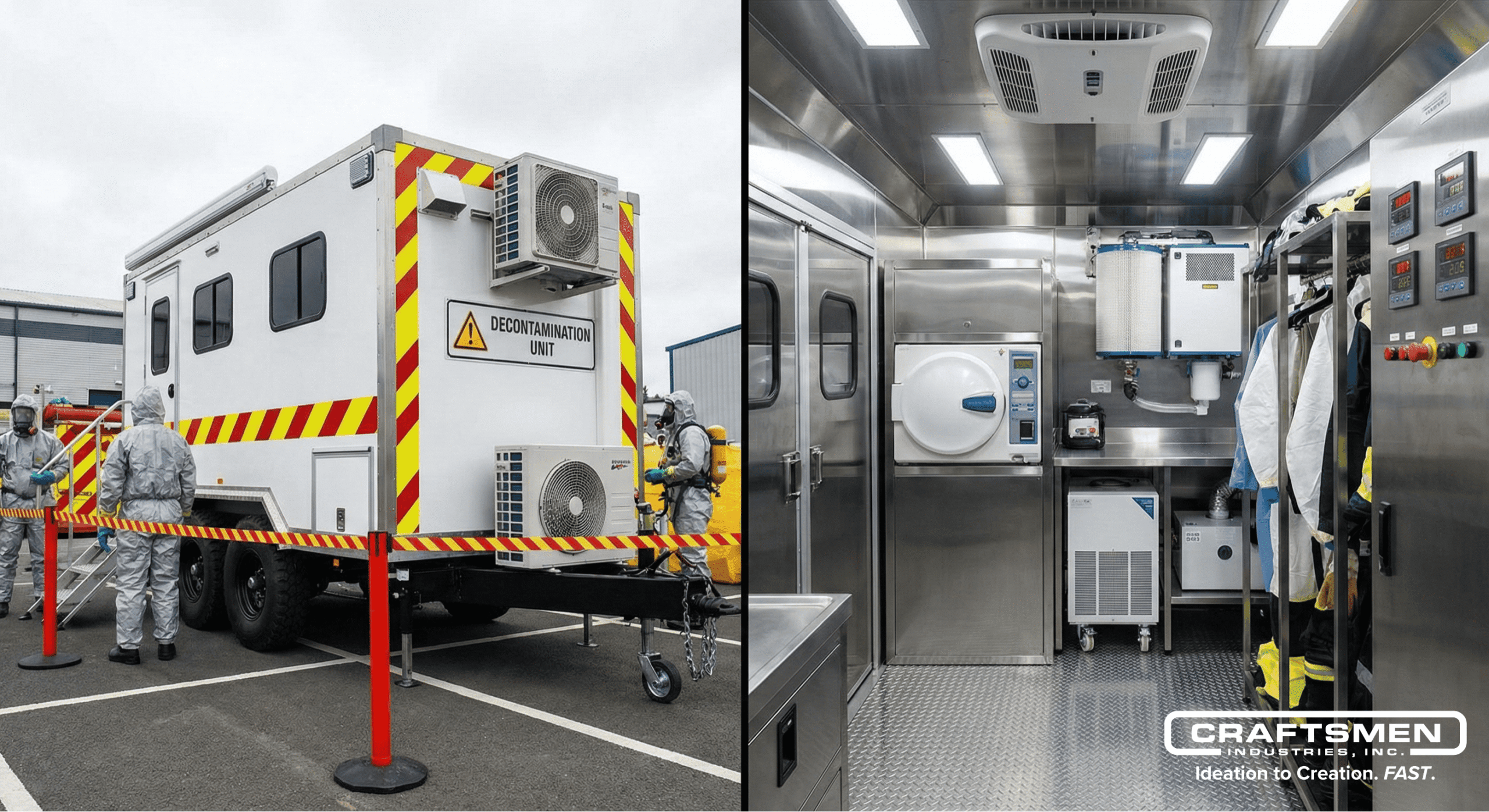
Decontamination trailers are specialized mobile units used during chemical, biological, radiological, and nuclear (CBRN) incidents to control contamination through regulated airflow, temperature control, and pathogen filtration. These trailers deploy during chemical, biological, radiological, and nuclear (CBRN) incidents. Required sterilization systems include steam autoclaves, UV light systems, and chemical disinfecting equipment.
EPA guidelines compliance remains mandatory for proper medical waste disposal and environmental safety. Post-COVID adaptations include enhanced infection control protocols and negative pressure isolation capabilities. These trailers serve critical roles in emergency response and infectious disease containment scenarios.
The diverse categories of medical trailers enable healthcare delivery across various specialties and emergency situations. Selection depends on specific service requirements, target populations, and operational environments.
How Do Customization Options Affect the Design of Medical Trailers?
Customization options affect the design of medical trailers by determining equipment integration, layout configuration, and safety features. Medical trailer manufacturers integrate specialized equipment costing $2,500 to $75,000, adapt layouts from 12,000-pound vans to 53-foot trailers, and implement mandatory safety features meeting ADA and CDC standards. These customizations enable mobile units to deliver specific healthcare services while maintaining regulatory compliance and operational efficiency.
What Specialized Equipment Can Be Integrated into Medical Trailers?
Specialized equipment that can be integrated into medical trailers includes digital diagnostic systems, telemedicine platforms, and remote monitoring devices. Digital diagnostic equipment integration costs range from $2,500 to $75,000 depending on complexity. Telemedicine platforms feature high-definition cameras, microphones, and diagnostic peripherals for video visits. Remote patient monitoring devices include connected ECGs, glucose monitors, and blood pressure cuffs.
Autonomous Mobile Clinics in prototype phase feature AI software, self-driving capability, and integrated point-of-care testing equipment. Wearable biosensors enable continuous chronic condition tracking with real-time data transmission. Electronic Health Records systems achieve integration in mobile units, matching the 96% implementation rate of non-federal acute care hospitals with certified EHR by 2022.
The integration of specialized equipment transforms mobile trailers into comprehensive healthcare facilities capable of delivering advanced medical services in any location.
How Are Layouts Adapted for Different Medical Services?
Layouts are adapted for different medical services through vehicle class selection and configuration modifications. Class A Motorhome units spanning 36-44 feet with up to four slide-outs provide maximum interior space and flexibility. Class B Motorhome units up to 12,000 pounds GVWR offer easy maneuverability and better fuel economy for urban deployments.
|
Trailer or Vehicle Type |
Design Attribute |
Layout or Cost Detail |
|
Tractor-trailer |
Length |
Up to 53 feet |
|
Tractor-trailer |
Slide-outs |
Multiple configurations |
|
Travel trailers |
Length |
Up to 40 feet |
|
Travel trailers |
Axles |
Up to three |
|
Custom awning |
Cost |
$5,000 |
|
Extra windows |
Cost per unit |
$2,000 |
|
Individual seating |
Cost |
$1,500 |
These layout adaptations ensure medical trailers accommodate diverse service requirements from emergency care to specialized diagnostics.
What Safety and Sanitation Features Are Essential in Medical Trailers?
Safety and sanitation features essential in medical trailers are non-porous antimicrobial surfaces, specialized HVAC systems, and emergency response equipment. Non-porous, antimicrobial surfaces throughout patient care areas prevent bacterial growth. HVAC systems maintain infection control by filtering airborne pathogens and regulating temperature.
Emergency exits must be clearly marked per International Health Facility Guidelines. Panic button systems provide mobile and wireless staff safety alerts. Portable sterilizers including compact autoclaves or dry-heat sterilizers meet ADA and CDC standards. Medical-grade flooring, proper PPE storage, and covered stainless steel trash cans ensure medical waste containment.
These safety and sanitation features create sterile environments matching fixed healthcare facilities while enabling mobile deployment across diverse locations.
What Are the Benefits and Challenges of Using Medical Trailers?
Medical trailers offer healthcare providers a 36:1 return on investment while serving 3,491 patients annually on average. These mobile units reduce costs and improve access but face deployment challenges including maintenance expenses and connectivity issues.
What Are the Advantages of Deploying Medical Trailers?
The advantages of deploying medical trailers are significant cost savings, improved patient outcomes, and enhanced community access. The Family Van mobile clinic demonstrates a 36:1 return on investment ratio with an annual value of $20,339,968. Mobile units reduce patient stays to 5.8 days compared to 7.9 days in traditional facilities. The average cost per patient of $10,315 represents substantial savings versus emergency department care.
Digital diagnostic equipment enables same-day results without film processing delays. Mobile clinics excel at helping underserved communities access preventive care and manage chronic conditions. Proper operational planning achieves a 70% capacity utilization rate target by 2026.
These advantages position medical trailers as cost-effective solutions for expanding healthcare access while maintaining quality care standards.
What Limitations or Risks Are Associated With Medical Trailers?
The limitations and risks associated with medical trailers include infrastructure dependencies, operational costs, and technological constraints. Damaged roads and limited vehicle access prevent deployment during disasters. A 2012 IFRC report on Bangladesh floods highlighted high transportation costs as a major barrier.
Vehicle malfunctions and maintenance account for 23% of annual operating costs in rural mobile clinics. Small units with limited personnel average only 3,491 visits annually. Poor network access in remote locations disrupts telemedicine and EHR connectivity.
Communication problems between domestic medical coordination cells and EMT Coordination Cells hinder emergency response. A 2024 healthcare cyberattack affected 190 million people, highlighting data breach risks in mobile units.
Understanding these limitations helps organizations prepare contingency plans and allocate resources appropriately for mobile healthcare programs.
How Do Medical Trailers Address Regulatory and Accessibility Requirements?
Medical trailers address regulatory and accessibility requirements by complying with ADA accessibility standards, HIPAA data protection rules, state licensing laws, and federal medical device regulations. ADA compliance mandates wheelchair ramps, widened entry doors, and accessible restroom layouts. HIPAA applies equally to mobile units, requiring safeguards for all Protected Health Information.
State-specific licensing varies—mobile units must comply with the same licensure requirements as brick-and-mortar offices. FDA regulatory supervision covers medical devices and apps affecting safety or effectiveness.
|
Regulatory Area |
Compliance Requirement |
Implementation Scope |
|
ADA Compliance |
Features |
Wheelchair ramps, widened doors, accessible restrooms |
|
HIPAA |
Application |
Equal to fixed facilities |
|
State Licensing |
Requirement |
Same as brick-and-mortar offices |
|
FDA Oversight |
Scope |
Medical devices and safety-critical apps |
|
ISO Certification |
Standards |
9001 quality management, AS9100D aerospace quality |
|
DOT Regulations |
Areas |
Roadworthiness, weight distribution, braking, lighting |
These regulatory frameworks ensure medical trailers deliver safe, accessible healthcare while maintaining operational standards comparable to traditional facilities.
How Do Medical Trailers Compare to Traditional Brick-and-Mortar Facilities?
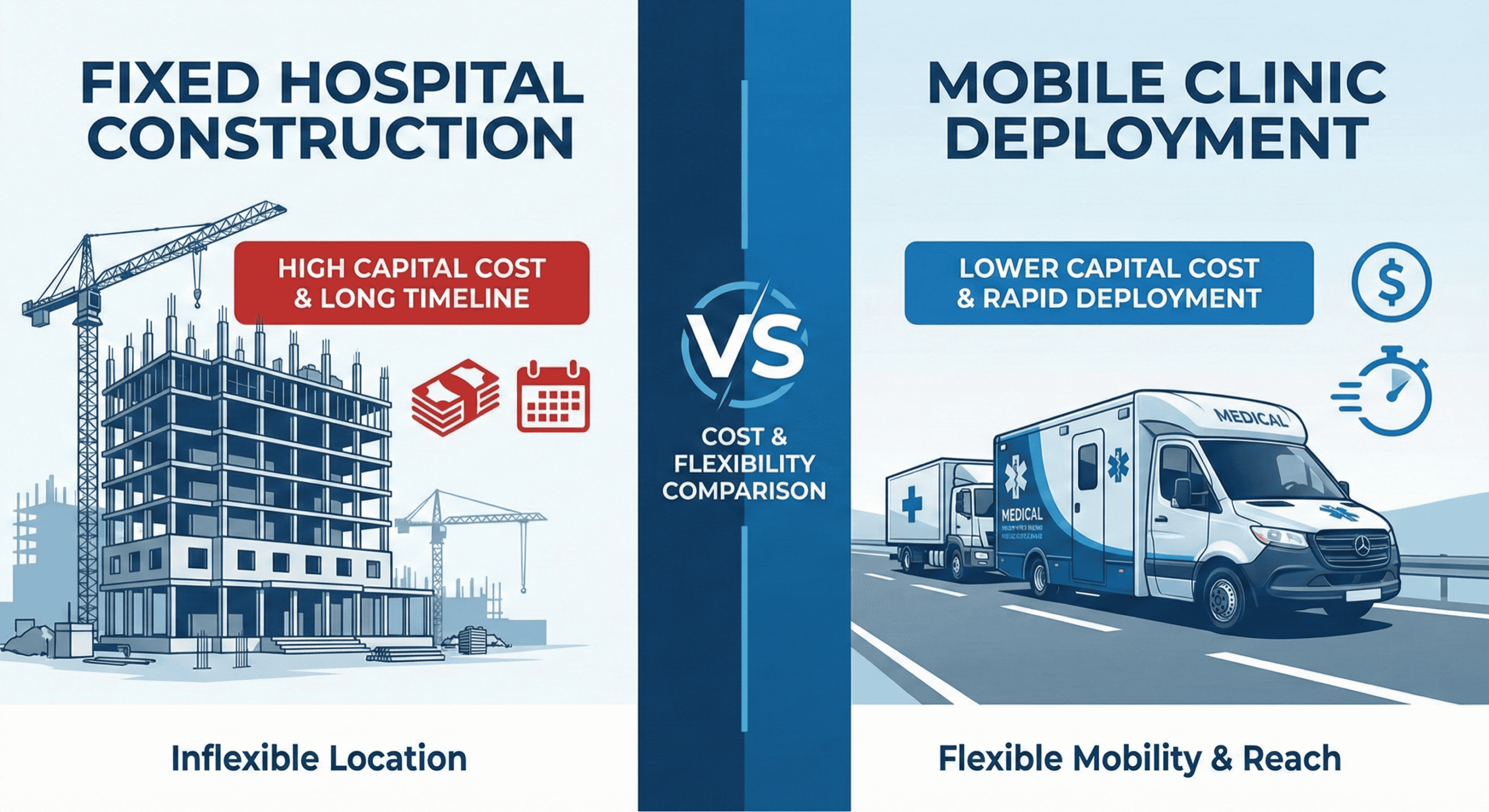
Medical trailers compare to traditional brick-and-mortar facilities by offering lower costs, greater flexibility, and broader community reach, while fixed facilities provide permanent infrastructure and centralized services. Mobile medical units offer distinct advantages in cost, flexibility, and community reach, while fixed facilities provide stability and comprehensive infrastructure. Understanding these differences helps healthcare organizations choose the right solution for their specific needs.
What Are the Key Differences in Cost and Flexibility?
The key differences in cost and flexibility center on initial investment, operating expenses, and deployment adaptability. Mobile medical trailers cost $120,000 to $250,000+, while brick-and-mortar construction requires millions. Annual operating costs average $275,000 for mobile units versus significantly higher fixed facility overhead.
Mobile units achieve break-even in approximately 14 months with total CAPEX around $985,000. Fixed facilities demand years-long ROI timelines. Fuel type flexibility includes:
- Gasoline
- Diesel
- Propane
- Liquid natural gas
- Hybrid systems
- Electric powertrains
Mobile units relocate based on community needs with four-hour travel time planning standard. Fixed facilities require long-term commitments while mobile units offer scalable deployment options.
How Is Patient Experience Different in a Medical Trailer Versus a Fixed Facility?
Patient experience in medical trailers differs through accessibility, satisfaction metrics, and service delivery location. Autonomous Mobile Clinics demonstrate higher patient satisfaction versus usual care (coefficient 77.78, P<0.01). A 2024 Oman study found 90.6% of patients reported satisfactory experiences with mobile health clinic services.
AMC provides over 20-minute waiting time tolerance advantage versus usual care facilities. When processing time exceeds 52 minutes, AMC treatment effect drops below 50% expectation. Mobile units deliver care in familiar community settings, reducing travel burden by 74 km median distance. Patient throughput target of 54 visits per day maintains efficiency while preserving quality care.
When Is It More Appropriate to Use a Mobile Solution Over a Permanent Facility?
Mobile solutions are more appropriate than permanent facilities in specific scenarios requiring rapid deployment or temporary services. Natural disasters demand rapid deployment within 72 hours of site arrival. Rural areas where 60+ million Americans lack nearby healthcare facilities benefit from mobile accessibility.
Situations favoring mobile solutions include:
- Temporary population surges or seasonal worker healthcare needs
- Public health campaigns requiring community-based vaccination programs
- Pilot programs testing service demand before permanent facility investment
- Supplementing overwhelmed hospitals during pandemic response situations
Mobile trailers excel when flexibility, speed, and community outreach outweigh the need for permanent infrastructure. The choice between mobile and fixed facilities depends on population needs, budget constraints, and strategic healthcare objectives.
How Should You Choose the Right Medical Trailer for Your Needs?
Choosing the right medical trailer requires evaluating provider capabilities, operational requirements, and long-term support needs. The global mobile medical trailer market reached USD 2,480 million in 2024, with projections to hit USD 5 billion by 2035 at a 6.6% CAGR. This growth reflects increasing demand for mobile healthcare solutions across emergency response, rural healthcare, and community health initiatives.
What Factors Should Be Considered When Selecting a Medical Trailer Provider?
The factors to consider when selecting a medical trailer provider include manufacturer reputation, licensing requirements, insurance coverage, funding sources, and operational metrics. Top U.S. manufacturers comprise Craftsmen Industries, Matthews Specialty Vehicles, Mobile Specialty Vehicles, and Odulair LLC.
Commercial Driver’s License (CDL) requirements vary based on vehicle GVWR and configuration. Insurance coverage must include:
- Commercial Vehicle Liability
- General Liability
- Inland Marine
- Property
- Umbrella
- Cyber Liability
- Professional Liability
Funding sources encompass fundraising events, foundation contributions, community partnerships, government grants, and service contracts. Annual maintenance and operating costs average $275,000, with personnel representing 90% of budget allocation.
Quality metrics for provider evaluation include:
|
Metric |
Target Value |
Purpose |
|
Capacity Utilization Rate |
70% |
Efficiency measurement |
|
Patient Visits per Day |
54 |
Throughput benchmark |
|
Gross Margin Percentage |
90% |
Financial sustainability |
These metrics guide selection toward providers demonstrating operational excellence and sustainable service delivery.
How Can Craftsmen Industries Assist in Identifying the Best Medical Trailer Solution?
Craftsmen Industries assists in identifying the best medical trailer solution through comprehensive customization, regulatory compliance support, and quality certifications. The company ranks as the top U.S. mobile medical vehicle manufacturer with specialized expertise in digital diagnostic equipment integration.
Craftsmen Industries provides HIPAA-compliant storage systems and secure cloud platforms for data transmission. Customization options include telemedicine platforms, EHR integration, and remote patient monitoring capabilities.
Design features incorporate:
- Non-porous antimicrobial surfaces
- Adequate ventilation systems
- Rigorous cleaning protocols
ISO 9001 and AS9100D certifications ensure quality management and aerospace-level quality standards. The company delivers comprehensive support for ADA compliance, DOT regulations, and state-specific licensing requirements.
These capabilities position Craftsmen Industries to match specific healthcare delivery needs with appropriate mobile medical trailer configurations.
What Are the Key Takeaways About Types of Medical Trailers We Covered?
The key takeaways about types of medical trailers include market growth, vehicle diversity, technology integration, and proven ROI. The global mobile medical trailer market valued at USD 2,480 million in 2024 will reach USD 5 billion by 2035 with 6.6% CAGR.
Six base vehicle types range from Class B vans at 12,000 pounds GVWR to 53-foot tractor-trailer combinations. Digital diagnostic equipment integration transforms mobile healthcare through instant results and specialist connectivity.
Return on investment ratio of 36:1 demonstrates exceptional value with better health outcomes and lower costs. There are 1,500 to 2,000 mobile clinics operating in the U.S., delivering 5-6.5 million visits annually.
Post-COVID adaptations include enhanced infection control, telemedicine expansion, and hybrid care models combining in-person and remote services. These developments establish medical trailers as essential healthcare infrastructure for addressing access gaps, emergency response, and community health needs.
Filter Posts by Tag
related posts

How mobile dentistry may benefit your practice by controlling overhead costs, keeping your clinic competitive, and making you smile bright? Read on!
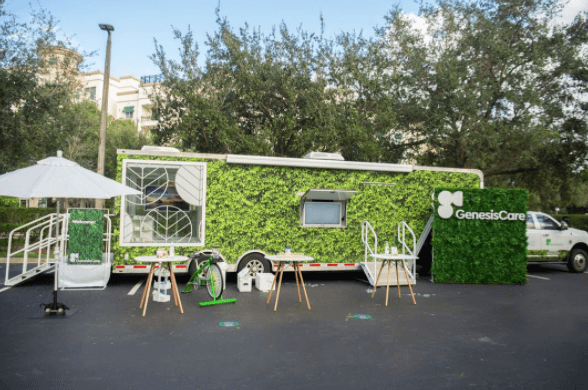
GenesisCare Mobile Conference CASE STUDY—a rebranding journey during the pandemic. See the 12-week, 13,000-mile tour that combined safety with engagement.
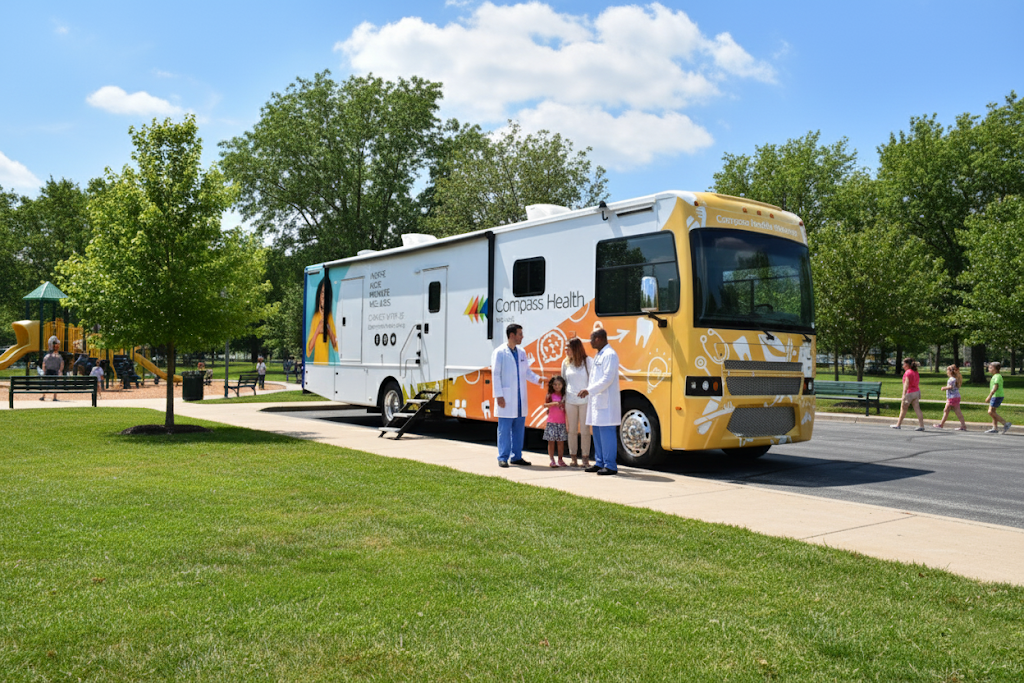
Explore mobile medical vehicles including trailers, RVs and trucks that bring healthcare to communities. Learn their types, features, costs and benefits.
