
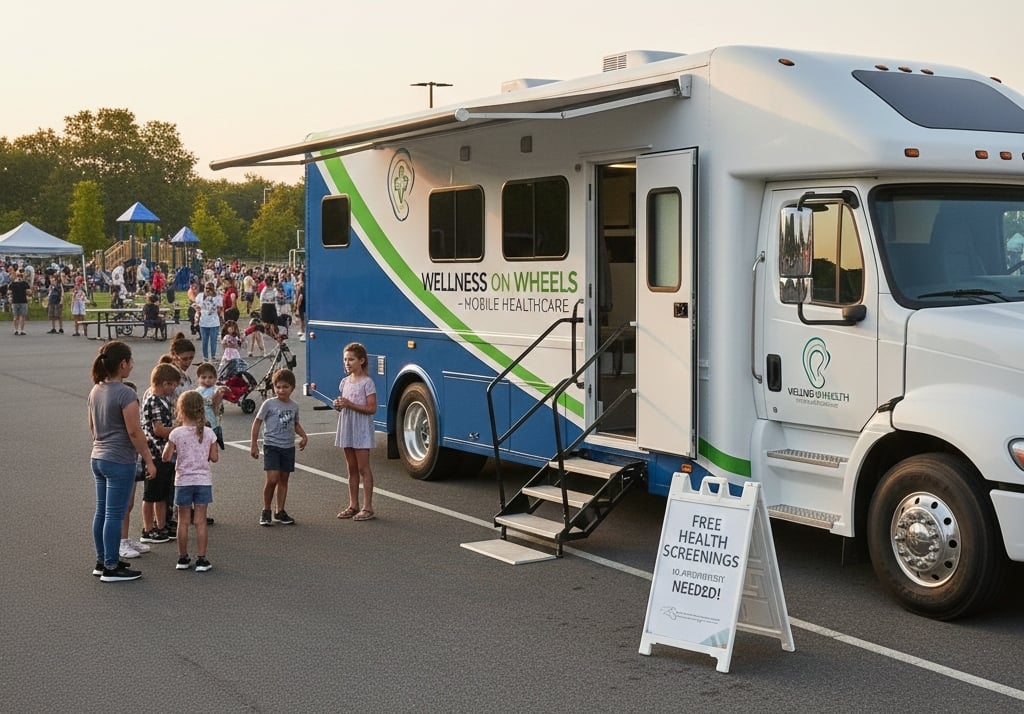
When people ask what it really takes to prepare a mobile truck for multi-service medical use, the answer is both simple and complex. At its core, it means transforming a vehicle into a reliable, compliant, and fully functional medical facility on wheels.
That transformation requires not only the right truck chassis but also a thoughtful design that accommodates patient flow, medical equipment, safety standards, and utilities like power, water, and HVAC. With those elements in place, the vehicle becomes a true extension of care delivery—capable of serving communities at schools, job sites, disaster areas, and underserved neighborhoods.
The need is urgent as the U.S. Health Resources & Services Administration reports that more than 77 million people currently live in primary care shortage areas, making mobile units a lifeline for communities at schools, job sites, disaster areas, and underserved neighborhoods.
Define the Mission and Use Case
A successful mobile medical project begins with a clear mission. Without it, the design can become scattered, and resources may be wasted. Evidence shows that mobile health clinics can generate measurable cost savings and improve health outcomes, particularly for underserved populations—findings highlighted in a literature review published in the International Journal for Equity in Health. This reinforces how clarifying services and populations at the outset directly affects the long-term impact of a mobile medical program.
Identifying Services to Offer
Will your truck provide general checkups, vaccinations, dental care, or diagnostic screenings? Each type of service demands different equipment and layout choices. For example, a truck offering immunizations may only require a single exam area and refrigeration, while one delivering diagnostics may need imaging equipment and specimen storage. Aligning these choices to local needs is critical—the World Health Organization notes that mobile teams are most effective when their services are tailored to isolated and vulnerable populations.
Understanding the Population Served
Defining the target population ensures the truck is tailored to actual needs. A mobile unit serving schools may focus on preventive care such as vision and hearing tests. Units in rural areas may need to deliver urgent care, chronic disease management, or maternal health services. Each population has unique requirements, and understanding them prevents over- or under-building.
Determining Frequency of Deployment
A truck used five days a week requires durable finishes, a large supply storage, and a generator built for long hours. A unit that supports occasional community events may be designed for flexibility, with modular layouts and lighter equipment. Planning around usage frequency ensures reliability without overspending.
Integration with Existing Care Systems
Mobile units work best when tied to larger healthcare systems. By connecting with hospitals, labs, and electronic health record (EHR) systems, patient data remains secure, and continuous care is possible.
This integration helps avoid gaps and provides patients with seamless follow-up services, and—as the Office of the National Coordinator for Health IT points out—interoperable EHRs reduce fragmentation by integrating and organizing patient information while enabling instant, authorized sharing among providers. That’s exactly what mobile programs need to maintain continuity and support smooth referrals.
Why is defining the mission so important?
The mission shapes every decision, from chassis selection to interior layout. Without it, resources may be wasted on features that don’t support the community’s needs, or critical capabilities may be overlooked.
Understand Licensing, Compliance, and Regulations
Compliance ensures mobile medical units operate safely, legally, and ethically. Because these vehicles function as both clinics and commercial trucks, they must satisfy regulations in both healthcare and transportation.
That means protecting patient information under HIPAA’s Privacy Rule, designing access features in line with the 2010 ADA Standards (such as a 1:12 ramp slope and a 32-inch minimum door width), and meeting FMCSA’s definition of a commercial motor vehicle—which applies once the gross vehicle weight rating reaches 10,001 pounds or more. Together, these overlapping requirements form the foundation for a legally sound and patient-ready mobile clinic.
- Vehicle and staff licensing: The truck must meet Department of Transportation (DOT) standards, and medical staff must hold active licenses in every state where services are provided. For drivers, federal CDL groupings (A/B/C) apply based on vehicle size and configuration (e.g., ≥26,001 lb thresholds).
- Health and safety regulations: State health departments enforce sanitation, infection control, and medical waste disposal standards that influence the truck’s design and daily operation. CDC’s outpatient infection‑prevention guidance details the minimum expectations for safe care, including cleaning, disinfection, and setup of clean/dirty workflows in ambulatory environments.
- HIPAA and patient privacy: Confidentiality applies just as much in a mobile unit as in a hospital. Layout, digital systems, and intake processes all need to protect patient privacy. HHS’s summary of the Privacy Rule outlines the safeguards and limitations on use/disclosure that mobile programs must uphold.
- ADA accessibility: Federal ADA guidelines require ramps or lifts, wide doors, and wheelchair maneuvering space to ensure equal access for all patients.
Do compliance rules differ by state?
Yes. Federal standards set a baseline, but individual states may impose additional health and safety requirements. It’s best to consult with regulators early to avoid delays or costly redesigns later.
Choose the Right Vehicle Platform
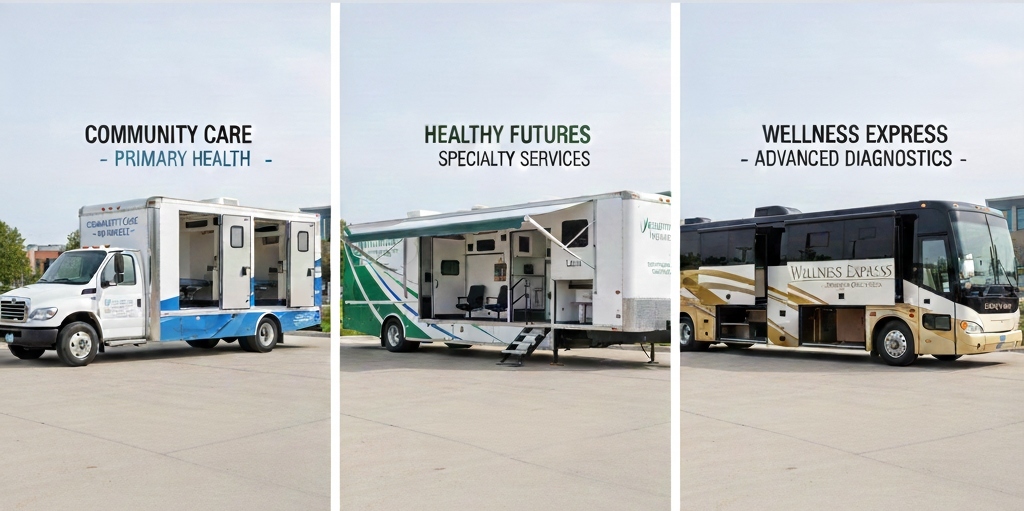
The vehicle platform determines the size, weight capacity, drivability, and long-term reliability of the mobile clinic. Choosing the wrong platform isn’t just inconvenient—it can be unsafe. The Federal Motor Carrier Safety Administration sets the key weight thresholds through GVWR and GCWR definitions, and the National Highway Traffic Safety Administration clarifies that the rated cargo load reflects the maximum safe operating weight of a vehicle. Exceeding those limits undermines safety, which is why platform selection must be based on the actual clinical payload and the road conditions the unit will face.
Chassis Options
Box trucks are a common choice because they strike a balance between size and maneuverability. They can accommodate one or two exam rooms while still being easy to operate in urban areas. For larger service needs, medical trailers or coach platforms provide expanded interiors for medical labs, imaging systems, or multiple treatment rooms—a range that public guidance for mobile medical units also acknowledges, from smaller vans and buses up to full trailers and coaches, depending on clinical scope and space requirements.
Weight and Size Considerations
Gross Vehicle Weight Rating (GVWR) is a key factor when designing a mobile medical unit. Diagnostic machines, cold storage, and generators all add significant weight. Overloading the vehicle not only violates regulations but also reduces safety and reliability. Choosing the right chassis ensures the truck can handle the load without issues.
Powertrain and Road Conditions
Diesel engines are often chosen for long-distance travel and heavy loads, offering durability and fuel efficiency. Gasoline engines may be better suited for short, frequent trips in urban areas. Hybrid and electric platforms are emerging options, especially for organizations that prioritize sustainability.
Additionally, the EPA notes widening medium‑/heavy‑duty efficiency standards and the emerging availability of zero‑emission vocational trucks, making hybrid/EV platforms increasingly viable for specific duty cycles.
What’s the most common platform for mobile clinics?
Box trucks and trailers are the most widely used because they provide customization flexibility while remaining practical and cost-effective.
Interior Layout and Workflow
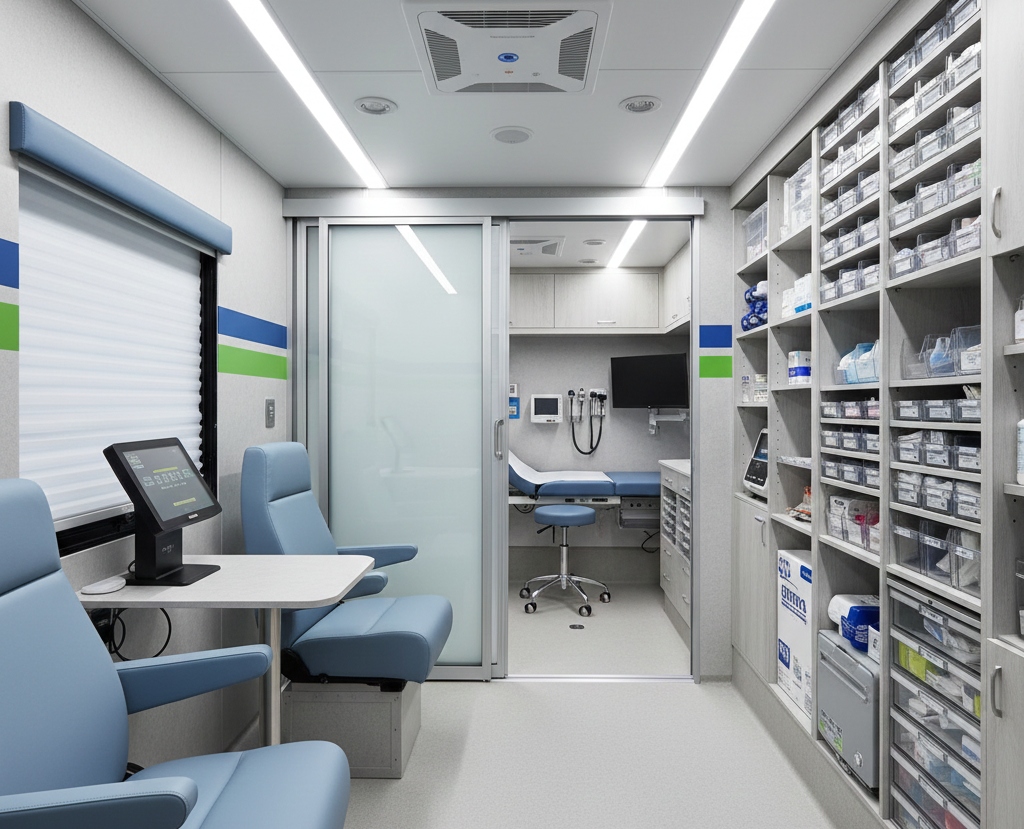
The interior layout determines how efficiently staff can work and how comfortably patients are served. A thoughtful design creates flow, avoids bottlenecks, and supports infection control.
Zoning for Clean and Dirty Areas
Designating areas for sterile procedures and separating them from specimen handling or waste collection is essential. These zones reduce cross-contamination risks and meet inspection standards.
Exam Rooms and Intake Areas
Smaller units may use a single multipurpose exam space, while larger vehicles can include multiple exam rooms and even a dedicated intake or waiting area. Having a structured patient flow from registration to examination helps operations run smoothly.
Storage and Equipment Positioning
Cabinetry and modular partitions keep supplies organized and reduce clutter. Strategic placement of equipment minimizes unnecessary movement during appointments, allowing staff to work more efficiently and safely.
Ergonomic Design
Ergonomics is often overlooked but crucial. Staff must be able to move without strain, while patients should feel comfortable and safe. Good lighting, acoustic insulation, and climate control all enhance the overall experience inside the unit—and safe patient-handling programs further strengthen this design by reducing injuries among healthcare workers and ensuring operations remain sustainable in compact mobile environments.
Can one truck have multiple exam rooms?
Yes. With the right platform size, two or more exam rooms can be included, enabling simultaneous appointments and expanded service capacity.
Integrate Power, Water, and HVAC Systems
The heartbeat of any mobile medical truck isn’t just the equipment patients see when they step inside. It’s the systems hidden behind the walls—power, water, and climate control—that keep everything running smoothly day after day. These utilities are the difference between a truck that looks impressive and one that can actually function in the field. If they’re designed with care, your unit will operate reliably whether it’s parked in the middle of a busy city or stationed miles from the nearest utility hookup.
Power Supply
Every light, every diagnostic tool, every refrigerator storing temperature-sensitive vaccines depends on a steady current. That’s why selecting the right generator isn’t a guesswork exercise—it’s a calculation. A generator that’s too small leaves staff scrambling when equipment shuts down mid-visit, while one that’s too large wastes fuel, adds unnecessary weight, and takes up valuable space.
Redundancy is where thoughtful planning comes into play. Shore power connections let you plug into a building’s electrical system when available, giving your generator a rest and cutting down on noise. Solar panels are also finding their place on mobile units, not to replace generators entirely but to extend run time and keep essential systems online if the unexpected happens. Together, these strategies build resilience into your operations, ensuring care isn’t interrupted because of a single point of failure.
Water Systems
Water might seem simple, but in a medical setting, it’s anything but. Every sink used for handwashing, every sterilization station, and every sanitation task depends on reliable water access. Freshwater tanks need to be sized to match the volume of patients you expect to see in a day, and wastewater tanks must be designed to safely contain everything used until disposal. If either system falls short, operations can grind to a halt.
That’s why safe plumbing design is more than a matter of convenience—the EPA’s Cross-Connection Control Manual highlights real cases where backflow and backsiphonage contaminated potable systems, underscoring the need for air-gaps and approved preventers in mobile medical setups.
Smart plumbing design is about more than convenience. Backflow prevention, monitoring systems, and easy fill-and-drain access points keep the unit sanitary and inspection-ready. With the right setup, staff won’t waste time juggling water supply issues—they can focus entirely on patient care.
HVAC for Sterile Air
In a compact mobile environment, air quality is just as critical as equipment quality. Patients and staff spend hours inside these spaces, and a poorly designed HVAC system can make the truck feel stuffy, uncomfortable, or worse—unsafe. The solution is medical-grade climate control. Systems with HEPA filtration remove airborne contaminants, while optional UV sterilization can actively neutralize pathogens circulating in the air.
This isn’t just a design preference—the CDC’s ventilation guidance confirms that both portable HEPA filtration and UVGI are effective supplemental air-cleaning strategies, helping mobile units maintain safer conditions even when ventilation is limited.
Comfort also matters. The HVAC system should create consistent temperature zones that make patients feel at ease while keeping staff alert and comfortable. Some units even separate airflow for different zones—such as exam rooms versus lab spaces—to minimize the risk of cross-contamination.
Electrical Paneling
The electrical panel is the quiet workhorse of the unit. It determines how power flows and ensures that nothing shorts out when multiple systems are running simultaneously. Poorly planned panels can cause tripped circuits that shut down critical systems right when patients are being seen. That’s why balanced load distribution, surge protection, and proper grounding are must-haves.
A well-designed panel doesn’t just handle today’s needs. It also anticipates tomorrow’s. Medical technology evolves quickly, and your unit should be able to support upgrades without costly rewiring. Building in that flexibility from the start saves time, money, and headaches later.
Core Utility Systems for Mobile Medical Trucks
|
Utility System |
Requirement |
Why It Matters |
|
Power Supply |
Generator with backup |
Keeps diagnostics and refrigeration running |
|
Water System |
Fresh and waste tanks |
Supports hygiene and compliance |
|
HVAC |
Medical-grade filtration |
Maintains clean air for patients and staff |
|
Electrical Panel |
Balanced load distribution |
Prevents overload and downtime |
What happens if the generator fails?
Most trucks include backups such as shore power or solar arrays, ensuring patient care continues without interruption.
Select and Install Medical Equipment
With infrastructure in place, the next step is outfitting the truck with equipment that aligns with the mission and the patients it will serve. Choosing the right tools ensures the unit delivers care effectively without overwhelming staff or exceeding space and weight limits.
- Core exam tools: Exam tables, otoscopes, stethoscopes, and blood pressure monitors form the foundation of patient care. These essentials should be compact, durable, and arranged in ways that maximize limited space. Wall-mounted diagnostic stations and multi-use exam tables can help free up room.
- Diagnostic devices: Portable ultrasound machines, digital X-ray units, and point-of-care lab tools expand the clinic’s capability beyond basic care. These devices require careful planning for power needs, shielding, and stable installation to ensure accuracy and safety—and this is precisely why FDA device standards and professional shielding guidance exist: to ensure that mobile imaging and lab equipment can be installed and operated without compromising safety or performance.
- Cold storage for vaccines: Medical-grade refrigerators safeguard vaccines and temperature-sensitive medications. Many include real-time monitoring systems to alert staff if conditions drift, protecting supply integrity during long deployments.
- Sterilization and disposal systems: Sharps containers, PPE stations, and sterilization tools help maintain infection control. Placement is key—disposal units should be accessible without interrupting workflow, and PPE stations should encourage proper use right at entry points.
Can imaging equipment fit in a mobile truck?
Yes. Portable ultrasound and digital X-ray systems are commonly used in mobile units, but they require reinforced structures and shielding to ensure safety.
Accessibility and ADA Compliance
Accessibility in a mobile medical unit isn’t just about regulations. It’s about giving every patient the ability to step inside, move around, and receive care without hesitation. When people feel welcome and supported, trust in the clinic grows. That trust begins with how the vehicle is designed, and the 2010 ADA Standards set the benchmarks—such as a 1:12 maximum ramp slope, a 32-inch minimum clear door width, and a 60-inch turning space for wheelchairs—that ensure mobile interiors and entries meet those expectations.
Entry Access
For most patients, the first impression happens at the door. If getting inside feels awkward or unsafe, the experience is already off to a rocky start. Ramps and wheelchair lifts are the go-to solutions, but the best ones are built for frequent use, not occasional service.
They operate smoothly, handle weight reliably, and don’t leave patients waiting while staff wrestle with controls. When entry feels seamless, the visit begins on a positive note.
Interior Space
Once inside, the flow of space matters more than most people realize. Narrow walkways and tight corners can create stress for patients using mobility aids. By contrast, wide hallways and thoughtful layouts allow for easy maneuvering.
Adjustable exam tables add another layer of comfort, giving patients the ability to settle in without strain. These details may seem small during design, but they completely change how patients experience care once the unit is in use.
Safety Features
Even after the patient is inside and settled, safety features continue to shape the visit. Grab bars installed in the right places provide balance when patients stand or shift position. Flooring with non-slip surfaces reduces the risk of falls, which is especially important on rainy or snowy days when shoes track in water.
Adding contrasting finishes on steps and thresholds improves visibility for patients with low vision, making movement feel secure and intuitive. Combined, these elements send a clear message: every aspect of the design has been considered with the patient’s well-being in mind.
How do mobile units meet ADA standards?
By including wheelchair lifts or ramps, widened doors, and accessible interior layouts, mobile units comply with ADA while ensuring patients are treated with dignity.
Plan Staffing, Operations, and Scheduling
A mobile medical truck can be outfitted with the latest equipment and a flawless layout, but without the right team and a clear plan for daily operations, it will never reach its potential. People, processes, and schedules are what bring the vehicle to life. When they work in harmony, patients are seen efficiently, staff stay energized, and the unit fulfills its mission.
Research from the National Coordinator for Health IT reinforces this point, showing that interoperable health IT reduces duplication and improves communication among providers, making care more coordinated and less fragmented—a crucial factor for mobile delivery models. At the same time, standards such as NFPA 110 highlight the need for dependable emergency and standby power systems, ensuring that mobile clinics can maintain continuity of care even if their primary power source fails.
Staffing Models
Not every mobile clinic is staffed the same way. Some are led by physicians, while others rely on nurse practitioners or physician assistants who are fully trained to provide primary care. The structure depends on the services being offered and the population being served.
But clinical staff are only part of the equation. Drivers, medical assistants, and program coordinators are equally vital. A skilled driver ensures the vehicle is safe and dependable on the road, while coordinators handle logistics, community outreach, and communication with partner organizations.
The Agency for Healthcare Research and Quality highlights that effective care coordination depends on the timely sharing of information across teams. When these tools support mobile clinic staff, they can streamline referrals, improve lab connectivity, and ensure timely follow-up—making care delivery far more efficient and effective in the field.
Training for Mobile Conditions
Delivering care in a mobile environment is different from working in a hospital or clinic. The space is tighter, the flow of patients can shift quickly, and the equipment may need to be operated under less-than-ideal conditions.
That means training has to go beyond medical expertise. Staff need to learn how to adapt in confined areas, use compact diagnostic tools efficiently, and maintain infection control in a high-traffic space. Even something as simple as practicing patient handoffs inside a narrow hallway can prevent confusion and improve safety. The best teams are the ones that anticipate these challenges and are ready to adjust on the fly.
Scheduling and Patient Flow
Scheduling shapes the rhythm of the day. Some mobile units operate strictly by appointment, which helps manage time but requires reliable outreach and patient communication. Others are designed for walk-ins, especially when serving underserved populations or during disaster response.
In either case, the goal is the same: keep patients moving smoothly through intake, examination, and follow-up. Technology can help here—digital scheduling systems integrated with EHRs make it easier to track patient volume, avoid double-bookings, and reduce wait times. A well-managed schedule doesn’t just save staff from burnout; it also gives patients confidence that the mobile unit is professional and dependable.
Who drives the mobile clinic?
A trained driver or operator is usually assigned, allowing medical staff to focus exclusively on patient care.
Focus on Branding, Signage, and Patient Experience
The way a mobile medical unit looks and feels can shape a patient’s opinion before a single word is spoken. Function matters, of course, but appearance and atmosphere carry their own weight. A well-branded, comfortable, and welcoming unit tells patients they are in good hands, and that confidence carries through every part of the visit.
Exterior Branding
The outside of the truck is more than a shell—it’s a billboard that travels with you. Graphics, wraps, and logos turn the vehicle into a moving extension of your organization’s identity. When patients see it pull into a neighborhood, they should instantly recognize who you are and what you offer.
Clear signage also reduces hesitation, letting people know exactly where to go and what kind of services are inside. In outreach and community health, first impressions at the curb often make the difference between someone stepping forward for care or walking away.
Interior Comfort
Once patients step inside, the environment should reinforce the professionalism of your team. Lighting that is bright enough for clinical work but soft enough to avoid harshness makes the space feel balanced.
Climate control keeps the truck comfortable in any season, and soundproofing reduces outside noise that can make an already anxious patient feel unsettled. When the interior feels calm, clean, and thoughtfully designed, patients are more likely to trust the care they’re about to receive—and more likely to return for follow-up visits.
Noise and Visual Design
Sound and color matter more than most people realize in a healthcare setting. Acoustic panels limit distractions, making it easier for staff to focus and for patients to feel at ease. Visual design plays its part too.
Calming colors, natural tones, and finishes chosen with intention can transform a compact medical unit into a space that feels professional yet approachable. Instead of feeling like they’re in a truck, patients feel like they’ve entered a proper clinic. That difference can lower anxiety and create a lasting positive impression.
Why invest in branding for a medical truck?
Branding builds trust, improves recognition, and positions the mobile unit as a professional extension of the organization.
Bringing Care Where It’s Needed Most
A mobile medical truck is more than a vehicle; it is a lifeline that carries healthcare into communities that need it most. From defining its mission to equipping it with medical technology and ensuring compliance, every detail matters in preparing a truck for multi-service medical use. Whether you are starting small or planning a fleet, the right design and planning will create a reliable, trusted, and patient-centered solution.
If you are ready to bring your vision of mobile healthcare to life, Craftsmen Industries is here to help. With decades of expertise in specialty vehicle design and build, our team transforms ideas into purpose-built solutions that deliver care where it counts most. Contact us today to start designing your mobile medical truck and take the first step toward expanding your reach in healthcare delivery.
Frequently Asked Questions
What is the average cost of building a mobile medical truck?
The cost varies but typically ranges from several hundred thousand dollars to over a million, depending on customization and equipment.
Can mobile medical units operate during emergencies?
Yes. They are frequently deployed in disaster zones, providing urgent care where hospitals are unavailable.
Do mobile units require special insurance?
Yes. Coverage includes vehicle insurance, liability, and medical malpractice policies tailored to mobile healthcare.
Filter Posts by Tag
related posts
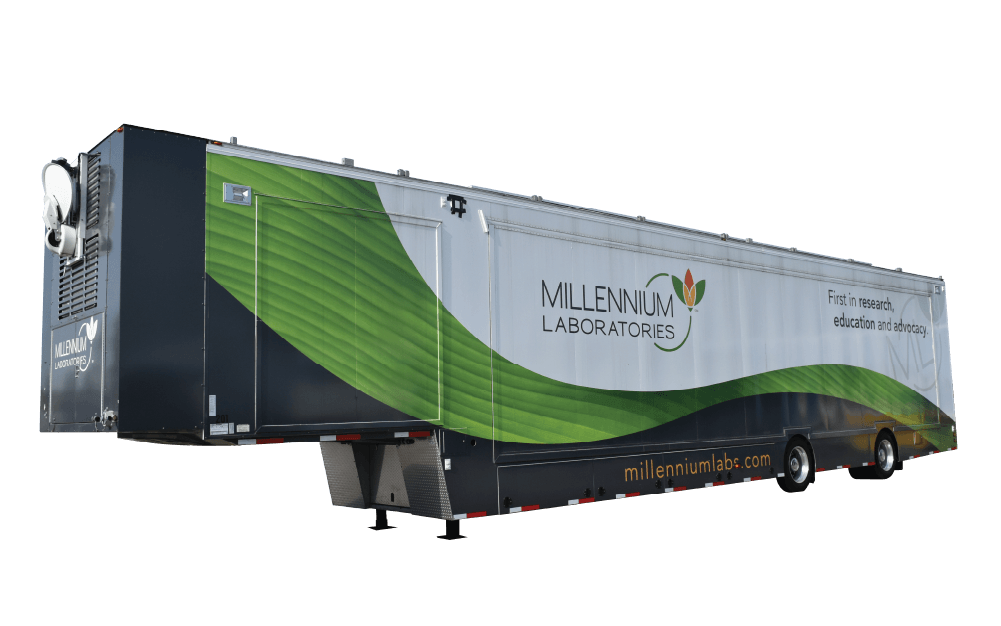
What is a medical lab vehicle? If you are a healthcare provider looking to mobilize your services, click here to discover how mobile medical labs are used.
A custom medical trailer is a mobile healthcare unit designed [...]
How mobile dentistry may benefit your practice by controlling overhead costs, keeping your clinic competitive, and making you smile bright? Read on!
