
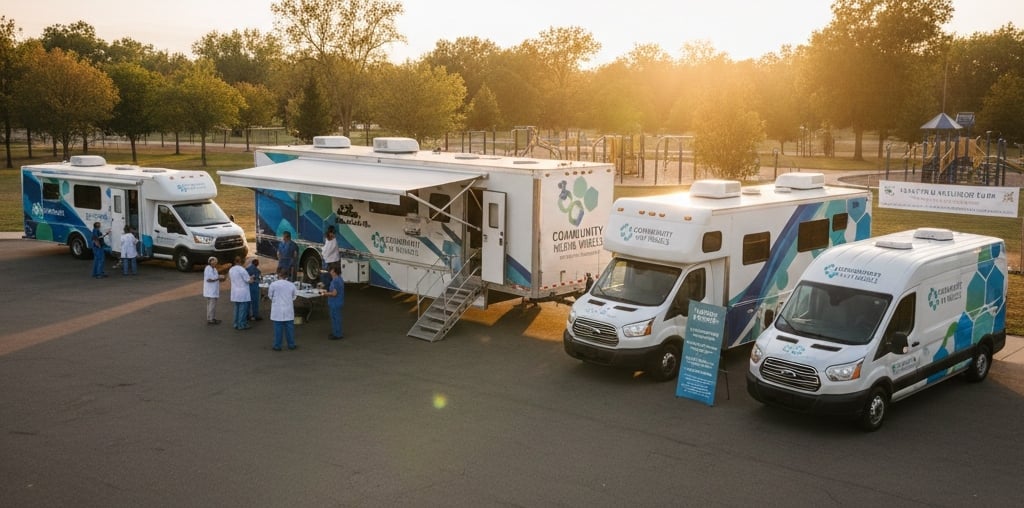
Mobile medical and healthcare specialty vehicles are redefining how care reaches communities. These purpose-built units deliver essential medical, dental, and diagnostic services directly to patients, reducing barriers caused by distance, cost, or limited facility access.
Recent studies show that in rural clinics (n = 312), 49% of patients are uninsured and 29% rely on public insurance (Medicaid/Medicare), proving how vital these mobile units are for underserved areas.
As healthcare shifts toward accessibility and flexibility, these vehicles have become key tools for providers aiming to extend quality care wherever it’s needed most.
Mobile Medical and Healthcare Vehicles Bridging Gaps in Patient Access
Mobile medical and healthcare specialty vehicles are transforming healthcare delivery by bringing clinical services directly to patients. These self-contained units are engineered to provide the functionality of a traditional clinic, with fully integrated power systems, water supply, HVAC, and advanced medical technology.
By eliminating the need for patients to travel long distances, mobile healthcare units improve accessibility, patient compliance, and timely interventions, especially in rural, underserved, or high-demand areas.
What Are Mobile Healthcare Units?
Mobile healthcare units are self-contained medical facilities built on truck, trailer, or bus platforms. They bring clinical environments directly to patients, equipped with power systems, water supply, HVAC, and advanced medical technology. These units eliminate the need for patients to travel long distances for care.
Why They’re Transforming Modern Healthcare
The growing demand for flexible healthcare solutions has accelerated adoption. According to Grand View Research, Markets values it at $3.3B, with an expected reach of $5.7B by 2030 (9.6% CAGR). These units now support primary care, diagnostics, and vaccination services across remote and underserved areas.
Market Growth and Future Outlook
Technological advances and custom manufacturing are driving wider adoption. Craftsmen Industries, a leader in mobile medical fabrication, designs vehicles that integrate medical-grade interiors, digital monitoring, and telehealth support. These innovations make mobile healthcare faster, safer, and more accessible than ever before.
What types of organizations use mobile healthcare units?
Hospitals, government agencies, non-profits, and private clinics all use mobile units for outreach programs, rural care, and emergency response. They’re ideal for delivering services like diagnostics, vaccinations, and health education in underserved regions.
Different Mobile Medical Vehicle Platforms and Their Uses
Mobile medical vehicle platforms determine the efficiency, mobility, and usability of healthcare delivery on wheels. Choosing the right foundation, whether a van, truck, trailer, or bus, depends on the type of medical services being offered. Each platform has unique strengths in size, accessibility, and equipment integration, making it essential for healthcare organizations to select the best fit for their operational goals.
Van-Based Mobile Clinics
Compact and cost-efficient, van-based clinics are ideal for basic healthcare delivery and outreach programs. These units typically serve as mobile vaccination centers, check-up points, or telehealth hubs. They are easy to maneuver in urban or rural settings, require minimal setup, and provide enough space for one-to-two patient stations. Van platforms work best for preventive and routine care.
Truck and Bus-Based Medical Units
Larger medical vehicles such as trucks and buses offer extended interior space, allowing the integration of multiple treatment areas, labs, or imaging equipment. These platforms are popular for diagnostic imaging, mammography, and dental services. Their structure supports heavier medical installations and power systems, enabling full clinical functionality while traveling long distances.
Trailer and Expandable Platforms
Trailers and expandable medical vehicles are used for high-capacity operations like blood donation drives, surgical care, or multi-specialty clinics. Their modular build allows for expansion on-site, creating spacious and comfortable environments.
Which vehicle platform is best for starting a mobile clinic?
For startups or smaller healthcare programs, van-based units are the most affordable and efficient option. As service demand grows, upgrading to a truck or expandable trailer provides greater space and scalability without compromising mobility.
What Role Do Mobile Primary Care Clinics Play in Modern Healthcare
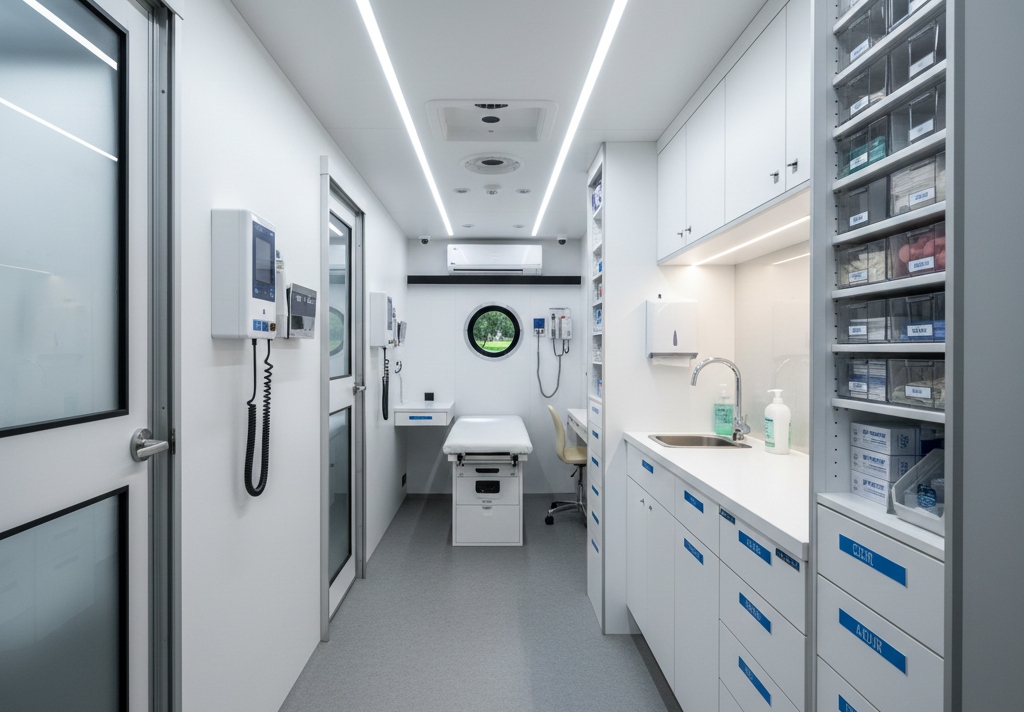
Mobile primary care clinics are at the heart of modern healthcare accessibility. These units eliminate distance barriers by bringing general medical services directly to communities, workplaces, and disaster zones. Built for mobility and efficiency, they replicate the comfort and functionality of fixed healthcare facilities while offering cost-effective, on-demand medical care.
Custom-Built for Diverse Healthcare Needs
Each mobile primary care clinic is designed to meet specific operational requirements. Whether it’s for routine checkups, immunizations, or urgent care, the layout can be customized to fit medical equipment, patient privacy zones, and staff workflow. Streamlined Design for Efficiency and Safety
Modular interiors, durable materials, and smart space planning make these units efficient and safe to operate. Features like anti-slip flooring, optimized storage, and hands-free sanitation systems enhance usability while maintaining a clean, professional environment. Every detail is engineered to support consistent, high-quality patient care.
Comprehensive Primary Care Capabilities
A mobile primary care clinic typically includes one or more exam rooms, diagnostic tools, sinks, refrigeration for vaccines, and data systems for record management. Many also feature telehealth integration, allowing real-time consultations with specialists. These features make it possible to deliver physicals, screenings, immunizations, and chronic disease management directly to underserved populations.
Enhancing Accessibility and Patient Trust
By traveling to schools, rural towns, and corporate sites, mobile primary care units reach patients who might otherwise skip care due to transportation or cost issues. This consistent outreach builds community trust and helps providers identify health issues early.
What services can a mobile primary care clinic provide?
Mobile primary care clinics typically offer preventive screenings, vaccinations, chronic disease management, and telehealth consultations. They can also serve as temporary health centers during community events, emergencies, or outreach missions..
How Mobile Diagnostic and Laboratory Vehicles Deliver On-Site Testing
Mobile diagnostic and laboratory vehicles bring advanced medical testing directly to patients, no hospital visit required. These units are equipped with the latest imaging, testing, and analytical technologies, allowing healthcare teams to diagnose, analyze, and report results on the go. Designed for flexibility and compliance, they enable faster diagnostics while reducing patient backlog in traditional medical facilities..
Custom Engineering for Precision and Performance
Each mobile diagnostic vehicle is engineered to maintain hospital-grade accuracy even in transit. Craftsmen Industries incorporates reinforced flooring, stabilized platforms, and climate-controlled interiors to protect sensitive imaging equipment such as MRI, CT, or X-ray systems. The goal is to deliver consistent, high-quality diagnostic results anywhere care is needed.
Modular Design for Multi-Functional Testing
Modular interiors allow customization for multiple diagnostic purposes, from blood testing and microbiology to imaging and molecular diagnostics. Cabinets, counters, and workspaces are designed to adapt easily to different procedures, making these vehicles ideal for evolving healthcare demands or mission-specific use.
Types of Mobile Diagnostic Units
Mobile diagnostic units are tailored for specialized testing, including X-ray, CT scan, ultrasound, and MRI services. Smaller models focus on lab analysis and blood testing, while larger truck or trailer-based systems can house multiple machines. Each unit is engineered to support sensitive imaging equipment with reinforced flooring, isolation shielding, and climate control for accuracy and patient comfort.
Accelerating Care Through On-Site Testing
These vehicles are crucial for rapid response in rural or underserved areas where hospital infrastructure may be limited. On-site diagnostics allow clinicians to provide immediate test results, reducing delays in treatment decisions and improving patient outcomes.
Women’s Health and Mammography Mobile Clinics Expanding Preventive Care Access
Mobile women’s health clinics are specially designed to bring essential healthcare services directly to communities, workplaces, and underserved areas. These vehicles make preventive care, screenings, and consultations accessible, reducing travel and wait-time barriers. From mammography to prenatal care, they play a vital role in improving outcomes for women while fostering trust within the communities they serve.
Comprehensive Women’s Health Services
Mobile clinics provide a range of services including mammography screenings, prenatal and postnatal checkups, gynecological exams, and family planning consultations. They often include on-board counseling for reproductive health and preventive education, ensuring that women receive holistic care directly in their communities. This approach is especially valuable in rural and underserved areas where access to traditional clinics may be limited.
Patient Comfort and Accessibility
These vehicles are designed to prioritize patient experience. Private examination rooms ensure confidentiality, climate-controlled interiors provide comfort during procedures, and ADA-compliant layouts accommodate all patients. By bringing healthcare directly to the patient, mobile clinics reduce barriers to care and encourage women to maintain regular health screenings, improving overall community health.
How often are mobile mammography units used in the U.S.?
Mobile mammography clinics serve thousands of women annually, particularly in rural and underserved regions. By improving access to preventive screenings, these units increase early detection rates and enhance long-term health outcomes.
How Mobile Dental and Vision Clinics Support Early Detection and Care
Mobile dental and vision clinics bring essential preventive healthcare directly to communities, schools, workplaces, and underserved regions. By reducing travel and access barriers, these specialty vehicles improve patient compliance, early detection, and overall community health. Crafted for clinical efficiency and patient comfort, these units replicate the functionality of traditional clinics while maintaining mobility.
Mobile Dental Clinics
Mobile dental vehicles are designed to provide comprehensive oral care on-site. They include dental chairs, operatory units, sterilization systems, and X-ray equipment, allowing teams to deliver exams, cleanings, cavity treatments, and preventive education efficiently. These clinics are particularly effective in serving children, elderly populations, and communities with limited access to dental facilities.
Mobile Vision Clinics
Vision-focused vehicles deliver eye exams, vision screenings, and prescription eyewear services directly to patients. They are equipped with diagnostic tools such as retinal cameras, slit lamps, and lens edging machines. By bringing care to schools, workplaces, and remote areas, mobile vision clinics help prevent and treat vision problems early, reducing long-term health complications.
Key Advantages and Features
- Streamlined patient flow for efficient care
- Climate-controlled interiors to protect sensitive equipment
- On-board power and water systems for off-grid operation
- Custom layouts that balance staff workflow and patient comfort
Craftsmen Industries ensures that each dental or vision unit meets medical-grade standards, ADA compliance, and ergonomic design principles. The combination of high-quality materials, professional layouts, and reliable utilities allows healthcare providers to deliver consistent, professional care in any environment.
What types of care can mobile dental and vision clinics provide?
Mobile dental clinics offer preventive care, oral exams, cleanings, and minor treatments, while mobile vision clinics provide eye exams, screening for conditions, and prescription eyewear directly to patients, especially in underserved regions.
Why Mobile Behavioral Health and Crisis Response Vehicles Are Essential Today
Mobile behavioral health and crisis response vehicles provide rapid, on-site mental health support and emergency intervention. These specialty units are designed to reach communities experiencing psychological distress, substance abuse crises, or post-disaster trauma. By delivering care directly to patients, these vehicles reduce barriers associated with traditional mental health services, ensuring timely and effective intervention.
Behavioral Health Services On the Move
These vehicles offer counseling, psychiatric assessments, and crisis intervention in a mobile setting. Equipped with private consultation rooms, secure communication systems, and patient-friendly interiors, they allow mental health professionals to deliver therapy, assessment, and support without requiring patients to travel. Mobile units often serve schools, workplaces, shelters, and disaster-affected regions.
Crisis Response Capabilities
Crisis response vehicles are deployed to provide immediate assistance during emergencies such as natural disasters, mass casualty events, or public health crises. Key features include:
- Secure private spaces for initial assessments
- Rapid deployment and mobility
- Communication systems to coordinate with hospitals and law enforcement
- Basic medical and emergency supplies
These features enable professionals to stabilize patients, triage needs, and provide support until they can access permanent care facilities.
Creating Supportive Environments for Mental Health Care
Modern behavioral health vehicles are designed with patient well-being in mind. Soundproof interiors ensure privacy, while ergonomic layouts and calming color schemes help reduce stress during sessions. Climate-controlled environments maintain comfort for both patients and staff, allowing mental health services to be delivered in a safe, supportive, and therapeutic space, no matter where the care is needed.
Are Mobile Rehabilitation and Physical Therapy Units the Future of Patient Care
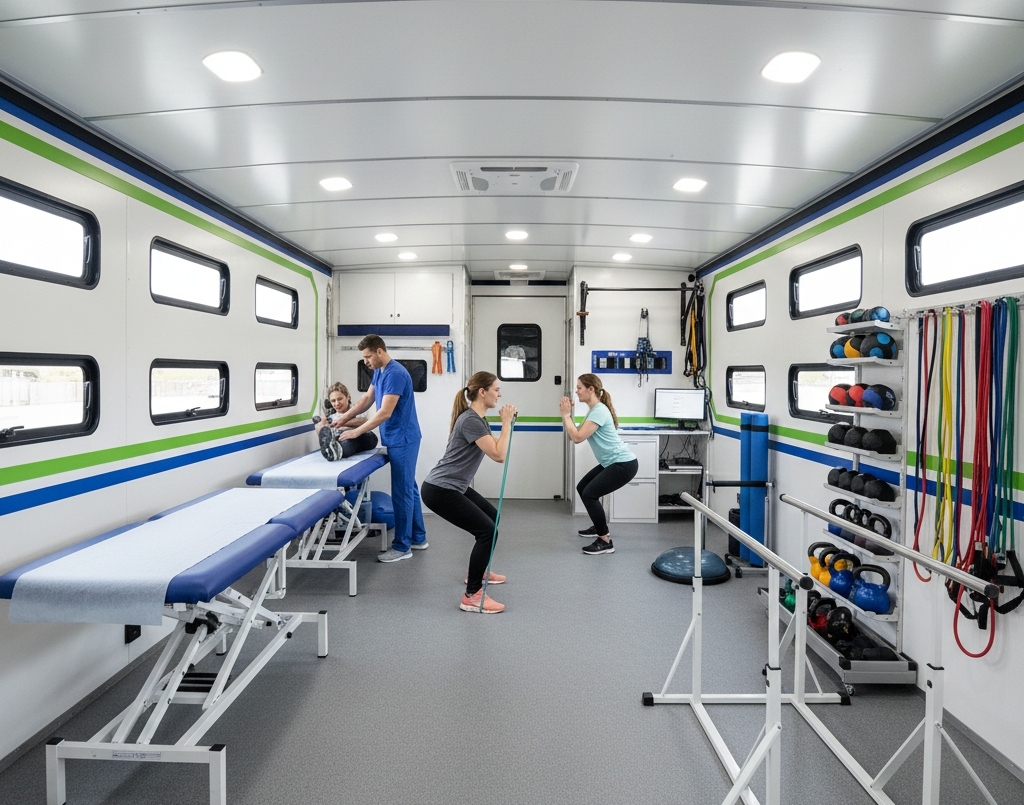
Mobile rehabilitation and physical therapy units bring specialized therapeutic services directly to patients, eliminating travel barriers and promoting continuity of care. These vehicles are equipped with medical-grade equipment for physical therapy, occupational therapy, and post-surgical rehabilitation, making it possible for patients to receive consistent treatment in their homes, workplaces, or community centers.
Comprehensive Therapy Services
Mobile rehabilitation units offer a full spectrum of services, including strength and mobility training, balance and coordination exercises, post-operative recovery support, and pain management therapies. The vehicles are configured to provide dedicated treatment areas, adjustable therapy equipment, and patient-friendly layouts that facilitate individualized care. This mobility allows providers to reach patients who may face transportation challenges or live in remote areas.
Enhancing Patient Experience
Patient comfort is a key consideration in the design of mobile therapy vehicles. Interiors are climate-controlled, spacious, and designed to allow smooth movement during therapy sessions. Ergonomic furniture, therapy tables, and storage for medical devices ensure that sessions are conducted efficiently while maintaining a professional environment. By bringing rehabilitation directly to patients, these units encourage adherence to treatment plans and improve recovery outcomes.
What types of therapy can be provided in mobile rehabilitation units?
Mobile rehabilitation units can provide physical therapy, occupational therapy, post-surgical recovery support, and pain management exercises. They enable patients to continue therapy conveniently, improving adherence and long-term health outcomes.
Mobile Surgical and Minor Procedure Clinics Improving Rural Healthcare Delivery
Mobile surgical and minor procedure clinics are specially designed to provide outpatient surgeries and minor medical procedures directly at the point of care. These units eliminate the need for patients to visit hospitals for routine procedures, improving accessibility, efficiency, and patient satisfaction. They are built with advanced clinical capabilities, patient comfort, and safety as primary priorities.
Key Features of Mobile Surgical Clinics
These mobile clinics support a range of minor procedures such as wound care, biopsies, minor orthopedic interventions, and outpatient surgeries. Equipped with sterilizable surfaces, surgical lights, anesthesia support, and essential instruments, their layouts maintain strict hygiene standards while ensuring smooth workflow for medical teams.
Enhancing Patient Experience and Safety
Mobile surgical clinics are designed with patient comfort in mind, providing a calm, clean, and private environment. Safety protocols are rigorously followed to meet healthcare regulations, with proper sterilization and infection control measures in place to ensure high-quality care during every procedure.
Advantages for Patients and Providers
Mobile surgical clinics reduce patient travel time, allow quicker access to care, and help hospitals manage patient load by handling minor procedures off-site. They are particularly beneficial in underserved areas or during community health drives. Patients experience a professional and safe surgical environment without the logistical challenges of traditional facilities.
What types of procedures are suitable for mobile surgical clinics?
Mobile surgical clinics are ideal for minor outpatient procedures, such as biopsies, wound care, orthopedic interventions, and other routine surgeries that do not require extended hospitalization, providing safe and efficient care directly in the community.
What Makes Mobile Imaging and Radiology Clinics a Smart Solution for Hospitals
Mobile imaging and radiology clinics provide advanced diagnostic imaging services directly to patients, bypassing the need to visit hospitals or diagnostic centers. These units are equipped with X-ray, CT, MRI, and ultrasound systems, offering high-quality imaging for early detection and accurate diagnosis.
Capabilities and Applications
Mobile imaging units enable on-site diagnostics for routine check-ups, emergency screenings, and community health programs. They allow healthcare providers to conduct imaging in schools, workplaces, rural regions, and disaster-affected areas. By offering convenient access, these units help reduce diagnostic delays and improve patient outcomes.
Design and Patient Experience
Craftsmen Industries focuses on ergonomic layouts that allow smooth patient flow, safety, and privacy. Interiors are climate-controlled and sound-dampened to provide a calm environment. Specialized flooring and mounting systems ensure equipment stability during transport. These design features create a professional setting that mirrors fixed imaging facilities.
Integration with Hospital Systems
Modern mobile imaging clinics are designed to seamlessly integrate with hospital information systems (HIS) and picture archiving and communication systems (PACS). This connectivity allows medical teams to upload, review, and share diagnostic images in real time, ensuring faster collaboration between on-site clinicians and hospital specialists. It also simplifies patient record management and reporting workflows.
Benefits for Healthcare Providers
Hospitals benefit from mobile imaging solutions through cost efficiency, flexibility, and scalability. These units can supplement overloaded departments, support temporary facilities, and serve as long-term outreach assets. They minimize the need for additional infrastructure and reduce patient backlogs, making them an effective tool for both urban hospitals and rural healthcare programs.
Mobile Laboratory and Specimen Collection Vehicles Enhancing On-Site Testing Capabilities
Mobile laboratory and specimen collection vehicles enable on-site testing and sample collection, reducing delays in diagnosis and treatment. These units support laboratories in hospitals, research facilities, and public health programs by providing a controlled environment for collecting blood, urine, and other specimens safely and efficiently.
Services Offered
Mobile labs can conduct blood draws, sample processing, and basic point-of-care tests. They are equipped with refrigeration, sterilizable surfaces, and containment systems to maintain sample integrity. By traveling directly to patients, mobile labs expand access to testing in remote or high-demand areas.
Advantages for Healthcare Delivery
These vehicles reduce turnaround time for results, improve patient compliance, and enhance public health outreach. They are particularly useful during vaccination campaigns, epidemiological studies, or emergency response situations, ensuring accurate data collection in the field.
What types of samples can mobile laboratory vehicles handle?
Mobile labs typically collect and process blood, urine, saliva, and other basic clinical specimens, supporting point-of-care tests and diagnostic programs in the community.
Can Mobile Vaccination and Immunization Clinics Close the Gap in Rural Healthcare
Mobile vaccination clinics are essential for delivering preventive care efficiently, especially during public health campaigns, seasonal flu drives, or pandemics. These vehicles bring vaccines directly to schools, workplaces, and underserved communities, boosting accessibility and increasing immunization coverage rates.
Vaccination Services
Mobile units provide routine immunizations, flu shots, travel vaccines, and emergency response vaccinations. They are equipped with medical-grade refrigeration to maintain vaccine potency, private administration spaces for patient comfort, and digital documentation systems for accurate record keeping and reporting.
Patient Safety and Comfort
These clinics are designed to maintain a safe, hygienic, and patient-friendly environment. Interiors are climate-controlled, ADA-compliant, and include handwashing stations to support infection control. The ergonomic layout promotes smooth patient flow, enabling staff to manage high-volume vaccination campaigns efficiently.
Reaching Underserved Populations
Mobile vaccination units are particularly valuable in rural or hard-to-reach regions, where healthcare infrastructure is limited. By eliminating transportation barriers, they ensure that children, elderly individuals, and remote workers can receive timely vaccinations without traveling long distances.
Strengthening Public Health Preparedness
These mobile units also play a critical role in rapid emergency response during outbreaks. With flexible deployment and self-contained medical infrastructure, they allow healthcare providers to mobilize vaccination efforts quickly during pandemics or localized disease surges, strengthening public health resilience.
How do mobile vaccination clinics maintain vaccine safety?
Mobile vaccination clinics use temperature-controlled storage, real-time monitoring systems, and climate-managed interiors to ensure vaccines remain potent and safe during transport and administration.
How Mobile Specialty Clinics Improve Chronic Disease Management
Mobile specialty clinics provide ongoing care for patients with chronic conditions such as diabetes, hypertension, and heart disease. These units offer continuous monitoring, medication management, and education to help patients effectively manage their health, especially in underserved or remote regions.
Chronic Disease Services
These mobile units deliver vital sign monitoring, lab testing, patient education, and medication counselling. They are also equipped for telehealth consultations with specialists, ensuring consistent follow-up and coordination of care without the need for patients to visit a hospital or clinic physically.
Enhancing Patient Engagement
Mobile specialty clinics foster stronger patient relationships by providing personalized care in comfortable, familiar environments. Climate-controlled, ADA-compliant interiors and private consultation areas help patients feel at ease, encouraging routine check-ups and long-term adherence to treatment plans.
Integration with Primary Care Networks
These mobile clinics are designed to work in collaboration with local hospitals, primary care providers, and public health programs. Patient data collected during visits can be securely shared through electronic health records (EHRs), ensuring continuity and coordination of care across multiple healthcare settings. This integration supports early detection of complications and timely intervention.
Benefits for Healthcare Accessibility
By reducing travel barriers and wait times, mobile specialty clinics make healthcare more accessible and equitable. They help reach vulnerable populations, including seniors and those with limited mobility, while minimizing hospital readmissions. For healthcare systems, these units improve resource allocation and expand outreach capabilities efficiently.
What types of chronic diseases can mobile specialty clinics support?
Mobile specialty clinics can manage conditions like diabetes, hypertension, heart disease, and respiratory illnesses, offering monitoring, education, and treatment support on the go.
Emergency Response and Disaster Relief Mobile Clinics Strengthening Emergency Preparedness
Emergency response mobile clinics are deployed during natural disasters, pandemics, or large-scale emergencies to provide immediate medical care. These vehicles are equipped to handle urgent medical needs, triage, and stabilization, supporting hospitals and relief organizations in high-demand scenarios.
Capabilities and Services
These clinics provide triage, basic emergency treatment, vaccinations, and monitoring. They are equipped with medical-grade supplies, treatment areas, and communication systems to coordinate with hospitals and first responders. Mobility allows rapid deployment to affected areas, ensuring timely intervention.
How quickly can emergency mobile clinics be deployed?
Emergency mobile clinics are designed for rapid deployment, often arriving at affected areas within hours to provide immediate care, triage, and stabilization services.
According to an ASPR survey of health clinics, 78% of clinics engaged in emergency or disaster response activities within the past year, underscoring the widespread readiness and integration of mobile/clinic‑based response systems.
Empowering Healthcare with Advanced Mobile Specialty Vehicles
Mobile medical and specialty vehicles bring essential healthcare directly to patients, improving accessibility, efficiency, and outcomes. From diagnostics and preventive care to chronic disease management and emergency response, these vehicles enable providers to deliver high-quality services in communities, schools, workplaces, and underserved areas.
Elevate your healthcare delivery with a fully customized mobile medical vehicle. Contact Craftsmen Industries today to design your unit, request a quote, and bring professional, patient-centered care directly to the communities you serve.
Frequently Asked Questions
What are the main benefits of mobile medical clinics?
Mobile medical clinics make healthcare more accessible by reaching remote and underserved areas. They reduce patient travel, lower operating costs, and bring essential services directly to communities in need.
How do mobile healthcare units improve community trust?
By offering consistent and reliable care, mobile healthcare units build strong relationships with patients. Their regular visits help communities feel seen, supported, and connected to professional medical services.
Are mobile medical vehicles cost-effective for healthcare providers?
Yes, they are highly cost-effective. Mobile units require less investment than permanent facilities and can serve multiple regions using a single setup, reducing overhead while maximizing outreach.
Can mobile clinics handle different types of medical services?
Absolutely. Mobile clinics can be customized for primary care, dental checkups, imaging, vaccinations, or even behavioral health. Their versatility makes them valuable assets for both short-term and long-term healthcare programs.
How do mobile units support healthcare during emergencies?
In emergencies, mobile clinics provide rapid response where hospitals may not be accessible. They deliver immediate care, testing, and triage services, helping save lives and stabilize communities in crisis.
Filter Posts by Tag
related posts
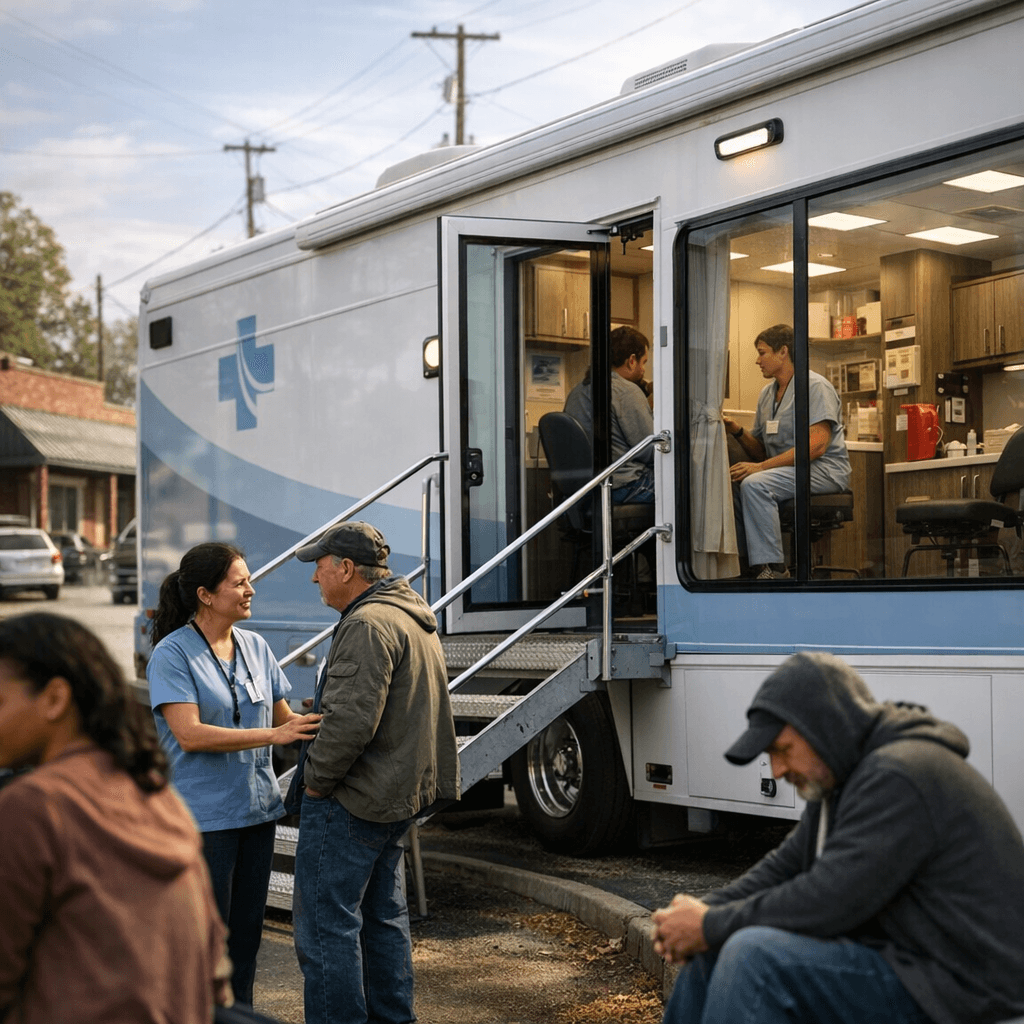
A mobile substance abuse treatment vehicle is a purpose-built clinical [...]
Explore a variety of different tricks and tips for utilizing your building more effectively and enlarging usable space without huge renovation expenses.
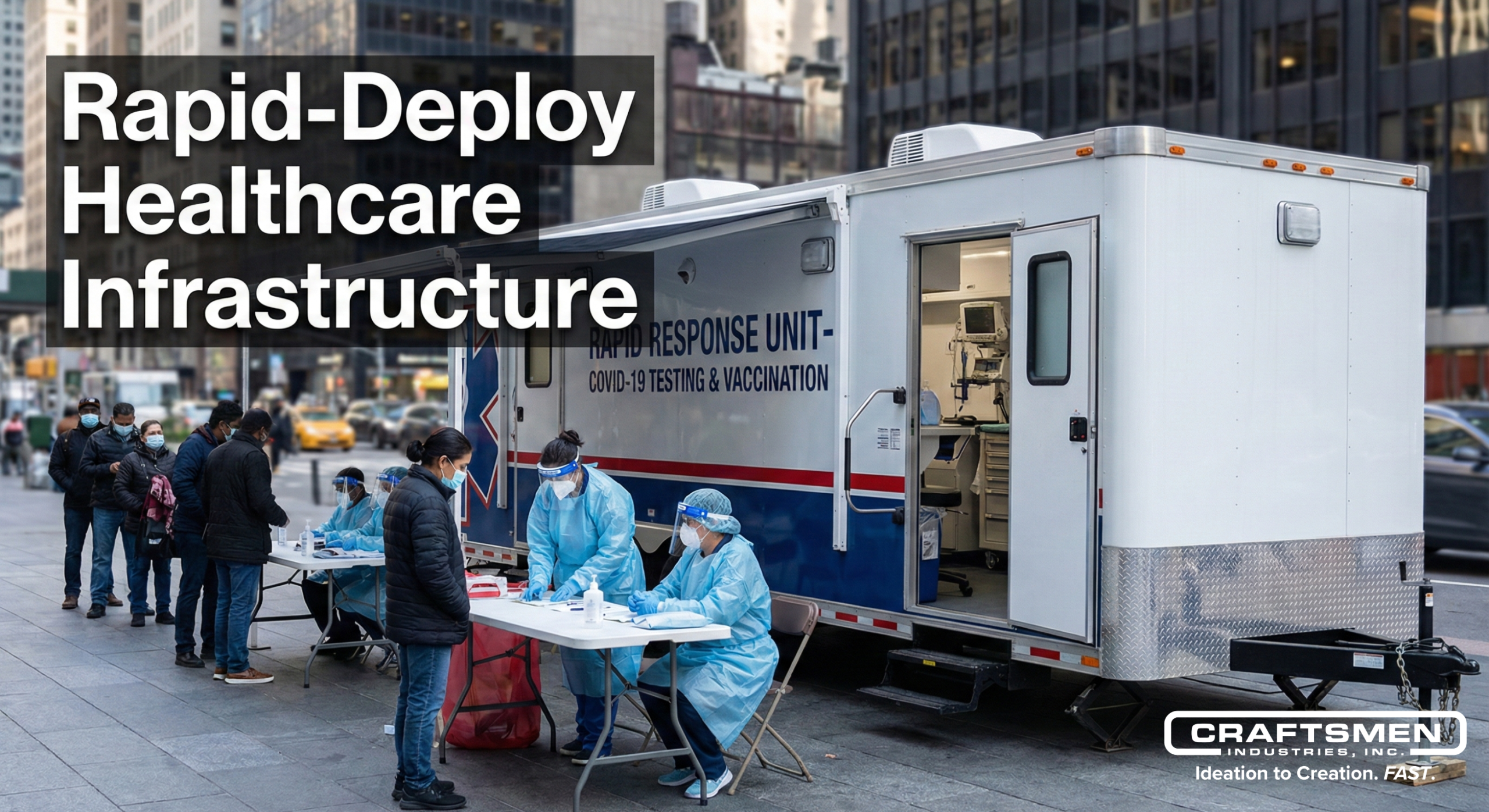
Need rapid healthcare infrastructure? Discover how medical trailers, mobile clinics & isolation units deploy in 72 hours with proven $23 ROI. Learn more.
