
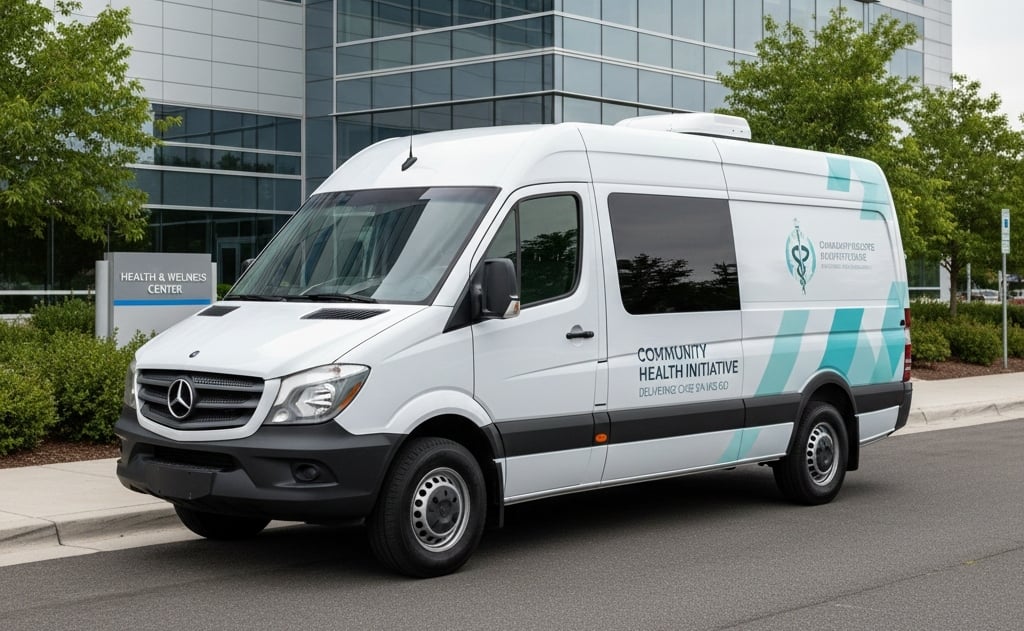
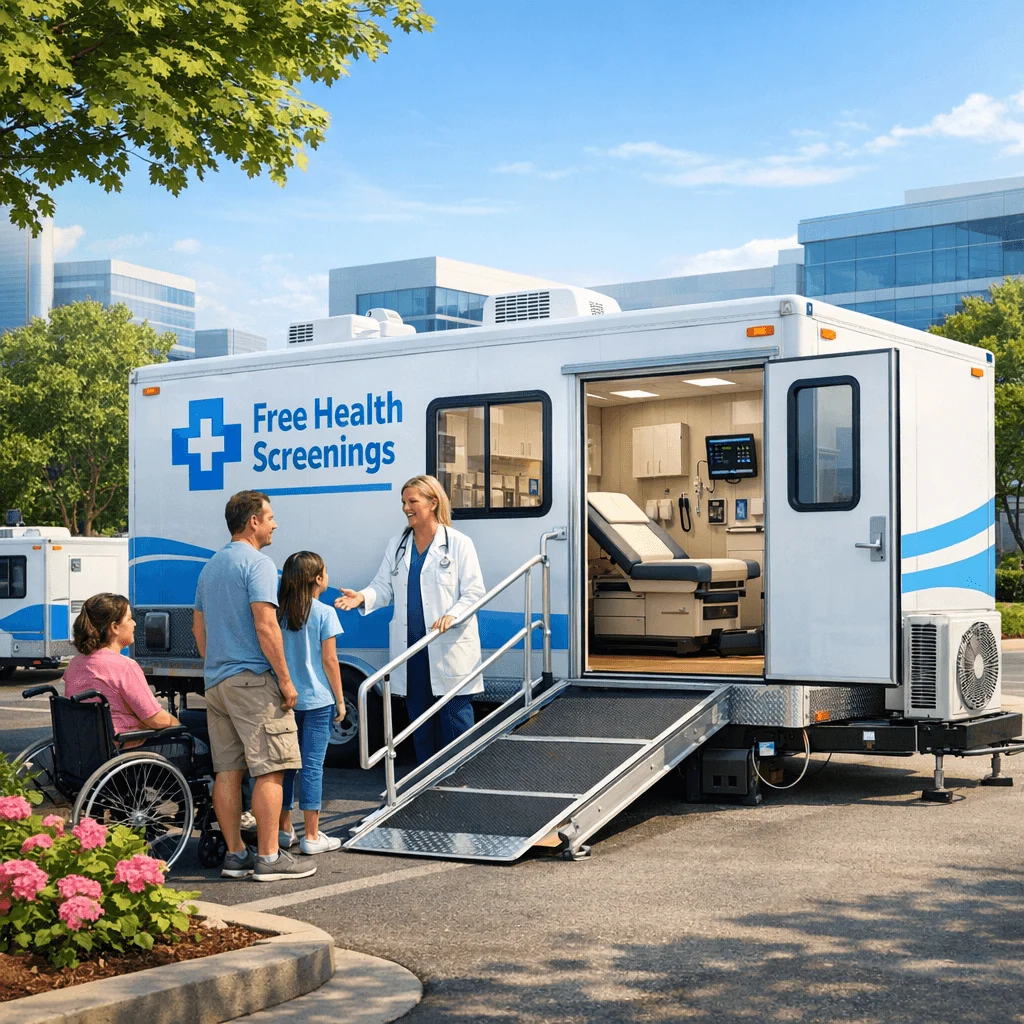
Mobile medical vehicles are transforming healthcare by bringing essential services directly to patients. They are crucial for rural, underserved, and disaster-hit areas, offering diagnostics, dental, and primary care.
Investing in these units requires careful budgeting, as costs vary by size, equipment, and customization. Operating expenses such as maintenance, fuel, and staff are major cost drivers; a BioMed Central study found they account for about 23% of annual operating costs in rural mobile clinics. Planning for these recurring costs ensures long-term efficiency and financial sustainability.
This guide breaks down pricing factors, typical ranges, hidden expenses, and financing options to help providers maximize value and ROI.
How Design and Features Influence Mobile Medical Vehicle Pricing
Pricing for mobile medical vehicles depends on multiple interrelated factors. Understanding them helps healthcare providers make informed decisions, ensuring both cost-effectiveness and operational efficiency.
Vehicle Type and Size
The type of vehicle forms the foundation of cost. Smaller vans or buses are generally less expensive and suitable for primary care or vaccination units. They range from $120,000 to $250,000, depending on the brand and base features. Larger trailers or modular vehicles offer expanded space for advanced diagnostics, surgical procedures, or lab services.
These larger units require higher fuel consumption, more powerful engines, and additional safety features, which can raise total costs to $600,000 or more. Selecting the right vehicle size ensures adequate space for staff, equipment, and patients without overspending on unnecessary capacity.
Medical Equipment and Technology Integration
A key cost driver is the type and sophistication of medical equipment. Mobile primary care vans may include basic exam tables and monitoring devices, while advanced units incorporate lab analyzers, imaging machines, telehealth systems, or minor surgical tools. Each added technology enhances service capability but increases the overall price. Integrating high-tech solutions also requires secure storage, power supply upgrades, and professional installation, adding to upfront costs.
Customization and Interior Build-Out
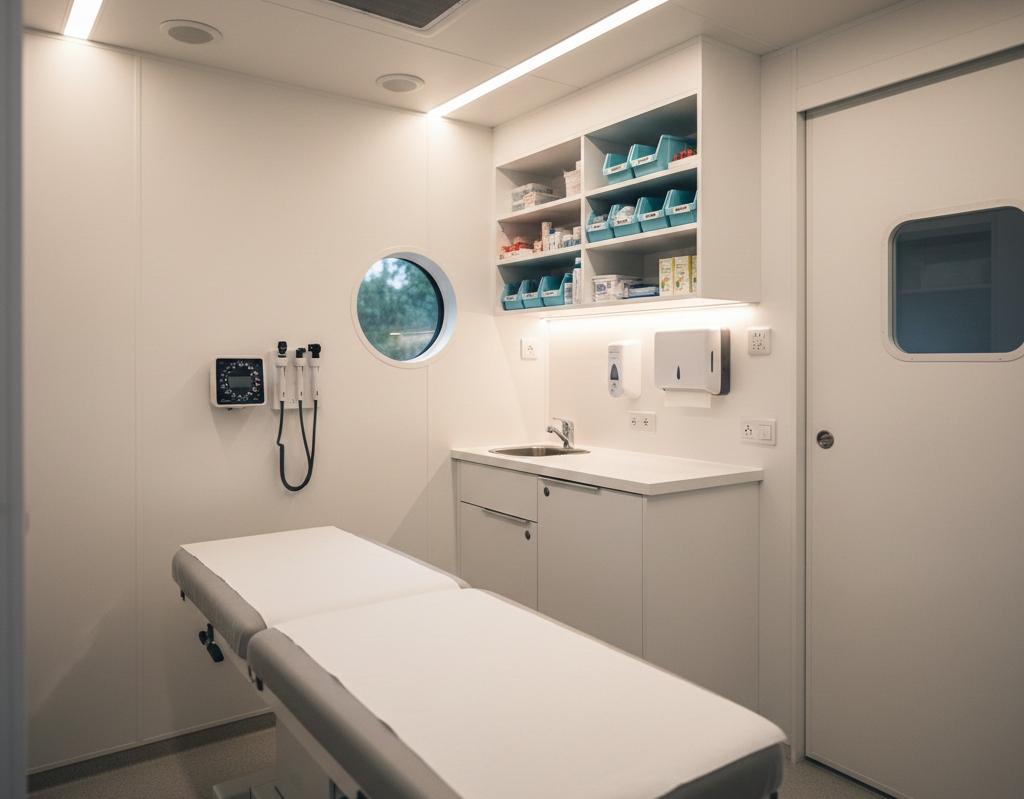
Customization affects both functionality and cost. Mobile medical vehicles require medical-grade flooring, cabinetry, lighting, HVAC systems, plumbing, and accessibility features. Efficient layouts improve workflow, safety, and patient experience. Interior designs must also accommodate specific medical workflows such as lab testing, dental procedures, or telehealth consultations. More customization equals higher costs but ensures a tailored solution that improves operational efficiency.
Regulatory Compliance and Safety Features
Compliance with healthcare, fire, and road safety regulations is mandatory. Vehicles may require inspections, certifications, specialized signage, handrails, or secure medical storage. Meeting these standards adds to the upfront price but prevents fines and ensures legal operation across jurisdictions.
Maintenance and Operational Costs
Ongoing costs include fuel, insurance, staffing, routine maintenance, and repairs. Budgeting for these ensures the vehicle remains fully operational over its lifespan. Neglecting maintenance can reduce longevity, increase repair expenses, and compromise the quality of patient care.
Brand and Manufacturer Premiums
High-quality manufacturers often charge more upfront but offer durable materials, precise craftsmanship, and post-sale support. Investing in a trusted manufacturer reduces long-term repair costs and ensures reliability during operations.
What factors most impact mobile medical vehicle pricing?
Vehicle size, medical equipment, customization, compliance, maintenance, and manufacturer quality are the main pricing drivers, affecting both upfront and ongoing costs.
Typical Price Ranges for Different Mobile Medical Vehicles
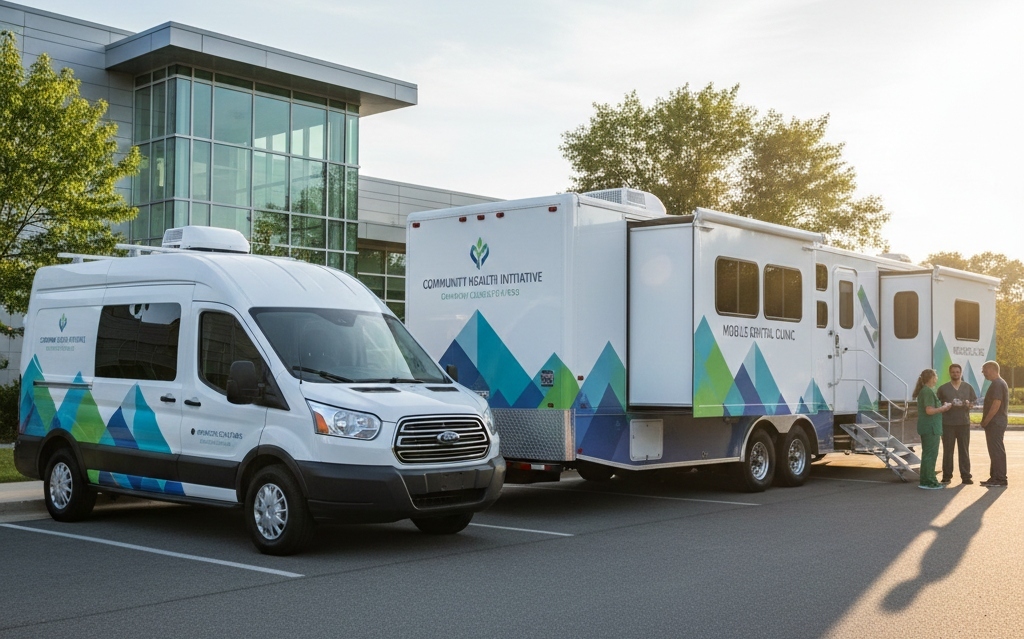
The cost of a mobile medical vehicle depends on its type, interior configuration, and level of medical integration. From compact outreach vans to fully customized surgical trailers, each build supports a unique healthcare mission.
Below is a realistic pricing overview based on industry standards and Craftsmen Industries’ expertise in mobile healthcare manufacturing.
Mobile Primary Care Clinics
Mobile primary care units are among the most versatile and cost-efficient models, typically priced between $125,000 and $250,000. These vehicles include exam rooms, diagnostic tools, vaccine refrigeration, and telehealth connectivity. They’re used by hospitals, nonprofits, and public health departments to deliver essential medical services to underserved and remote populations.
Mobile Diagnostic and Laboratory Vehicles
Designed for on-site testing and sample analysis, diagnostic and lab vehicles generally range from $200,000 to $400,000. They feature lab-grade analyzers, biosafety cabinets, refrigeration, and clean air systems. Craftsmen Industries’ custom builds often include specialized HVAC and waste management to meet biosafety standards for mobile testing and research.
Mobile Dental and Vision Clinics
Mobile dental and vision clinics typically cost $180,000 to $350,000. They come equipped with reclining dental chairs, sterilization units, digital imaging systems, and portable vision exam tools. Schools, correctional facilities, and outreach programs rely on these units to expand preventive and diagnostic care in communities with limited access to care.
Mobile Behavioral Health and Crisis Response Vehicles
Behavioral health vehicles are designed for privacy and mental health support and typically cost between $160,000 and $300,000. Interiors include counseling stations, secure storage, and teletherapy equipment. Government agencies and nonprofits increasingly deploy these vehicles to provide mobile crisis intervention and on-site mental health evaluations.
Mobile Vaccination and Immunization Clinics
Compact and efficient, these vehicles typically cost between $120,000 and $220,000. They feature vaccine storage, registration areas, and post-vaccination observation spaces. The mobile vaccine clinic‘s rapid deployment design makes them ideal for seasonal immunization drives, emergency response, and mass health campaigns.
Mobile Imaging and Radiology Units
Among the most advanced builds, mobile imaging and radiology units range from $400,000 to $800,000 depending on the equipment installed. They can house digital X-ray, ultrasound, CT, or MRI systems, with radiation shielding and vibration-isolation technology to ensure diagnostic precision. Craftsmen Industries customizes these vehicles for hospitals, radiology networks, and telemedicine providers.
Mobile Surgical and Minor Procedure Clinics
Fully equipped for surgical or field medical procedures, these units cost between $400,000 and $700,000. They include sterile environments, operating tables, anesthesia systems, and medical gas integration. Healthcare organizations often deploy them for wound care, outpatient surgeries, and emergency field operations.
How Much Does a Mobile Medical Clinic Usually Cost?
A professionally built mobile medical vehicle generally costs between $125,000 and $800,000, depending on the size, function, and onboard medical systems. For an accurate estimate, it’s best to request a custom quote from Craftsmen Industries, where each unit is engineered to meet specific clinical and operational goals.
Key Factors That Influence Mobile Medical Vehicle Pricing
Understanding what drives the cost of a mobile medical vehicle helps organizations plan smarter and avoid overspending. Craftsmen Industries tailors every project to specific medical, operational, and logistical needs, ensuring you get the most value for your investment. From design complexity to equipment integration, several factors shape overall pricing.
Vehicle Platform and Chassis Type
The foundation of every mobile medical unit starts with its chassis. Prices vary depending on whether it’s built on a van, truck, trailer, or semi-trailer platform.
- Smaller vans or Class C vehicles are more affordable but limited in space.
- Trailer and truck-based platforms allow more equipment but cost more due to size and customization.
Interior Configuration and Design Complexity
Custom floor plans significantly affect cost. A simple consultation room setup will cost less than a surgical or imaging suite. Design features such as lead-lined walls, anti-microbial surfaces, specialized lighting, or ADA accessibility add value but also increase overall pricing. Craftsmen Industries’ in-house design team ensures these enhancements meet strict medical standards.
Medical Equipment and Technology Integration
The type of equipment installed, such as X-ray systems, lab analyzers, dental chairs, or telehealth networks, plays a major role in total cost. Integration with digital monitoring and onboard power systems requires precision engineering. Our team ensures that all medical devices are safely mounted and compliant with healthcare regulations.
Climate Control, Power, and Utility Systems
Mobile clinics need HVAC systems, generators, water supply, and waste management setups to function independently. High-performance or redundant systems increase cost but ensure reliability in extreme environments, something we prioritize for field-ready builds.
What Is the Biggest Cost Factor in a Mobile Medical Vehicle?
The most significant pricing factor is the integration of medical equipment. The type and number of diagnostic or surgical systems directly affect design complexity, power requirements, and safety engineering, making them the primary cost drivers in mobile healthcare units.
What Is the Cost Breakdown for Purchase Conversion and Maintenance
When budgeting for a mobile medical vehicle, it’s important to consider more than just the upfront purchase price. A complete investment includes the vehicle platform, medical conversion, and ongoing maintenance. Craftsmen Industries provides transparent cost breakdowns so clients can plan accurately and understand what drives total ownership value.
Vehicle Purchase or Base Platform
The first stage involves selecting a reliable chassis or platform.
- New commercial bases (e.g., Freightliner, Ford, or Mercedes-Benz) typically cost between $70,000 and $150,000, depending on size, weight capacity, and drivetrain.
- Pre-owned platforms can reduce cost but may require extensive retrofitting to meet healthcare-grade standards.
Craftsmen Industries helps clients identify the most cost-efficient platform based on mobility, power, and payload requirements.
Customization and Medical Conversion
This phase transforms the vehicle into a self-contained clinical environment. It includes plumbing, insulation, cabinetry, power systems, HVAC, and medical equipment installation.
- Conversion typically represents 40–60% of total cost, ranging from $100,000 to $400,000 depending on specialization (primary care, dental, imaging, etc.).
Long-Term Maintenance and Operational Costs
Operational upkeep is essential for performance and longevity.
- Routine servicing, calibration, and generator maintenance typically cost between $5,000 and $15,000 per year.
- Preventive maintenance reduces downtime, ensuring vehicles remain field-ready year-round. Craftsmen Industries offers ongoing service support and upgrade options to protect your investment over time.
Mobile Medical Vehicle Cost Breakdown Table
|
Cost Category |
Estimated Range (USD) |
Key Inclusions |
|
Vehicle Purchase / Base Chassis |
$70,000 – $150,000 |
Freightliner, Ford, or Mercedes-Benz commercial platforms |
|
Customization & Conversion |
$100,000 – $400,000 |
Interior design, HVAC, power, cabinetry, and medical setup |
|
Medical Equipment Integration |
$50,000 – $250,000 |
X-ray, dental, lab, or telehealth systems |
|
Branding & Exterior Graphics |
$5,000 – $20,000 |
Wraps, decals, and corporate identity design |
|
Maintenance & Operational Costs (Annual) |
$5,000 – $15,000 |
Servicing, generator upkeep, software updates, and calibration |
Are Mobile Medical Vehicles Expensive to Maintain?
No, maintenance costs are significantly lower than operating a fixed facility. On average, routine service and calibration total less than 5% of a vehicle’s value per year, offering a cost-effective and flexible way to expand care delivery.
How Do Customization Options Affect Mobile Medical Vehicle Cost
When investing in a mobile medical vehicle, customization determines how well it fits your clinical and operational needs. Each modification, from the layout to onboard technology, directly influences the final cost and long-term value of the vehicle. The more specialized your healthcare services, the more advanced and customized your mobile unit must be.
Every vehicle build starts with a basic framework, but the specific features added during customization define both capability and investment level. The following areas typically have the biggest impact on cost:
Interior Layout and Workflow Design
The interior layout determines how efficiently medical teams can work. A basic single-room setup is the most affordable, while multi-zone configurations with dedicated exam areas, labs, or waiting spaces increase design and construction costs. Optimizing the layout for smooth workflow ensures comfort, compliance, and better patient experience.
Branding and Exterior Graphics
Professional graphics and exterior branding are more than visual elements, they reinforce trust and visibility in the community. Full-body wraps, reflective designs, or logo integration add to upfront expenses but serve as mobile advertisements, helping clinics build recognition during outreach operations.
Technology and Connectivity Integration
Adding advanced technology significantly increases both functionality and cost. Telehealth systems, digital X-ray units, and integrated patient data management tools require specialized wiring, networking, and power management systems. These upgrades are ideal for organizations that prioritize remote diagnostics or virtual consultations.
Specialized Materials and Finishes
Durability and hygiene are top priorities in medical vehicles. Using antimicrobial surfaces, stainless steel counters, and high-grade vinyl flooring helps maintain sterile conditions and reduces maintenance needs over time. While these materials raise the initial budget, they deliver long-term reliability and compliance with healthcare safety standards.
Power and Climate Control Systems
Efficient power and HVAC systems are essential for uninterrupted operation. Medical-grade generators, solar power options, and precision climate control allow vehicles to function in diverse weather and field conditions. Although they represent a higher upfront investment, these systems ensure consistent performance and safety for both staff and patients.
Are mobile medical vehicles fully customizable?
Yes, mobile medical units can be fully customized to meet specific healthcare missions. From compact primary care vans to advanced surgical or diagnostic trailers, every feature, layout, technology, and design, can be tailored to match operational goals, regulatory standards, and patient care requirements.
Operational Costs in Mobile Medical Vehicles Including Fuel and Maintenance
Owning a mobile medical vehicle isn’t just about the initial investment, it’s about managing long-term operational costs. Fuel, maintenance, and lifecycle planning determine the true cost of ownership and directly affect the vehicle’s efficiency, reliability, and service lifespan.
Once a mobile healthcare unit is deployed, it incurs consistent monthly and annual expenses. These costs can vary depending on how frequently the vehicle is used, how far it travels, and the environment in which it operates.
A 2024 BMC Health Services Research study found that fuel, repair, and maintenance account for about 12% of total operating costs, or roughly $72,000 annually per unit, highlighting their impact on long-term budgets. Smart operational planning helps healthcare organizations keep costs predictable and performance steady.
Fuel Efficiency and Energy Use
Fuel is one of the largest recurring expenses for mobile medical units. Diesel-powered trucks or trailers can consume significant fuel during long routes or when running onboard systems for extended hours. Some modern vehicles now feature hybrid or alternative energy options that help reduce consumption and environmental impact. Routine engine servicing and efficient route scheduling further optimize fuel use.
Maintenance and Preventive Care
Regular maintenance protects the vehicle’s performance and ensures medical equipment operates safely. Preventive care typically includes oil changes, HVAC servicing, electrical inspections, tire rotations, and diagnostic instrument calibration. On average, maintenance costs can range from $5,000 to $10,000 annually, depending on the vehicle’s usage and complexity. A scheduled service program minimizes downtime and prevents costly emergency repairs.
Lifecycle Planning and Asset Management
Strategic lifecycle planning involves tracking depreciation, performance metrics, and service records to determine when upgrades or replacements are needed. Most mobile medical vehicles have a service life of 8–12 years when properly maintained. Planning upgrades, such as adding telehealth modules or new diagnostic systems, helps extend operational value without a full vehicle replacement.
Insurance and Regulatory Compliance Costs
Operational budgets should also account for commercial vehicle insurance, permits, and annual inspections. Compliance with healthcare safety and transportation regulations ensures uninterrupted field operations and protects the organization from liabilities.
How can operators reduce the long-term operating cost of mobile medical units?
Operators can reduce costs through preventive maintenance, optimized routing, hybrid energy systems, and regular equipment calibration. Proper lifecycle management and scheduled inspections extend vehicle longevity while lowering unexpected repair expenses.
What Financing and Leasing Options Are Available for Mobile Medical Units
Investing in a mobile medical vehicle can be a major financial commitment. However, flexible financing and leasing options make it easier for healthcare providers, nonprofits, and government agencies to acquire and operate these units without heavy upfront costs. Understanding available payment models helps organizations choose the most sustainable path for growth.
Why Financing Matters for Healthcare Mobility
Mobile healthcare projects often start with limited budgets or grant funding. Instead of full payment upfront, financing programs allow organizations to distribute costs over time. This approach preserves working capital for staffing, supplies, and community operations while still enabling access to high-quality, fully equipped mobile units. Leasing options, in particular, provide short-term flexibility, ideal for pilot programs or seasonal healthcare initiatives.
Popular Financing Structures
Several financing structures cater to different organizational needs:
- Traditional Bank Loans: Offer fixed or variable interest rates with multi-year repayment terms. Suitable for hospitals and institutions with strong credit histories.
- Equipment Financing: Specifically covers medical devices or onboard technology, keeping vehicle ownership separate.
- Leasing Programs: Ideal for temporary or project-based use. Leasing reduces upfront costs and, in some cases, includes maintenance coverage.
- Government or Grant-Based Support: Public health agencies and nonprofits can apply for healthcare grants or low-interest programs to fund mobile clinics.
Each option varies in approval criteria, down payment, and residual ownership terms. Carefully reviewing the total cost of ownership before committing ensures financial stability long term.
Tax and Budgeting Advantages
Financing and leasing may also offer tax benefits, depending on local regulations. Lease payments can sometimes be categorized as operational expenses, reducing taxable income. Budgeting for monthly or quarterly payments also simplifies accounting and financial planning.
End-of-Term Flexibility
When a lease term ends, organizations can choose to renew, purchase, or upgrade to a new vehicle model. This flexibility allows clinics to continuously modernize their fleets without the burden of full replacement costs.
Medical Equipment and Technology Integration Costs in Mobile Clinics
Equipping a mobile medical vehicle is one of the most decisive factors in its overall cost. The quality, functionality, and integration of medical technology define the vehicle’s capabilities and determine how efficiently healthcare can be delivered on-site. Understanding equipment and technology expenses helps organizations make smarter investment choices that align with their clinical goals and operational budgets.
The Role of Equipment in Total Project Cost
Medical equipment often accounts for 40% to 60% of the total project value. The type of clinic being built, whether it’s a diagnostic, dental, or surgical unit, dictates the level of complexity and cost. A basic primary care vehicle may rely on compact diagnostic tools and vaccine storage, while an advanced imaging or surgical unit requires specialized systems, power sources, and safety enclosures. Each addition improves capability but adds to the overall investment.
Essential Systems and Their Pricing Impact
A wide range of equipment contributes to cost variation. Diagnostic systems such as ECG monitors, X-ray units, and ultrasound machines significantly increase costs but enable higher-quality patient care in remote environments. Dental and vision vehicles often require sterilization stations, reclining chairs, and imaging devices. Meanwhile, surgical and emergency units need advanced lighting, gas systems, and sterile enclosures to meet regulatory standards.
Each medical specialty brings a different layer of expense, yet all share one goal, delivering hospital-grade care anywhere it’s needed.
Technology Integration and Connectivity
Beyond hardware, digital integration is now a standard requirement. Features like telemedicine connectivity, electronic health record (EHR) synchronization, and onboard Wi-Fi enable real-time communication between field teams and hospitals. Smart power systems and automated HVAC controls further enhance energy efficiency and maintain a stable clinical environment. These upgrades can add $50,000 to $250,000 but provide long-term value through reliability and data security.
Long-Term Benefits of Investing in Quality Equipment
High-quality equipment not only boosts efficiency but also extends the vehicle’s lifespan. Durable, modular systems reduce downtime, improve patient trust, and ensure compliance with healthcare safety standards. Investing more initially can lead to lower maintenance costs and better long-term performance.
How much should be budgeted for equipment inside a mobile medical vehicle?
On average, the cost of medical equipment and technology integration ranges from $50,000 to $250,000, depending on clinical purpose and customization level. Prioritizing high-quality systems ensures long-term durability and optimal care delivery in any setting.
What Hidden Costs Should You Expect When Buying a Mobile Medical Unit
Purchasing a mobile medical vehicle involves more than the base price or equipment investment. Several hidden and long-term costs are often overlooked in budgeting but can significantly affect total ownership value. Understanding these additional expenses early ensures accurate financial planning and uninterrupted field operations.
Licensing, Permits, and Regulatory Approvals
Before a mobile healthcare unit can operate, it must comply with state and federal transportation regulations. This includes commercial vehicle licensing, medical waste management permits, and inspection certifications. Some regions also require health department approval, especially for diagnostic and surgical vehicles. These regulatory processes can add $2,000 to $10,000 depending on location and unit type, but they are critical for maintaining compliance and operational safety.
Insurance and Liability Coverage
Comprehensive insurance is essential for protecting both the vehicle and onboard assets. Policies typically include vehicle coverage, equipment protection, and general liability insurance for medical operations. Premiums vary by vehicle size, location, and use frequency but can average $3,000 to $8,000 annually. Adequate coverage ensures financial security in case of accidents, equipment loss, or patient-related claims.
Staff Training and Certification
Operating a mobile medical unit requires skilled professionals who can manage both the medical and technical aspects of the vehicle. Training covers emergency protocols, equipment handling, and telehealth system operation. Depending on the complexity of the setup, training programs can range from short onboarding sessions to multi-week certifications, adding both cost and time to deployment schedules.
Upgrades, Maintenance, and Refurbishment
Every mobile clinic needs periodic upgrades to stay current with advancing technology and healthcare standards. Over a 10–12 year lifespan, refurbishment may include electrical rewiring, interior remodeling, or system recalibration. Budgeting for upgrades ensures long-term efficiency and allows the unit to adapt to evolving patient care requirements without full replacement costs.
Depreciation and Resale Considerations
Just like any commercial vehicle, mobile medical units depreciate over time. However, those built with modular designs, durable materials, and upgradable systems retain higher resale value. Proper documentation, maintenance logs, and regular inspections can extend lifespan and improve resale potential, offsetting some ownership costs at the end of service life.
What hidden costs should be planned for before buying a mobile medical unit?
Hidden costs often include licensing, insurance, staff training, equipment upgrades, and maintenance. Accounting for these early ensures smoother operations and a more accurate long-term budget.
Plan Your Mobile Medical Vehicle Purchase with Confidence
Choosing the right mobile medical vehicle is more than a purchase; it’s a long-term investment in accessible, on-the-go patient care. From layout design to equipment and compliance, every decision shapes performance and service quality. Planning smart ensures durability, cost efficiency, and community impact.
Contact Craftsmen Industries today to discuss your project, explore design options, and get a tailored quote for a mobile medical unit built to support your mission and deliver care wherever it’s needed most.
Frequently Asked Questions
What drives the cost of a mobile medical vehicle?
The biggest cost factors are the base vehicle (chassis), medical equipment, and interior customization. Adding diagnostic devices, HVAC systems, and telehealth tech significantly increases both build complexity and total price.
How much does a mobile primary care clinic typically cost?
A basic mobile primary care clinic can cost around $125,000, while a fully customized model with advanced layouts and equipment may reach up to $225,000.
What are the ongoing maintenance costs for a mobile medical unit?
Maintenance usually includes fuel, regular servicing, calibration of medical equipment, and generator upkeep. For example, fuel alone can cost over $6,000 per year depending on usage.
What hidden costs should I budget for when buying a mobile clinic?
Hidden costs often include licensing and permits, insurance, regulatory compliance, and staff training. These essential but sometimes overlooked expenses range from a few thousand dollars up to $15,000 or more, depending on scale.
Can I finance or lease a mobile medical vehicle instead of buying outright?
Yes, many organizations use financing or leasing programs to spread out initial costs. Leasing can reduce upfront investment, while financing with equipment loans helps manage both the vehicle and technology costs over time.
Filter Posts by Tag
related posts

Leasing vs buying medical trailers is a financial and operational [...]
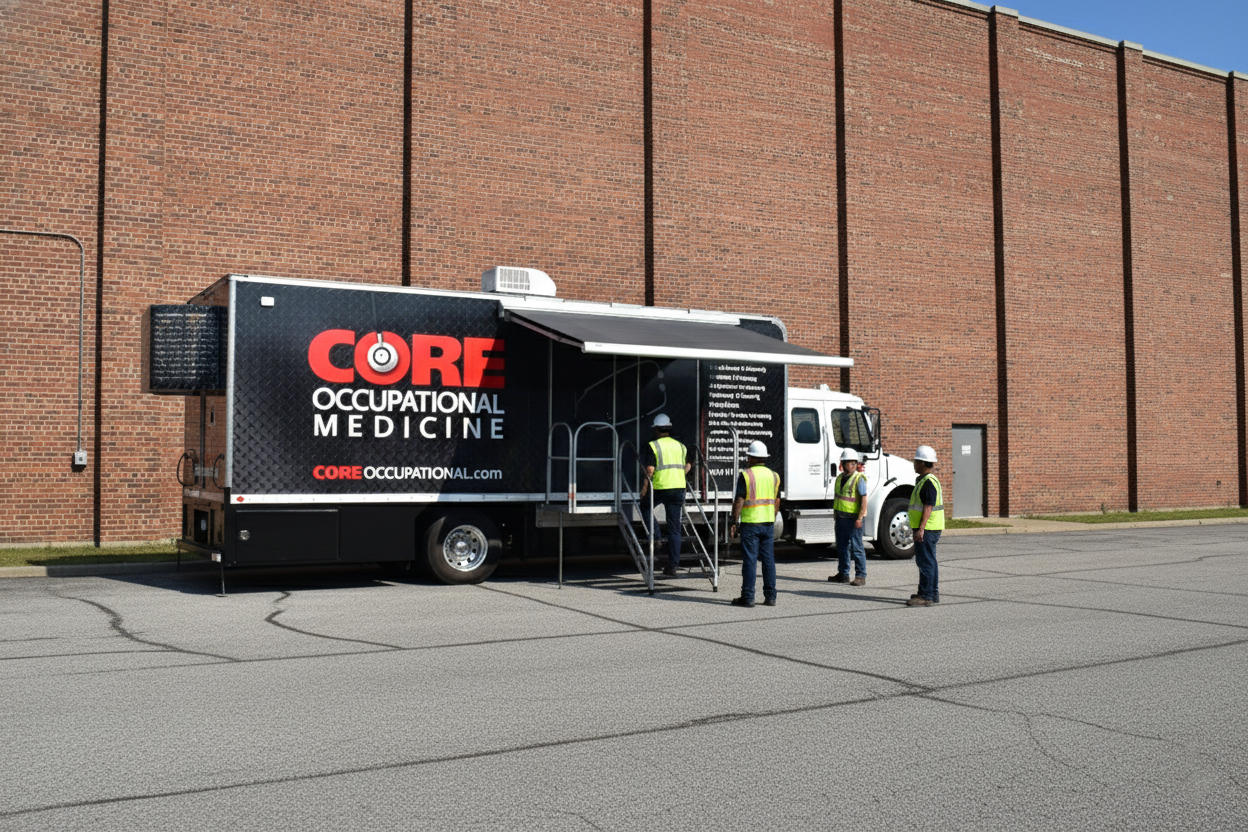
Mobile audiometric testing brings hearing exams to industrial worksites, helping companies protect workers, meet OSHA standards, and prevent hearing loss.
The best trailer sizes for medical use range from compact [...]
