
12 min read
Medical Trailer Comparison: Custom vs Prebuilt Guide 2026
Craftsmen Industries May 13, 2026 4:56:34 AM
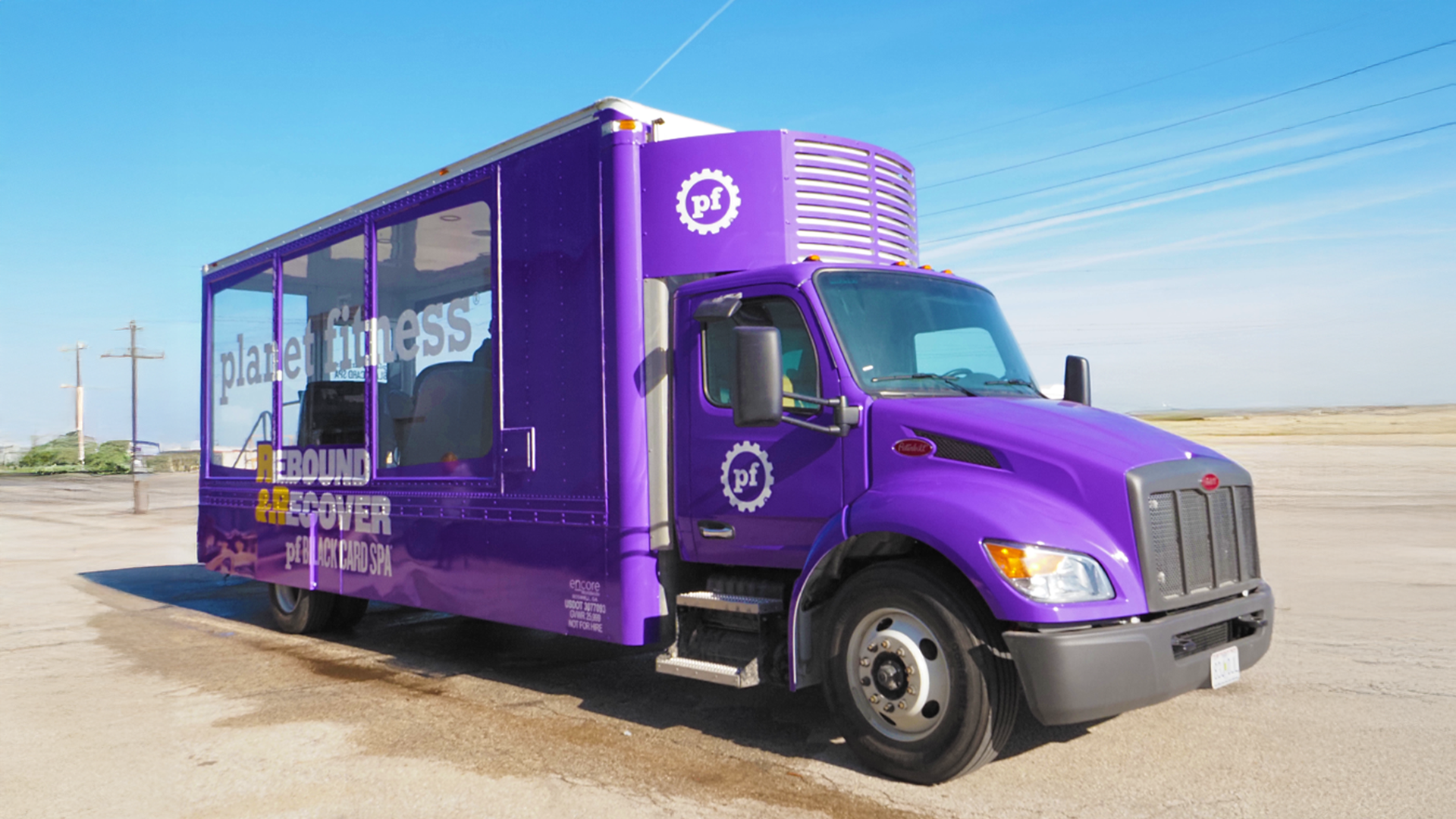
A custom medical trailer is a mobile healthcare unit designed and built to exact clinical specifications, while a prebuilt medical trailer is a standardized, ready-made unit configured for general medical use. Choosing between them affects every aspect of a mobile healthcare program, from clinical capability to long-term cost efficiency.
This guide covers design and construction differences, operational flexibility, cost and financial planning, delivery timelines, regulatory compliance, branding and patient experience, real-world provider feedback, and decision-making criteria.
Design differences center on how each option handles medical equipment integration, interior layout, and utility systems. Custom trailers are engineered around specific clinical workflows; prebuilt models use fixed floor plans with standard feature sets that serve common use cases.
Operational flexibility determines whether a unit can adapt to specialized services like mobile imaging, dental care, or invasive procedures requiring physiological monitoring. Custom units accommodate unique requirements from the start, while prebuilt models may limit future modifications.
Cost considerations extend well beyond the initial purchase. Build prices for mobile medical vehicles range widely based on size, function, and onboard equipment. Operating expenses, maintenance obligations, and long-term return on investment differ significantly between the two approaches.
Delivery timelines present a direct tradeoff: custom builds require extended design and fabrication phases, while prebuilt units can deploy faster for time-sensitive programs.
Regulatory compliance spans FGI classification standards, FDA device requirements, HIPAA data protections, and state Certificate of Need programs. Each option carries distinct implications for meeting these standards across all three FGI unit classes.
Branding and patient experience shape community trust and program visibility. Custom units offer full control over exterior graphics, interior environment, and patient flow, while prebuilt trailers may require aftermarket modifications to reflect a facility's identity.
What Are the Differences Between Custom and Prebuilt Medical Trailers?
The differences between custom and prebuilt medical trailers center on design approach, feature selection, and operational fit. Custom units are engineered from the ground up for specific clinical needs, while prebuilt models ship with standardized configurations ready for immediate use.
How Are Custom Medical Trailers Designed and Built?
Custom medical trailers are designed and built through a collaborative engineering process that aligns every specification to the healthcare provider's clinical requirements. The process typically begins with needs assessment, where the manufacturer evaluates intended services, patient volume, equipment dimensions, and regulatory demands. From there, engineers develop floor plans, electrical schematics, and HVAC layouts tailored to the unit's purpose. Craftsmen Industries manages this entire process in-house at their 127,000 sq. ft. vertically integrated facility in St. Charles, Missouri, maintaining complete project control from initial concept through final delivery.
According to Health Facilities Management Magazine, mobile units can be customized based on the specific medical services to be provided, with design standards scaled based on the types of medical services rather than the setting. This means a trailer built for MRI imaging follows different spatial and shielding requirements than one configured for primary care screenings.
Key stages in the custom build process include:
- Clinical needs assessment and service-type classification
- CAD-based floor plan and systems engineering
- Structural fabrication with integrated electrical, plumbing, and HVAC
- Medical equipment installation and secure mounting for transport
- Final inspection, compliance verification, and delivery
For organizations with highly specialized workflows, custom builds eliminate the compromises that come with adapting a generic layout to fit complex clinical operations.
What Features Are Commonly Included in Prebuilt Medical Trailers?
The features commonly included in prebuilt medical trailers are standardized clinical components designed to serve general healthcare applications. Most prebuilt units arrive equipped with examination rooms, basic cabinetry, HVAC climate control, ADA-compliant entry systems, and electrical inverters that convert DC power to AC for medical equipment operation.
Prebuilt models typically include:
- One or two patient examination areas with built-in seating
- Standard lighting, flooring, and interior finishes rated for clinical use
- Onboard generator or shore power connectivity
- Basic waste management systems, including holding tanks
- Handwash stations and sanitation infrastructure
These configurations work well for preventive screenings, vaccinations, and primary care visits where specialized equipment integration is unnecessary. However, because layouts are fixed during manufacturing, adapting a prebuilt trailer for advanced procedures such as endoscopy or cardiac imaging often requires costly retrofitting.
With these foundational differences established, the next consideration is how each option supports operational flexibility over time.
Which Option Offers Greater Flexibility for Healthcare Providers?
Custom medical trailers offer greater flexibility than prebuilt models for most healthcare providers. The sections below examine how customization addresses unique operational needs and whether prebuilt units can adapt to changing requirements.
Can Customization Address Unique Operational Needs?
Yes, customization can address unique operational needs by aligning every design element with a provider's specific clinical workflow. Custom medical trailers allow healthcare organizations to specify floor plans, equipment placement, power systems, and data infrastructure from the ground stage. According to Health Facilities Management Magazine, mobile units can be customized based on the specific medical services to be provided, with design standards scaled based on the types of medical services rather than the setting.
This matters most for providers handling specialized procedures or sensitive patient data. The HIPAA Privacy Rule applies to protected health information created, received, maintained, or transmitted by covered entities, including mobile healthcare providers. A custom build integrates HIPAA-compliant data systems, secure storage, and purpose-built exam configurations that generic layouts rarely accommodate.
Are Prebuilt Models Adaptable to Changing Requirements?
Prebuilt models are adaptable to changing requirements only within the constraints of their original design. Standard configurations typically support common services, such as primary care screenings, basic diagnostics, and vaccination programs, without structural modifications.
However, significant limitations emerge when clinical needs evolve:
- Adding advanced imaging equipment may exceed existing electrical and structural load capacities.
- Reconfiguring interior layouts often requires costly retrofitting that approaches custom-build pricing.
- Integrating new technology platforms into fixed cabinetry and wiring pathways creates workflow bottlenecks.
For organizations anticipating service expansion or regulatory changes, prebuilt trailers can become restrictive. Providers whose scope of services is well defined and unlikely to shift may find prebuilt units sufficient, but those planning for long-term growth benefit from the scalable architecture that custom design provides.
With flexibility requirements established, the next consideration is how costs compare between these two approaches.
What Are the Key Cost Considerations for Custom Versus Prebuilt Medical Trailers?
The key cost considerations for custom versus prebuilt medical trailers include initial purchase price, long-term return on investment, and ongoing maintenance expenses. The following subsections break down how each factor differs between the two options.
Does Customization Affect Initial Purchase Price and Long-Term Value?
Customization does affect initial purchase price and long-term value. A custom medical trailer typically costs more upfront because every element, from layout to specialized medical equipment, is engineered to exact specifications. A professionally built mobile medical vehicle generally costs between $125,000 and $800,000, depending on size, function, and onboard equipment requirements. Prebuilt units fall toward the lower end of that range since standardized production reduces per-unit costs.
However, the long-term value equation often favors custom builds. A unit purpose-designed for specific clinical workflows minimizes wasted space, reduces retrofit expenses, and supports higher patient throughput. For organizations planning multi-year deployments, the higher initial investment in a custom medical trailer frequently pays for itself through operational efficiency and reduced modification costs down the road.
How Do Maintenance Costs Differ Between Custom and Prebuilt Units?
Maintenance costs differ between custom and prebuilt units primarily in parts sourcing, system complexity, and warranty coverage. Both options require routine upkeep, including oil changes, tune-ups, new tires, and interior repairs. According to Mobile Health Map, some manufacturers offer warranties or service packages that help keep maintenance costs to a minimum for a few years, but regular maintenance is required regardless of the unit's age or manufacturer.
Custom trailers may use specialized components that cost more to replace, yet they often integrate systems more efficiently, reducing the frequency of breakdowns. Prebuilt units benefit from standardized parts availability, which can lower repair turnaround times. Organizations should also budget for storage, septic servicing, and cleaning. Factoring these recurring expenses into total cost of ownership ensures a more accurate comparison between the two options.
How Does Delivery Time Vary Between Custom and Prebuilt Medical Trailers?
Delivery time varies significantly between custom and prebuilt medical trailers, with custom builds requiring months of design and fabrication while prebuilt units ship within days or weeks. The following sections break down each timeline.
What Is the Typical Timeline for Designing and Building a Custom Trailer?
The typical timeline for designing and building a custom trailer ranges from three to six months or longer, depending on complexity. According to AVAN Mobility, the lead time on mobile medical vans is usually about 3 to 4 months from the time the order is confirmed. More complex builds, such as units requiring specialized imaging equipment or Class 3 surgical capabilities, often extend beyond that baseline. The process includes initial consultation, engineering design, regulatory review, fabrication, equipment integration, and final quality testing. Each phase must be completed sequentially, and custom electrical, HVAC, or plumbing configurations add time. For organizations with highly specific clinical workflows, this investment in timeline pays off through a unit precisely matched to operational needs.
How Quickly Can Prebuilt Medical Trailers Be Deployed?
Prebuilt medical trailers can be deployed within days to a few weeks because they are manufactured to standardized specifications and held in ready inventory. Optum mobile medical units, for example, are designed for rapid deployment to affected areas, providing essential medical services to first responders and medical teams. This speed advantage makes prebuilt units ideal for emergency response, seasonal screening campaigns, or situations where an organization cannot absorb a multi-month wait. However, rapid availability comes with trade-offs; prebuilt layouts may not align with specific clinical protocols, equipment preferences, or branding requirements. For time-sensitive programs where getting operational quickly outweighs full customization, prebuilt trailers remain the most practical path.
With delivery timelines established, understanding the compliance and regulatory factors for each option ensures the chosen unit meets all necessary standards.
What Compliance and Regulatory Factors Apply to Each Option?
Compliance and regulatory factors for custom and prebuilt medical trailers differ primarily in how each option addresses specialized standards. Custom trailers can be engineered to meet precise regulatory requirements, while prebuilt units arrive with standard certifications already in place.
Do Custom Medical Trailers Meet Specialized Regulatory Needs?
Custom medical trailers meet specialized regulatory needs by allowing every design element to align with specific compliance standards from the outset. Because mobile units are not defined as buildings, they fall outside traditional building and fire codes, yet they must still satisfy design and safety standards for the services provided.
This distinction matters most for specialized procedures. According to the U.S. Food and Drug Administration, FDA regulations for medical devices, including software and mobile applications, are intended to protect patient safety and ensure devices meet established standards before market distribution. Custom builds address this by integrating compliant electrical systems, ventilation, waste management, and medical gas configurations during the design phase rather than retrofitting later. With over 40 years of experience in custom fabrication, Craftsmen Industries incorporates regulatory compliance considerations into every phase of the engineering and build process, ensuring units meet applicable standards before delivery.
For organizations performing invasive procedures or advanced imaging, a custom approach ensures the trailer is purpose-built to satisfy the applicable FGI classification, HIPAA data protection requirements, and any state-level Certificate of Need programs from day one.
Are Prebuilt Medical Trailers Certified for Immediate Use?
Prebuilt medical trailers are typically certified for immediate use under general healthcare compliance standards. Manufacturers often deliver these units with baseline certifications covering electrical safety, structural integrity, and standard ventilation requirements already completed.
This certification approach works well for common services such as primary care screenings, basic diagnostics, and preventive health programs. However, prebuilt certification may not cover highly specialized regulatory demands. Units intended for advanced imaging, surgical procedures, or services requiring NFPA 99 compliant medical gas systems may need additional modifications and recertification before deployment.
Organizations operating across multiple states should also verify whether a prebuilt unit's existing certifications satisfy local requirements, since 35 states maintain some form of Certificate of Need program that may apply to mobile medical units, according to the National Conference of State Legislatures. For straightforward clinical services, prebuilt certification accelerates deployment; for complex use cases, additional compliance work is often unavoidable.
Understanding these regulatory distinctions helps organizations evaluate how each option aligns with facility branding and patient experience goals.
How Does Each Option Impact Facility Branding and Patient Experience?
Each option impacts facility branding and patient experience differently. Custom medical trailers offer full control over visual identity and clinical environment, while prebuilt medical trailers provide functional but limited branding flexibility.
Can Custom Mobile Units Enhance Branding and Community Outreach?
Yes, custom mobile units can enhance branding and community outreach by aligning every design element with a facility's identity and service mission. Exterior wraps, interior layouts, and color schemes can all reflect organizational branding, turning each deployment into a visible extension of the healthcare provider.
Custom units also function as powerful community outreach platforms. According to a narrative review published by the National Center for Biotechnology Information, mobile dental units demonstrate higher reach and engagement than stationary clinics, contributing significantly to improved oral health outcomes among target populations. This outreach advantage applies broadly: Texas Heart Institute in Houston, for example, uses its mobile imaging unit to move care directly into the community.
Consistent staffing reinforces these gains. Getting and keeping the right staff is essential to building trust and rapport with community members, which strengthens both the brand and long-term patient relationships.
Do Prebuilt Medical Trailers Reflect the Facility's Image as Effectively?
Prebuilt medical trailers do not reflect a facility's image as effectively as custom units. Standard exterior finishes and fixed interior layouts limit how closely the trailer aligns with specific brand guidelines, color palettes, or patient flow preferences.
That said, prebuilt units still support a professional patient experience when basic design standards are met. Weather protection for patients entering the mobile unit from the host facility is required; if an outdoor covered walkway is used, it must meet all building and fire codes, according to Health Facilities Management Magazine. These functional details affect how patients perceive care quality regardless of customization level.
For organizations prioritizing speed over brand precision, prebuilt trailers offer a serviceable baseline. However, facilities that view their mobile presence as a strategic brand asset will find prebuilt options fall short of the cohesive identity a custom build delivers.
What Do Healthcare Providers Say About Their Experience With Custom Versus Prebuilt Medical Trailers?
Healthcare providers report overwhelmingly positive experiences with mobile medical trailers, particularly when the unit matches their specific clinical workflow. Satisfaction levels, sector growth data, and case studies reveal how each option performs in real-world settings.
Are There Documented Case Studies or Testimonials for Each Option?
Documented case studies for custom and prebuilt medical trailers confirm strong outcomes across multiple healthcare specialties. According to Mobile Health Map's 2025 landscape report, the mobile health sector has grown 80% since 2013, with over 3,600 mobile clinics now delivering 10 million patient visits annually and returning $1.5 billion to the healthcare system each year.
Research published in the National Center for Biotechnology Information describes Mobile Health Clinics as an innovative delivery model that alleviates health disparities in vulnerable populations and individuals with chronic diseases. Key findings from documented implementations include:
- Mobile dental units equipped with diagnostic and treatment facilities extend comprehensive care to remote communities, making oral healthcare more accessible and cost-effective.
- Patient satisfaction studies show 90.6% of participants reporting satisfactory experiences with mobile health clinic services.
- States like New York require specific Certificate of Need guidelines for mobile healthcare vans, which shapes how providers select between custom and prebuilt configurations.
Custom trailers tend to generate the strongest provider endorsements when clinical specialties demand precise equipment layouts or regulatory configurations that prebuilt models cannot accommodate. Prebuilt units, by contrast, earn praise for faster deployment in community health screenings and preventive care programs where standardized layouts work well. The decision between the two often comes down to whether the clinical mission requires a purpose-built environment or benefits from a proven, ready-made platform.
How Should Healthcare Organizations Choose Between Custom and Prebuilt Medical Trailers?
Healthcare organizations should choose between custom and prebuilt medical trailers by evaluating clinical scope, supply requirements, deployment urgency, and long-term operational costs. The following subsection outlines the key questions that guide this decision.
What Key Questions Should Decision-Makers Consider?
The key questions decision-makers should consider span clinical function, budget alignment, regulatory requirements, and supply logistics. Starting with service scope is critical: an organization offering basic preventive screenings needs a fundamentally different unit than one performing diagnostic procedures or imaging.
According to Mobile Health Map, organizations should consider what supplies they need to deliver care; on The Family Van, where community health workers provide preventive services such as blood pressure and blood sugar testing, supply costs are relatively low.
Decision-makers should evaluate these core factors before selecting a trailer type:
- Clinical services planned: Preventive screenings, diagnostics, dental care, or invasive procedures each demand different equipment configurations and interior layouts.
- Deployment timeline: Whether the unit is needed within weeks or can accommodate a multi-month custom build cycle.
- Regulatory environment: State Certificate of Need requirements, HIPAA compliance obligations, and FGI classification standards that apply to the intended services.
- Budget structure: Whether upfront capital savings or long-term operational efficiency matters more to the organization's financial model.
- Scalability needs: Whether the unit must adapt to evolving service lines or serve a single, fixed purpose.
Organizations planning specialized or multi-service programs typically benefit most from custom medical trailers, where every square foot is purpose-built. Those needing rapid deployment for straightforward services often find prebuilt models sufficient. With these decision criteria established, partnering with an experienced manufacturer ensures the final unit aligns with both clinical goals and operational realities.
How Can Craftsmen Industries Support Custom Medical Trailer Solutions?
Craftsmen Industries provides end-to-end design, engineering, and fabrication for custom medical trailers built to specialized healthcare requirements. The sections below cover build capabilities and key decision-making takeaways.
Can Craftsmen Industries Design, Engineer, and Fabricate Mobile Medical Units for Specialized Needs?
Yes, Craftsmen Industries can design, engineer, and fabricate mobile medical units for specialized needs. Operating from a 127,000 sq. ft. vertically integrated facility near St. Louis County, Missouri, Craftsmen Industries handles every phase of custom medical trailer production in-house, from initial concept through final delivery.
This matters because mobile medical units must meet precise design and safety standards even though they fall outside traditional building and fire codes. According to the FGI 2018 Guidelines published in Health Facilities Management Magazine, mobile medical units are classified into three tiers: Class 1 for noninvasive imaging such as MRI and CT, Class 2 for diagnostic and therapeutic procedures, and Class 3 for invasive procedures requiring physiological monitoring. Each class demands distinct engineering specifications for electrical systems, ventilation, and equipment integration.
Craftsmen Industries builds units across all three classification levels, including:
- Mobile imaging trailers equipped with X-ray, CT, MRI, or PET-CT scanners
- Mobile dental clinics with diagnostic and treatment capabilities
- Primary care and preventive screening units
- Specialized surgical and interventional procedure trailers
With 35 states maintaining Certificate of Need programs that may govern mobile medical operations, having a fabrication partner that understands regulatory requirements from the design phase prevents costly retrofits. Craftsmen Industries integrates compliance considerations into every build, ensuring each unit is ready for certification upon delivery.
What Are the Main Takeaways When Comparing Custom Medical Trailers to Prebuilt Options?
The main takeaways when comparing custom medical trailers to prebuilt options center on five decision factors: clinical specificity, regulatory alignment, total cost of ownership, deployment speed, and long-term adaptability.
- Clinical specificity matters most. Custom trailers match exact workflow, equipment, and patient volume requirements. Prebuilt units work well for standardized services but often require modifications for specialized care.
- Regulatory alignment starts at design. Units built to FGI classification standards from the outset avoid post-purchase compliance gaps, particularly for Class 2 and Class 3 procedures.
- Total cost outweighs purchase price. Mean operating costs range from $300,000 to $2.5 million annually depending on service complexity. A well-designed custom unit reduces long-term inefficiencies that inflate those figures.
- Deployment timelines differ significantly. Prebuilt trailers ship faster, while custom builds require additional lead time for engineering and fabrication. Organizations with urgent needs may start with prebuilt units and transition to custom solutions.
- Adaptability determines lifespan. Custom trailers designed with modular infrastructure accommodate evolving clinical programs without full replacement.
For most healthcare organizations planning long-term mobile programs, investing in custom fabrication delivers greater clinical value and operational efficiency than adapting a prebuilt shell. Craftsmen Industries specializes in translating those clinical requirements into purpose-built mobile medical trailers, managing every stage from ideation to creation.