
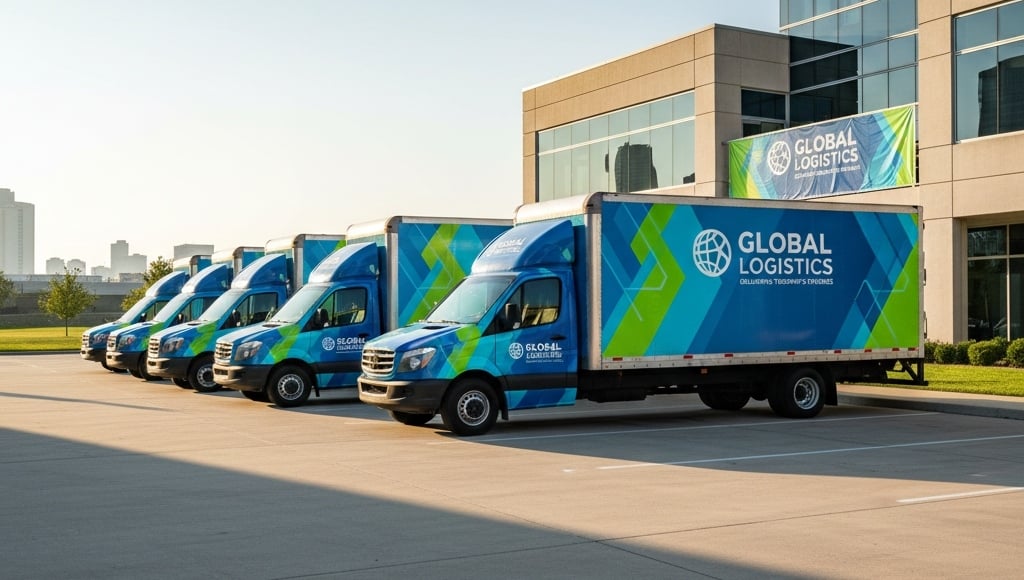
Fleet graphics are the wraps, decals, and branded visuals applied to company vehicles to display logos, colors, slogans, and contact details. They turn ordinary vehicles into rolling billboards that promote a business everywhere they travel.
According to Vehicle Wrap Advertising Statistics, a single wrapped vehicle can generate 30,000 to 70,000 daily impressions, depending on traffic patterns and driving routes. This exposure makes fleet graphics one of the most cost-effective forms of advertising.
However, graphics don’t last forever. Over time, they fade, peel, or become outdated compared to modern branding standards. That’s why businesses need a strategy to know when to update.
This blog explains the average lifespan, factors that affect durability, warning signs for replacement, and strategic reasons to refresh graphics beyond wear and tear.
Typical Lifespan of Fleet Graphics
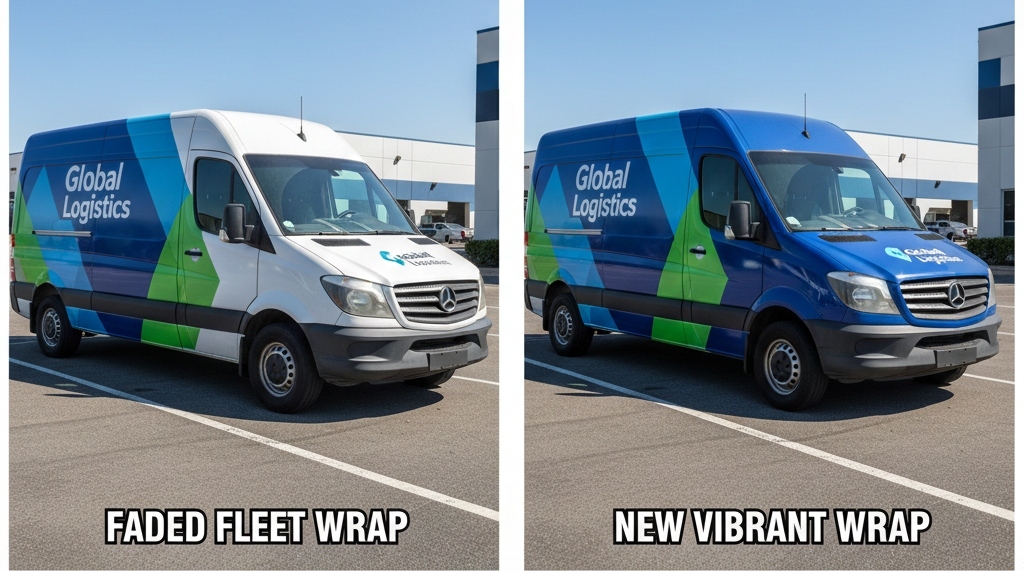
Fleet graphics are not permanent; their durability depends heavily on the materials used, the installation quality, and the conditions vehicles are exposed to daily. On average, businesses can expect the following lifespans:
- Standard vinyl wraps: Usually last 3-5 years before fading, peeling, or cracking begins, especially in harsh weather conditions.
- Premium vinyl wraps: Can remain vibrant for 5-7 years when installed by professionals and maintained properly.
- Decals or spot graphics: Smaller applications typically last 2-3 years since they don’t have the same protective layers as full wraps.
High-quality fleet wraps are engineered for durability and long-term performance, offering features such as improved conformability and a protective film layer on gloss finishes that helps reduce surface impressions and fine scratches.
This means a well-maintained wrap not only preserves your branding but also helps keep the vehicle’s original paint in better condition.
Can fleet graphics last longer than 7 years?
No. Even the best vinyl wraps eventually degrade due to UV exposure, weather conditions, and repeated washing. After seven years, most wraps typically show visible signs of wear, such as cracking, fading, or adhesive breakdown, making replacement the most suitable option.
Key Factors That Affect How Often to Update
The lifespan of fleet graphics isn’t fixed; it depends on external conditions, vehicle use, and the quality of materials. Understanding these factors helps businesses plan when updates are necessary to maintain a sharp and professional brand.
1. Climate and Environment
Vehicles in hot, sunny, or coastal regions experience faster deterioration due to UV rays, humidity, and salt exposure. In colder climates, road salt and snow also accelerate wear and reduce wrap life.
2. Vehicle Usage
Fleets that travel long distances daily, such as delivery trucks or logistics trailers, face more wear and tear compared to local service vans. Frequent washing with abrasive chemicals can also shorten durability.
3. Material Quality
Premium vinyl wraps with protective lamination withstand weather and cleaning better than low-cost alternatives. Cheaper materials often begin to peel or fade within a couple of years.
Research published in the National Library of Medicine (PMC) shows that prolonged exposure to environmental stressors like sunlight, heat, and pollutants significantly accelerates the degradation of polymers and surface coatings.
This evidence aligns with industry findings that plants in southern states or outdoors age much faster than those protected in shaded or indoor environments.
Does garage parking extend wrap life?
Yes. Parking vehicles indoors or under cover reduces environmental stress, extending the lifespan of fleet graphics by 1-2 years on average.
Signs It’s Time to Refresh Fleet Graphics
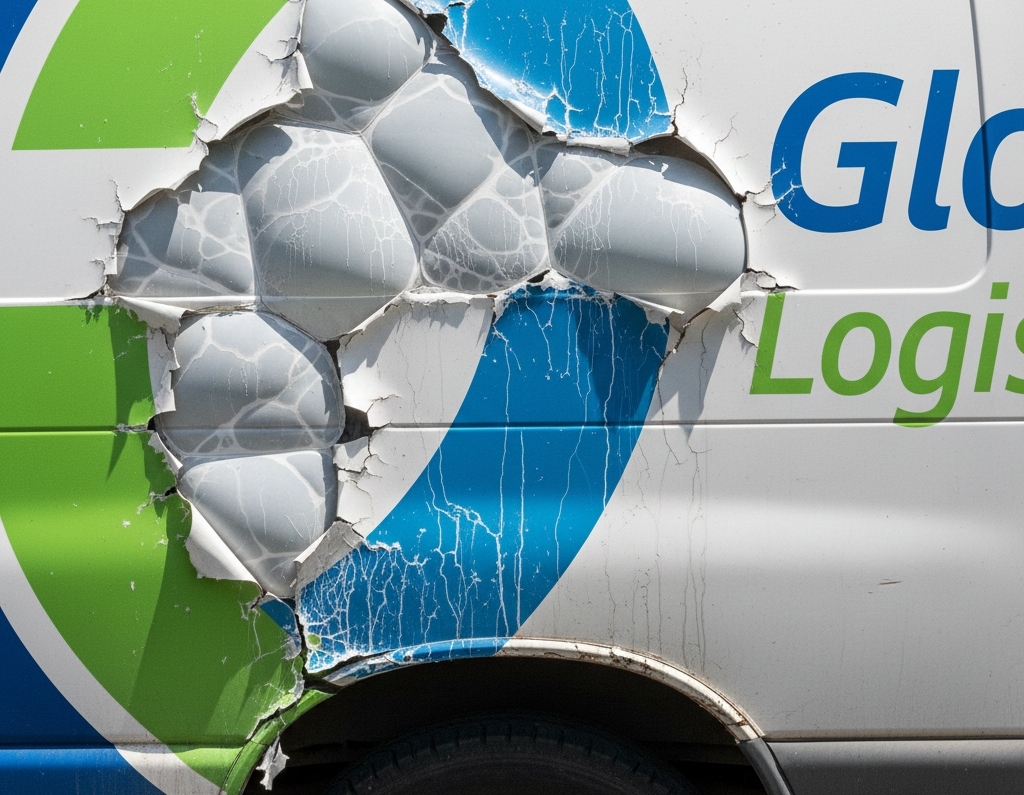
Fleet wraps are designed to last for years, but visible wear or brand changes can mean it’s time for an update, even before the vinyl’s expected lifespan is up. Recognizing these signs early helps maintain professionalism and protect your brand image:
1. Fading or Discoloration
Over time, exposure to sun, rain, and road conditions can dull or alter colors. When brand colors no longer look sharp or consistent with official guidelines, the impact of your fleet’s presence diminishes.
2. Peeling or Bubbling
Vinyl that lifts at the edges, forms bubbles, or shows adhesive failure not only looks unprofessional but also signals that the wrap is no longer protecting the vehicle effectively.
3. Physical Damage
Scratches, dents, accidents, or panel replacements can break up the design, leaving the fleet looking patchy and inconsistent. Damaged wraps often stand out more than you’d like—and not in a good way.
4. Outdated Branding
If your company has updated its logo, tagline, website, or contact details, your fleet graphics should reflect those changes. Outdated wraps risk confusing customers or making your brand appear out of touch.
Should I replace the entire wrap if only one section is damaged?
Not always. If damage is limited to a single panel, it can often be repaired. However, if multiple areas are affected or the wrap is outdated, a full replacement is often more cost-effective.
Strategic Reasons to Update Beyond Wear and Tear

Fleet graphics should also evolve with your business strategy, not just when they show physical damage.
- Rebranding: Updating to a new logo, color scheme, or design.
- Marketing campaigns: Launching seasonal promotions or new products.
- Expansion or mergers: Aligning all company vehicles under one consistent brand.
- Regulatory updates: Adjusting DOT numbers, safety markings, or compliance elements.
Harvard Business Review highlights that consistent branding across every touchpoint builds trust and boosts customer recall.
Refreshing fleet graphics ensures your vehicles stay aligned with your brand strategy, keeping your message clear, credible, and impactful on the road.
How often do companies refresh fleet graphics during rebranding?
Most businesses update their graphics every 5-7 years as part of a larger brand refresh cycle, ensuring that all assets, both digital and physical, remain consistent.
How to Plan Fleet Graphics Updates Efficiently
Updating an entire fleet requires planning to minimize downtime and spread costs:
- Create a timeline: Plan for updates every 3-7 years, depending on usage and materials.
- Use phased rollouts: Refresh a few vehicles at a time to avoid taking your whole fleet off the road.
- Budget ahead: Allocate funds for regular updates and unexpected replacements.
- Work with professionals: Partner with providers who track fleet conditions and offer repair or refresh programs.
Can I update graphics gradually instead of all at once?
Yes. Many companies update their oldest or most worn vehicles first and roll out changes in phases. This approach spreads costs and avoids operational disruptions
Keeping Your Fleet Fresh on the Road
Refreshing fleet graphics every 3-7 years, or sooner if signs of wear appear, is essential to maintaining a consistent, professional, and visible brand presence. Your fleet isn’t just transportation, it’s one of the most cost-effective marketing tools you own, generating thousands of impressions every day while strengthening brand trust.
Updated graphics keep your business competitive, relevant, and instantly recognizable mile after mile. Outdated or faded designs, on the other hand, send the wrong message and weaken customer confidence.
Craftsmen Industries specializes in designing and producing bold, durable fleet graphics that turn vehicles into rolling billboards. Ready to extend your reach, build brand loyalty, and stand out on the road? Contact Craftsmen Industries today.
Frequently Asked Questions
1. Do updated fleet graphics improve the resale value of vehicles?
Yes. Professionally applied wraps protect the factory paint from scratches, UV damage, and minor abrasions, often leaving the vehicle in better condition when the wrap is removed, which can improve resale value.
2. Can fleet graphics be removed without damaging the vehicle?
When installed with high-quality vinyl and removed by professionals within the recommended lifespan, wraps can be taken off cleanly without harming the original paint.
3. Are partial wraps or decals as effective as full wraps?
Full wraps generally provide more brand visibility, but partial wraps and decals can still be effective for smaller fleets or budget-conscious businesses if designed strategically.
4. Do fleet graphics work for leased vehicles?
Yes. Wraps are widely used on leased fleets because they’re removable and don’t permanently alter the vehicle, making them lease-friendly.
5. Can seasonal promotions be added without replacing the entire wrap?
Absolutely. Temporary vinyl overlays or decals can be applied to promote seasonal offers or campaigns, then removed later without affecting the underlying wrap.
Filter Posts by Tag
related posts
Fleet graphics offer more than good looks, they deliver long-term ROI. Learn how strategic vehicle branding boosts awareness and drives business growth.

Fleet wrap color psychology is the strategic application of color [...]
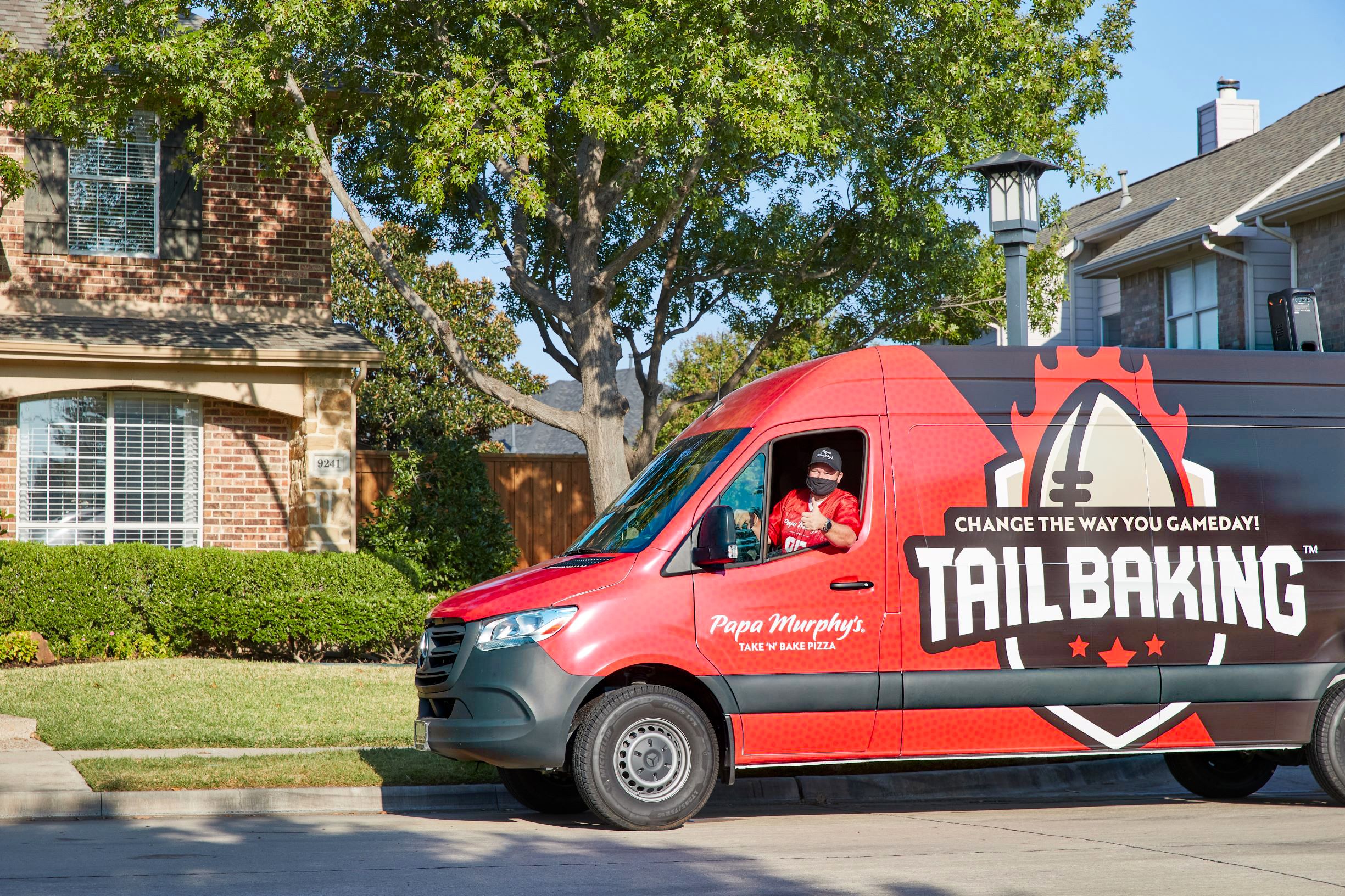
What are the benefits of using fleet graphics? Read on some businesses that can capitalize on the numerous benefits of fleet graphics.
