
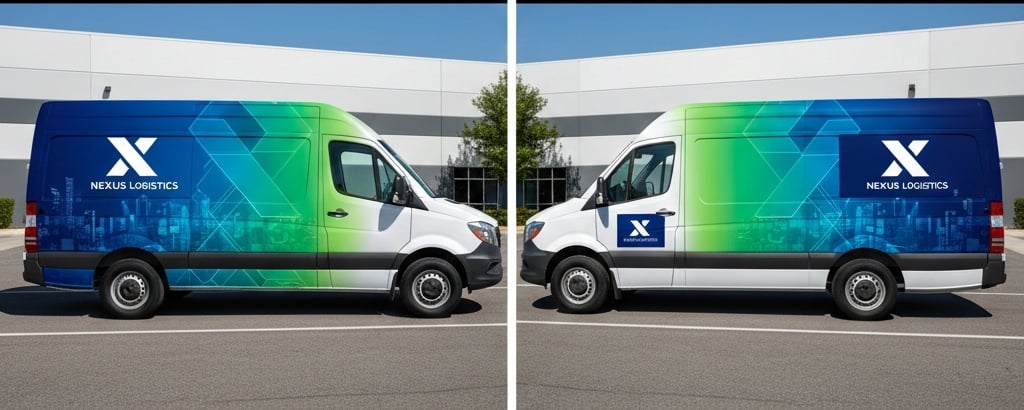
Every business aims for its vehicles to capture attention on the road, but deciding how to wrap them for branding isn’t always simple. Should you invest in a full vehicle wrap that covers every visible surface, or opt for a partial wrap that highlights specific areas such as doors, hoods, or side panels? This choice affects budget, visibility, design flexibility, and long-term return on investment. According to the Federal Highway Administration , clear and legible mobile advertising increases brand recall and engagement, emphasizing the importance of strategic vehicle graphics.
Both options have unique advantages. Full wraps provide maximum impact and immersive branding but come with higher costs, while partial wraps are more affordable and allow targeted messaging. Knowing the pros and cons of each ensures businesses make the smartest branding investment.
The Role of Vehicle Wraps in Modern Marketing
Vehicle wraps are no longer just decorative; they have become one of the most effective forms of mobile advertising in today’s competitive marketplace. According to the Outdoor Advertising Association of America (OAAA), wrapped vehicles generate between 30,000 and 70,000 daily impressions in metropolitan areas. This makes them an unmatched advertising channel when compared with static billboards or digital ads that rely heavily on online clicks.
Businesses choose vehicle wraps for multiple reasons, and their role extends far beyond branding. These moving billboards help companies reach both local and diverse audiences simultaneously, build trust, and communicate professionalism wherever they go.
Why businesses rely on vehicle wraps:
- Mobile advertising ensures thousands of impressions daily.
- Protects factory paint from scratches, UV rays, and weather damage.
- Creates consistent branding across fleet vehicles.
- Offers cost-effective advertising with measurable long-term ROI.
Well-executed wraps blend marketing with functionality, making vehicles powerful tools for outreach and revenue growth.
Full Vehicle Wrap: Definition and Key Benefits
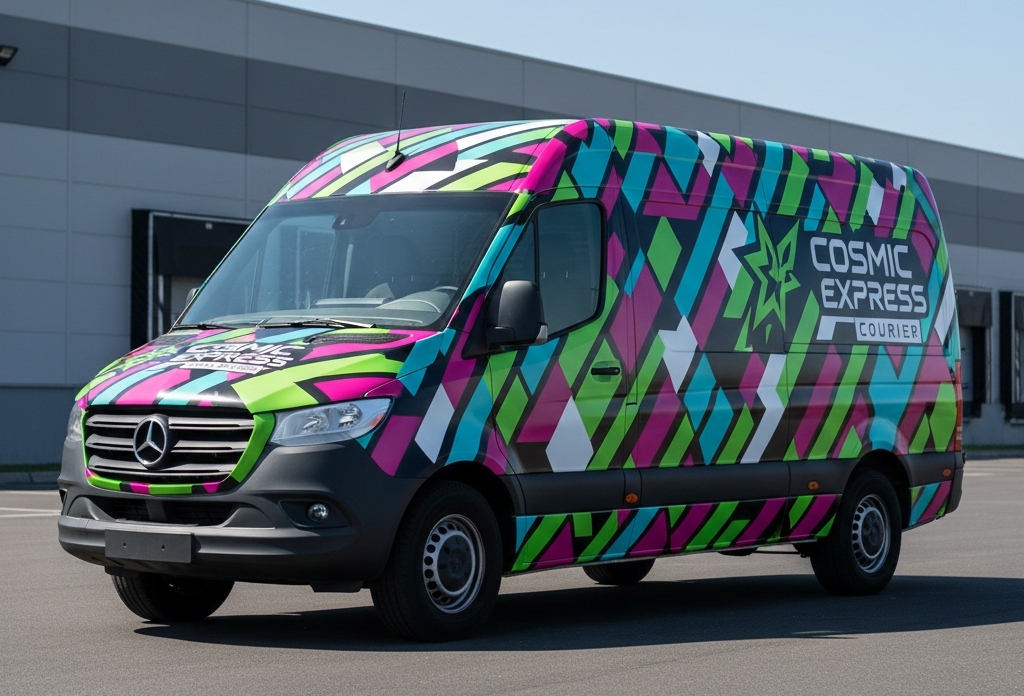
A full vehicle wrap covers all visible painted surfaces with vinyl graphics. This typically includes the hood, roof, trunk, doors, fenders, and sometimes bumpers. Businesses favor this option when they want maximum visibility and cohesive branding across their fleet.
Advantages of Full Wraps
Full wraps transform vehicles into complete moving billboards. They provide large-scale exposure while also protecting the vehicle’s surface underneath.
Key benefits include:
- Maximum visibility: Ensures brand presence on every angle of the vehicle.
- Unlimited design potential: Allows use of photographic images, bold colors, and unique textures.
- Paint protection: Preserves the original paint from scratches, chips, and UV fading.
- Resale value: Keeps the underlying paint intact, increasing resale appeal.
A Federal Highway Administration (FHWA) guideline on outdoor advertising emphasizes legibility and visual clarity, which full wraps excel at by maximizing space for text, visuals, and contact details.
Considerations for Full Wraps
Despite their strong advantages, businesses should also weigh certain limitations:
- Higher cost compared to partial wraps.
- Longer installation time (often 2–3 days).
- More complex maintenance is required, especially in harsh weather conditions.
Full wraps are best suited for businesses that prioritize bold branding, operate in competitive markets, or want their vehicles to serve as high-impact advertising assets.
Partial Vehicle Wrap: Definition and Key Benefits
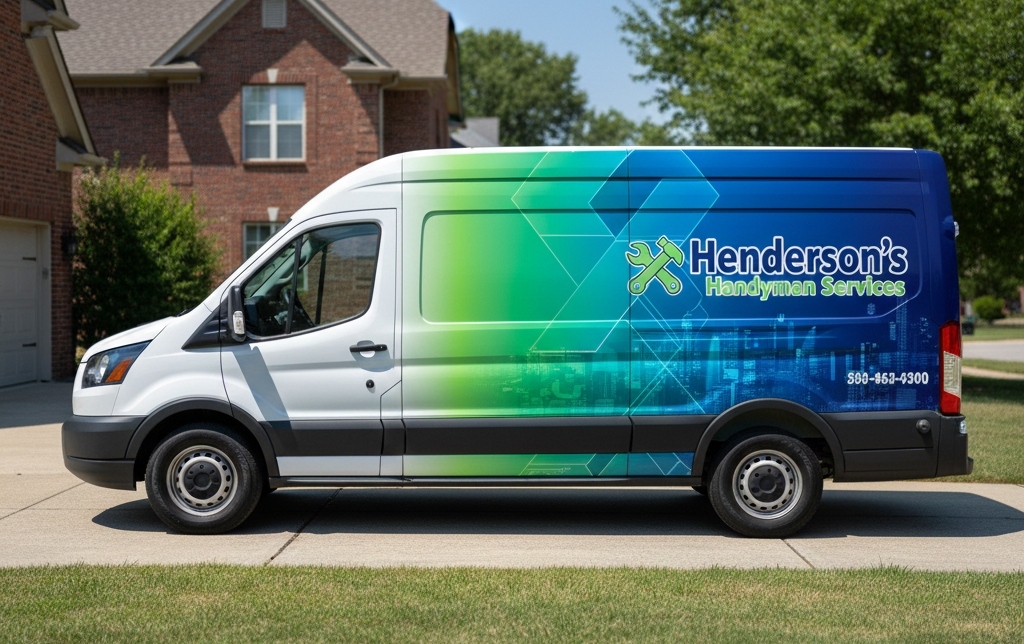
A partial vehicle wrap covers selected areas such as doors, hoods, rear panels, or side sections while leaving other parts of the original paint exposed. This option blends vinyl graphics with factory paint for a balanced, budget-friendly solution.
Advantages of Partial Wraps
Partial wraps provide a strong branding opportunity without requiring full surface coverage. They are especially popular among small and medium-sized businesses looking to achieve professional results on tighter budgets.
Key benefits include:
- Cost-effective: Requires less material and labor, lowering upfront expenses.
- Targeted design: Branding can be strategically placed on high-visibility zones.
- Faster installation: Typically completed in 1–2 days.
- Easy updates: Simple to replace or modify specific sections during rebranding.
The U.S. Small Business Administration notes that flexible, low-cost marketing tools play a significant role in helping small businesses compete, making partial wraps an appealing solution.
Considerations for Partial Wraps
While practical, partial wraps come with trade-offs:
- Limited paint protection since large portions remain exposed.
- Less visual coverage compared to full wraps.
- Potential for an “incomplete look” if not designed seamlessly with factory paint.
Partial wraps are ideal for businesses seeking professional branding while balancing cost with visibility.
Comparison of Costs, Coverage, and ROI
One of the most critical considerations for businesses choosing between full and partial wraps is cost and long-term return on investment (ROI). Vehicle wraps are designed to last for several years, so businesses must weigh upfront expenses against advertising impact.
|
Factor |
Full Wraps |
Partial Wraps |
Business Impact |
|---|---|---|---|
|
Average Cost |
$2,500–$5,000 |
$1,000–$3,000 |
Partial wraps provide a lower entry cost |
|
Branding Space |
Covers the entire vehicle |
Covers selected areas |
Full wraps maximize visibility |
|
Installation Time |
2–3 days |
1–2 days |
Partial wraps save time |
|
Paint Protection |
Full surface coverage |
Partial coverage |
Full wraps preserve resale value |
|
Update Flexibility |
Costlier full updates |
Cheaper to replace |
Partial wraps aid agile branding |
Research from the National Institute of Standards and Technology (NIST) shows that material durability plays a major role in wrap longevity, especially under UV exposure. Full wraps protect more surfaces, offering better long-term value, while partial wraps offer agility and affordability.
Durability and Maintenance
Durability is a defining factor for vehicle graphics. Both full and partial wraps last between 5 and 7 years when properly maintained, but their performance depends heavily on coverage and care.
Full Wrap Durability
Full wraps offer the best protection since every painted surface is shielded. However, they require attentive maintenance to prevent edge peeling and sun damage.
Tips for extending full wrap life:
- Wash vehicles regularly with non-abrasive cleaners.
- Park in shaded or indoor locations when possible.
- Schedule professional inspections for edges and seams.
Partial Wrap Durability
Partial wraps last just as long on covered areas but leave exposed paint vulnerable to scratches, fading, and environmental wear. This can result in uneven aging between wrapped and unwrapped surfaces.
According to NIST research on material degradation , UV radiation is the biggest factor in vinyl breakdown, making maintenance routines essential regardless of wrap type.
Design and Aesthetic Flexibility
The design process is often the deciding factor for businesses, as wraps serve as public-facing billboards. Full wraps offer total creative freedom, while partial wraps allow for strategic, minimalist branding.
Full Wrap Design Advantages
- Large-scale photographic images and intricate graphics.
- Consistent branding across all surfaces.
- Ability to replicate premium finishes like chrome or matte.
Partial Wrap Design Advantages
- Bold logos and slogans can stand out against factory paint.
- Cost-effective branding for smaller fleets.
- It can integrate seamlessly with the vehicle’s original color.
Environmental Impact
Sustainability is an increasing concern in commercial branding. Businesses must consider both the environmental footprint of traditional paint jobs and vinyl wraps.
- Paint alternatives: Automotive paints release volatile organic compounds (VOCs), which contribute to air pollution.
- Wraps: Lower emissions during application, but introduce disposal challenges since vinyl is petroleum-based.
The EPA recommends low-emission practices, which makes wraps more favorable over paint in terms of installation. Businesses should also work with recycling initiatives that handle vinyl waste responsibly.
Use Cases: When to Choose Each Option
The right choice between full and partial wraps depends on business goals, fleet size, and branding strategy.
Full Wraps Are Best For:
- National or regional campaigns requiring maximum visibility.
- Industries like logistics, telecom, or public health rely on a strong public presence.
- Fleets seeking uniform branding and resale protection.
Partial Wraps Are Best For:
- Small businesses with limited marketing budgets.
- Companies that update branding frequently.
- Vehicles where the factory paint complements design elements.
Case Study Evidence
Vehicle wraps have been widely studied for their marketing effectiveness.
- Public Health Campaigns: The Centers for Disease Control and Prevention (CDC) reported that wrapped buses in outreach programs increased message retention by 20–25% compared to traditional media.
- Small Businesses: Local service providers such as electricians and plumbers often use partial wraps for affordability while still achieving high neighborhood visibility.
These case studies highlight that wraps, whether full or partial, create a measurable impact when aligned with the right marketing objectives.
Building Better Vehicle Branding with Craftsmen Industries
Whether your business opts for a full or partial wrap, professional design and installation are critical to achieving maximum impact. Poorly applied graphics can reduce lifespan, compromise brand consistency, and lessen advertising effectiveness. Craftsmen Industries specializes in delivering custom vehicle graphics, wraps, and branding solutions for fleets of all sizes. Their expertise ensures durability, long-lasting results, compliance with industry standards, and visually striking designs that capture attention on the road.
Partner with Craftsmen Industries today to choose the ideal wrap strategy and elevate your brand’s mobile presence.
Frequently Asked Questions
How long do vehicle wraps last?
Most wraps last 5–7 years with proper maintenance, though UV exposure and climate can shorten lifespan.
Are wraps better than paint jobs?
Yes. Wraps are more affordable, eco-friendly, and reversible compared to paint, while also offering advertising value.
Can I remove a vehicle wrap without damage?
Yes, when professionally installed, wraps can be removed without harming the original paint.
Do wraps work for leased vehicles?
Yes. Many businesses wrap leased vehicles because the wrap preserves factory paint and can be removed before returning the vehicle.
Which is more cost-effective, full or partial wraps?
Partial wraps offer lower upfront costs, while full wraps maximize long-term ROI with greater visibility and paint protection.
Filter Posts by Tag
related posts
Do you want to learn how to remove vehicle graphics? Read our top tips on sticker peeling, adhesive removal, and paint protection for your vehicle.
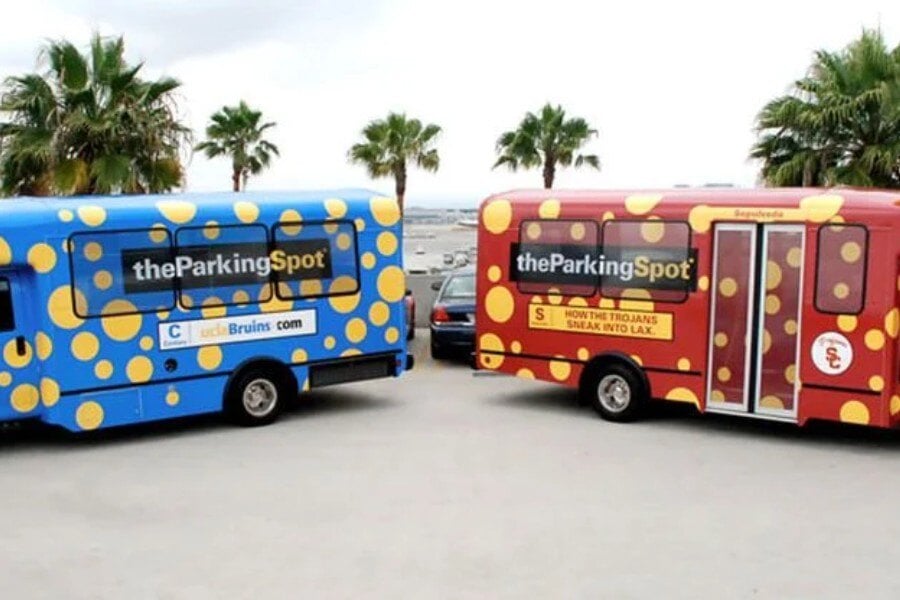
Struggling to decide between partial vs full fleet wraps? Discover the power of fleet wrap advertising and how to choose the best option!
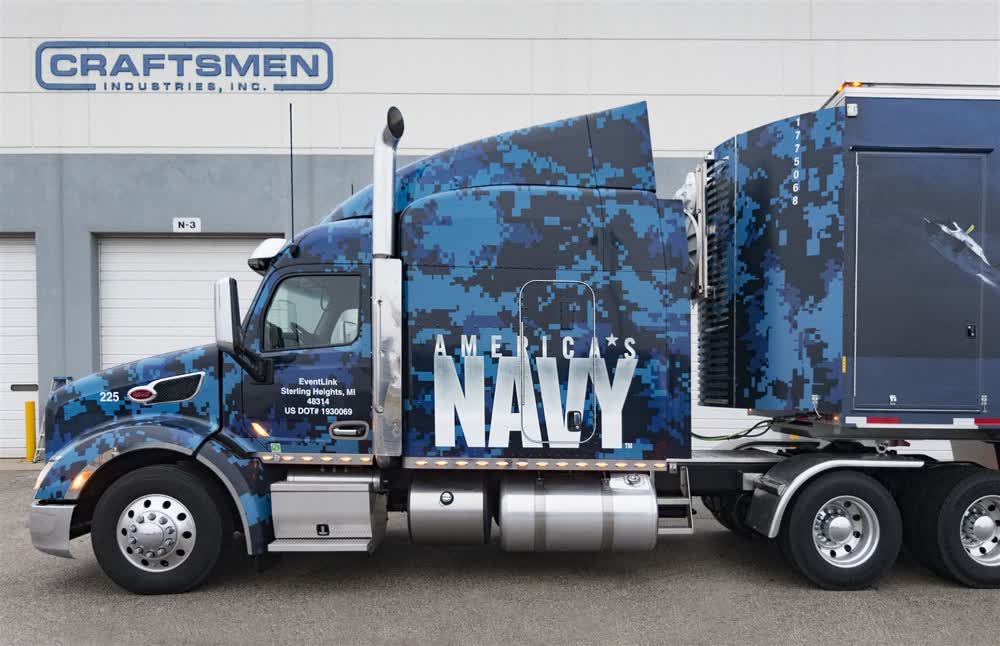
Vehicle fleet graphics offer many other advantages over paint. Read on why fleet wraps are better than painting company vehicles.
