
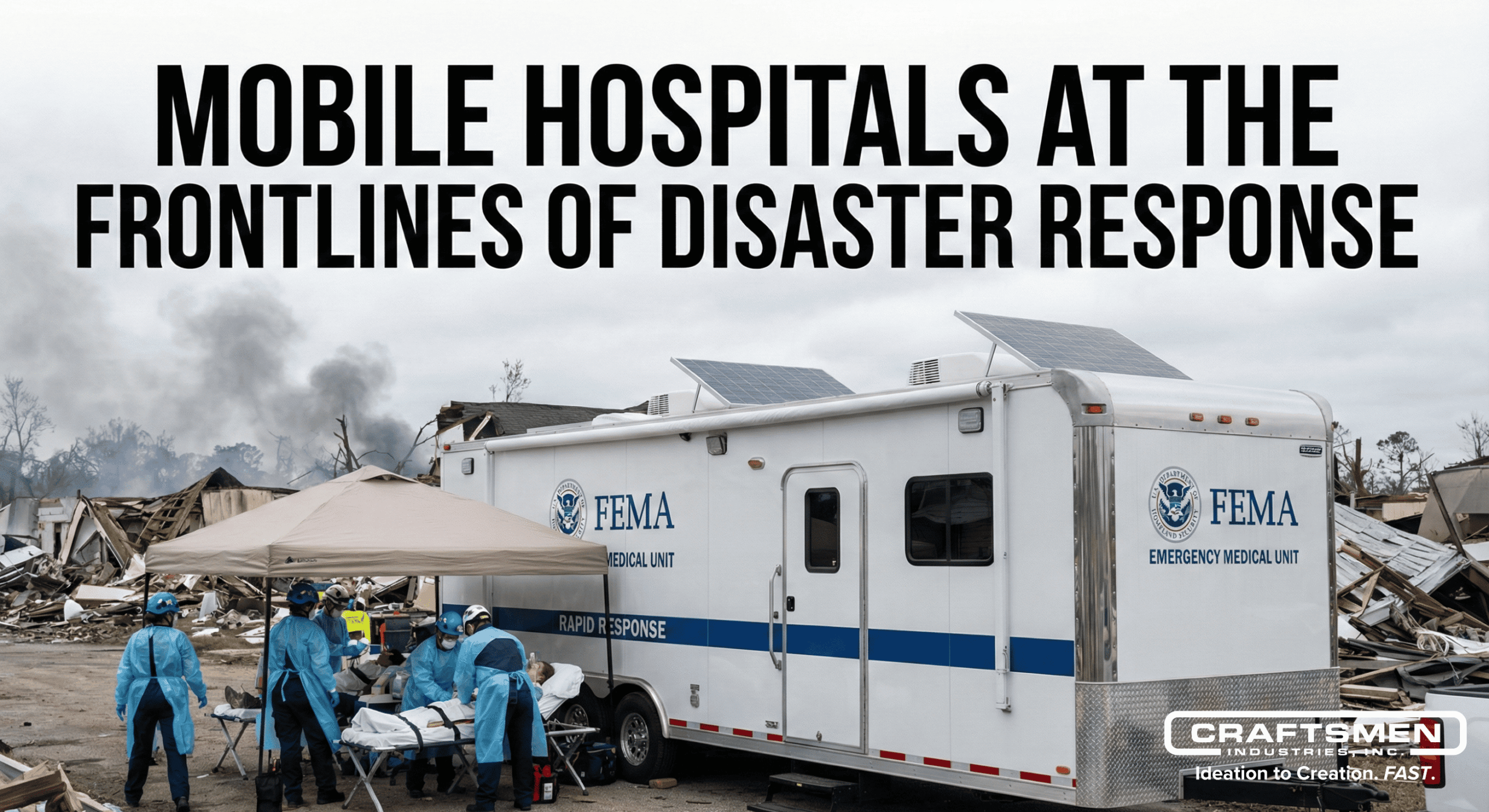
If you’re seeking to understand how mobile medical units save lives during disasters and health emergencies, you’ve come to the right place. We’ll explain exactly what emergency medical trailers are, how they deploy within hours to disaster zones, and why organizations from FEMA to local fire departments rely on these versatile medical facilities. Whether you’re a healthcare administrator, emergency manager, or community leader exploring mobile healthcare solutions, this comprehensive guide provides the critical insights you need to make informed decisions about emergency medical trailer deployment and capabilities.
Emergency medical trailers are self-contained, mobile healthcare facilities equipped with advanced medical technology that can be rapidly deployed to disaster sites, mass gatherings, and underserved communities to provide immediate medical care ranging from basic first aid to surgical procedures. These specialized vehicles transform from highway-ready trailers into fully functional medical facilities within 15 minutes to 72 hours depending on their size and configuration.
According to the 2025 WHO Emergency Medical Teams Classification, mobile medical units deployed to natural disasters treat between 60-545 patients daily, consistently meeting the WHO’s minimum standard of 50 patients per day. Each mobile clinic deployment results in an average of 600 fewer emergency room visits annually, as documented by Tulane University’s School of Public Health research.
“We call it the ultimate house call,” explains Dr. Tom Blackwell, creator of the MED-1 mobile hospital that treated 7,500 patients during Hurricane Katrina in 2005. “We got back to old fashioned medicine — touching people, talking to people, spending more time at patients’ beds. It was life-changing.”
Key Takeaways:
- Emergency medical trailers deploy to disaster sites within 48 hours, providing critical care when traditional infrastructure fails
- Modern trailers feature telemedicine capabilities, renewable energy systems, and can expand to 1,000 square feet of medical workspace
- Setup times range from 15 minutes for rapid deployment shelters to 72 hours for larger field hospitals
- Operating costs average $275,000 annually, with purchase prices ranging from $125,000 to $800,000 depending on configuration
- Recent deployments include Hurricane Helene (2024) where mobile units treated 116 patients over 12 days and distributed 14,500 pounds of medical supplies
- Mobile care increases acute care efficiency by over 36% while reducing burden on local emergency departments
This comprehensive analysis explores the types of emergencies these trailers address, their advanced medical equipment and rapid deployment capabilities, regulatory requirements, and real-world deployment success stories.
We examine how organizations like Craftsmen Industries design and manufacture these life-saving facilities, providing actionable insights for healthcare administrators and emergency planners considering mobile medical solutions. From natural disasters to pandemic response, emergency medical trailers represent a critical evolution in emergency healthcare delivery, bridging the gap between disaster strikes and permanent facility restoration.
What Types of Emergencies Are Emergency Medical Trailers Used For?
Emergency medical trailers are mobile healthcare facilities deployed for natural disasters, mass casualty incidents, and community health crises. These units provide critical medical services ranging from primary care to trauma treatment when traditional healthcare infrastructure is damaged or overwhelmed. Mobile medical trailers deploy within 48 hours and can operate independently for 72 hours, treating between 60-545 patients daily according to WHO standards.
How Do Emergency Medical Trailers Support Disaster Relief Efforts?
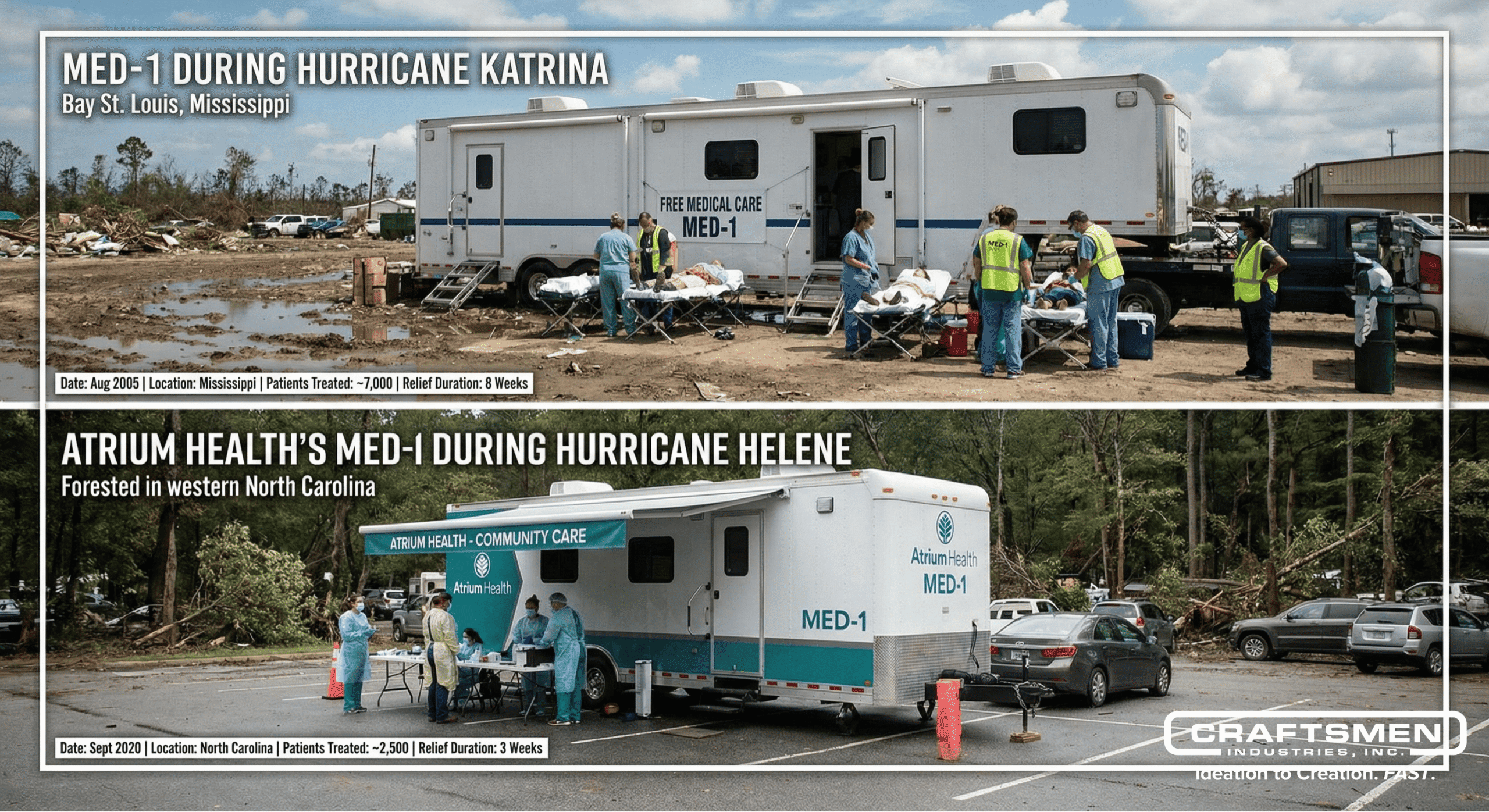
Emergency medical trailers support disaster relief efforts by providing immediate medical care at disaster sites when hospitals are damaged or inaccessible. During Hurricane Helene in September 2024, Atrium Health’s MED-1 unit treated 116 patients over 12 days in Tryon, North Carolina, while distributing 14,500 pounds of critical resources. CDR Health Mobile Units deployed to Taylor County and Madison County, Florida, administered tetanus vaccinations for storm-related injuries.
Natural disasters account for 82% of mobile medical deployments. Between 1985-2002, DMAT teams responded to 41 natural disasters compared to 9 man-made disasters. Hurricane Katrina demonstrated the scale of mobile medical response—MED-1 treated 7,500 patients during a 7-week deployment in Waveland, Mississippi in 2005.
Mobile units primarily deliver primary healthcare and outpatient emergency care rather than trauma services. Patient volumes range from 60-545 patients daily, meeting WHO’s minimum recommendation of 50 patients per day. Recent deployments include:
- Novant Health Mobile Clinic to Asheville for Hurricane Helene relief
- Heal-Corp mobile trailer for California wildfire response in January 2025
These rapid deployments provide transitional care until permanent facilities become operational.
In What Ways Are These Trailers Used in Mass Casualty Events?
Emergency medical trailers are used in mass casualty events to provide procedural sedation, IV medications, and critical care within controlled, sterile environments. Mobile units administer aggressive treatments including IV steroids, magnesium, bronchodilators, and hypertonic saline for conditions such as dislocated joints and critical asthma exacerbations.
The controlled, sterile work environment offers space and maneuverability for worst-case scenarios. Private treatment areas keep injured patients out of view from other participants, maintaining dignity during emergencies. Mobile trailers reduce local EMS burden by avoiding disruption to the hosting community’s healthcare services.
Advanced medical care provided on-site improves patient outcomes with lower morbidity and mortality rates. The trailers function as self-contained emergency departments, preventing minor injuries from escalating into life-threatening conditions when traditional hospitals are overwhelmed.
How Are Emergency Medical Trailers Deployed for Community Health Emergencies?
Community health emergencies require flexible mobile medical infrastructure that adapts to changing public health needs. During COVID-19, less than 20% of mobile medical units continued usual services in 2020, with roughly 10% converting to COVID testing facilities. Test & Trace community-informed mobile testing provided tests to 150,351 individuals between December 2020 and April 2021.
Dental trailers and wellness clinics repurposed their equipment with testing capabilities and safety measures. Over 2,000 trailers actively provided care across the United States during the pandemic response. Each mobile clinic reduces emergency room visits by an average of 600 annually while increasing acute care efficiency by 36%.
Rural access remains critical—18% of Americans live more than 10 miles from the nearest emergency facility. Mobile trailers bridge this gap by bringing healthcare directly to underserved communities, ensuring equitable access during public health emergencies.
Mobile medical trailers serve three primary emergency categories: natural disasters requiring sustained multi-week deployments, mass casualty events demanding immediate advanced care, and community health crises necessitating flexible, adaptable healthcare delivery systems.
What Features and Equipment Are Commonly Included in Emergency Medical Trailers?
Emergency medical trailers integrate sophisticated medical systems, rapid deployment mechanisms, and essential safety features to deliver critical care in crisis situations. These mobile units combine hospital-grade technology with rugged portability, enabling medical teams to establish functional treatment centers within minutes of arrival. The following subsections detail the core technologies, mobility features, and safety systems that define modern emergency medical trailers.
What Medical Systems and Technologies Are Integrated into These Trailers?
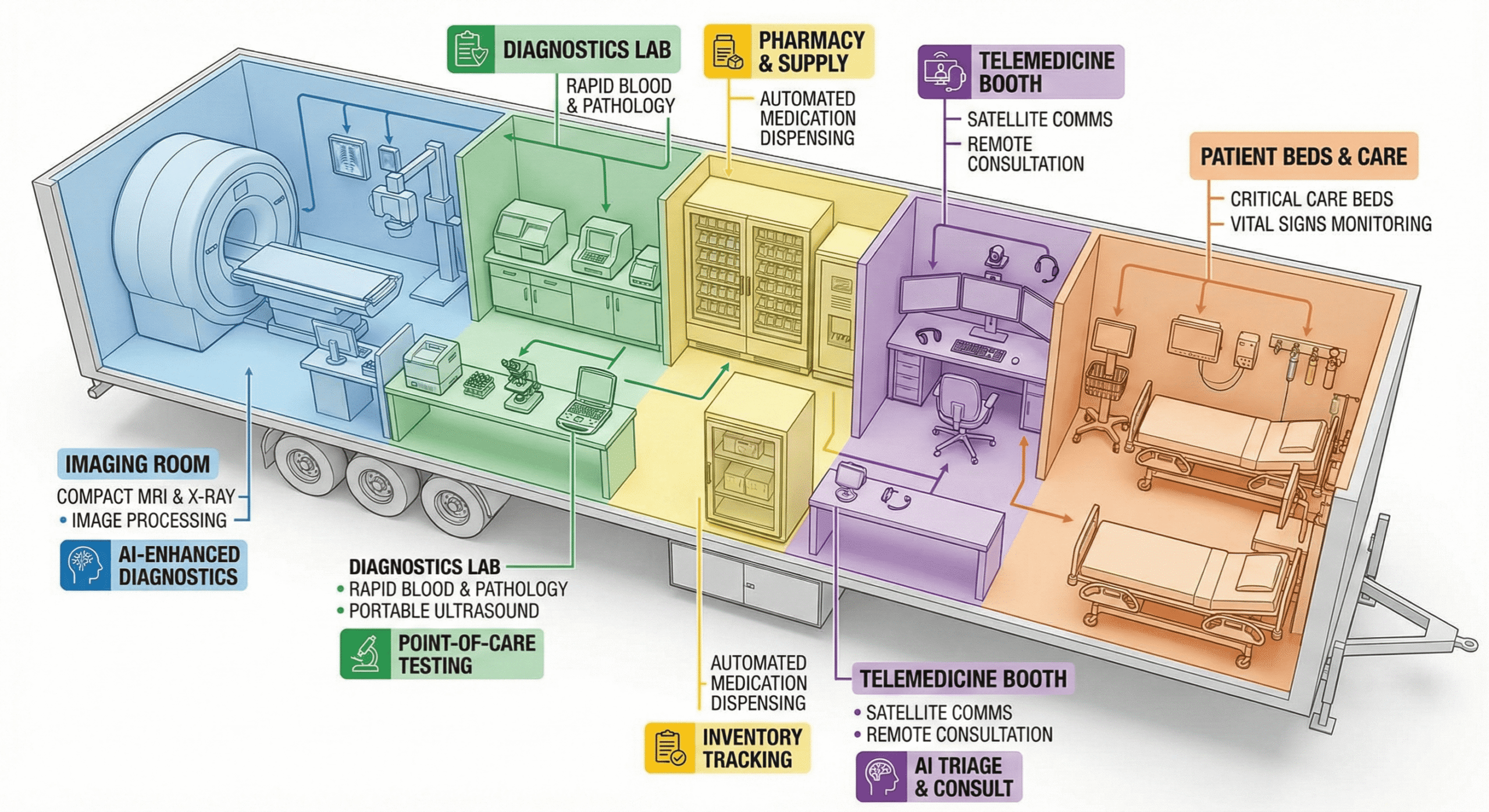
Medical systems in emergency trailers encompass diagnostic imaging, telemedicine capabilities, and point-of-care testing equipment. Mobile MRI trailers feature custom-designed chassis with 17-inch deep welded aluminum I-beams and 8-inch outer C-channel construction for structural integrity. Portable ultrasound devices weighing 8 ounces enable point-of-care ultrasound (POCUS) in remote clinics.
Modern trailers integrate multiple imaging modalities:
- MRI scanners with specialized mounting systems
- CT imaging equipment with radiation shielding
- Digital X-ray systems with wireless detectors
- Ultrasound machines with multiple transducers
Complete laboratory facilities include automated analyzers, centrifuges, and refrigerated storage for specimens. Pharmacy modules contain temperature-controlled medication storage and automated dispensing systems. Satellite communications enable off-site consulting with specialists during critical procedures.
Telemedicine infrastructure incorporates HD cameras, medical-grade microphones, and diagnostic peripherals for remote consultations. AI-powered triage systems use real-time video analytics with facial recognition to assess patient acuity levels. Connected medical devices—ECGs, glucose monitors, and blood pressure cuffs—transmit results directly to electronic health records through Health Level 7 (HL7) standards.
Point-of-care testing equipment delivers rapid results for infectious diseases and metabolic conditions within 15-30 minutes. These integrated systems transform trailers into comprehensive medical facilities capable of delivering advanced care comparable to brick-and-mortar hospitals.
How Are Emergency Medical Trailers Designed for Rapid Setup and Mobility?
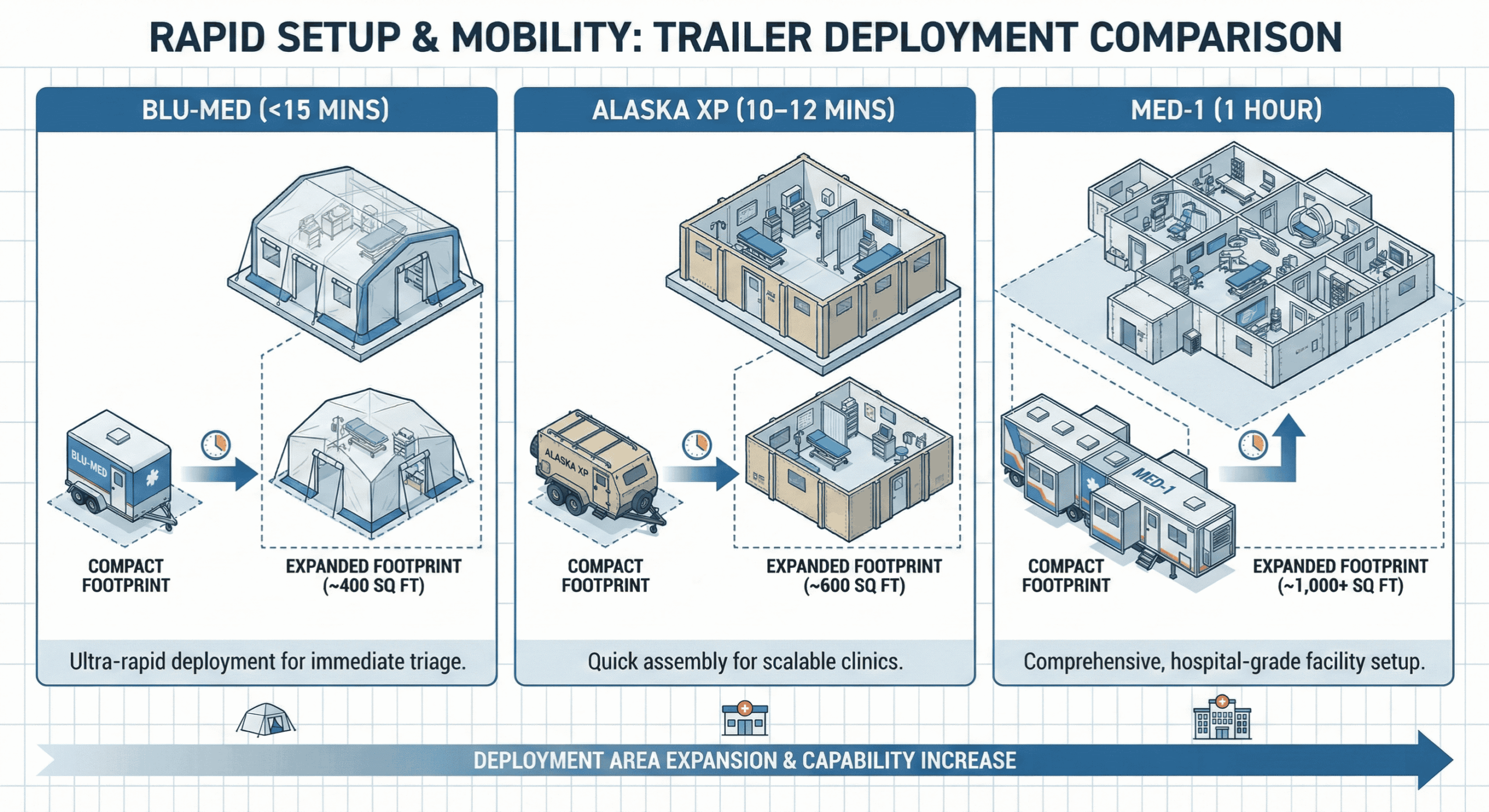
Emergency medical trailers are designed for rapid setup and mobility by prioritizing minimal deployment time and maximum expandable workspace. BLU-MED Medical Shelters achieve operational status in less than 15 minutes. The Alaska XP Medical Shelter System requires 10-12 minutes for complete deployment. MED-1 units establish 90-square-meter hospitals within one hour using expandable walls.
|
Emergency Medical Unit |
Performance Metric |
Operational Detail |
|
BLU-MED Shelter |
Setup Time |
<15 minutes |
|
Alaska XP System |
Setup Time |
10-12 minutes |
|
MED-1 Unit |
Setup Time |
1 hour |
|
MED-1 Unit |
Expanded Area |
90 square meters |
|
Storage Container |
Dimensions |
8.53′ x 3.28′ x 3.94′ |
|
Shelter Floor Space |
Maximum Size |
650 sq ft |
A single roto-mold container measuring 8.53′ x 3.28′ x 3.94′ contains an entire 20′ x 32.5′ medical shelter. Expanding wings create workspaces up to 1,000 square feet. Multiple slide-outs accommodate various internal configurations for specialized medical functions.
Trailer lengths reach 53 feet with modular designs supporting trauma care, infectious disease containment, and diagnostic services. Operating temperature ranges span -34°C to +50°C (-30°F to +122°F) for imaging vehicles. Mobile HVAC systems maintain efficiency from -25°F to 115°F ambient temperatures.
These mobility features ensure medical teams can establish functional treatment facilities quickly in diverse environmental conditions and geographic locations.
What Sanitation and Safety Features Are Essential in Emergency Medical Trailers?
Sanitation systems meet ASHRAE 170 outpatient compliance standards with HEPA filtration providing minimum 50 cfm exhaust in patient areas. Non-porous antimicrobial surfaces resist pathogen transmission between patients. Special filtration systems enable operations in biologically hazardous environments.
Critical safety infrastructure includes:
- Negative-pressure zones for Class 2 mobile clinics performing minor procedures
- Temperature control systems maintaining 68°F to 78°F indoor environments
- High air exchange rates for Class 3 facilities conducting invasive procedures
- Humidity control preventing condensation and microbial growth
Well-organized cache systems provide immediate access to emergency supplies and medications. Storage layouts follow standardized protocols for rapid inventory management during mass casualty events.
ADA-compliant features ensure accessibility for all patients:
- Wheelchair ramps with proper grade ratios
- Hydraulic lifts for patient transport
- Widened entry doors meeting 36-inch clearance requirements
- ADA-compliant restroom layouts with grab bars and turning radius
These sanitation and safety systems create controlled medical environments that protect both patients and healthcare providers while maintaining regulatory compliance across multiple jurisdictions. Emergency medical trailers equipped with these comprehensive features deliver hospital-quality care in challenging field conditions.
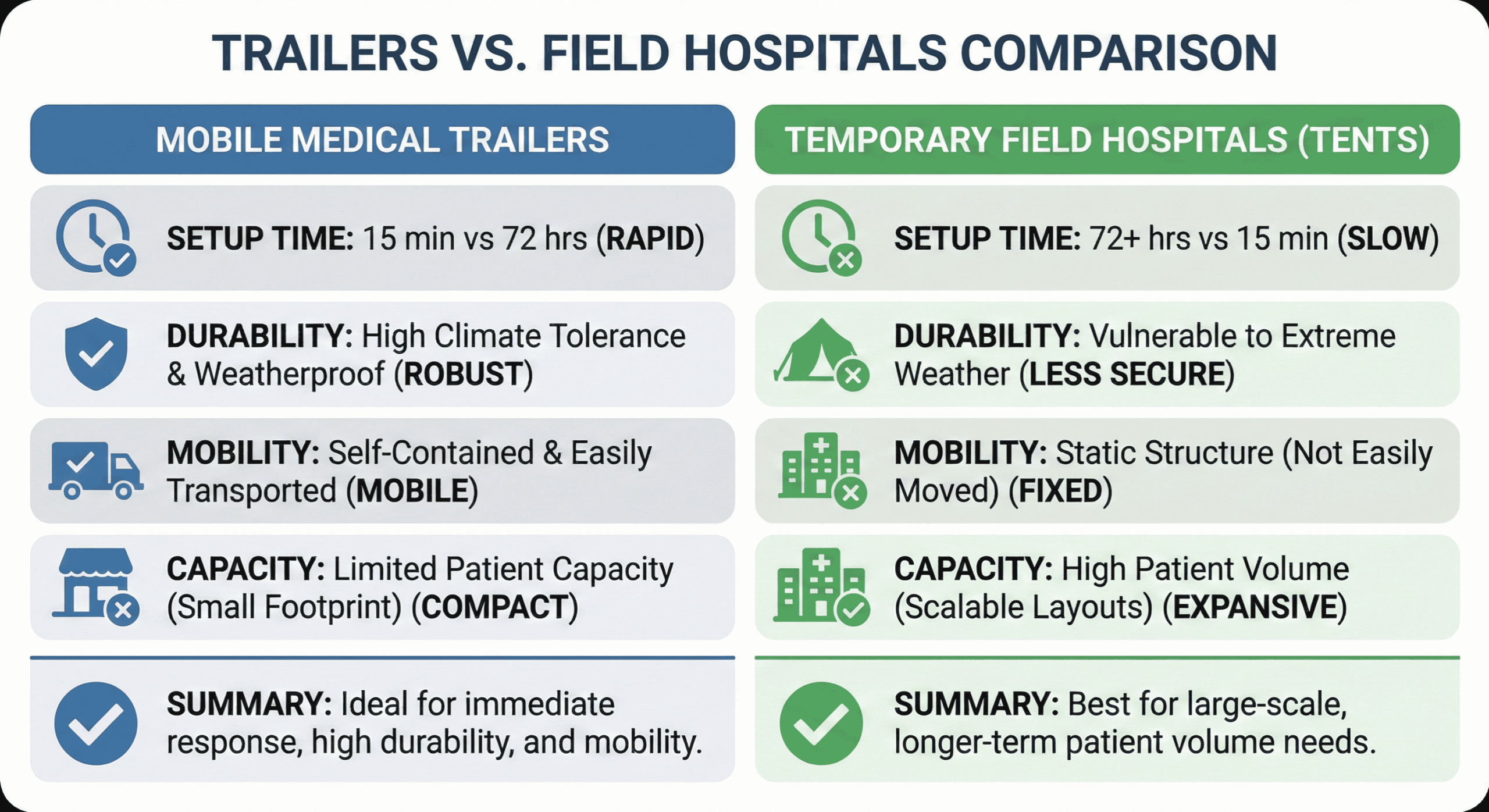
How Do Emergency Medical Trailers Compare to Traditional Field Hospitals and Tents?
Emergency medical trailers offer distinct operational advantages over traditional field hospitals and tents in deployment speed, space efficiency, and mobility. Mobile hospitals provide nearly twice the interior floor space compared to expandable hospital ISO containers while requiring significantly less setup time. The choice between trailers and temporary structures depends on specific emergency scenarios, available resources, and terrain conditions.
Which Scenarios Benefit Most from Using Emergency Medical Trailers?
Fire camps with more than 400 people typically trigger mobile trailer deployment. Early response helps reduce burden on local health authorities and prevents illnesses from developing into severe conditions. Urban areas benefit from 7-minute average EMS response time versus 14+ minutes in rural areas.
Mass gatherings requiring procedural sedation and advanced medical care on-site represent ideal deployment scenarios. Communities where only 4 hospital beds remain free in the entire city, as occurred during Mardi Gras 2006, demonstrate critical capacity needs. Disasters requiring immediate response benefit from trailers that can depart when situations worsen, unlike fixed tent hospitals.
The mobility advantage becomes crucial when rapid evacuation may be necessary. Traditional field hospitals lack this flexibility once established.
What Are the Advantages of Trailers Over Temporary Medical Structures?
The advantages of trailers over temporary medical structures are:
- Setup Speed: 15 minutes for mobile shelters versus 20-60 minutes for traditional expandable containers
- Storage Efficiency: Single container holds entire 650 sq ft medical shelter versus 375 sq ft for expandable containers
- Deployment Time: Immediate deployment capability versus ~72 hours for larger field hospitals
- Durability: Tested for 100+ setup cycles without mechanical failure
- Temperature Range: Fabric withstands -80°F to +130°F
- Maintenance: Virtually maintenance-free once setup
- Mobility: Can respond immediately and depart when needed
BLU-MED storage demonstrates superior efficiency with a single 8.53′ x 3.28′ x 3.94′ roto-mold container housing an entire 20′ x 32.5′ medical shelter. This compact storage enables faster transportation and deployment compared to traditional tent hospitals requiring multiple containers.
What Limitations Should Be Considered When Using Emergency Medical Trailers?
Limitations of emergency medical trailers include constrained staffing capacity, infrastructure challenges, and operational barriers in damaged or remote environments. Infrastructure challenges include damaged roads, vehicle malfunctions, limited healthcare capacity, frequent relocations, and disrupted utilities.
Poor network access in outreach locations creates coordination challenges between response teams. A 2012 study following floods in Bangladesh documented high transportation costs as a significant barrier. Medical shelters prove difficult to deploy in special rescue-site terrain requiring flat supporting surfaces.
Limited local healthcare capacity and disrupted infrastructure reduce referral and follow-up capabilities. Conflicting tasking between domestic medical coordination cells and EMT Coordination Cell (EMTCC) complicates operations. These limitations require careful planning to ensure emergency medical trailers complement rather than complicate disaster response efforts.
What Are the Key Benefits of Using Emergency Medical Trailers for First Responders and Communities?
The key benefits of emergency medical trailers for first responders and communities include improved survival rates, enhanced operational efficiency, and increased healthcare accessibility during critical situations. These mobile units bridge the gap between disaster onset and full medical infrastructure recovery while reducing strain on existing healthcare systems.
How Do Emergency Medical Trailers Improve Patient Outcomes During Emergencies?
Emergency medical trailers improve patient outcomes through rapid on-site intervention and advanced care delivery. The Pacaembu Field Hospital achieved a 99.8% survival rate for 1,499 COVID-19 patients admitted during the pandemic. Hospital-at-home programs using mobile units showed mean length of stay shorter by one-third—3.2 days versus 4.9 days for traditional facilities.
Mobile care units increase acute care efficiency by over 36%. Autonomous mobile clinics demonstrated positive patient satisfaction with a 20-minute tolerance advantage over usual care settings. Early response through mobile trailers prevents illnesses and injuries from developing into severe conditions.
Following Hurricane Helene, mobile units provided transitional care for 116 patients over 12 days until permanent facilities became operational. On-site advanced medical care consistently produces lower morbidity and mortality rates compared to delayed transport scenarios.
In What Ways Do These Trailers Enhance Operational Efficiency for Medical Teams?
These trailers enhance operational efficiency by reducing emergency department burden and providing dedicated treatment spaces. Each mobile clinic results in an average of 600 fewer emergency room visits annually. During the Blue Cut Fire response, treating 13 patients generated an estimated $10,000 in medical care savings for the U.S. Forest Service.
Mobile units reduce lost man-hours by providing medical services directly on scene. NFPA Standard 1710 establishes a 5-minute first response time goal for 90% of incidents—mobile trailers help meet this standard. Medical teams gain dedicated spaces to congregate, escape environmental elements, and recuperate between patient encounters.
Telemedicine integration amplifies efficiency gains. Physician telemedicine usage increased from 43% to 88% after the pandemic, enabling remote specialist consultations. Mobile technology-driven delivery models effectively reduce unnecessary emergency department ambulance transports, preserving resources for critical cases.
How Can Emergency Medical Trailers Be Customized to Meet Specific Community Needs?
Emergency medical trailers can be customized through modular configurations targeting specific populations and medical specialties. There are primary care configurations serving 41% of mobile clinic users, dental department setups serving 28%, mammography units serving 13%, and pediatric configurations serving 11%. Low-income populations represent 55% of all mobile clinic users, driving customization toward accessible primary care.
Madison County’s unit features 5-bed infrastructure for extended patient care. Modular designs accommodate trauma care, infectious disease containment, and diagnostic units. Private telehealth booths with soundproofed spaces enable confidential patient-doctor interactions in community settings.
Multiple slide-outs allow wide variety of internal configurations for medical use. These customizable layouts ensure emergency medical trailers match specific community health profiles, from rural primary care gaps to urban specialty service needs, maximizing impact where traditional healthcare infrastructure falls short.
What Factors Should Organizations Consider When Choosing or Deploying an Emergency Medical Trailer?
Organizations should consider regulatory compliance, operational capacity, and long-term maintenance requirements when choosing or deploying an emergency medical trailer. The selection process determines response effectiveness during disasters and community health emergencies.
What Are the Critical Regulatory and Compliance Considerations?
The critical regulatory and compliance considerations for emergency medical trailers include multiple federal and international standards. The International Mechanical Code (IMC) establishes minimum requirements for HVAC system safety and performance. NFPA 99 Health Care Facilities Code governs safe delivery of medical gases and associated HVAC demands.
The Facility Guidelines Institute (FGI) 2018 outlines three classification levels for mobile clinics. Organizations seeking hospital partnerships benefit from ISO 9001 Certification for quality management standards. AS9100D Standards apply to aerospace quality in safety-critical applications.
Federal oversight includes DOT Regulations covering roadworthiness, weight distribution, braking systems, and lighting. The FDA regulates mobile medical apps meeting FD&C Act section 201(h) definition. State-level requirements vary, including:
- Written and electronic service records
- Mobile clinic permits
- Annual registration fees
Joint Commission International (JCI) enforces telehealth standards ensuring safe, reliable care delivery. The WHO Classification and Minimum Standards for Emergency Medical Teams (June 2021) provides international deployment guidelines. Organizations must verify compliance across all applicable jurisdictions before deployment.
How Should Organizations Assess Size, Capacity, and Layout Requirements?
Organizations should assess size, capacity, and layout requirements based on team composition and patient volume projections. Standard DMAT teams require accommodation for 35 personnel. EMT type 1 mobile units must provide minimum 50 patients per day according to WHO recommendations.
Bed capacity configurations include:
- 7 general care beds
- 4 critical care beds
- 2-bed operating room
Field hospitals range from 15 to 100-bed medical facilities. Attached air-conditioned tents accommodate 88 additional cots. Trailers extend up to 53 feet with expanding wings producing workspaces up to 1,000 square feet.
|
Equipment Type |
Performance Attribute |
Measured Value |
|
Personal computers |
Heat output |
2,050 BTUh |
|
Monitors |
Heat output |
820 BTUh |
|
Gas chromatographs |
Heat output |
11,130 BTUh |
|
Personnel |
Heat contribution |
450 BTUh per person |
These heat outputs directly affect HVAC system requirements and must factor into capacity planning.
What Are the Maintenance and Longevity Considerations for Emergency Medical Trailers?
The maintenance and longevity considerations for emergency medical trailers are maintenance costs representing 23% of annual operating expenses. Annual operating costs average $275,000 depending on services, patient volume, vehicle type, and distance traveled. Operating expenses range from $300,000 to $2.5 million annually with specialized services increasing costs.
BLU-MED medical shelters demonstrate 100+ setup cycles without mechanical failure. Temperature tolerance testing confirms fabric withstands -80°F to +130°F. Once deployed, BLU-MED mobile field hospitals require virtually no maintenance.
Self-sustaining capability extends to 48 hours, reducing dependency on external support. Mobile HVAC systems maintain efficiency from -25°F to 115°F. These durability specifications ensure reliable performance across diverse deployment scenarios while minimizing operational disruptions during critical response periods.
How Are Emergency Medical Trailers Transported, Installed, and Maintained?
Emergency medical trailers are transported, installed, and maintained using specialized logistics, standardized setup procedures, and ongoing maintenance protocols to ensure rapid deployment and sustained readiness. Transportation involves DOT-compliant vehicles and strategic positioning, while installation follows standardized procedures that enable operational status within minutes to hours. Ongoing maintenance ensures these critical assets remain deployment-ready at all times.
What Transportation Requirements Are Needed for Rapid Deployment?
The transportation requirements for rapid deployment of emergency medical trailers include 48-hour deployment capability, specialized chassis design, and strategic fleet positioning. DMATs deploy to disaster sites within 48 hours with supplies for 72 hours of operations. MED-1 fits into 2 standard-size tractor trailers for efficient transport. Frontline Medical maintains a fleet of 15 forty-foot trailers staged across California for quick deployment.
Mobile MRI trailers use custom-designed chassis with 17″ deep welded aluminum I-beams for structural integrity. The operating temperature range spans -34°C to +50°C for imaging vehicles. DOT compliance requirements cover roadworthiness, weight distribution, braking systems, and lighting. A single 8.53′ x 3.28′ x 3.94′ roto-mold container transports an entire 650 sq ft medical shelter.
These transportation specifications enable emergency medical trailers to reach disaster sites quickly while maintaining equipment integrity during transit.
What Are the Steps Involved in Setting Up an Emergency Medical Trailer On-Site?
The steps involved in setting up an emergency medical trailer on-site are rapid deployment procedures that range from 10 minutes to 72 hours depending on trailer type. BLU-MED Medical Shelters set up in less than 15 minutes. Alaska XP Medical Shelter System requires 10-12 minutes setup time. MED-1 deploys in 1 hour with slide-out walls expanding one trailer into a 90-square-meter hospital.
Traditional expandable containers require 20-60 minutes setup time. Larger field hospitals become operational within 72 hours of site arrival, dependent on size, staffing, and site preparation. Deployment requires flat supporting terrain for shelter hospital placement. Setup includes deployment of attached air-conditioned tents accommodating 88 additional cots.
According to a 2021 WHO Emergency Medical Teams classification study, these rapid setup capabilities enable medical teams to begin patient care within the critical first hours of disaster response.
What Routine Maintenance Practices Ensure Ongoing Readiness?
Routine maintenance practices that ensure ongoing readiness include regular testing, temperature tolerance verification, and infection control protocols. Maintenance represents 23% of annual operating costs for emergency medical trailers. BLU-MED mobile field hospitals are virtually maintenance-free once setup. Self-sustaining capability for 48 hours reduces maintenance requirements during deployment.
Equipment undergoes testing for 100+ setup/strike cycles without mechanical failure. Temperature tolerance testing ensures fabric withstands -80°F to +130°F. State requirements mandate written/electronic service records and annual registration fees. Infection control protocols include rigorous cleaning of non-porous antimicrobial surfaces.
A 2020 study on mobile medical unit pandemic response found that proper maintenance protocols enabled over 2,000 trailers to continue providing care during COVID-19, demonstrating the critical importance of readiness maintenance.
These maintenance practices keep emergency medical trailers in constant readiness for immediate deployment when disasters strike.
How Does Craftsmen Industries Address Emergency Medical Trailer Needs?
Craftsmen Industries addresses emergency medical trailer needs through ISO-certified manufacturing and custom configurations ranging from primary care units to advanced surgical facilities. The company delivers ADA-compliant mobile medical solutions with prices spanning $125,000 to $800,000 based on size, function, and equipment specifications. These emergency response vehicles incorporate modular designs with multiple slide-outs, enabling rapid deployment for disaster relief, mass casualty events, and community health emergencies.
What Solutions Does Craftsmen Industries Offer for Emergency Medical Response?
Craftsmen Industries offers emergency medical response solutions through three vehicle categories with distinct pricing tiers. Smaller vans and buses cost $120,000 to $250,000 for primary care or vaccination units. Larger trailers exceed $600,000 for advanced diagnostics, surgical procedures, or lab services. The complete pricing range spans $125,000 to $800,000 depending on configuration.
Manufacturing standards include ISO 9001 and AS9100D certifications. These certifications ensure quality management systems meet hospital and NGO requirements for safety-critical medical applications.
Custom mobile imaging capabilities encompass:
- MRI systems with 17-inch deep welded aluminum I-beam chassis
- CT scanning equipment
- X-ray diagnostic units
- Ultrasound technology weighing as little as 8 ounces
HVAC systems meet ASHRAE 170 and FGI 2018 classification standards. Temperature control maintains 68°F to 78°F with HEPA filtration providing minimum 50 cfm exhaust in patient areas. Class 3 facilities feature high air changes per hour with strict humidity control for invasive procedures.
ADA-compliant designs incorporate wheelchair ramps, lifts, widened entry doors, and accessible restroom layouts. Modular interior configurations utilize multiple slide-outs accommodating trauma care, infectious disease containment, and diagnostic specialties. These expandable designs create workspaces up to 1,000 square feet from standard 53-foot trailers.
What Are the Key Takeaways About Emergency Medical Trailers Explained We Covered?
The key takeaways about emergency medical trailers include market growth projections and operational effectiveness metrics. The emergency response trailer market will grow from USD 200 million in 2024 to USD 400 million by 2033 at 8.0% CAGR. The broader mobile medical trailer market expects expansion from USD 2,480 million in 2024 to USD 5 billion by 2035.
Cost-effectiveness metrics demonstrate significant value:
- Pacaembu Field Hospital: $1,046.55 to $6,839.24 cost per life saved
- Each mobile clinic: 600 fewer emergency room visits annually
- Acute care efficiency: 36% improvement through mobile care delivery
|
Category |
Key Metric |
Value |
|
Rapid deployment shelters |
Setup time |
15 minutes |
|
Standard field hospitals |
Setup time |
72 hours |
|
Annual operating costs |
Range |
$275,000-$2.5 million |
|
Telemedicine market |
2032 projection |
USD 791.04 billion |
These emergency medical trailers serve 55% low-income populations while reducing burden on traditional healthcare infrastructure. Craftsmen Industries positions its solutions within this expanding market through certified manufacturing processes and customizable configurations meeting diverse emergency response requirements.
Filter Posts by Tag
related posts
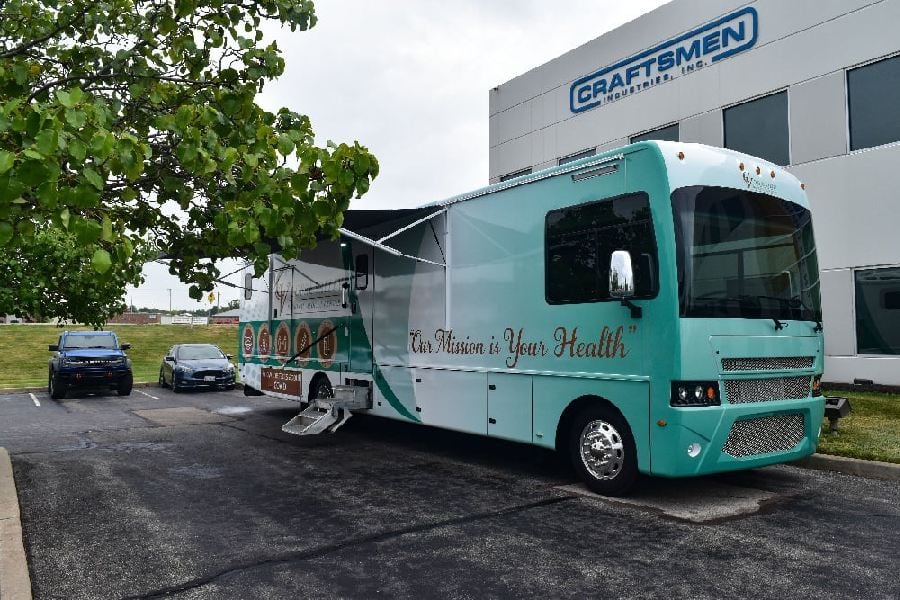
Discover how mobile clinics efficiently vaccinate children. Learn the benefits, and logistics of pediatric vaccinations in mobile healthcare settings.
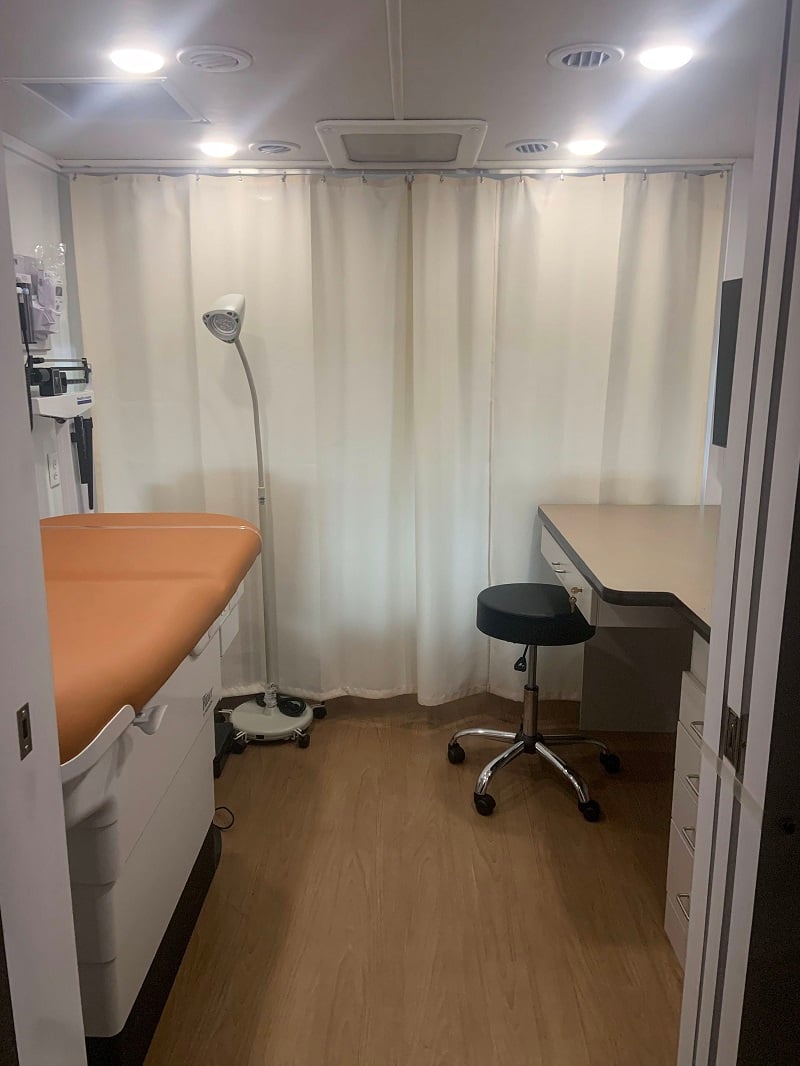
Mobile medical vehicles benefit communities. Discover ways to effectively introduce them to your community for maximum impact.
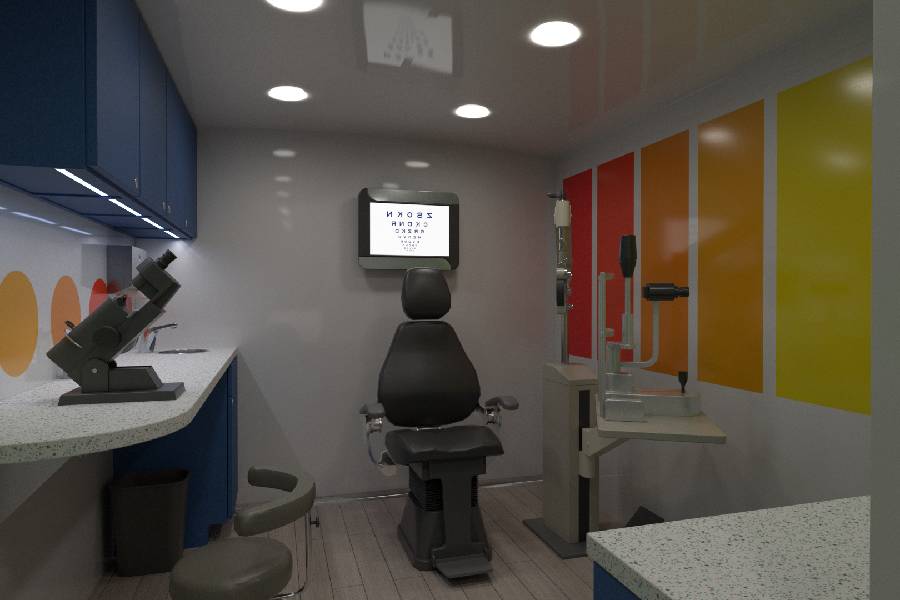
Interior design trends for mobile medical coaches include minimalism and user-friendliness. Click here to learn how to optimize your mobile medical clinic.
