
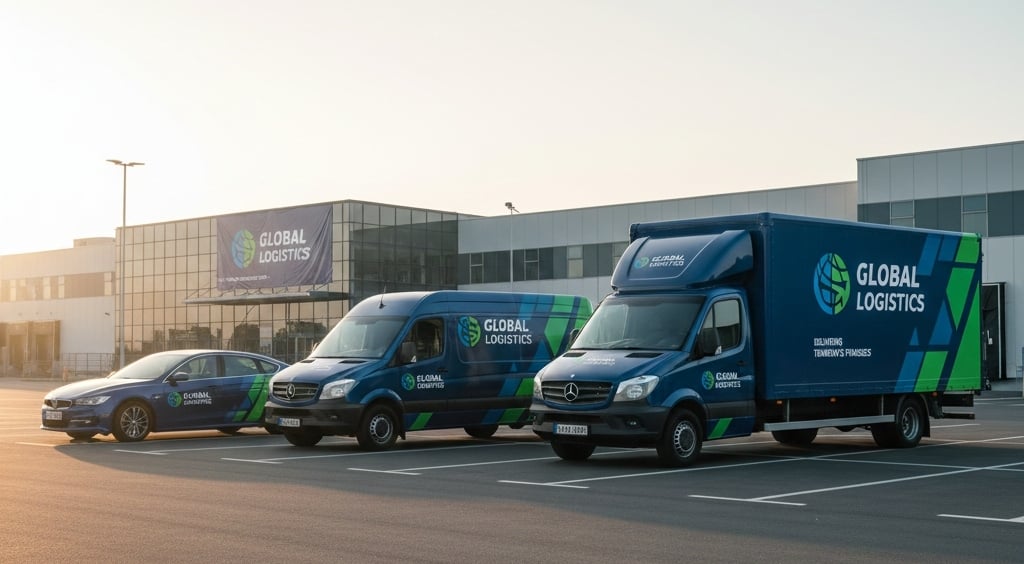
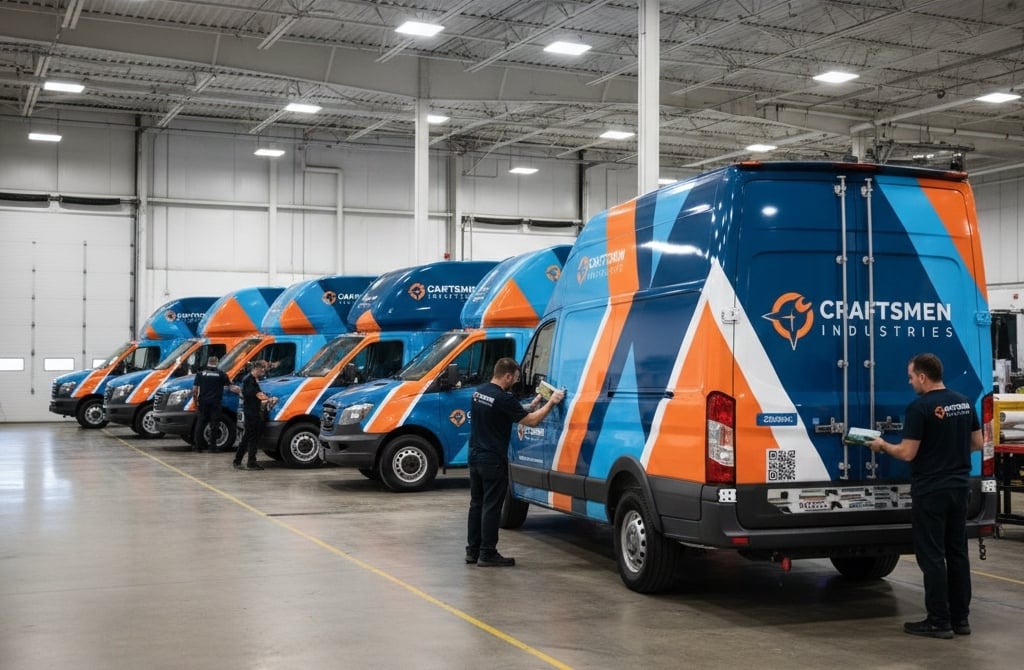
Fleet branding involves placing logos, graphics, or whole vehicle wraps on a company’s fleet, ensuring all vehicles share a unified, branded look.
According to recent data from LookupAPlate, vehicle wrap advertising generates 40,000 to 70,000 daily impressions per wrapped vehicle. In comparison, its cost per thousand impressions is approximately $0.48, which is significantly lower than traditional outdoor options, such as billboards.
As road traffic and outdoor advertising regain strength post-pandemic, branding a fleet has become more valuable than ever.
In this guide, you’ll learn what fleet branding really costs, how to plan it properly, key factors that affect success, and how to maximize return on your investment.
Cost of Branding a Vehicle Fleet
The cost of branding a vehicle fleet depends on vehicle size, coverage type, and how many vehicles are being wrapped. Below are average price ranges:
- Small cars: $1,500 – $2,500
- Vans: $2,000 – $4,000
- Box trucks: $3,000 – $5,000
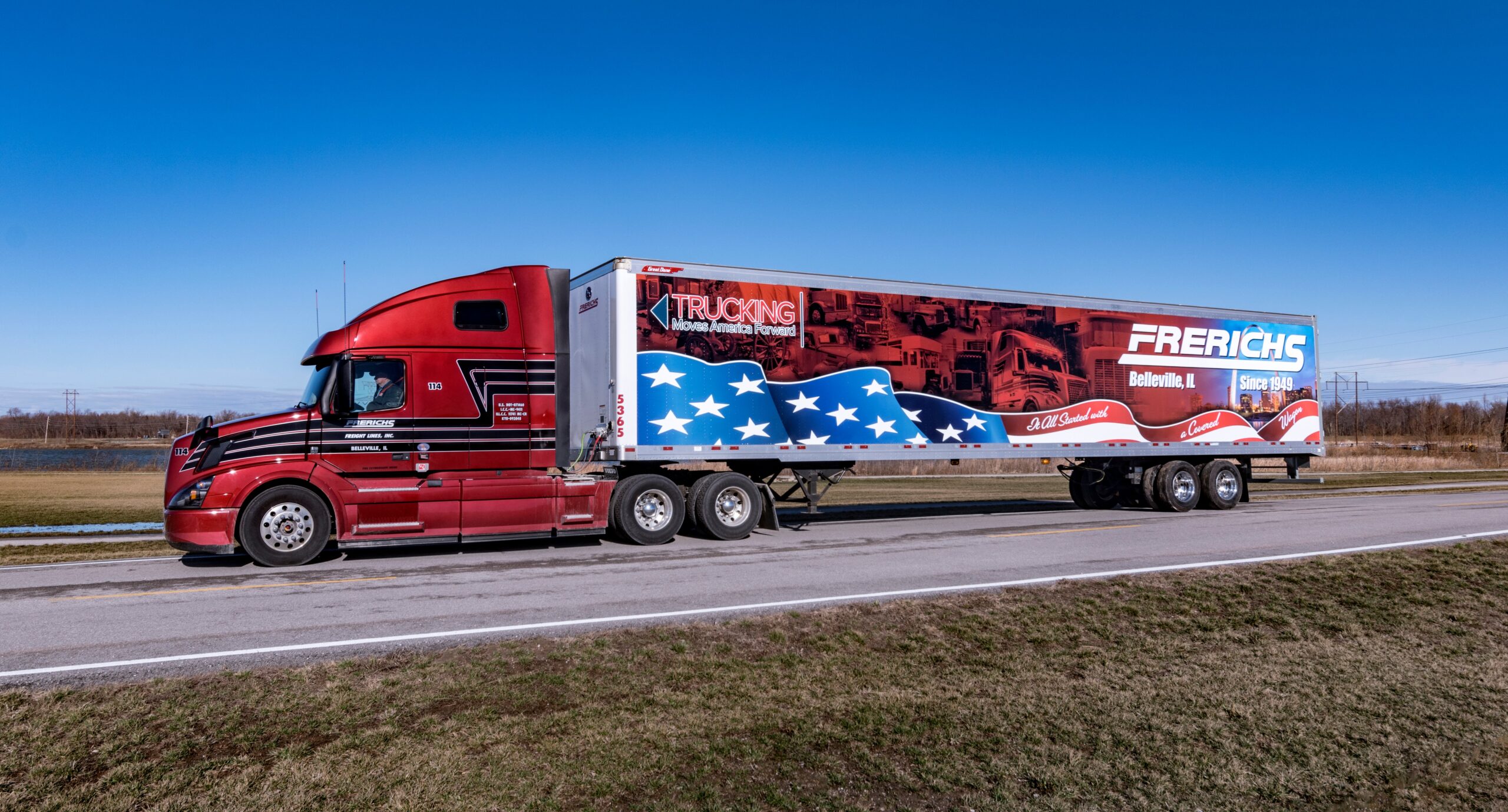
- Semi-trailers: $5,000 – $8,000+
Coverage type also impacts pricing. Full wraps create the most visual impact but cost more, while partial wraps and spot decals are more affordable options for businesses on tighter budgets.
Vehicle Wrap Advertising Statistics: The average cost per thousand impressions (CPM) for vehicle wrap advertising is $0.48, which is the lowest among all primary out-of-home advertising channels.
How much does it cost to wrap a fleet of 10 vans?
A full wrap for 10 vans typically ranges from $20,000 to $40,000, depending on the design complexity, materials chosen, and the vendor’s installation process.
Planning a Fleet Branding Project
Planning ensures consistent branding across all vehicles, regardless of size or shape. Businesses must set goals, such as increasing brand awareness, standardizing appearance, or supporting a marketing campaign.
Key planning steps include:
- Identifying vehicle types: Cars, vans, box trucks, or trailers.
- Designing for consistency: Ensuring logos, colors, and taglines are uniform but adjusted to fit different shapes.
- Considering compliance: Keeping DOT numbers and safety markings visible.
A study found that consistent branding across all assets can increase revenue by 20%. A well-planned fleet branding project contributes directly to this consistency.
Can I use different designs for different vehicles in my fleet?
Yes, but maintaining brand consistency is critical. Variations can exist, but the core colors, logos, and key messaging should remain uniform.
Choosing Between Wraps, Decals, and Paint
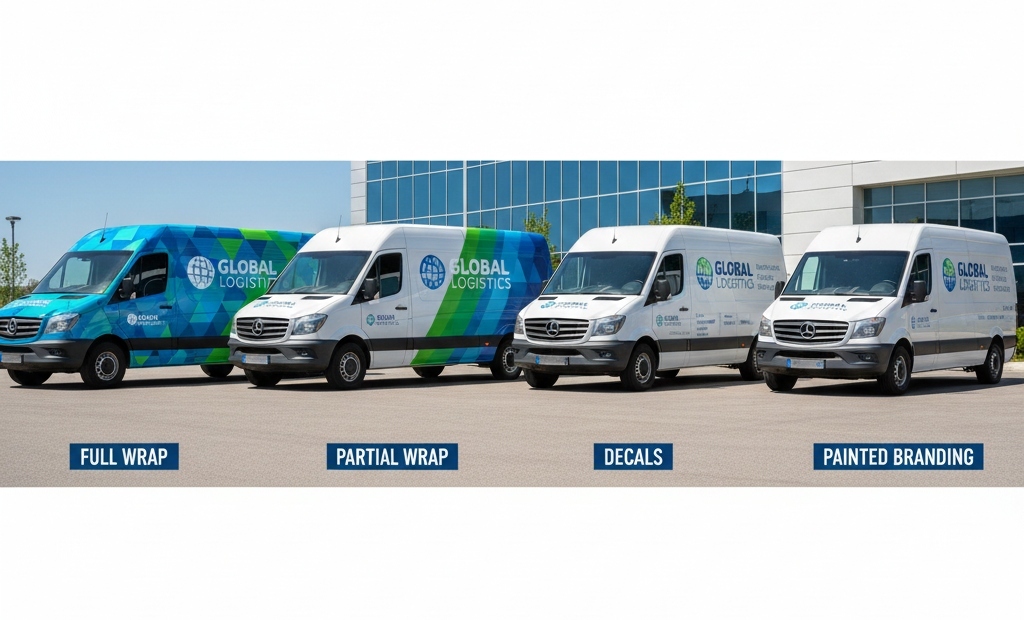
When it comes to branding a vehicle fleet, companies have several options. The right choice depends on budget, campaign goals, and how long the branding needs to last.
1. Full Wraps
A full vehicle wrap covers the entire surface of the car, van, truck, or trailer. This option offers maximum brand visibility and enables eye-catching, creative designs. Full wraps also act as a protective layer for the original paint, shielding it from UV rays and minor scratches.
2. Partial Wraps
Partial wraps cover selected panels, such as the sides, hood, or rear doors. They are less expensive than full wraps but still deliver a substantial brand impact. Businesses often use partial wraps when they want to highlight specific graphics or reduce costs without sacrificing visibility.
3. Spot Graphics and Decals
Spot graphics or decals are smaller branding elements, such as logos, slogans, or contact details, placed strategically on vehicles.
This is the most budget-friendly option, ideal for small businesses or companies seeking consistent and straightforward branding across multiple platforms.
4. Paint Branding
Painting vehicles with custom colors or logos is a more permanent solution. While it can create a professional look, it’s less flexible than wraps; designs cannot be updated easily, and repaints are required when branding changes.
According to a 3M Commercial Graphics Whitepaper, vinyl wraps are designed for durability and provide the added benefit of protecting the vehicle’s original paint from sun exposure and minor abrasions.
Unlike painted branding, which is prone to fading, chipping, and weather damage, wraps can maintain a consistent, professional look for years with proper installation and care. This makes wraps a more practical and cost-effective solution for many fleets.
Is vinyl wrapping better than painting for branding?
Yes. Vinyl wrapping is typically more affordable, easier to update, and better at protecting a vehicle’s original paint. Unlike paint, wraps can be fully or partially replaced without needing a complete refinishing job.
The Process of Fleet Branding
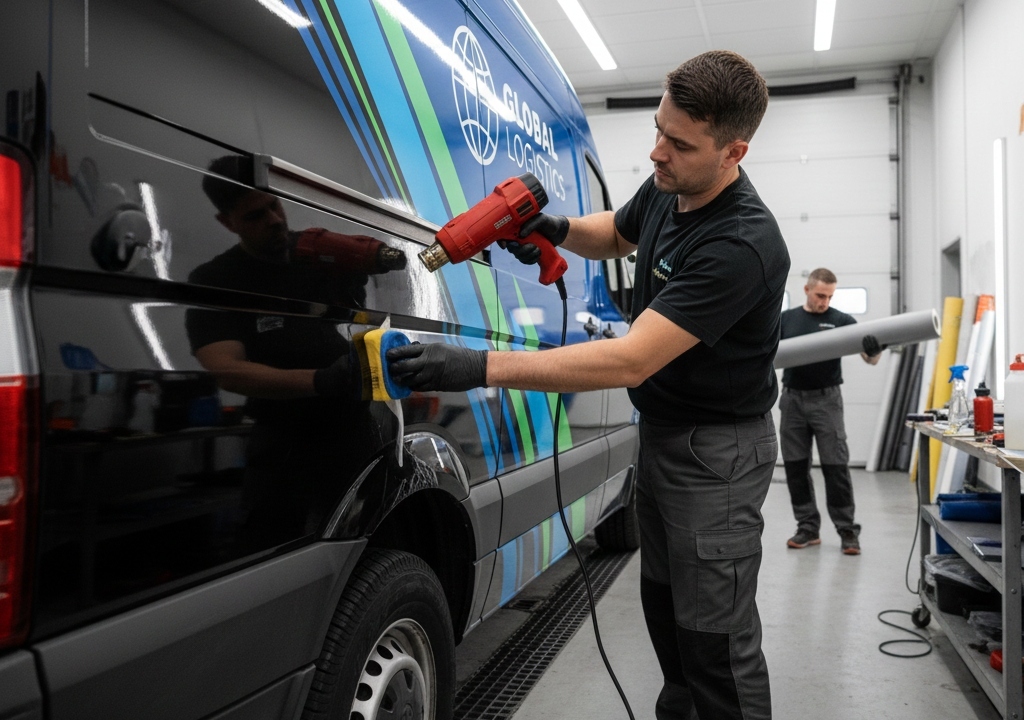
Fleet branding is a detailed and structured process that ensures every vehicle becomes a professional extension of the brand.
- Design Phase: The process begins with the design stage, where creative teams develop mockups tailored to each type of vehicle, taking into account size, shape, and surface contours.
- Material Selection: Once the design is finalized, high-quality, UV-resistant vinyl is selected to withstand outdoor conditions and maintain vibrant colors over time.
- Printing: With materials chosen, the graphics move into production. Using advanced, high-resolution printing equipment, the artwork is reproduced with sharp detail and accurate color matching to reflect brand standards.
- Installation: Finally, installation brings the project to life. Professional installers carefully apply the graphics to each vehicle, a process that usually takes between one and three days, depending on the complexity and size of the fleet.
Maintaining and Extending the Life of Fleet Wraps
Fleet wraps are built to last, but proper maintenance plays a significant role in maximizing their lifespan.
- Average Lifespan: Standard vinyl wraps generally remain in good condition for three to five years, while premium-grade vinyl can extend durability to as many as seven years.
- Care and Maintenance: To keep the graphics looking fresh, regular hand washing with mild soap and water is recommended. Harsh chemicals, abrasive scrubbing, and high-pressure washing should be avoided to prevent damage or premature fading.
- Replacement and Refresh Cycles: Most businesses opt to refresh their wraps every five to seven years, not only to account for natural wear and tear but also to reflect updated branding or new marketing campaigns. With the right care, a well-designed fleet wrap continues to deliver strong brand visibility and a professional image throughout its intended life cycle.
Compliance and Legal Considerations
Fleet branding isn’t only about design; it must also meet legal and safety standards. Ignoring these rules can lead to fines or issues with insurance claims.
- DOT compliance: The Federal Motor Carrier Safety Administration (FMCSA) requires commercial vehicles to display USDOT numbers, company names, and other identifiers clearly.
- Local and state laws: Some areas restrict the use of reflective or neon vinyl that may distract drivers. Many states also limit how much of a vehicle’s windows can be covered, while plates and lights must always remain visible.
- Insurance requirements: Insurers often require wraps to be documented in policies so that any damage, replacement, or removal is fully covered. Without this, repair costs may not be reimbursed.
By addressing compliance early, businesses can keep their vehicles both branded and road-legal.
Do I need special permits for fleet branding?
In most cases, no. But you must comply with DOT regulations, state laws, and local ordinances. Confirm requirements with your local Department of Transportation before wrapping a fleet.
Choosing a Fleet Branding Partner
The right partner ensures high-quality, consistent results. Look for companies offering:
- End-to-end services (design, fabrication, installation).
- Experience with large fleets.
- Case studies and client references.
Research on ResearchGate shows that professional branding strengthens a company’s credibility and recognition, while DIY or inconsistent efforts often weaken visibility. In fleet branding, working with experts ensures more consistent results and more substantial brand impact across all vehicles.
Should I work with one provider for all my vehicles?
Yes, using a single provider ensures consistency, reduces the cost per unit, and speeds up project delivery.
The Value of Fleet Branding
Branding your entire vehicle fleet is one of the smartest investments in marketing today. It delivers unmatched visibility, keeps your brand consistent, and provides one of the lowest costs per impression compared to other advertising channels.
With the proper planning, materials, and professional installation, your fleet becomes a moving billboard that builds recognition everywhere it goes.
Ready to Take the Next Step? Contact Craftsmen Industries today for a customized fleet branding solution that fits your business goals.
Frequently Asked Questions
1. How long does it take to design a fleet wrap before installation?
The design phase typically lasts 1-3 weeks, depending on the complexity of the graphics, adherence to brand guidelines, and the speed at which revisions are approved.
2. Can a fleet wrap be removed without damaging the vehicle?
Yes, when installed and removed by professionals, vinyl wraps can be taken off cleanly without harming the factory paint.
3. Are fleet wraps environmentally friendly?
Many wrap materials, especially those from major suppliers like 3M, are eco-conscious and use recyclable components. Wraps can also extend the life of vehicles, reducing the need for repainting.
4. Do wraps affect fuel efficiency?
No, properly applied wraps do not impact fuel efficiency. They add only a minimal layer of material that doesn’t affect vehicle aerodynamics or weight in any noticeable way.
5. Can seasonal or promotional graphics be applied temporarily?
Yes, short-term vinyl films are available for seasonal campaigns, product launches, or limited promotions. These can be removed or replaced quickly without long-term commitment.
Filter Posts by Tag
related posts
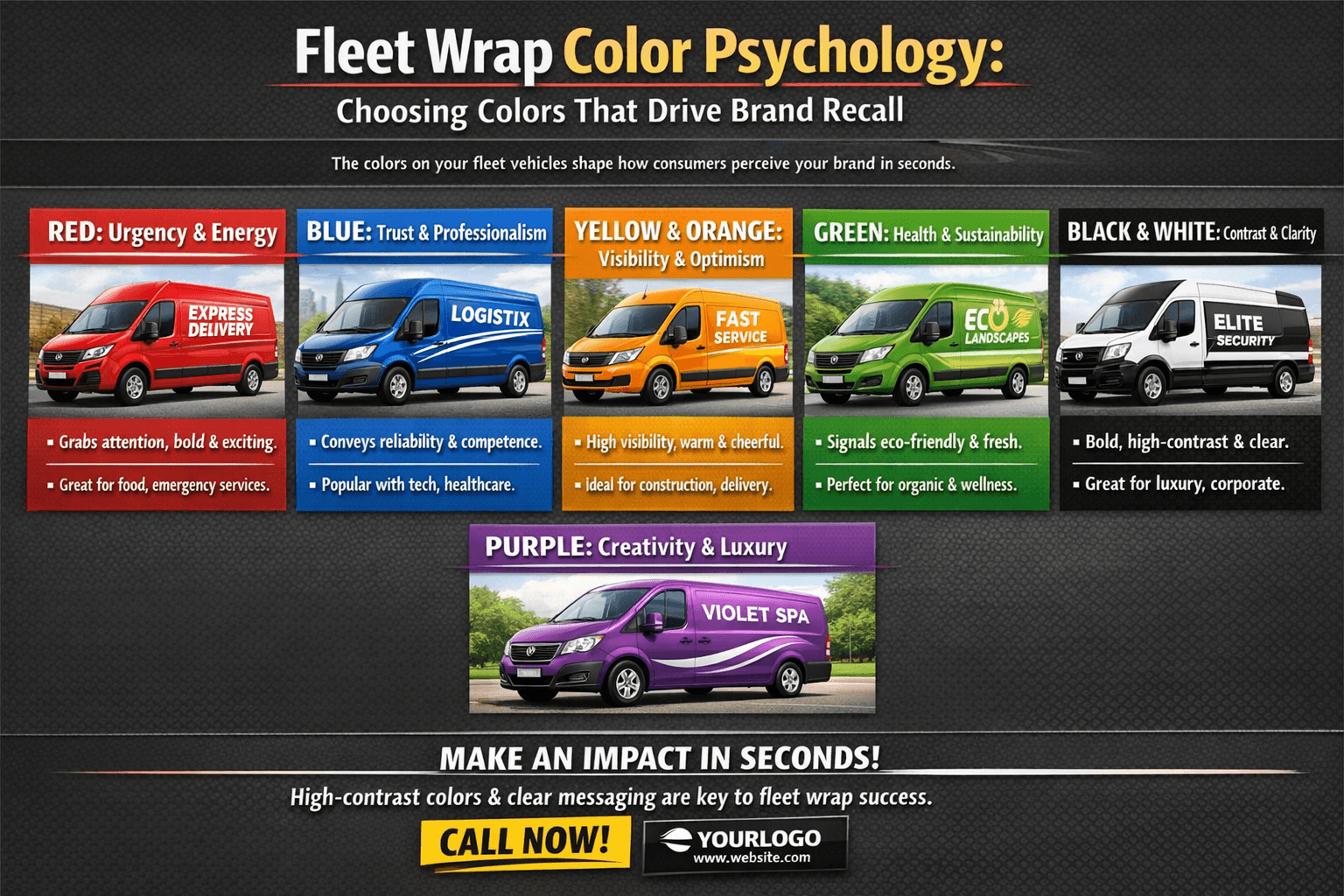
Fleet wrap color psychology is the strategic application of color [...]
Turning a vehicle into a mobile billboard is an excellent advertising strategy. But are fleet wraps durable? Learn from experts and find out where to get them.
Complete fleet wrap services include planning, design, premium materials, expert installation, and maintenance for long-lasting,consistent mobile branding.
