


Have you ever been to a mall or zoo with a “face in the hole” photo prop? You, or your kids, run behind the board and make ridiculous faces. Someone in the group snaps some photos from the front where you look like colorful cartoon characters. If this setup rings a bell in your memory bank, then guess what? You have participated in a successful experiential marketing.
In truth, being a participant in an experiential marketing campaign is not a rare occurrence. This style of visitor engagement can be the key to successful branding and customer retention in today’s advertisement-saturated world.
What is Experiential Marketing?
Experiential Marketing is an experience linked to a brand that taps into a participant’s emotions and senses to become a positive memory. When a visitor is immersed in a brand through experiential marketing, they are much more likely to become a loyal customer, share the experience through word of mouth and social media and come back for more in the future. All of these results are extremely beneficial to a brand.
Memorability is one of the greatest focuses of any experiential marketing campaign. Therefore, the overriding principles of experiential marketing center around what makes an experience stand out. Research has shown that a memorable experience almost always has three characteristics:
- It is novel
- It is attention-grabbing
- It brings out emotions
The Five Senses:
Since all experience is filtered through the five senses, experiential marketing is the art of tying what a person sees, smells, hears, feels, or tastes with what is original, attention-grabbing and connected to a person’s emotions.
Taste:
If you are in the food and beverage industry, this is an easy one. Humans need food to survive, we are emotionally connected to calories. Good tasting foods build a positive emotional connection with not only the food, but the place where we had the experience. Many brands that sell consumable products take advantage of this biological reality.
Costco sample stalls and ice cream flavor tests are some of the most common experiential marketing strategies that involve taste. Many businesses that are not actively selling food can still add taste into the brand’s experience. Airlines that offer water and a piece of fudge on short domestic flights or a simple bowl of free mints on a reception counter are subtle examples.
Smell:
Smell is often thought of as less impactful than the other senses. However, studies have found that 80% of the flavor we process comes from smell. Ignoring our sense of smell when trying to immerse a customer in your brand is an oversight. Krispy Kreme Donuts creates a capital experience for visitors by letting the aroma of fresh donuts wash through the entire store and out onto the street. This scent, combined with displaying the donut-making process to the public, is exceptional experiential marketing by the Krispy Kreme brand.
Sound:
What a participant hears while at a location can greatly influence their emotional state, and by extension, how well they remember the place and brand. The key to using music in experiential marketing is focusing on the novel aspect of memorable experiences. A top charts radio station will not create a memorable experience because it is most likely the same songs a participant hears in every store, in the car and at home. Bringing in live music by hiring a local street artist, braving a 70s playlist or even pleasant nature sounds are all ways to escape the mainstream and leave an impression on visitors.
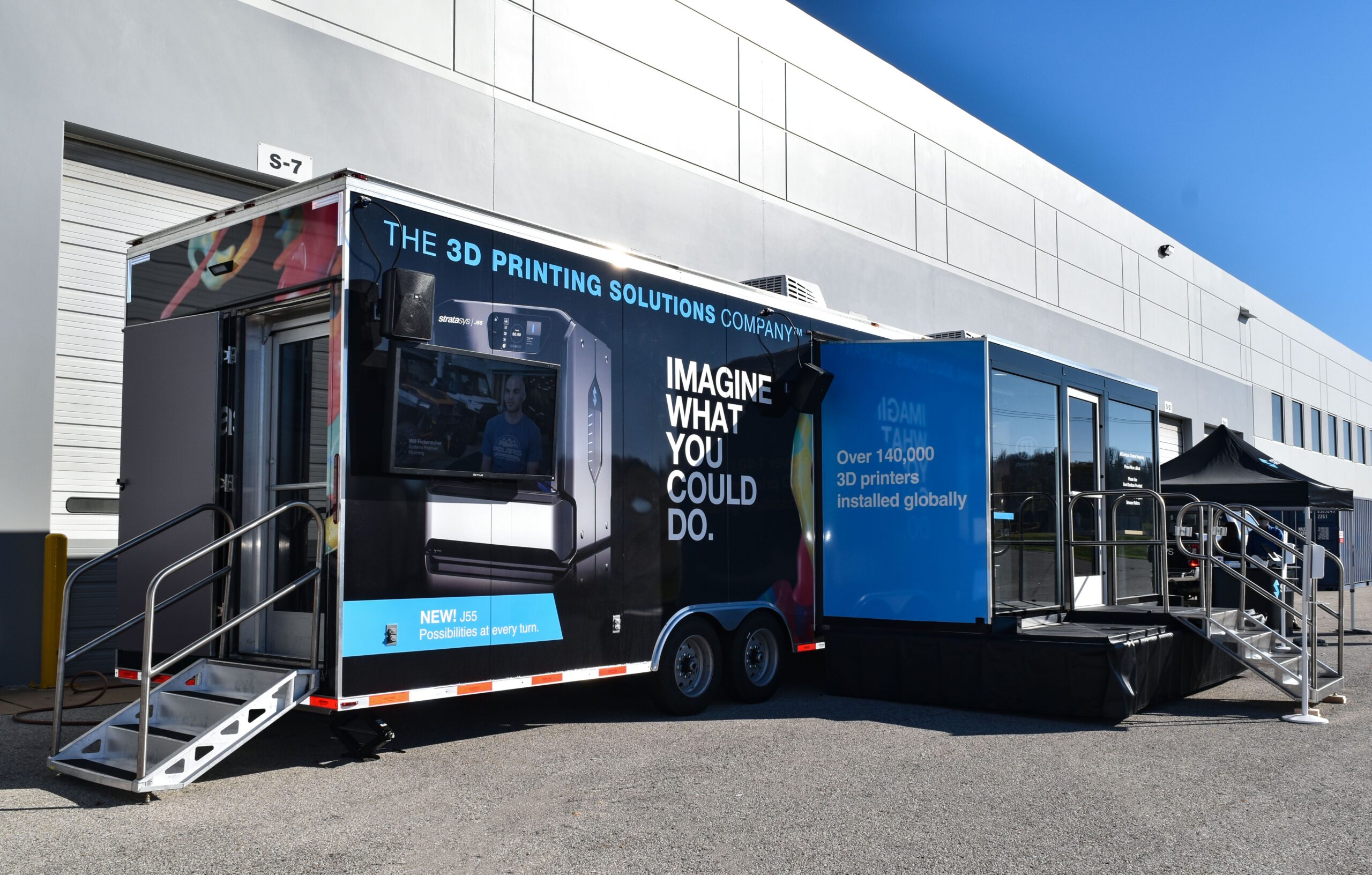
If you’re a tech company…
Touch:
Experiential marketing ploys that tap into what we physically feel are extremely effective. During the cold winter months, a salon and hairstyling company created a larger-than-life hair blower on a busy street corner that blew warm air out for pedestrians. Feeling warm on chilly afternoons created positive emotions towards the brand providing much desired warmth. Less extreme experiences that tap into physical sensations could include floor graphics like a hopscotch game for children to use or extraordinarily comfortable waiting room furniture.
Sight:
The most important factor in using sight in experiential marketing is the participant’s engagement in creating the scene. A section in a mall labeled with a large vinyl “Gratitude Wall” sign provided sticky note cards visitors could write something they were thankful for and add to the overall display. The final effect was impressive, and the theme of gratitude, although not specific to the brand, created positive emotions that participants linked to the brand’s reputation. Other large format wall graphics that inspire photoshoots effectively create a fun experience and are often shared on social media.
The best experiential marketing campaigns combine multiple senses to achieve the three characteristics of memory: a novel, attention-grabbing, and emotionally linked experience. On the outset, experiential marketing may seem like a large effort compared to simple radio advertisements or sale schedules. However, taking note of the thriving businesses in your area and worldwide, it is apparent that experiential marketing is the key to a successful brand. Customers deeply appreciate not being treated as a number but instead sharing a memorable experience with others and feeling alive.
Filter Posts by Tag
related posts

Are you looking for information on how to turn a utility trailer into an enclosed trailer? Check out the step-by-step guide on how to do it successfully.

Experiential marketing is an innovative marketing method. Discover how it differs from traditional marketing strategies.
With the rise in mobile marketing and mobile experiences, mobile showrooms can provide unique, on demand experiences. So what makes them so versatile?
