

Marketing your business effectively to your target audience is essential to build brand awareness and grow your customer base. Could experiential marketing be the key to connecting with consumers? Keep reading to find out what experiential marketing is and how your organization could benefit from using it.

Creating Experience For The Consumer
When it comes to experiential versus traditional marketing, everything you need to know is in the name. Experiential marketing is all about creating an experience for the consumer. It focuses more so on how the consumer feels, instead of just a specific product or service.
Traditional marketing strategies often focus on a monetary outcome, whereas an experiential marketing strategy instead looks at ways to engage the consumer. This type of marketing helps to build customer loyalty as well as increasing brand awareness in a much more drastic way than traditional strategies.
Consumers like the reliability and personalization of brands as it creates a better connection between the business and consumer. The emotions and interactions a person has with a business that is related to experiential marketing can be a much more memorable experience that helps them to associate your business with positive things.

Choosing Between Experiential and Traditional Marketing Strategies
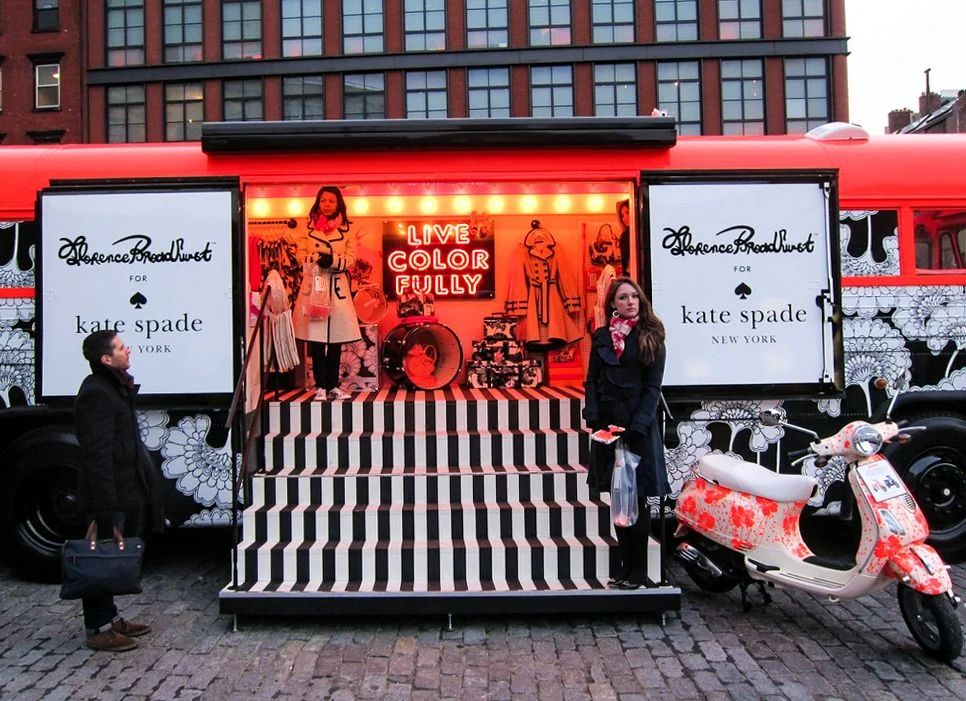
Experiential marketing is a kind of marketing that focuses on creating immersive, interactive experiences for consumers that engage their senses and emotions. It is designed to create a lasting impression on consumers and to get them actively involved in the marketing campaign.. Some examples of experiential marketing include events, product demonstrations, interactive displays, and pop-up shops.
On the other hand, traditional marketing refers to more traditional advertising methods, such as TV and radio commercials, print advertisements, and billboards.
It is difficult to say which marketing is the “better” option, as a marketing campaign’s effectiveness depends on various factors, such as the target audience, the product or service being marketed, and the overall marketing goals.
Both experiential and traditional marketing can be effective when used appropriately and in the right context. For example, experiential marketing may be more effective for engaging consumers hands-on, immersively, and creating a lasting impression. This type of marketing can be particularly effective for products or services that are difficult to understand or visualize or for companies that want to build a strong emotional connection with their customers.
At the same time, traditional marketing may be more effective for reaching a wide audience quickly and at a lower cost. They can also be useful for reinforcing the message of an experiential marketing campaign or for promoting products or services that are well-known and widely recognized.

The Best Marketing Approach Depends on Your Business Goals
Experiential marketing is the practice of engaging customers through memorable experiences. It involves creating interactive and immersive customer experiences, such as product demonstrations, workshops, live events, or other unique activities that resonate with a brand’s target audience. This type of marketing typically goes beyond traditional advertising campaigns to create an emotional connection between the consumer and the brand.
On the other hand, traditional marketing strategies are less direct and often rely on passive methods such as television commercials or print ads. These tactics can be effective in reaching large numbers of people, but there is no guarantee that they will result in desired outcomes. For example, television commercials often require viewers to take action in order to participate, and print ads can be easily overlooked.
When it comes to which is the better option between experiential marketing and traditional marketing strategies, it really depends on your specific business goals. Experiential marketing is ideal for creating an emotional connection with customers and building brand loyalty. On the other hand, traditional marketing strategies are more effective at reaching large numbers of people quickly. Ultimately, you should choose the strategy that best aligns with your overall objectives.
Gabriel Dylan
Engaging and Immersive Experiences
Experiential marketing, also known as “participation marketing,” “event marketing,” or “live marketing,” is a type of marketing strategy that entails giving customers fully engaging, immersive experiences. These experiences can take many forms, such as live events, product demonstrations, interactive exhibits, and more. One key way to differentiate experiential marketing from traditional marketing strategies is by the level of interaction and engagement it offers consumers.
Traditional marketing strategies, such as print, radio, and TV ads, are typically one-way forms of communication that do not allow for much interaction or engagement from the consumer. Experiential marketing, on the other hand, allows consumers to actively participate in and engage with the marketing message.
Another way to differentiate experiential marketing from traditional marketing is the level of impact it can have on consumers. Traditional marketing strategies can be effective at reaching a large audience, but they may not be as effective at creating a lasting impression on individual consumers. Experiential marketing, on the other hand, can be highly effective at creating a memorable, emotional connection with consumers, which can lead to increased brand loyalty and advocacy.
Overall, experiential marketing differs from traditional marketing strategies in its focus on creating interactive, immersive experiences for consumers, as well as its potential to create a stronger emotional connection with them.
Irene
Three Ways Experiential Marketing is Unique
Here are a few key differences between experiential marketing and traditional marketing:
Focus: Experiential marketing is focused on creating a personal, interactive experience for the consumer, while traditional marketing is focused on delivering a message or promoting a product or service.
Engagement: Experiential marketing is designed to be highly engaging and interactive, encouraging consumers to participate and engage with the brand. Traditional marketing is typically more passive, with the consumer simply receiving the message being delivered.
Duration: Experiential marketing campaigns are often short-term and focused on a specific event or activity, while traditional marketing campaigns can be longer-term and more ongoing.
Which is the better option? It’s difficult to find the best between experimental and traditional marketing. It solely depends on you.
Here are a few factors to consider when deciding which approach is best for your campaign:
Objectives: Experiential marketing may be a good option if your goal is to create a strong emotional connection with consumers and build brand loyalty.
Budget: Experiential marketing can be more expensive than traditional marketing, as it often involves creating physical events or activations that require resources and logistics.
This is a crowdsourced article. Contributors’ statements do not necessarily reflect the opinion of this website, other people, businesses, or other contributors.
{% end_module_attribute %}{% module_attribute “css” %}{}{% end_module_attribute %}{% module_attribute “child_css” %}{}{% end_module_attribute %}{% end_module_block %}Filter Posts by Tag
related posts

Explore how mobile showrooms help brands connect with consumers on the go, offering personalized, face-to-face experiences that drive awareness and loyalty.

Are you looking for information on how to turn a utility trailer into an enclosed trailer? Check out the step-by-step guide on how to do it successfully.
Explore how fashion trucks bring style to the streets. Learn how to launch, market, and grow a mobile boutique that attracts customers on the go.
