
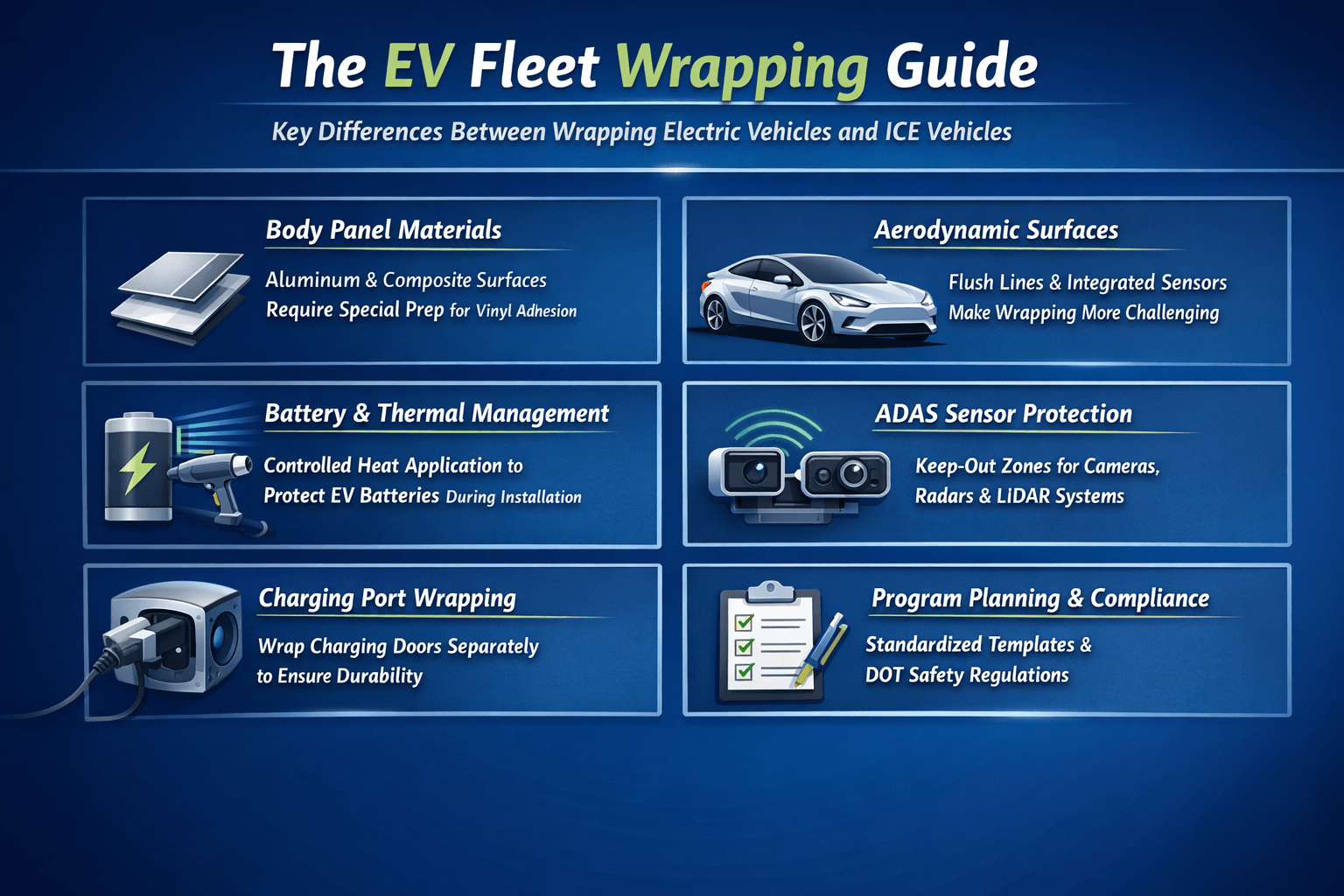
Wrapping electric vehicle fleets is a specialized process that requires adapting vinyl application techniques to EV-specific body materials, surface designs, sensor systems, and thermal profiles. These vehicles differ fundamentally from traditional ICE fleets in ways that affect every stage of a wrap program.
This guide covers EV body and surface challenges, vinyl material selection, battery and thermal management during installation, ADAS sensor protection, fleet preparation and maintenance, program-scale planning, and regulatory compliance.
EVs use aluminum and composite panels that demand tailored surface preparation for reliable vinyl adhesion, while their smooth, aerodynamic body lines and flush hardware create installation challenges rarely encountered on conventional vehicles.
Choosing the right cast vinyl film involves more than matching a color; film thickness and finish type directly affect whether ADAS radar, cameras, and LiDAR units can function safely beneath or adjacent to wrapped surfaces.
Battery placement and the absence of engine heat change how installers manage surface temperatures, heat gun use, and long-term durability. Regenerative braking introduces unique vibration patterns that stress adhesive bonds in areas ICE vehicles never test.
Sensor keep-out zones must be mapped for every EV model before a single panel is wrapped. Covering a forward-facing camera or radar module, even with premium film, can disable critical safety systems and create fleet-wide liability.
Proper fleet preparation includes ceramic coating removal, electronic system protection, and pre-wrap surface decontamination calibrated to each substrate type. Maintenance schedules then shift to account for EV-specific stress points at charging ports, flush handles, and lower body panels.
At program scale, template standardization across mixed EV models, accurate downtime planning, total cost benchmarking against repainting, and DOT visibility compliance all determine whether a wrap program delivers consistent results or creates operational setbacks.
Why Does Wrapping EV Fleets Differ From Wrapping ICE Fleets?
Wrapping EV fleets differs from wrapping ICE fleets because electric vehicles use different body panel materials, feature smoother aerodynamic surfaces, and lack traditional engine heat. These three factors change how vinyl adheres, how installers handle complex contours, and how wraps cure and perform over time.
How Do EV Body Panel Materials Affect Wrap Adhesion?
EV body panel materials affect wrap adhesion because many electric vehicles use aluminum and composite substrates instead of traditional steel. Aluminum, widely adopted by EV manufacturers for weight reduction, requires thorough surface preparation before vinyl application. Premium vinyl wraps bond best with properly primed surfaces and do not adhere reliably to bare or improperly treated metal. According to SAE International, carbon fiber-reinforced thermoplastic composite door designs for mid-size SUVs can achieve a 42.5% weight reduction while meeting all performance requirements. These lightweight composites introduce surface energy variations that demand material-specific priming protocols. For fleet managers, this means each EV model may require a tailored prep process to ensure consistent adhesion across every vehicle in the program.
Why Do Smooth Aerodynamic EV Surfaces Create Installation Challenges?
Smooth aerodynamic EV surfaces create installation challenges because their flush body lines, integrated sensors, and minimal panel gaps leave little room for tucking vinyl edges. Many EVs eliminate traditional seams and protrusions to reduce drag, which forces installers to work with long, uninterrupted surface spans where air bubbles and wrinkles become more visible. Sensor placement adds another layer of complexity. According to SEMA News, a radar sensor misalignment of just 1 degree can subtract approximately 10% of its effective range, while a 3-degree misalignment can reduce range by 50%. Installers must avoid covering or shifting ADAS sensors during application. Following the “12 x 12 Rule,” or removing sensors and wrapping them separately, helps maintain sensor functionality without compromising the wrap design.
How Does the Absence of Engine Heat Change Wrap Performance?
The absence of engine heat changes wrap performance by eliminating the passive thermal energy that ICE vehicles generate under the hood, which traditionally aided vinyl curing and conformability in front-end sections. Electric vehicles produce significantly less ambient surface heat during operation. For most car wrap vinyl, the safe application temperature range is 90°F to 140°F (32°C to 60°C), while post-heat after installation can reach up to 212°F (100°C), according to VinylFrog. Without engine-generated warmth, installers must rely entirely on controlled heat gun application to achieve proper adhesion and conformability. This controlled approach actually benefits consistency across fleet vehicles, since every panel receives uniform heat treatment rather than variable thermal conditions influenced by engine proximity.
What EV-Specific Surface and Body Design Challenges Affect Wrapping?
EV-specific surface and body design challenges that affect wrapping include flush door handles, hidden sensors, charging port doors, panoramic glass roofs, composite panels, and integrated badge and camera systems. Each feature requires a distinct installation approach.
How Do You Wrap Around Flush Door Handles and Hidden Sensors?
You wrap around flush door handles and hidden sensors by carefully cutting vinyl to follow recessed contours and isolating sensor zones to preserve function. Flush handles sit nearly level with the body panel, leaving minimal edge relief for tucking vinyl. Installers must precision-trim around each handle pocket without leaving exposed paint lines.
Hidden sensors present a separate concern. According to SunCollision, the recommended practice for ensuring ADAS sensor compatibility is to follow the “12 x 12 Rule” or remove sensors from the vehicle and wrap them separately. This prevents film layers from interfering with ultrasonic or radar signals embedded behind body panels. For fleet-scale projects, documenting each sensor location per EV model before installation begins saves significant rework time.
What Approach Works for Wrapping EV Charging Port Doors?
The approach that works for wrapping EV charging port doors involves wrapping each door as an individual component, matching alignment and finish to the surrounding panels. Charging ports on EVs sit in high-use zones that endure repeated opening, closing, and contact with charging connectors. Vinyl applied across the hinge line tends to crack or lift without separate panel treatment.
As Ryan Nopps of Nopps Wrap Inc. explains, “When wrapping chrome, I will individually wrap the sensor in a black material. This will insure the sensor works properly if the metallized layer causes interference.” The same principle of isolating components applies to charging port doors, where metallic or chrome-finish vinyl near embedded sensors could disrupt proximity detection.
How Do Panoramic Glass Roofs Limit Wrappable Surface Area?
Panoramic glass roofs limit wrappable surface area by replacing traditional metal roof panels with glass that cannot accept vinyl adhesion. Many EV models, including popular Tesla and Rivian configurations, feature glass spanning from the windshield header to the rear hatch. This eliminates one of the largest continuous surfaces normally available for branded fleet graphics.
Installers must recalculate total wrappable square footage for each EV model during the template phase. Side panels, hoods, rear fascias, and lower rocker panels become the primary branding zones. For fleet programs requiring maximum visual impact, compensating with bolder graphics on remaining surfaces is often the most practical solution.
How Do Composite and Aluminum EV Panels Respond to Vinyl?
Composite and aluminum EV panels respond to vinyl differently than traditional steel body panels due to variations in surface energy, texture, and thermal conductivity. Aluminum, used extensively in vehicles like the Ford F-150 Lightning, conducts heat rapidly during installation, which can cause vinyl adhesive to activate unevenly. Composite panels made from carbon fiber-reinforced polymers may feature micro-texture variations that affect bond consistency.
Proper surface preparation is essential for both materials. Thorough cleaning with isopropyl alcohol, followed by adhesion promoter application on low-energy composite surfaces, helps vinyl bond reliably. Installers experienced with mixed-material EV bodies know to adjust heat gun dwell time for aluminum sections, since the metal dissipates heat faster than steel.
What Issues Arise When Wrapping Over EV Badge and Camera Systems?
The issues that arise when wrapping over EV badge and camera systems include obstructed camera lenses, disrupted sensor signals, and compromised badge illumination. Many EVs integrate forward-facing cameras, radar modules, and illuminated brand badges directly into front fascias and tailgates. Vinyl applied over these components can degrade image clarity for driver-assistance cameras or block light output from backlit emblems.
The safest practice is to cut out vinyl around each badge and camera housing with precision templates rather than wrapping over them. For fleet vehicles with dozens of sensor-integrated badges, pre-mapped cut files specific to each EV model streamline the process considerably.
With surface-level design challenges addressed, selecting the right vinyl film ensures these installations perform over the full life of the wrap.
Which Vinyl Films and Materials Work Best on Electric Vehicles?
The vinyl films and materials that work best on electric vehicles are cast vinyl films with conformable adhesive systems, sensor-safe thicknesses, and durable finishes rated for high-airflow surfaces. The following sections cover cast film performance, ADAS sensor transparency, and finish durability.
Which Cast Vinyl Films Perform Best on Curved EV Body Lines?
Cast vinyl films perform best on curved EV body lines because their thin, conformable structure stretches evenly over complex contours without tenting or bridging. EVs feature pronounced fender flares, sculpted aero panels, and tight radius edges that calendered films struggle to follow without distortion.
Cast films use solvent-based manufacturing that produces a thinner, more pliable sheet, allowing installers to wrap deep recesses and compound curves common on electric vehicles. Proper surface preparation is essential for adhesion success. According to TeckWrap, premium vinyl wraps bond best with properly primed surfaces and do not adhere well to bare metal. Since many EV panels use aluminum or composite substrates, confirming that factory primer and clearcoat are intact before application prevents adhesion failure. For fleet-scale projects, specifying cast vinyl from the outset avoids costly rework on vehicles with aggressive body styling.
How Does Film Thickness Affect ADAS Sensor Transparency?
Film thickness affects ADAS sensor transparency by adding material layers that can attenuate radar signals, scatter camera input, or block ultrasonic pulses. Even fractions of a millimeter matter when vinyl covers sensor windows.
Excessive paint or film thickness can compromise sensor transparency, potentially leading to ADAS calibration failures. Certain finishes compound the problem: films with metalized layers or chrome finishes create signal noise and obstruct a parking sensor’s ability to identify range accurately. Sensor degradation, as defined by the U.S. Department of Transportation, refers to the impact of physical or environmental factors on ADAS perception sensor performance, including reduced range and point returns.
OEM restrictions reflect these risks directly. Rivian explicitly prohibits non-XPEL film applications near ADAS sensor zones, recognizing that even high-quality vinyl wraps can disrupt radar and camera functions. For fleet managers, this means specifying non-metallic, minimal-thickness films in all sensor-adjacent areas is not optional; it is a safety and liability requirement.
What Finishes Hold Up Best on EV Surfaces Exposed to Airflow?
The finishes that hold up best on EV surfaces exposed to airflow are satin, matte, and gloss cast vinyl with high-performance laminates. These finishes resist micro-abrasion from sustained highway speeds where aerodynamic body lines channel air directly across panel surfaces.
Gloss finishes with UV-protective overlaminate maintain color vibrancy longest under continuous airflow exposure, while satin and matte options hide minor surface imperfections better on flat aero panels. Textured or carbon-fiber pattern finishes tend to accumulate road debris in their surface relief, accelerating wear on high-airflow zones such as front fascias and rocker panels. For fleet vehicles logging high daily mileage, smooth-surface laminates with ceramic or nano-coating compatibility offer the best long-term value. Selecting the right finish at the material specification stage prevents premature replacement cycles across an entire EV fleet.
With materials selected for EV-specific demands, managing battery and thermal factors during installation becomes the next critical step.
How Does Battery and Thermal Management Affect the Wrap Process?
Battery and thermal management affect the wrap process by introducing temperature constraints, heat tool risks, and durability challenges unique to EVs. The following subsections cover surface temperature limits, heat gun safety near battery enclosures, and thermal cycling effects on wrap longevity.
What Surface Temperature Limits Apply During EV Wrap Installation?
Surface temperature limits during EV wrap installation fall within a safe application range of 90°F to 140°F (32°C to 60°C), according to VinylFrog’s heat gun temperature guide for car wraps. Post-heat after installation can reach up to 212°F (100°C) for final conforming and edge sealing.
EV body panels present a unique challenge because battery packs mounted beneath the floor can radiate residual heat upward, especially after fast charging or extended driving. Installers should measure panel temperatures with an infrared thermometer before applying film. If surfaces exceed 140°F, the vehicle needs a cool-down period in a climate-controlled bay. Rushing application on overheated panels causes premature adhesive activation, trapping air and reducing bond quality.
Can Heat Guns Used in Wrapping Damage EV Battery Enclosures?
Yes, heat guns used in wrapping can damage EV battery enclosures if applied carelessly near underbody panels. Most battery housings sit directly beneath the cabin floor, separated by thin composite or aluminum shielding. Concentrated heat directed at rocker panels, wheel arches, or lower body sections can transfer through these barriers.
I-CAR recommends removing the high-voltage battery disconnect or HV fuse and locking it in a lock box as part of a certified safety procedure when working on EVs. While wrapping typically does not require full HV disconnection, installers should avoid prolonged heat application below 12 inches from the floor line. Keeping heat gun passes brief and using lower temperature settings near battery zones minimizes risk without compromising film conformability.
How Does EV Thermal Cycling Affect Long-Term Wrap Durability?
EV thermal cycling affects long-term wrap durability by subjecting vinyl to repeated expansion and contraction patterns that differ from traditional combustion vehicles. The absence of internal combustion engines in EVs eliminates traditional engine heat concentrated at the hood and front fascia. Instead, EVs generate heat from battery packs and electric drivetrains positioned lower in the chassis, creating distinct thermal zones across body panels.
Regenerative braking compounds this effect. Because regenerative braking is the main mode of vehicle braking in electric vehicles, it produces heat cycles at the rear axle and underbody that conventional vehicles do not experience. Over thousands of cycles, these temperature fluctuations stress adhesive bonds along lower body wraps, rocker panels, and rear quarter sections. Selecting vinyl rated for extended thermal ranges and scheduling regular edge inspections helps fleet managers catch early lifting before it spreads.
With thermal factors addressed, protecting ADAS sensors during installation becomes the next critical consideration.
What ADAS Sensor and Camera Considerations Must You Address?
You must address keep-out zones, sensor-specific wrapping techniques, and camera or radar transparency when wrapping EVs equipped with ADAS. The following subsections cover which sensors need clearance, how to handle LiDAR and ultrasonic units, and the consequences of covering forward-facing cameras or radar.
Which EV Sensors Require Keep-Out Zones During Wrapping?
The EV sensors that require keep-out zones during wrapping include forward-facing radar modules, front and rear cameras, ultrasonic parking sensors, and LiDAR arrays. Each sensor type relies on unobstructed signal transmission, so even thin vinyl layers can degrade performance if applied within designated exclusion areas.
According to SEMA News, a radar sensor misalignment of only 1 degree can subtract approximately 10% of its effective range, while a 3-degree misalignment can subtract 50% of the range. Vinyl film adds both thickness and surface texture changes that compound this sensitivity. OEM documentation typically defines precise no-repair and no-coverage zones around each sensor. Rivian, for example, designates a front center radar no-repair zone measuring 110mm in height, 40mm in width, and 140mm in length, where only clearcoat may be applied.
For fleet programs, mapping every sensor location across all vehicle models before installation begins is essential. The “12 x 12 Rule,” which recommends maintaining clearance or removing sensors to wrap them separately, provides a reliable baseline for maintaining ADAS functionality.
How Do You Wrap Near LiDAR and Ultrasonic Parking Sensors?
You wrap near LiDAR and ultrasonic parking sensors by maintaining material clearance around each unit and avoiding films that interfere with signal transmission. Ultrasonic sensors emit sound waves to measure distance, and any covering that alters wave propagation reduces detection accuracy.
As reported by Avery Dennison Graphics Solutions, films with metalized layers or chrome finishes can create noise and obstruct a parking sensor’s ability to properly identify range. When a fleet design calls for metallic or chrome vinyl, wrapping installers should individually wrap each sensor in a neutral, non-metallic material to preserve function. Ryan Nopps of Nopps Wrap Inc. recommends wrapping sensors separately in black material to ensure proper operation when metallized films are used on surrounding panels.
LiDAR units present a different challenge because they rely on laser pulses rather than sound. These sensors cover relatively small surface areas but demand complete optical clarity. For fleet-scale projects, creating reusable cut templates that precisely avoid both LiDAR windows and ultrasonic sensor faces saves time while ensuring consistency across dozens of vehicles.
What Happens If Vinyl Covers a Forward-Facing Camera or Radar?
If vinyl covers a forward-facing camera or radar, the ADAS system loses the signal clarity it needs for functions like automatic emergency braking, lane departure warnings, and adaptive cruise control. Even optically clear vinyl alters light refraction enough to degrade camera image quality, while radar signals can scatter or attenuate when passing through film layers.
Excessive material thickness over these components can compromise sensor transparency, which may lead to ADAS calibration failures. Rivian explicitly prohibits non-XPEL film applications near ADAS sensor zones, as even high-quality vinyl wraps can disrupt radar and camera functions. The result is often persistent dashboard warning lights, disabled safety features, or the need for costly post-wrap recalibration.
This risk is amplified at fleet scale. One improperly wrapped sensor across a hundred vehicles creates a systemic safety liability. Documenting every sensor exclusion zone in the wrap template and verifying ADAS functionality after each installation protects both vehicle occupants and fleet operators from preventable failures.
With sensor considerations addressed, preparing the EV fleet’s surfaces and electronics for installation is the next critical step.
How Should You Prepare an EV Fleet for Wrap Installation?
You should prepare an EV fleet for wrap installation by completing thorough surface cleaning, protecting sensitive electronics, and removing any existing ceramic coatings. The following steps cover each critical preparation phase.
What Pre-Wrap Cleaning Steps Are Critical for EV Paint Coatings?
The pre-wrap cleaning steps critical for EV paint coatings include thorough decontamination, surface degreasing, and inspection for defects that could compromise vinyl adhesion. Many EVs use aluminum body panels, and according to an SAE International technical paper (870150), adhesive bonding of aluminum is a critical process in volume car production, underscoring why surface preparation demands precision.
Effective pre-wrap cleaning for EV fleets involves:
- Washing all panels with a pH-neutral automotive soap to remove road grime and debris.
- Clay bar treating painted surfaces to extract embedded contaminants invisible to the eye.
- Wiping every panel with isopropyl alcohol to eliminate oils, waxes, and silicone residue.
- Inspecting for paint chips, corrosion, or uneven texture that could cause vinyl lifting.
Aluminum and composite EV panels respond differently to adhesive contact than traditional steel, making this decontamination sequence non-negotiable for long-term bond integrity.
How Do You Safely Disconnect or Protect EV Electronics During Wrapping?
You safely disconnect or protect EV electronics during wrapping by isolating high-voltage systems and shielding sensitive components before any heat or adhesive contact occurs. Electric vehicles contain battery management systems, onboard charging modules, and dense wiring harnesses positioned behind body panels where installers apply heat guns and pressure.
Key protective steps include:
- Following manufacturer-specific lockout procedures for high-voltage battery disconnects before beginning work near battery enclosures.
- Covering ADAS sensors, cameras, and LiDAR units with protective film or masking to prevent adhesive contamination.
- Avoiding direct heat application near charging port wiring and 12V auxiliary battery connections.
- Documenting the location of every electronic module behind panels using OEM service diagrams.
For fleet-scale projects, standardizing these protective protocols across all vehicles ensures consistent safety and prevents costly electrical damage.
What Role Does Ceramic Coating Removal Play Before Vinyl Application?
Ceramic coating removal plays a critical role before vinyl application because ceramic layers create a hydrophobic, ultra-slick surface that prevents vinyl adhesive from forming a mechanical bond. If left intact, even premium cast vinyl will lift and fail prematurely.
Complete removal requires:
- Polishing the coated surface with an abrasive compound designed to break down ceramic silica layers.
- Using a dedicated ceramic coating remover or chemical stripper on heavily treated panels.
- Verifying removal by testing water behavior on the surface; beading indicates residual coating.
- Performing a final IPA wipe to confirm the panel is fully stripped and adhesive-ready.
Fleet managers often underestimate this step, but skipping ceramic removal is one of the most common causes of premature wrap failure across multi-vehicle programs. Proper preparation at this stage directly influences how well wraps hold up once vehicles return to daily fleet operations.
How Do You Maintain and Remove Wraps on Electric Vehicle Fleets?
You maintain and remove wraps on electric vehicle fleets through scheduled inspections, attention to EV-specific stress factors, and careful heat-assisted removal that preserves factory paint. The sections below cover inspection frequency, regenerative braking effects, and safe removal methods.
How Often Should EV Fleet Wraps Be Inspected for Lifting?
EV fleet wraps should be inspected for lifting every 30 to 60 days, with additional checks after extreme weather exposure. Flush door handles, charging port edges, and sensor boundaries are the most common failure points on electric vehicles because these areas experience repeated micro-movement during daily operation.
A consistent inspection schedule protects more than aesthetics. Vehicle wraps generate 30,000 to 80,000 impressions per day, and 97% of viewers remember a wrapped vehicle, according to Gitnux vehicle wrap marketing data. Lifted edges undermine that brand impact and can worsen rapidly once air infiltrates the adhesive bond. Catching small lifts early allows spot repairs rather than full panel re-wraps, reducing fleet downtime and cost significantly.
For operators managing mixed EV models, standardizing a digital inspection checklist ensures every technician evaluates the same high-risk zones across the fleet.
Does Regenerative Braking Vibration Accelerate Wrap Edge Failure?
Regenerative braking vibration can accelerate wrap edge failure, particularly on lower body panels and wheel-arch areas. According to research published in MDPI Energies, regenerative braking serves as the main braking mode in electric vehicles, with efficiency dependent on adhesion utilization factors that generate distinct vibration profiles compared to conventional friction braking.
These low-frequency vibrations are unique to EVs and create repetitive stress at wrap edges where vinyl meets panel seams. Over thousands of braking cycles, adhesive fatigue compounds, especially near rear quarter panels that absorb the most regenerative force. Standard ICE fleet maintenance schedules do not account for this cumulative effect.
Specifying premium adhesive films rated for vibration resistance on lower body zones is a practical countermeasure many fleet managers overlook. Pairing that film choice with tighter inspection intervals on rear panels keeps wrap integrity intact across an EV fleet’s full service life.
What Is the Safest Removal Process to Protect EV Factory Paint?
The safest removal process to protect EV factory paint combines controlled low-temperature heat application with slow, angle-controlled pulling at 15 to 30 degrees. Heat guns should stay between 90°F and 140°F to soften adhesive without risking thermal damage to underlying coatings or nearby battery enclosure seals.
Key steps for safe EV wrap removal include:
- Warming each panel section evenly before pulling, avoiding concentrated heat on one spot.
- Pulling vinyl slowly at a consistent shallow angle to prevent paint delamination.
- Using adhesive remover formulated for automotive clearcoats to clean residue without chemical damage.
- Keeping heat sources away from ADAS sensor housings and charging port seals.
- Verifying that DOT numbers and driver identification markings remain visible throughout partial removal, as FMCSA guidelines prohibit obscuring this information.
EV factory paint systems, especially on aluminum and composite panels, can be thinner or differently bonded than traditional steel-body finishes. Rushing the removal process or applying excessive heat risks permanent damage that warranty coverage may not address.
With proper removal protocols established, fleet-scale wrap programs can cycle branding updates efficiently without compromising vehicle resale value.
What Fleet-Scale Planning Factors Apply to EV Wrap Programs?
Fleet-scale planning factors for EV wrap programs include template standardization across mixed models, realistic downtime scheduling, and total cost comparison against repainting. Each factor directly affects budget accuracy and operational continuity.
How Do You Standardize Wrap Templates Across Mixed EV Models?
You standardize wrap templates across mixed EV models by creating a modular design system with fixed brand zones and model-specific adaptation layers. Because EVs vary dramatically in body lines, sensor placements, and panel dimensions, a single universal template rarely transfers cleanly from one platform to another.
The most effective approach involves:
- Establishing locked brand elements (logo size, color palette, typography) that remain consistent across every vehicle.
- Building model-specific sub-templates that account for unique contours, charging port locations, and ADAS keep-out zones.
- Digitally mapping each EV model’s surface geometry before production to identify where design elements need repositioning.
For fleets mixing sedans, SUVs, and cargo vans, this modular framework preserves brand cohesion while respecting each vehicle’s unique architecture. A vertically integrated provider with in-house design and printing capabilities can manage this complexity far more efficiently than coordinating between separate vendors.
What Downtime Should You Expect When Wrapping a Full EV Fleet?
The downtime you should expect when wrapping a full EV fleet depends on vehicle size, wrap complexity, and installer capacity. A standard full wrap typically requires two to five business days per vehicle, including surface preparation, installation, and quality inspection.
For larger fleets, staggered scheduling minimizes operational disruption by rotating vehicles through the wrap facility in planned waves rather than pulling the entire fleet simultaneously. According to Wicked Wraps, a full wrap on a standard cargo van typically ranges from $2,800 to $5,000, with fleet pricing for five or more vehicles significantly reducing per-unit cost. That fleet discount often extends to scheduling efficiency as well, since dedicated production runs compress per-vehicle turnaround. Planning for EV-specific steps like sensor masking and charging port protection adds modest time but prevents costly rework.
How Does Total Cost of Wrapping an EV Fleet Compare to Repainting?
The total cost of wrapping an EV fleet is typically 40% to 60% lower than a comparable full repaint, especially when factoring in reduced downtime and reversibility. Repainting requires extensive disassembly, primer application, multi-stage paint processes, and extended curing periods that keep vehicles out of service far longer.
Wrapping offers additional cost advantages specific to EV fleets:
- Factory paint preservation protects resale value, which matters more given EVs’ higher acquisition cost.
- Brand updates require only partial rewraps rather than full repaints.
- Removal leaves the original finish intact, eliminating depreciation from aftermarket paint.
NREL’s Transportation Technology Total Cost of Ownership (T3CO) tool enables levelized life cycle cost assessments of advanced technology vehicles, providing fleet managers a framework to compare wrap and repaint investments against long-term asset value.
With total cost benchmarks established, regulatory and warranty factors determine whether your wrap program stays compliant across every market.
How Do Regulatory and Warranty Factors Affect EV Fleet Wraps?
Regulatory and warranty factors affect EV fleet wraps by determining what markings must remain visible, how color changes are reported, and whether manufacturer coverage stays intact. The sections below cover warranty implications and DOT compliance requirements.
Does Wrapping an EV Void the Manufacturer Battery or Paint Warranty?
Wrapping an EV does not void the manufacturer battery or paint warranty in most cases, provided the vinyl is professionally applied and removed without damaging the original finish. According to a compliance guide published by 201WRAP, wrapping a Tesla does not void the warranty as long as the wrap is professionally installed and removed without causing paint damage.
The key distinction lies in application quality. Poorly executed installations that trap moisture, leave adhesive residue, or require aggressive removal tools can cause paint damage the manufacturer may classify as owner-inflicted. For fleet managers, this makes installer selection a warranty-protection decision, not just an aesthetic one. Maintaining photographic documentation of the vehicle’s paint condition before and after wrapping provides an additional safeguard against disputed warranty claims.
What DOT Visibility and Reflectivity Rules Apply to Wrapped EVs?
DOT visibility and reflectivity rules apply to wrapped EVs in the same way they apply to any commercial motor vehicle. FMCSA guidelines require that driver identification information and DOT numbers remain visible and cannot be obscured by vehicle wraps. Federal regulation 49 CFR 393.11 specifies requirements for lamps, reflective devices, and associated equipment by commercial motor vehicle type.
Key compliance requirements for wrapped EV fleets include:
- DOT numbers and USDOT identifiers must remain fully legible at all times.
- Retroreflective conspicuity sheeting on trailers cannot be covered or compromised by graphic overlays.
- State-level rules may require color change reporting; Arizona, for example, mandates that any wrap changing a vehicle’s primary color be reported to the Motor Vehicle Division.
Fleet operators should treat wrap design as a compliance exercise from the start, not a correction after installation. Building DOT number placement and reflective zones into the initial template eliminates costly rework and keeps vehicles road-legal from day one.
How Can Vertically Integrated Large Format Graphics Improve EV Fleet Wrapping?
Vertically integrated large format graphics improve EV fleet wrapping by consolidating design, printing, and installation under one roof. This reduces handoff errors, accelerates timelines, and ensures quality control across every phase of a complex EV wrap program.
Can In-House Design, Printing, and Installation Streamline EV Fleet Wrap Projects?
Yes, in-house design, printing, and installation can streamline EV fleet wrap projects by eliminating the coordination delays that fragment multi-vendor workflows. When a single provider controls the entire process, designers account for ADAS sensor keep-out zones, flush door handles, and charging port locations from the earliest template stage. Printers then calibrate film selection and output to match those specifications exactly, while installers already understand the design intent.
Craftsmen Industries operates from a 127,000 sq. ft. vertically integrated facility in St. Charles, Missouri, where in-house design, engineering, printing, and installation capabilities allow complete project control. For fleet-scale EV programs requiring consistent branding across mixed models, this integrated approach prevents the miscommunication that typically drives rework, cost overruns, and extended vehicle downtime.
What Are the Key Takeaways About Wrapping Electric Vehicle Fleets?
The key takeaways about wrapping electric vehicle fleets center on preparation, material selection, and sensor awareness:
- EV body panels use aluminum and composite materials that require specific surface preparation for reliable vinyl adhesion.
- ADAS sensors, cameras, and LiDAR units demand precise keep-out zones; covering them compromises safety system performance.
- Thermal management differs from ICE vehicles, affecting both installation technique and long-term wrap durability.
- Film thickness and finish type directly influence sensor transparency, making material selection a safety decision.
- Fleet-scale standardization across mixed EV models requires detailed templates that account for each platform’s unique geometry.
- Regulatory compliance, including DOT visibility requirements and manufacturer warranty terms, must be verified before installation begins.
As major fleet operators scale their EV commitments, with Amazon ordering 100,000 custom electric delivery vehicles from Rivian in 2019, the demand for specialized EV wrapping expertise continues to grow. Craftsmen Industries brings over 40 years of large format graphics experience to these evolving challenges, offering end-to-end project execution from ideation to installation.
Filter Posts by Tag
related posts
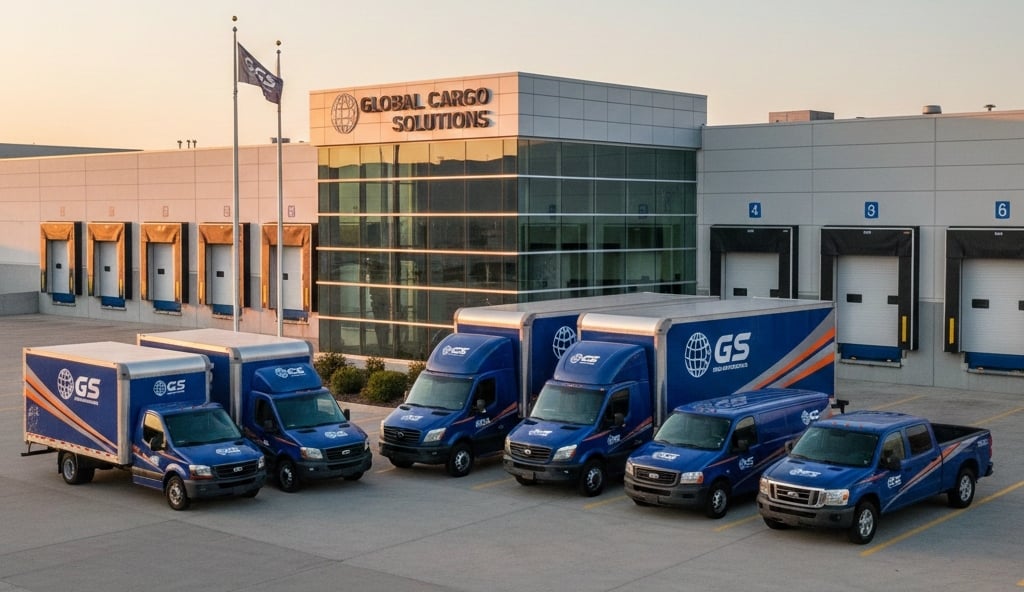
Find reliable fleet wrap and graphics services nationwide. Learn how Craftsmen Industries ensures consistent branding, expert installation, and long-lasting results.
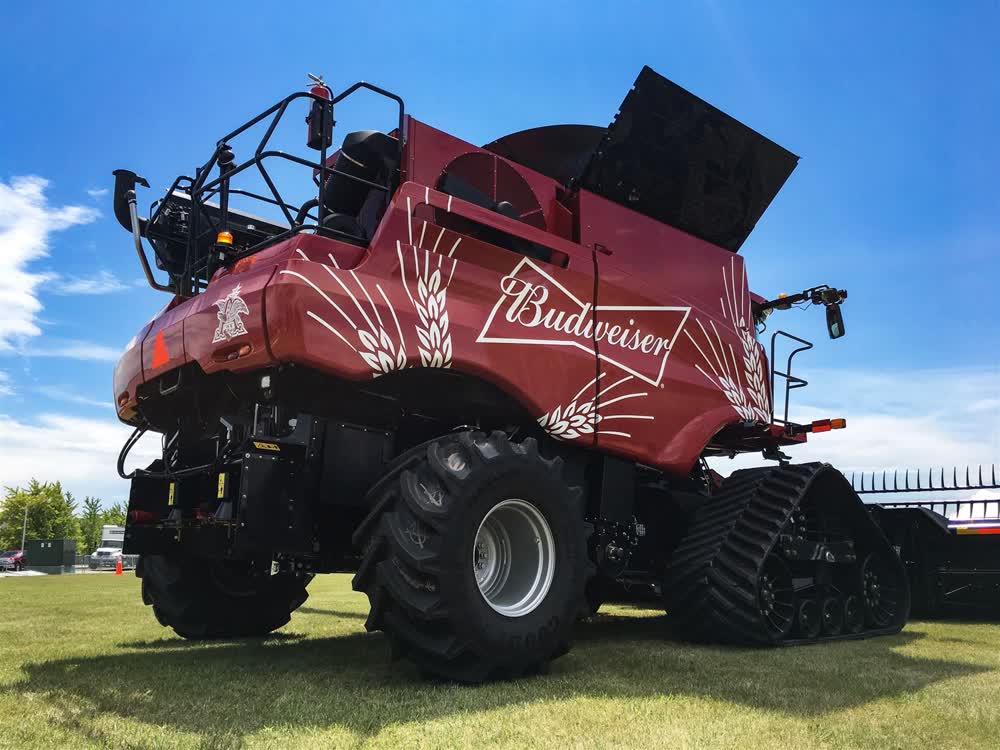
Why are fleet graphics an effective marketing tool? Want to improve your marketing strategy and drive brand recognition? Click here to learn everything!
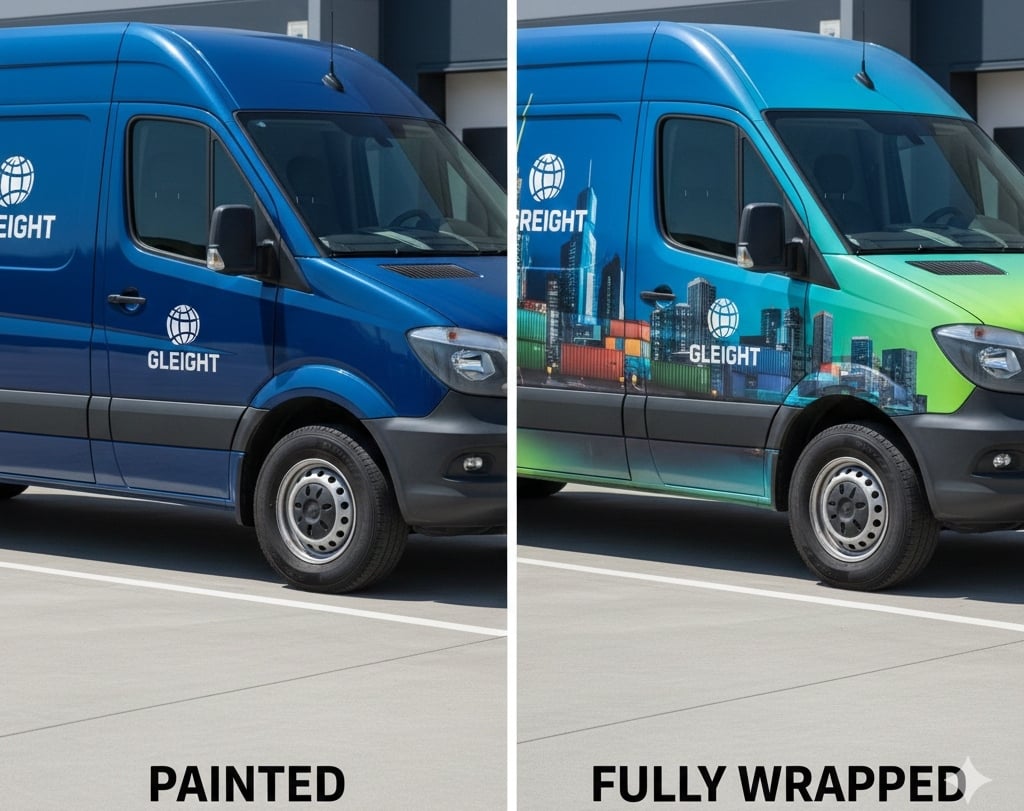
Discover the pros and cons of paint vs. vehicle wraps. Compare cost, durability, and branding impact to choose the best option for your business fleet.
