
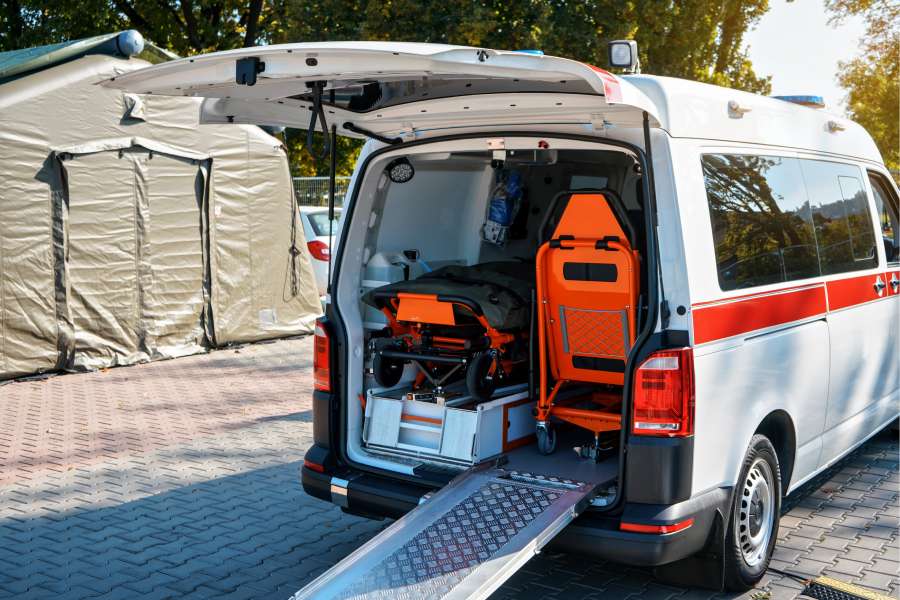
Mobile medical units are an essential part of remote healthcare. They’re crucial for patients needing immediate medical attention, and their lives depend on it. While it may primarily seem like a risky investment, these vans are a great way to improve your medical outreach. But how are medical units equipped for critical care transport?
Here, we’ll elaborate on all the essentials needed to operate medical units designed for such transport smoothly. By highlighting their use and functions, you’ll have a better overview of their importance. Furthermore, these pieces of equipment will improve your effectiveness and overall patient care so your customers get the best care possible.
Continue reading to discover what equipment is typically found in a medical unit used for critical care transport!
Source: craftsmenind.com
What is Critical Care Transport
Critical care transport deals with the transportation of patients in critical medical conditions. In most cases, these patients are moved from their homes, places of accident, or under-equipped hospitals to a more prepared setting. Since these people are often in life-threatening conditions, the mobile healthcare unit must have the proper medical materials and machines to provide specialized care.
Failing to have the proper equipment on board can lead to ineffective patient care and further complications. Thus, the factors you must consider to ensure efficient critical care transport are the following:
- Experienced medical staff
- Optimized vehicle and equipment
- Full assessment and monitoring
- Patient stabilization
- Medical care during transport
- Handover documentation
One of the biggest risks of critical care transport is that the patient may become unstable on movement. That’s why the process requires organ support and invasive monitoring. Furthermore, the patients and personnel may be exposed to vehicular accidents that pose an additional threat due to the pressure and temperature changes.
If you’re looking for a premium quality mobile medical vehicle, check out Craftsmen Industries. We will ensure you have all the needed equipment and that it meets the needed requirements.
Medical Unit Equipment for Critical Care
After explaining the importance of medical equipment for critical care transport, we also want to elaborate on the vehicle design and types of equipment. Since both factors are part of the critical care regulations and requirements, planning them out before investing in a medical unit is very important. To better understand their use, we’ll review them separately.
Mobile medical van design
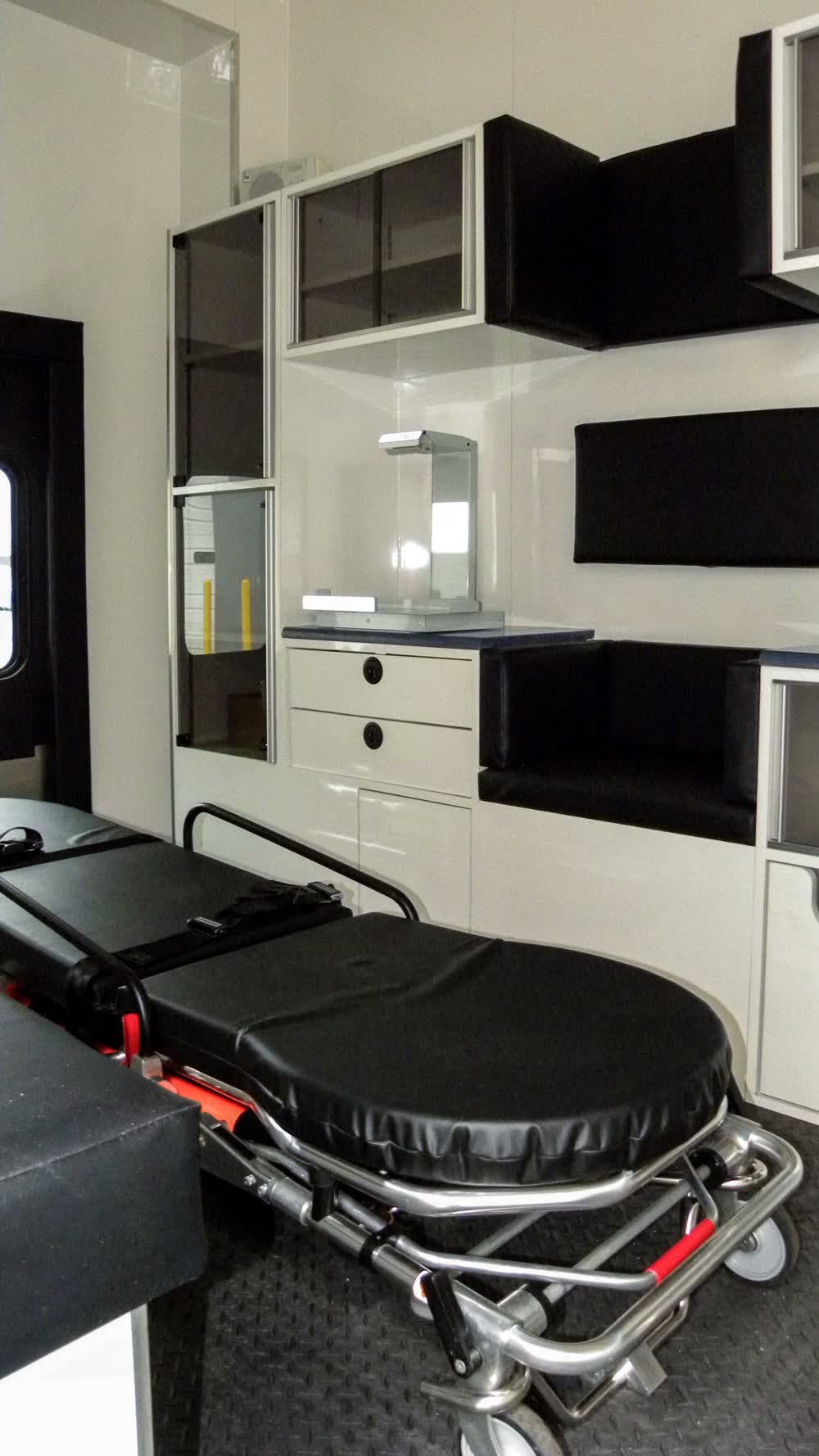
As mentioned, the vehicles designated for medical transportation must follow strict guidelines. Whether it’s an ambulance or a care unit, they must be optimized for the medical staff to provide intensive patient care.
Thus, you must first ensure that the mobile medical van has space for fitting an automatic loading stretcher. This way, you’ll be able to easily load and unload the patient in and from the medical unit.
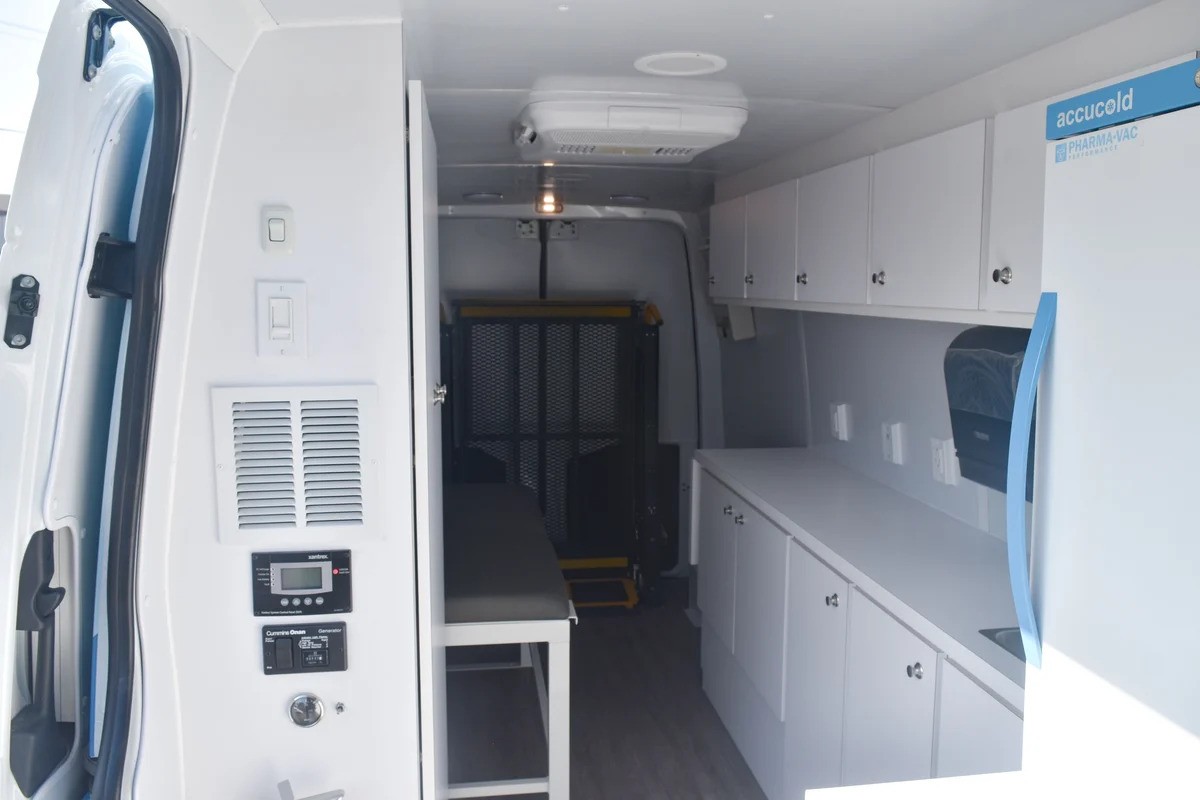
Next, you must plan out the interior. Remember that there must be a designated place for the medical personnel and storage. Since you’ll most likely be conducting medical procedures, you must also ensure adequate gasses and electricity.
To fully optimize the vehicle, it’s important to be mindful of the mobilization time, weather and geographic factors, cost, and traffic conditions. Placing your trust in our team at Craftsmen Industries will ensure you get the best results with low cost, easy patient monitoring, and quick mobilization.
Required equipment
Even though you may have the vehicle design planned and designed, it won’t be of any use without the proper medical equipment. So, are medical units equipped with specialized equipment for specific medical conditions? Even though the short answer is yes, there are several factors to consider.
First, all the equipment is recommended to be lightweight, robust, and battery-powered. With the latest technological advancements, such materials have become more available for medical services. Thus, the ones you should always have in your mobile medical unit are the following:
- Portable monitor
- Mobile phones
- Warming blankets
- Suction equipment
- Syringe pumps
- Medication
- Batteries
Another important factor we want to elaborate on is about patients in need of life support, more specifically how are medical units equipped to handle patients requiring life support during transport. The most crucial equipment you must have on board in such cases is:
- Defibrillator
- Portable mechanical ventilator
- Oxygen
To better understand the use of such medical equipment, we’ll explain them separately while highlighting their importance.
Portable monitor
The first essential piece of equipment you should have on board is a portable monitor. The best options are the ones with illuminated displays so you can easily monitor the patient’s stats.
Furthermore, this portable monitor will give insights into the person’s oxygen saturation, heart rhythm, temperature, and end-tidal carbon dioxide. This machine can also record blood pressure through both invasive and non-invasive methods.
Lastly, this monitor should have alarms informing you if the patient’s condition worsens. Remember that there’s usually a lot of noise during critical care transport, so it’s extremely important to have both visual and audible signals of the alarm. You don’t want your patient’s condition to worsen without you even noticing it.
Mobile phones
As mentioned, having quick access to local ambulances will ensure you have a backup if anything goes wrong. Thus, having mobile phones to contact help is essential for your personnel’s and patient’s safety.
Even though they don’t have to be the latest models, you must ensure these communication devices are functional. You don’t want to have technical problems or run out of battery when trying to contact help during a crisis. This can put your patient at a life-threatening risk if you’re not able to provide them with the proper medical care.
Source: craftsmenind.com
Warming blankets
Many patients being transported for critical care often require warming blankets. Those who’ve undergone surgery can experience a drop in the body’s temperature levels. This is caused by the effects of general anesthesia and can impact the patient’s condition.
Since it’s not easy to regulate the temperature within the mobile medical unit, you should focus on providing comfort to the patient. Thus, warm blankets are essential for regulating the person’s temperature and avoiding hypothermia.
Suction equipment
The next essential piece of equipment you should incorporate in mobile medical units is suction equipment. This machine is also known as an aspirator and is used to remove obstructions from the patient’s airway. For example, it can be used on saliva, blood, mucus, and other secretions.
Many patients who’ve gone through general anesthesia or specific medical procedures have a hard time clearing secretions. Thus, a suction device on board is essential to help the patient breathe clearly and easily.
Several elements must be regularly checked and maintained to ensure this machine is functioning properly. Such are the following:
- Machine’s batteries
- Power cord
- Suction pump
- Sterile tubing
- Disposable canister
- Filter
Syringe pumps
Syringe pumps, also known as syringe drivers, are devices used to control the movement of the fluids from a syringe. They function by using stepper motors to insert or retract the plunger.
This equipment is mostly used for administering a precise dose of medicine to the patient. In some cases, the person may require a very small dose of a specific medication that’s risky to apply. by hand. Thus, the medical personnel will turn to this mechanism to safely apply the required dose through an intravenous route.
Medication
It’s only natural that mobile medical units dealing with critical care transport must carry commonly used medication. Even though various medications are used depending on the patient’s unique circumstances, there’s usually a list of essential medicines you must have on board.
That being said, here are some of the essential medications you should have on board and their use:
- Ephedrine– used for hypotension during anesthesia
- Dopamine– used for increasing cardiac output, urine flow, and blood pressure
- Epinephrine– used for anaphylactic reactions that lead to cardiogenic shock and cardiac arrest
- Isoproterenol– used as a temporary treatment for bradycardia
- Lidocaine– used for ventricular arrhythmias, digitalis intoxication, and cardiac manipulation
- Morphine– used for different types of pain relief
- Norepinephrine– used for treating shock after fluid volume replacement
- Nitroglycerin– used for treating angina pectoris, hypertension, and blood pressure
- Propafenone– used for treating ventricular arrhythmias
- Phenylephrine– used to treat vascular failure in shock and hypotension
Batteries
Even though it may not sound as important as the other equipment, having battery reserves onboard your mobile medical unit is of utmost importance. As mentioned, most of the equipment you invest in should be battery-dependent. Thus, having such a reserve will ensure all the other equipment functions properly.
Having a piece of equipment run out of batteries while transporting a critical care patient can lead to unnecessary complications. It can even result in putting the patient’s life at risk since you won’t be able to provide the proper medical care for them.
Defibrillator
Having a defibrillator on board is essential for patient resuscitation. These devices are used to discharge an electric current to the patient’s heart and restore their normal heartbeat. If a critical patient experiences cardiac arrest, a defibrillator is crucial to try and get their heart beating again.
Portable mechanical ventilator
Another crucial piece of equipment used for patients in life-threatening conditions is a portable mechanical ventilator. These compact devices act as hand-held ventilators that provide mechanical ventilation in places without power or air-ducting.
This machine also monitors oxygen concentrations, respiratory rates, pressure levels, and tidal volumes. Furthermore, this equipment must have disconnection alarms to ensure patient safety.
Oxygen
Lastly, you must always have a substantial dose of oxygen stored on board when transporting a critical care patient. If you’re unsure of the amount you need, a general rule is to store enough oxygen during the entire transport plus an additional one or two hours. This supplementary oxygen is essential in ICUs for treating patients with hypoxia, which results in inadequate oxygen levels.
Source: craftsmenind.com
Conclusion
So, how are medical units equipped for critical care transport? Since both the vehicle and the equipment in it play an important role in the process, it’s important to assess your essentials carefully. Failing to meet the requirements can put your patients at risk and lead to severe and unwanted complications.
Lastly, if you’re looking for an experienced team to help guide you through the process, contact Craftsmen Industries today! We’ll come up with the best solutions for your specific circumstances while delivering premium-quality results.
Filter Posts by Tag
related posts
Medical trailer storage is the process of securing, preserving, and [...]
Is your organization planning to start operating a mobile vehicle and offer medical services? Click here to discover how to permit a mobile medical vehicle!
Discover the full cost breakdown of mobile medical vehicles, including pricing factors, equipment, customization, and maintenance to plan your investment confidently.
