
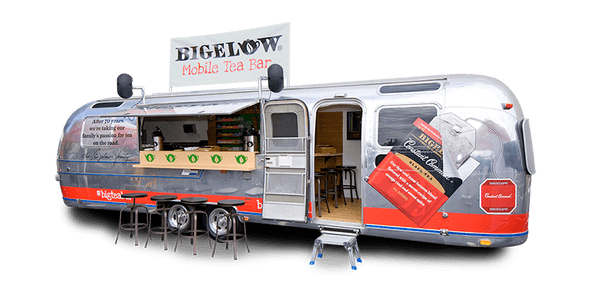
Brands struggle to hold attention in an oversaturated digital landscape. Traditional ads no longer create the emotional connection needed to build long-term brand loyalty. Experiential vehicles solve this by turning brands into physical, shareable experiences. These mobile activations deliver direct engagement, resulting in higher retention, more referrals, and increased purchase intent.
Let’s learn how experiential vehicles build loyalty, deepen engagement, and create repeat customers.
What Are Experiential Vehicles?
Experiential vehicles are custom-built mobile environments that bring branded experiences directly to target audiences. They serve as physical extensions of a brand’s identity because they are engineered to engage, educate, and convert.
Types of experiential vehicles include:
- Mobile Showrooms – Ideal for high-end products or B2B services
- Mobile Medical Vehicles – Mobile Medical Vehicles are designed for health outreach, screenings, or wellness campaigns.
- Sampling Trucks – Common in CPG and food & beverage sectors
- Pop-up Clinics or Labs – Used in healthcare and technology industries
- Branded Trailers & Airstreams – Popular for lifestyle brands and tours
- Glass Box Trucks – Create a high-visibility showcase or interactive display
Each format is engineered to create a sensory experience that engages more than one sense including sight, touch, sound, or even smell depending on the campaign goal.
Use case: A luxury appliance brand converted a semi-truck into a working kitchen and toured culinary expos. Consumers cooked meals with the product, asked live questions, and connected emotionally with the brand.
How Do Experiential Vehicles Increase Customer Loyalty?
Customer loyalty stems from emotional engagement. Loyalty builds when people feel seen, heard, and part of something personal. Experiential vehicles create that emotion by enabling direct, human contact in immersive environments.
Core drivers of loyalty through experiential vehicles:
- Memorable First Impressions
A face-to-face interaction is 34 times more effective than digital touchpoints (Harvard Business Review). First contact with a brand in a well-designed mobile space is likely to be memorable. - Brand Affinity Through Personalization
On-site product recommendations, live demos, and custom experiences foster personal connection. These are difficult to replicate online. - Community Engagement
Activations in local neighborhoods create a sense of inclusion. Brands become part of the community narrative. - Emotional Storytelling
Branded vehicles often carry backstories, missions, campaigns, or causes. Telling those stories in-person adds authenticity and builds deeper customer trust.
Stat: 70% of emotionally connected customers send up to twice as much with brands they’re loyal to (Source: Motista).
How Do Experiential Vehicles Boost Engagement Metrics?
Engagement in experiential campaigns is measurable and impactful. Visitors don’t passively consume content. They interact, react, and share.
Engagement enhancements via experiential vehicles:
- Higher Time-on-Brand
Visitors spend 5x longer interacting with a physical experience than with digital content. For example, consumers average 15 minutes in a mobile showroom versus 3 minutes on a product page. - Interactive Feedback Collection
Brands collect instant feedback via surveys, QR codes, tablets, or even AR-based polling stations. - Live Social Media Sharing
Strategically placed selfie stations, unique hashtags, and immersive visual designs encourage social shares. One user post can organically reach hundreds. - Gamified Interactions
Many vehicles include digital games, touchscreens, or VR experiences to extend dwell time and encourage interaction.
Stat: Experiential campaigns can deliver up to 20:1 ROI when measured in terms of lifetime customer value (EventTrack).
What Industries Benefit Most From Experiential Vehicles?
Experiential marketing is adaptable across industries. Its value multiplies in sectors where product education, trial, or differentiation is critical.
|
Industry |
Activation Type |
Key Benefits |
|
CPG |
Sampling trucks |
Trial, instant feedback, brand recall |
|
Healthcare |
Mobile wellness units |
Education, outreach, compliance |
|
Automotive |
Mobile test-drive stations |
Product trial, data capture, lead generation |
|
Tech & SaaS |
Mobile demo centers |
Feature exploration, B2B engagement |
|
Beverage & Food |
Branded tasting vehicles |
Shareability, limited-edition promotions |
|
Education |
Recruitment or awareness vans |
Face-to-face storytelling, trust-building |
Example: A health brand used a mobile unit to offer free biometric screenings across 50 cities. The campaign increased trust in the brand and generated over 20,000 qualified leads.
What Makes an Experiential Vehicle Campaign Successful?
Execution is everything in mobile experiential campaigns. Even a well-designed vehicle can fail without a clear strategic backbone.
Key success factors include:
- Goal Alignment
Every build must serve a clear purpose including brand awareness, lead generation, product trial, or education. - Custom Vehicle Fabrication
Design must reflect brand aesthetics, product usability, and comfort. HVAC, flooring, display mounts, and ADA compliance must all be planned. - Scalable Logistics Planning
Scheduling, permitting, route optimization, maintenance, and staff rotation plans are critical for sustained campaigns. - Technology Integration
Data capture tools, IoT devices, RFID check-ins, touchscreen menus, and AR/VR installations increase interaction and provide measurable outputs. - Pre- and Post-Event Campaigns
Supporting digital promotion and post-visit retargeting campaigns improve conversion. Follow-ups via CRM and email increase customer lifetime value.
Pro Tip: Collect emails and opt-ins on-site, then deliver a personalized offer within 48 hours. This drives immediate conversions and future loyalty.
Why Are Experiential Vehicles More Effective Than Traditional Advertising?
Traditional ads compete for attention; experiential vehicles earn it.
Experiential vehicles outperform static advertising because:
- They reach customers in contextually relevant environments
- They build real human interaction, increasing trust and retention
- They create unique moments that can’t be replicated online
Consumers trust live interaction more than paid ad placements. Experiential vehicles drive word-of-mouth, user-generated content, and on-site conversions simultaneously.
Example: Instead of running digital ads for a sneaker launch, a sportswear brand deployed a mobile fitting van to college campuses. The campaign sold out in 3 days and drove 2,000+ app downloads.
How to Measure the ROI of Experiential Vehicle Campaigns?
ROI is measurable across five primary dimensions:
|
Metric |
What It Measures |
Method of Collection |
|
Dwell Time |
Visitor duration |
Cameras, sensors, staff check-ins |
|
Engagement Rate |
Interactions per visitor |
Game participation, touchscreen taps, survey data |
|
Lead Capture Volume |
Number of qualified leads |
Email opt-ins, scans, registrations |
|
Social Reach |
Earned media impressions |
Hashtag monitoring, UGC scraping |
|
Conversion Uplift |
Sales or app downloads post-event |
Promo code redemption, CRM integration |
Brands using dashboards to integrate these KPIs with CRM data see 30–50% higher attribution clarity.
Tooling tip: Use RFID wristbands or QR badge scans to link each visitor’s interaction with campaign touchpoints for more granular insight.
Frequently Asked Questions
What is the primary benefit of using experiential vehicles in marketing?
Experiential vehicles allow brands to create live, face-to-face interactions that foster emotional engagement. This results in stronger customer loyalty, higher dwell time, and more impactful brand recall compared to digital or static ads.
How do brands measure ROI from experiential vehicle campaigns?
Brands track ROI using KPIs like dwell time, lead volume, social shares, engagement rate, and conversion lift. Tools like QR scans, CRM syncing, and feedback surveys provide accurate post-event data.
Which industries benefit most from experiential vehicles?
Industries with high competition and product education needs benefit most. These include CPG, healthcare, automotive, tech, food & beverage, and education due to their need for live product interaction and brand differentiation.
How long does it take to build and launch a custom experiential vehicle?
Build timelines vary by complexity but typically range from 8 to 20 weeks. Planning includes design, fabrication, branding, tech installation, and route logistics.
What technologies enhance engagement inside experiential vehicles?
Effective vehicles integrate touchscreens, AR/VR setups, interactive kiosks, IoT sensors, and mobile lead capture tools. These technologies increase dwell time and support data-driven personalization.
Mobile Experiences Create Real Loyalty
Experiential vehicles transform marketing into engagement and attention into action. These mobile platforms create personalized, emotional, and tactile connections that foster deep customer loyalty and advocacy. Whether you’re launching a product, expanding into new markets, or strengthening community relationships, experiential vehicles create lasting impact that static ads cannot.
Partner with Craftsmen Industries to design, build, and deploy custom experiential vehicles that move your brand forward on the road and in the minds of your customers.
Filter Posts by Tag
related posts
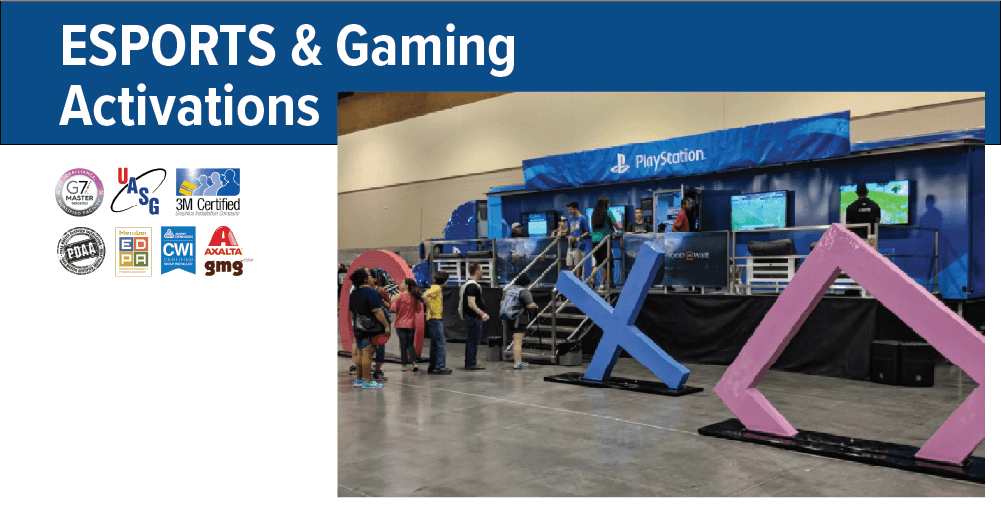
Launch immersive esports campaigns with mobile trailers. Engage fans, boost brand visibility, and create next-level activations that deliver real ROI.
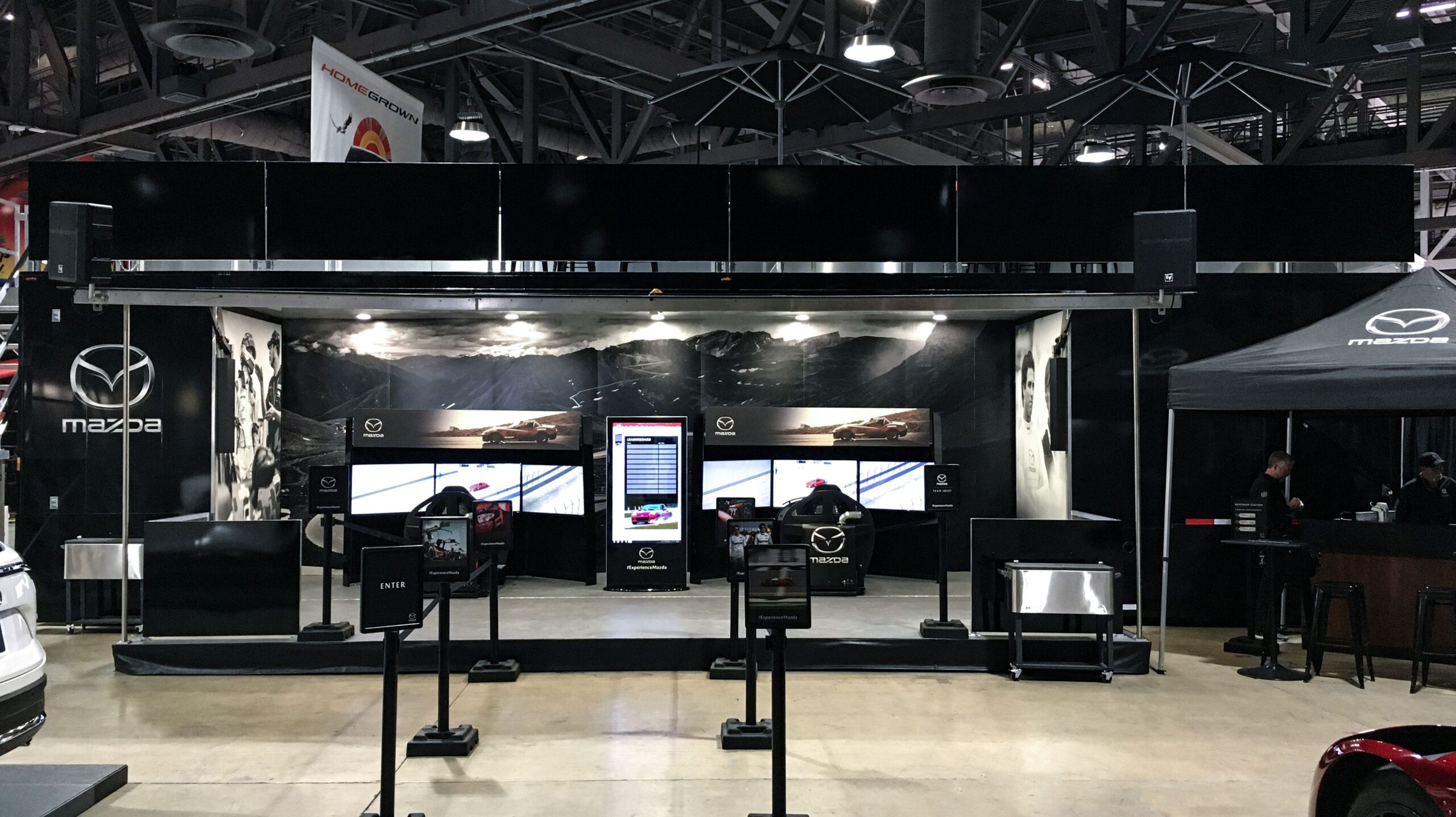
The Craftsmen LoJoe™ is a cutting-edge, easy to deploy drop trailer engineered for maximum space and easy access. Learn more about this customized trailer here.
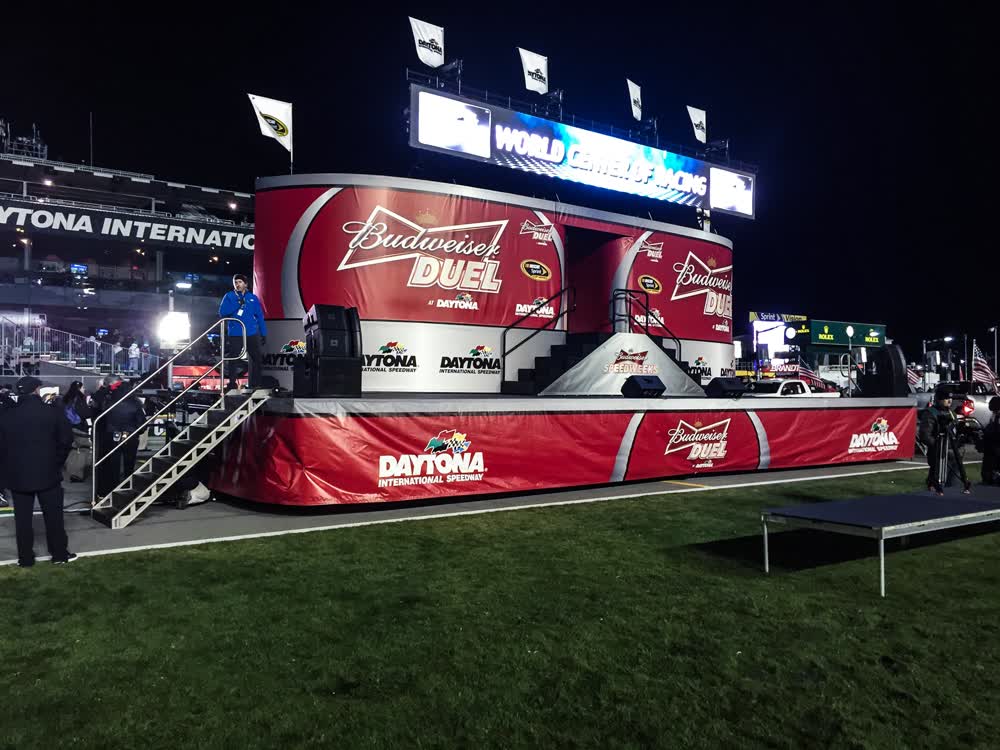
Learn best practices for setting up mobile stage trailers. Ensure safety, speed, and performance with expert tips for events, concerts, and festivals.
