
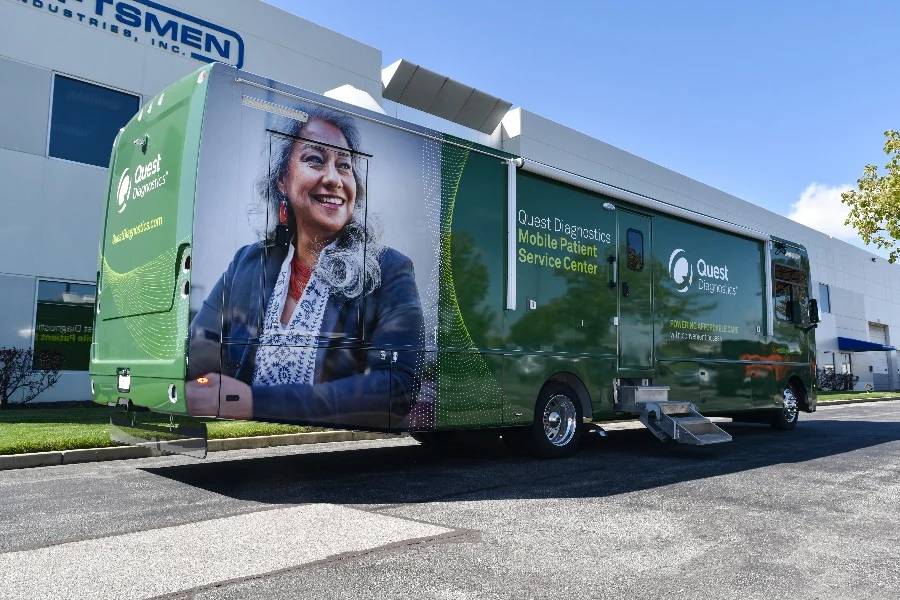
In today’s world, sustainability is no longer optional; it is a necessity. Organizations across fields, from disaster relief to corporate roadshows and field clinics, are placing environmental impact at the center of operations. Net-zero trailers offer a robust solution, combining mobility with eco-friendly design. These advanced units enable teams to operate off-grid, minimize diesel usage, and reduce their carbon footprint, all while maintaining full operational capability.
This blog will guide you through how to design net‑zero trailers, the key systems involved, and the tangible benefits for your mission and brand. By focusing on clean energy, innovative design, and efficient systems, you’re not just reducing emissions, you’re future‑proofing your field operations for a sustainable tomorrow.
Designing Energy-Efficient Trailer Systems
To reach net‑zero status, energy efficiency must be at the core of trailer design. Efficient systems reduce fuel dependency, allowing sustainable power sources to meet more needs.
Insulation and Passive Climate Control
Effective insulation significantly reduces the energy needed for heating or cooling:
- Use high‑R‑value panels in walls and the ceiling
- Install reflective roofs and window shades.
- Add automated venting or a passive airflow system.
These design features minimize HVAC usage and extend battery runtime.
Lighting, Appliances, and Power Usage
Low‑load systems boost sustainability:
- Replace incandescent lighting with efficient LED fixtures
- Power appliances with DC or ultra‑efficient models
- Incorporate motion sensors and zone controls to reduce waste
Tracking energy use enables teams to optimize consumption and extend their time off-grid.
Smart Power Management Systems
Efficiency needs smart controls:
- Use energy management systems to balance loads
- Prioritize critical systems when power is limited
- Automate charging cycles for batteries and solar input
A well-configured power management system maintains steady operations while reducing fuel consumption and wear on equipment.
Integrating Renewable Energy and Storage
Once you reduce energy demand, you can meet remaining needs with clean power sources. This section explains the systems that make net-zero possible.
Solar Panels and Charge Controllers
Solar is essential for sustainable trailer power:
- High‑efficiency solar arrays mounted on the roof or awnings
- MPPT solar controllers to maximize harvest
- DC‑coupled systems to feed battery banks directly
With enough solar capacity, generators only run when sunlight is insufficient.
Battery Storage and Backup Sources
Reliable power requires robust storage:
- Lithium‑ion or LFP batteries sized to meet nighttime and low‑sun days
- Inverters to convert DC to AC power for standard devices
- Power redundancy systems, such as automated transfer switches
This ensures power continuity even during long campaigns in remote areas.
Hybrid Energy Integration
Smart integration improves sustainability:
- Combine solar, wind (if applicable), and generator power
- Prioritize solar when available, with smart switchover at low power
- Monitor with dashboards that report energy production and usage.
A hybrid setup offers both reliability and net‑zero capability in varied settings.
Essential Mechanical and Electrical Specs
Achieving net-zero requires industrial-grade systems that can meet mission demands.
Generator and Hybrid Power Units
Generator systems must be optimized for sustainability:
- Use high‑efficiency, low‑emission generators
- Implement automatic idle shutdown when sufficient power is available.
- Ensure compatibility with biogas or cleaner diesel blends.
These practices reduce fuel use and air pollution during trailer deployment.
Electrical Wiring and Safety Measures
Electrical systems must meet high standards:
- Use marine‑grade or outdoor‑rated wiring and connectors
- Install GFCI outlets and surge protection.
- Label all circuits and include emergency shutoffs.
Safe electrical design minimizes hazards and ensures reliable operation under harsh conditions.
Mechanical Specs for Rugged Environments
Durability is crucial when going off‑grid:
- Install sealed compartments for batteries and electronics
- Use weather‑resistant components with IP ratings for dust and moisture
- Mount equipment with vibration‑damping hardware for transport longevity
These features ensure net‑zero systems remain operational in challenging environments.
Real-World Use Cases and Benefits
Seeing net‑zero designs in action helps illustrate tangible value and ROI.
Use Cases for Sustainable Trailers
Net‑zero trailers support diverse initiatives:
- Disaster relief and mobile clinics powered without diesel emissions
- Remote research or environmental monitoring units functioning off-grid
- Military or government field units can operate quietly and sustainably
- Corporate roadshows with clean branding and zero emissions are enhanced by environmental architectural graphics that communicate sustainability visually and powerfully.
These units showcase sustainable operations while meeting mission-critical needs.
Benefits of Sustainability and Operations
Investing in net‑zero trailers delivers multiple advantages:
- Significant fuel savings and lower carbon output
- Reduced logistical dependence on fuel resupply in remote zones
- Enhanced mission credibility through visible environmental stewardship
- Extended uptime with solar and battery backup systems
These benefits combine to ensure operational resilience and public trust in your brand.
Operational Guidelines for Long-Term Success
To ensure success, address compliance, maintainability, and future scalability.
Compliance and Certification
Net‑zero builds should follow applicable standards:
- Meet local and federal emissions regulations
- Use certified solar and electrical components
- Ensure clean energy certifications when showing ESG or brand metrics.
Compliance safeguards legal operation and supports your environmental reporting.
Maintenance and Lifecycle Planning
Longevity requires care:
- Schedule regular checks on batteries, solar panels, and generators
- Use remote monitoring tools to track performance
- Plan for storage and seasonal shutdowns that preserve system health
This extends system life and maintains net‑zero capacity over time.
Planning for Future Upgrades
Sustainability demands forward thinking:
- Prewire expansion points for additional solar or battery capacity
- Design modular interiors to add sensors or IoT devices later
- Choose open energy management platforms for future integrations.
This ensures your trailer remains functional and adaptable for evolving missions.
Frequently Asked Questions
1. What is a net-zero trailer, and why is it essential for sustainable missions?
A net-zero trailer is a mobile structure designed to produce as much energy as it consumes, achieving zero net carbon emissions. It supports sustainable missions by reducing reliance on fossil fuels and promoting energy efficiency on remote or high-impact sites. This makes it a vital asset for eco-conscious operations.
2. What design features enable a trailer to achieve net-zero energy?
These trailers feature rooftop solar panels, high-efficiency insulation, natural lighting strategies, and intelligent energy systems. Materials are sustainably sourced, and the layouts adhere to passive house principles. Together, these choices reduce energy demand while maximizing the generation of renewable power.
3. How do net-zero trailers enhance worker health and productivity?
They offer better air quality, access to daylight, and quiet, climate-controlled environments. Ergonomic designs and natural ventilation support wellness, while well-designed interiors improve focus and comfort. This boosts morale and productivity on extended jobsite deployments.
4. What benefits do net-zero trailers provide over traditional jobsite trailers?
They cut carbon emissions, lower energy costs, and eliminate the need for fuel-powered generators. These trailers also offer quieter, healthier working environments. Organizations benefit from improved worker satisfaction and a stronger sustainability reputation.
5. Who is leading the development and manufacturing of net-zero trailers?
Firms like Pepper Construction and Craftsmen Industries lead the industry, using tools like BIM modeling and AR for precision design. Their net-zero trailers are certified for performance and durability, serving construction, research, and field operation sectors.
Partner for Smarter, Greener Builds
Creating a net‑zero trailer is more than a sustainability gesture; it is an operational advantage. By combining energy-efficient design, renewable power systems, and rugged infrastructure, you build a mobile asset that performs under pressure and aligns with green goals.
Whether you’re supporting relief efforts, running eco-conscious campaigns, or equipping remote teams, net‑zero trailers demonstrate leadership in innovation and responsibility.
To explore Custom Trailers built for green missions. Let’s create mission-ready, eco-conscious mobile command assets together.
Filter Posts by Tag
related posts
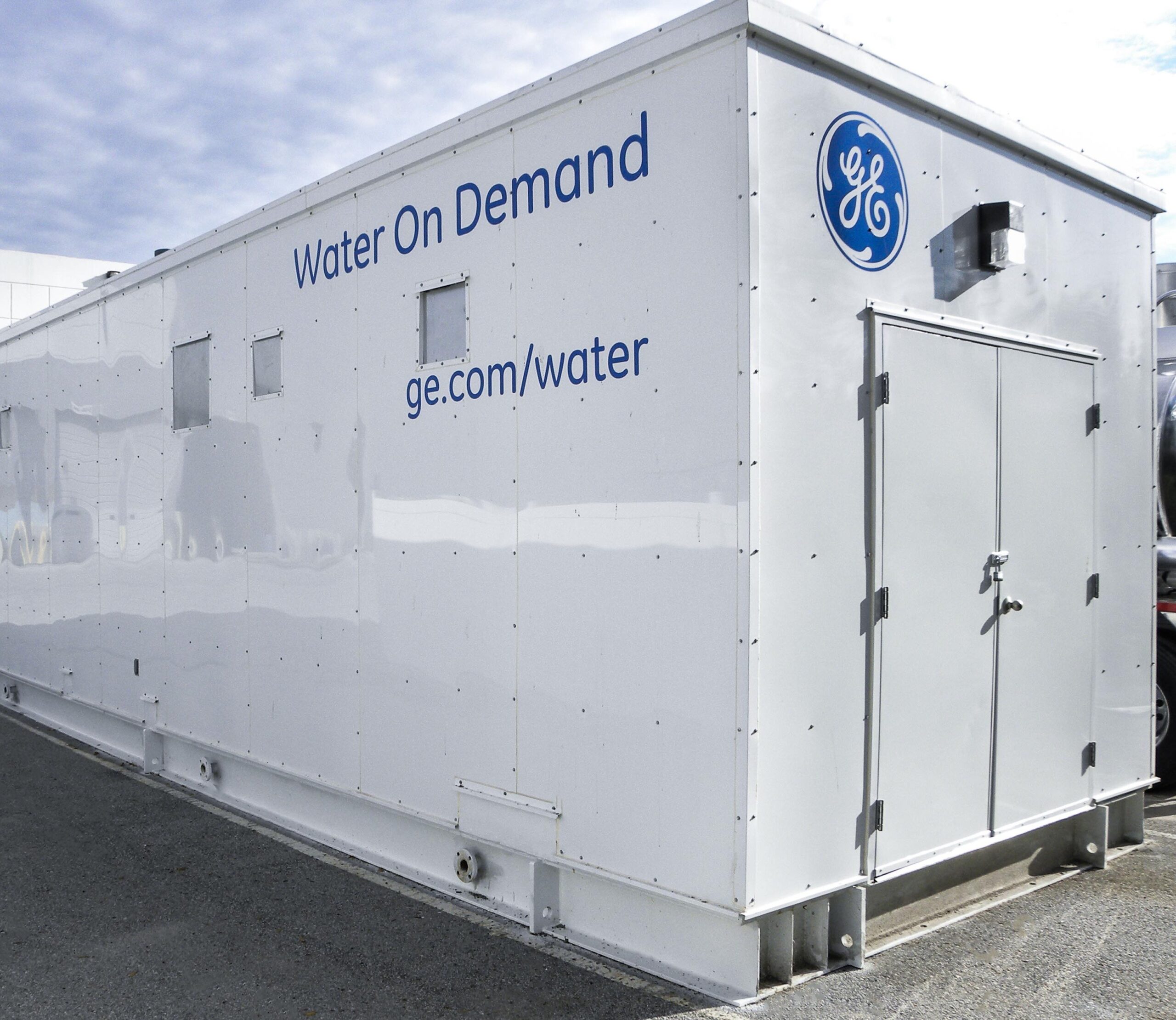
Explore deployable water treatment systems for remote sites, including RO, UF, UV, and mobile units that provide safe drinking water in tough environments.
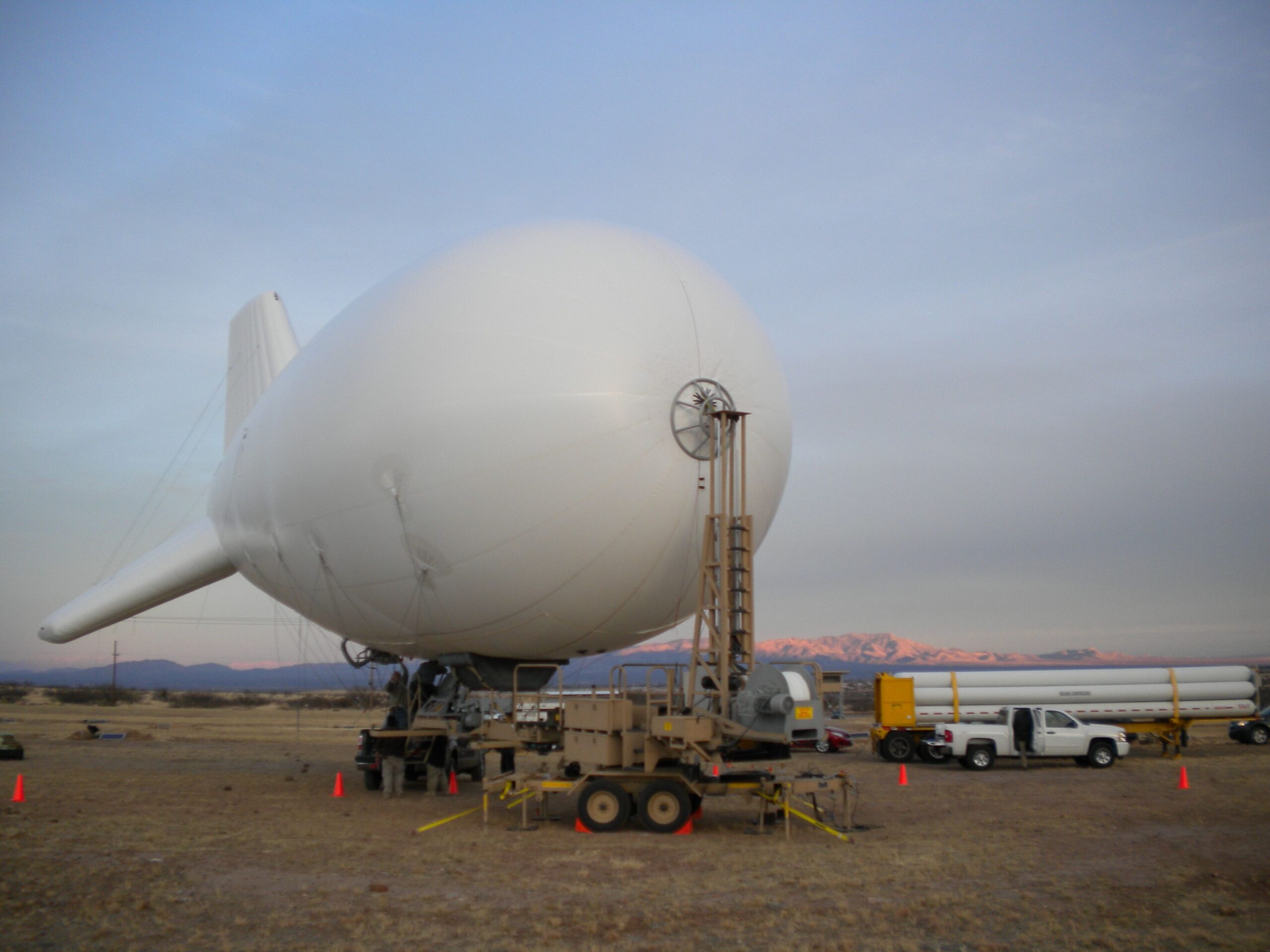
Back to Basics: How Your Company Could Benefit From Industrial Manufacturing

Learn how our leasing pool can help you win big at your next marketing event or aid efficiency of your mobile industrial projects!
