
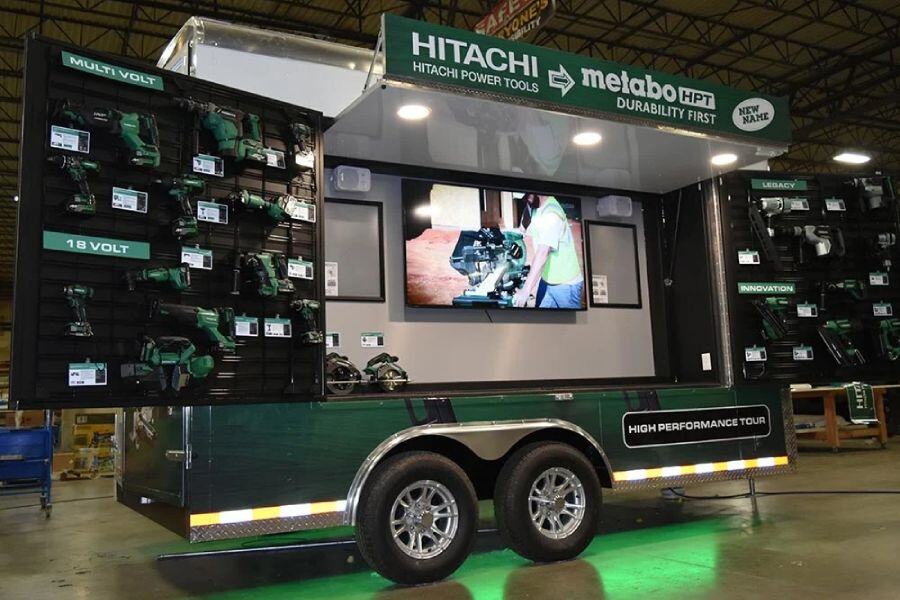
Most brands face the same challenge of getting consumers to visit a physical store or showroom. Foot traffic is down, and customers prefer online browsing over in-store experiences. Mobile showrooms fix this problem by bringing your product directly to your audience—where they work, live, and gather. A mobile showroom eliminates the barriers and creates a hands-on experience that drives conversions.
Let’s have a look at what mobile showrooms are, how they benefit your brand, and why they’re a must-have strategy for reaching modern consumers.
What Is a Mobile Showroom?
A mobile showroom is a custom-branded vehicle—typically a truck, trailer, or van—designed to function as a traveling retail space or interactive product experience.
Unlike traditional showrooms, which require customers to visit a physical store, mobile showrooms take the brand experience directly to target audiences at events, business hubs, college campuses, and high-footfall areas.
Core Attributes of a Mobile Showroom:
Following are the basic features of mobile showrooms:
- Tailored design matching the brand’s identity and story.
- State-of-the-art technology integration like VR tours, AR displays, and live streaming setups.
- Flexible, modular interiors for product displays, lounges, stages, or demo stations.
- Turnkey mobility, allowing multi-city tours or localized campaigns with ease.
- Premium visual impact through customized wraps and striking designs.
Real-World Examples:
- Tesla’s Cybertruck tour allowed fans to experience new models in pop-up venues across cities.
- Lululemon’s “Sweatlife on the Go” trailer combined fitness classes and retail in one space.
- Google’s tech roadshow equipped with VR stations to showcase product innovations.
Each example shows how brands use mobility to meet audiences at their convenience, boosting conversion and loyalty.
Why Are Mobile Showrooms Critical for Modern Brands?
Given below are the reasons why Mobile showrooms prove to be a game changer for Modern Brands:
-
Eliminate Geographic Barriers
Traditional showrooms depend on consumers coming to them. Mobile showrooms reverse the equation, meeting consumers where they are—saving them time and creating convenience-driven loyalty. Brands unlock markets previously inaccessible due to distance or lack of infrastructure.
-
Increase Brand Engagement and Experience
Hands-on experiences drive emotional connections.
According to EventTrack 2023:
- 91% of consumers develop stronger feelings toward brands after live experiences.
- 85% are more likely to purchase after engaging directly with a brand.
When consumers can touch, test, and experience products in-person, conversion rates improve dramatically compared to static ads.
-
Maximize Flexibility and Targeted Outreach
Mobile showrooms empower brands to tailor their locations based on:
- Demographics (e.g., luxury pop-ups in affluent districts)
- Event relevance (e.g., tech demos at industry expos)
- Seasonality (e.g., summer tours for outdoor brands)
Brands can pivot in real-time, optimizing stops based on campaign performance data.
4.Generate Authentic Word-of-Mouth and Social Sharing
Mobile experiences naturally create social media-worthy moments.
Key drivers of user-generated content include:
- Branded selfie stations
- Live challenges and contests
- Behind-the-scenes access
This earned media effect boosts reach exponentially without additional ad spend.
5. Reduce Retail Costs and Overhead
Maintaining a physical storefront requires:
- High lease fees
- Staffing expenses
- Utilities and maintenance
A mobile showroom minimizes these costs while providing maximum exposure per dollar spent. Short-term activations offer greater flexibility without long-term financial commitments.
6. Capture Valuable Consumer Data
Experiential activations make it easy and non-intrusive to collect insights through:
- Real-time feedback stations
- Interactive digital games with signup options
- Geo-fenced location tracking to measure footfall and engagement
This direct-to-consumer data becomes crucial for future personalization, segmentation, and retargeting strategies.
Types of Mobile Showrooms
Brands design mobile showrooms based on their goals, audiences, and experiential needs. Common types include:
|
Type |
Description |
Best For |
|
Product Demo Trucks |
Vehicles offering real-time, hands-on product testing and live demos |
Tech, automotive, consumer electronics |
|
Retail Pop-Up Vans |
Mobile mini-stores equipped for onsite purchases and brand storytelling |
Fashion, cosmetics, accessories |
|
Interactive Experience Trailers |
Trailers built with gamified, immersive tech experiences |
Gaming, sports, health & wellness |
|
Educational Showrooms |
Mobile classrooms offering product education, workshops, or training sessions |
Healthcare, finance, environmental sectors |
|
Luxury Brand Mobile Lounges |
High-end, invite-only mobile events for exclusive product reveals |
Automotive, jewelry, premium lifestyle brands |
Even specialized formats like Mobile Medical Vehicles use the mobile showroom concept to deliver healthcare education and services directly to communities, blending functionality with on-the-go branding.
Each mobile showroom format helps brands amplify experiential marketing and craft personalized, high-converting touchpoints.
How to Plan a Successful Mobile Showroom Activation
Following is a step by step guide for Mobile showroom activation:
-
Define Your Objectives
Start with a clear understanding of your goals:
- Drive product trials
- Generate leads
- Increase brand visibility
- Educate consumers
A targeted objective ensures every element—from design to staffing—aligns for maximum impact.
-
Choose Strategic Locations
Successful mobile showroom tours consider:
- Proximity to ideal customer bases
- High visibility areas (like Times Square or Santa Monica Pier)
- Alignment with major events (festivals, trade shows, etc.)
Brands that align locations with audience behavior report 30-50% higher engagement rates.
-
Design an Immersive Experience
A mobile showroom should create a world consumers want to step into.
Key design features include:
- Product interaction zones
- Relaxation or VIP areas
- Shareable social media moments
Immersion increases emotional engagement, leading to longer dwell times and stronger memory recall.
-
Staff Your Showroom with Brand Ambassadors
Ambassadors must:
- Reflect your brand values
- Provide detailed product knowledge
- Create a welcoming, authentic atmosphere
Effective staffing can raise onsite conversions by 40% or more, according to Event Marketing Institute.
-
Promote the Activation with Digital Marketing
Use pre-activation campaigns to drive foot traffic:
- Location-specific social ads
- Influencer takeovers
- Countdown contests on social platforms
Post-event coverage should amplify content captured during the activation.
-
Capture and Analyze Data
Set clear KPIs from the beginning:
- Leads collected
- Engagement duration
- Social media shares
- Direct conversions
Data not only proves ROI but informs future experiential marketing strategies.
Frequently Asked Questions
What industries benefit the most from mobile showrooms?
Industries like automotive, technology, fashion, cosmetics, consumer electronics, and luxury goods gain the most from mobile showrooms. Brands that rely on product experience, personalized engagement, and storytelling find mobile showrooms highly effective.
How much does it cost to launch a mobile showroom campaign?
A mobile showroom campaign typically costs between $75,000 to $300,000, depending on vehicle customization, technology integrations, staffing, tour duration, and promotional strategies. Premium experiences with AR/VR features and multi-city tours increase costs.
How long does it take to plan and deploy a mobile showroom?
Planning and deployment usually take 8 to 20 weeks, depending on vehicle build complexity, permitting requirements, experience design, and route logistics. Brands should allow extra time for staff training and digital content preparation.
What features should a mobile showroom include for maximum impact?
A high-impact mobile showroom should include interactive displays, live demonstrations, immersive technology (like VR or AR), brand storytelling zones, data capture points, and social media-ready installations to maximize engagement and shareability.
How do brands measure the success of a mobile showroom activation?
Brands track success using foot traffic counts, lead generation volumes, dwell time, engagement levels, social shares, direct sales, and post-event surveys. Data analysis helps optimize future activations and proves the campaign’s return on investment.
Mobile Showrooms: The Ultimate Brand Experience on Wheels
Mobile showrooms are revolutionizing marketing by putting brands into consumers’ hands and lives wherever they are. They remove geographic barriers, create emotional brand connections, reduce costs, and deliver actionable insights—all while generating measurable business outcomes.
Brands that embrace mobile showrooms gain an unfair advantage in building customer loyalty, elevating brand perception, and driving tangible sales growth. Are you ready to move your brand into the fast lane? Contact Craftsmen Industries today and let’s build a mobile showroom that accelerates your success.
Filter Posts by Tag
related posts
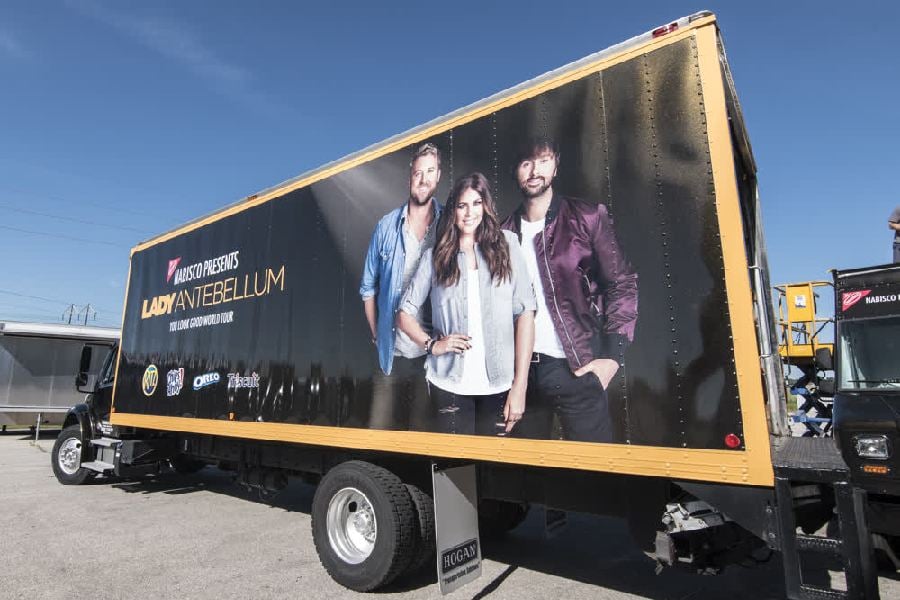
Looking for the best way to analyze your event marketing campaigns? Check this article to discover how to measure event marketing success and its benefits!
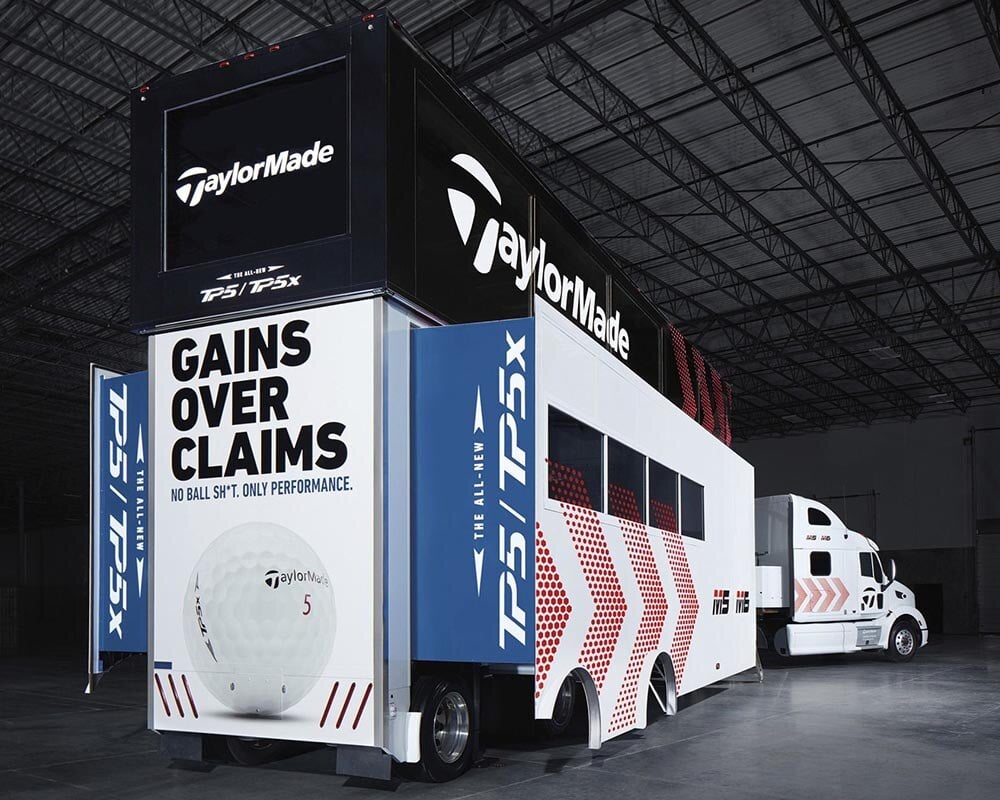
TaylorMade & Craftsmen reveal a 42' F1-inspired double-decker trailer with 1000+ sq. ft., a pro workshop, VIP areas, and more for an unmatched experience.
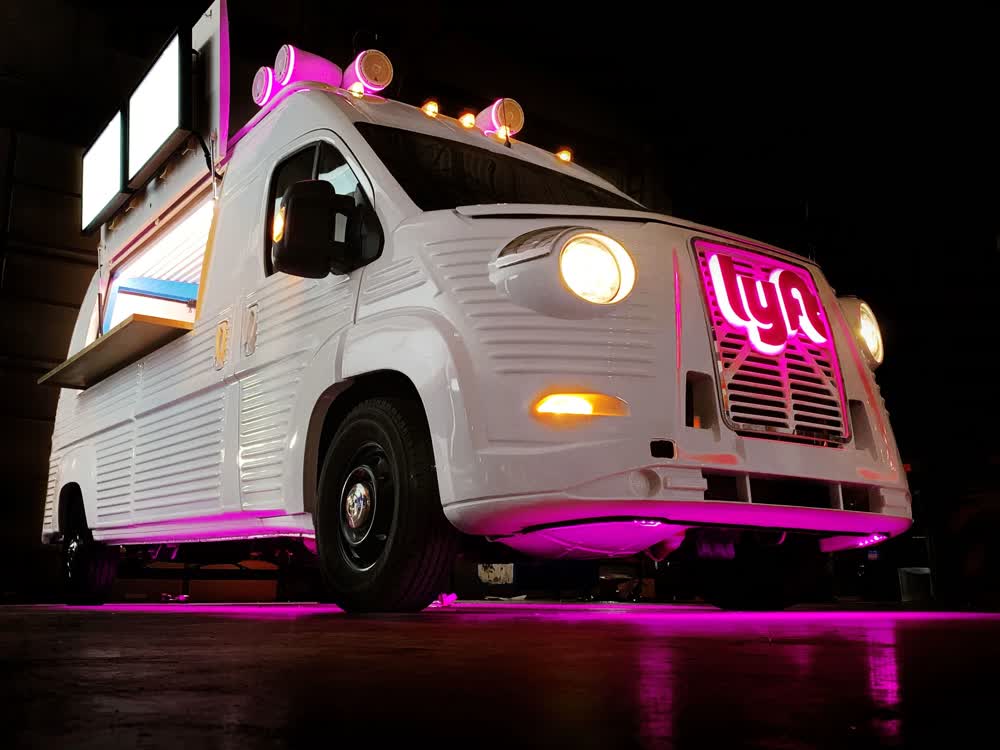
Want to make a unique brand experience for your clients? Click here to discover the many types of experiential marketing and connect with the audience.
