

Mobile medical coaches are a highly effective innovation in the healthcare industry, designed to aid underserved communities. With numerous customization options available, they’re highly praised for their cost-effectiveness and efficiency. Alongside the ability to reach patients in time, they’re also equipped with state-of-the-art technology suitable to treat various medical conditions. But how is the waste disposal managed on a mobile medical coach?
In this article, we’ll elaborate on the common disposal methods in mobile medical units and their use. Furthermore, we’ll highlight the environmental impact they have and the safety guidelines that should be followed. Remember that most medical waste is considered hazardous, and it’s important to know the right recycling options for them.
Continue reading to discover what measures are taken to ensure proper disposal of hazardous materials on a mobile medical coach!
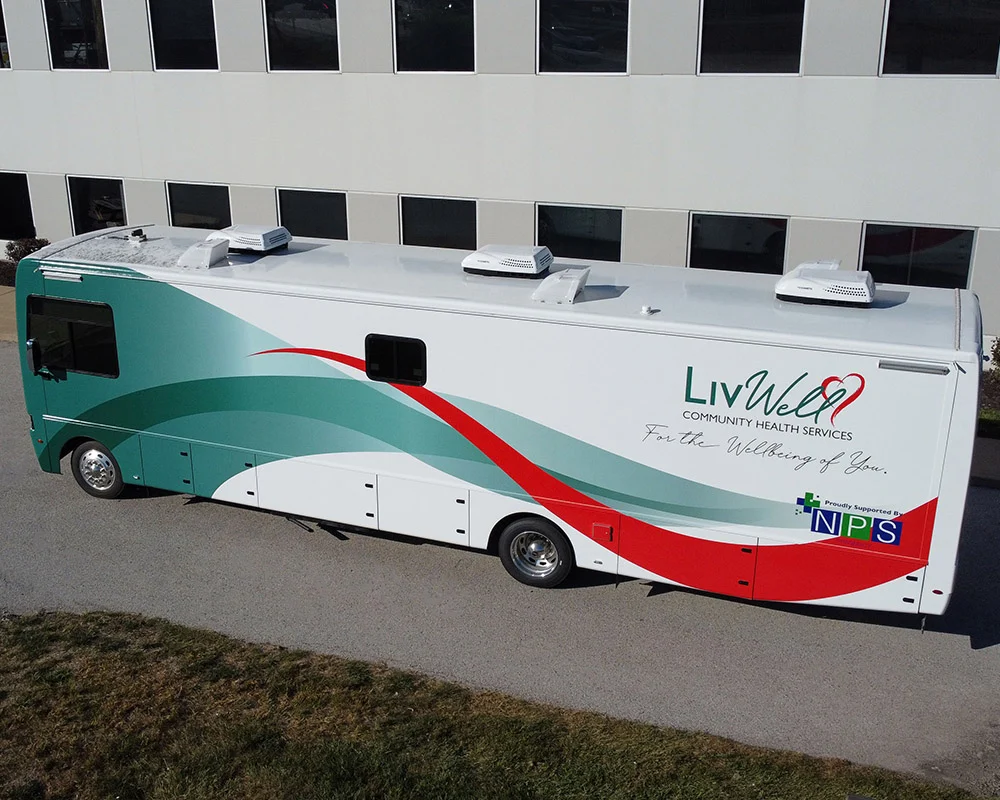 Source: craftsmenind.com
How Is the Waste Disposal Managed on a Mobile Medical Coach?
Many examinations, treatments, and procedures done in mobile medical units produce waste that has to be safely stored before transportation.
An important aspect of this process is how often is waste removed from a mobile medical coach and where is it taken for disposal. Many federal and state regulations require you to regularly dispose of this waste to ensure the safety of patients and personnel. So, to ensure smooth operations of a medical vehicle with a waste disposal system, it’s crucial to not only develop a transportation plan but also incorporate storage measures.
The OSHA guidelines state that the storage must be puncture-resistant, leak-proof, and labeled to avoid any health risks. Furthermore, the containers should restrict or minimize any odor coming out. The storage space reserved for the waste must have the appropriate ventilation and be safely secured from pests.
Lastly, the two main factors in appropriate waste disposal management are conducting a medical waste management plan and finding the right waste disposal methods that abide by environmental safety standards.
Categorizing medical waste
To better plan out your waste management plans and methods, it’s important to categorize the waste first. This way, you’ll know how to deal with each type without risking the patient’s and personnel’s safety. The four main categories you should know of include the following:
- Pathology and anatomy waste
- Sharps (scalpels and needles)
- Blood-related products and equipment (bulk blood and bloody fluid specimens)
- Microbiology laboratory wastes
Remember that all of these materials require special handling and have to follow strict disposal precautions.
Creating a waste management plan
When you’re part of the medical industry, you must have a disposal plan for regulated medical waste. This includes figuring out the handling, collection, predisposal treatment, and terminal disposal of medical materials.
Furthermore, you’ll be tasked to designate a disposal team responsible for establishing, reviewing, monitoring, and executing the plan. The designated team has to be informed about possible infections and health hazards and how to avoid them.
Since mobile medical units don’t often include on-site medical waste treatment solutions, it’s important to decide on the right transportation options. While transporting the materials to another treatment facility, they must be stored in closed, waterproof containers. This way, they can be safely disposed of in a medical waste treatment facility without endangering the patients and the environment.
 Source: craftsmenind.com
Waste disposal methods
After crafting a waste management plan, the next step is to choose the desired waste disposal method. So, is there a specific process for handling medical waste on a mobile medical coach? As mentioned, medical waste must be carefully contained and disposed of to ensure the safety of the patients and workers.
Here are some of the most common disposal methods our team at Craftsmen Industries prefers:
- Biohazard bags
- Containers
- Hazardous waste disposal
Biohazard bags
While there are different regulations for specific medical waste categories, most require a leak-resistant biohazard bag. However, this bag has to be sturdy and offer the ability to discard the waste without contaminating its exterior. If this containment method gets punctured at any moment, a second biohazard bag must be applied.
Containers
The second way one can dispose of medical waste is by using puncture-resistant containers. They’re used to safely store sharp waste, such as needles, syringes, scalpel blades, sterile sharps, and tubes that have been exposed to blood. To prevent the risk of any injuries, sharp objects should never be broken by hand, bent, or recapped.
Hazardous waste disposal
Disposing of hazardous waste is more delicate than dealing with normal medical waste. The EPA’s definition of these materials is that they are waste that may be potentially harmful to the environment and human health. Thus, they’re characterized by toxicity, ignitability, corrosivity, and reactivity.
To ensure that the material is considered hazardous waste, it has to be solid waste listed in the Code of Federal Regulations. To ensure the safety of the population, the EPA has also issued a hazardous waste audit checklist, which acts as a guidance tool for businesses and organizations. Following such a digital checklist during the audit can also minimize the chances of unintended exposure to hazardous materials.
First, you’ll need to evaluate your waste management systems and assess compliance with EPA regulations. Then, you’ll need to ensure that your business is following the environmental impact guidelines during its operations.
When dealing with hazardous waste, you’ll need to focus on the following steps to ensure its safety:
- Monitoring compliance by conducting weekly audits
- Frequently inspecting the storage containers dedicated to hazardous waste
- Thoroughly checking the hazardous waste labels
- The designated team must have received emergency response training
The Importance of Waste Disposal for Mobile Medical Units
Waste disposal is an important aspect of any business. Since the remote healthcare industry often deals with hazardous medical waste, it’s important to follow strict guidelines to ensure the patient’s safety.
Even though some studies suggest that medical waste is no different than traditional waste, it’s believed that a bigger number of bacterial species is found in it. That’s why most microbiological and clinical wastes are decontaminated on-site.
Another reason why disposing of medical waste is strictly regulated is due to public emotional considerations. Due to the fear caused by the HIV epidemic, the general population is still skeptical when it comes to sharp medical waste. Thus, a wide range of federal, state, and local regulations were set to appease the public’s concerns.
These rules and regulations outline different categories of medical waste and regulate how it’s treated and disposed of. It’s only natural that equipment that comes in contact with blood, such as needles, is seen as a greater hazard due to the risk of injury or infection.
 Source: craftsmenind.com
Conclusion
So, how is the waste disposal managed on a mobile medical coach? With strict federal and state rules and regulations, mobile medical units have to adapt to the environment. Since the limited space doesn’t allow on-site waste treatment, investing in proper storage and transportation options is important.
Following the guidelines mentioned in this article will ensure compliance with the law and the patients’ and personnel’s safety. It’s important to check if there are any state regulations you’re not aware of to avoid unforeseen penalties and risks.
Lastly, taking the time to plan out the ideal waste management plan will lead to safer and more efficient patient care. With hazardous materials often involved, you’ll be protecting both the environment and the general population from potential harm.
Filter Posts by Tag
related posts
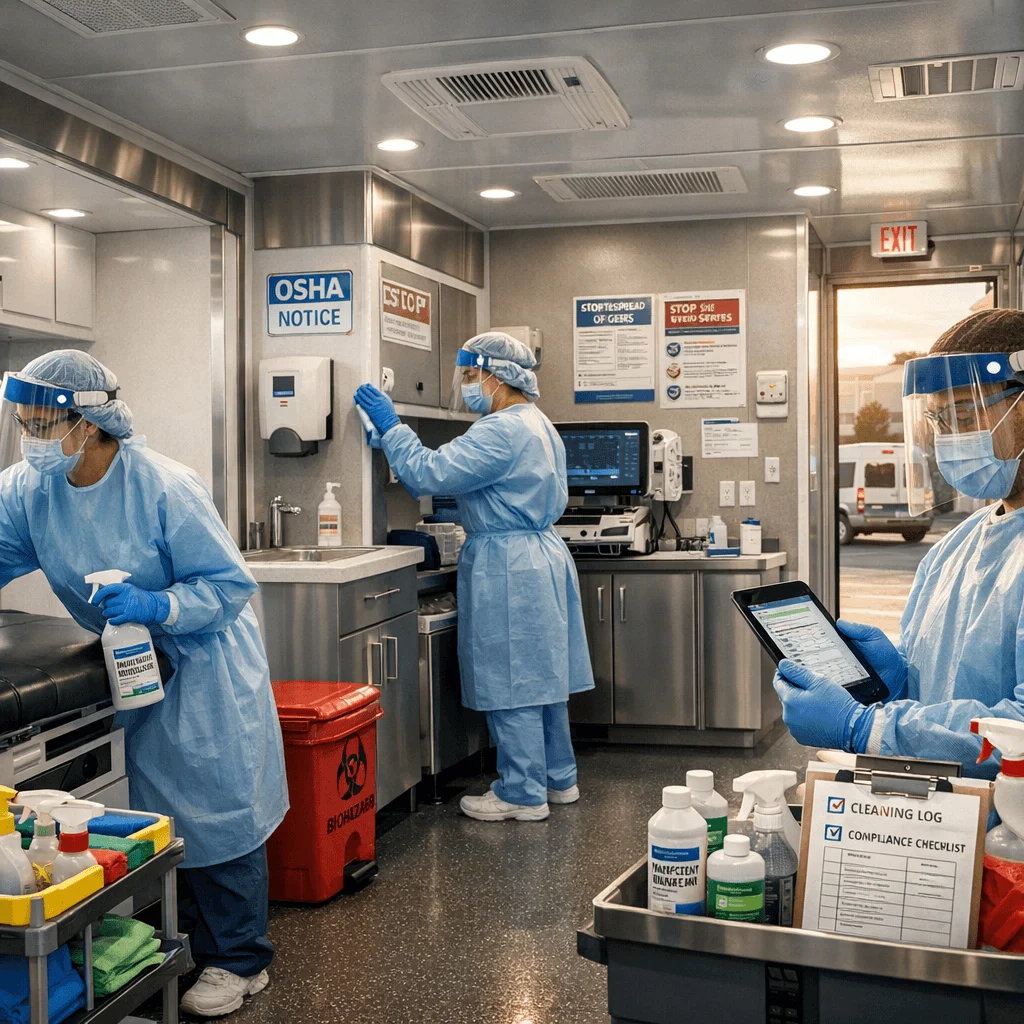
Cleaning a medical trailer is the process of disinfecting, decontaminating, [...]
Discover the full cost breakdown of mobile medical vehicles, including pricing factors, equipment, customization, and maintenance to plan your investment confidently.
Looking for mobile medical unit safety standards? Learn NFPA 99, OSHA, CDC & FDA requirements to protect patients and pass inspections.
