
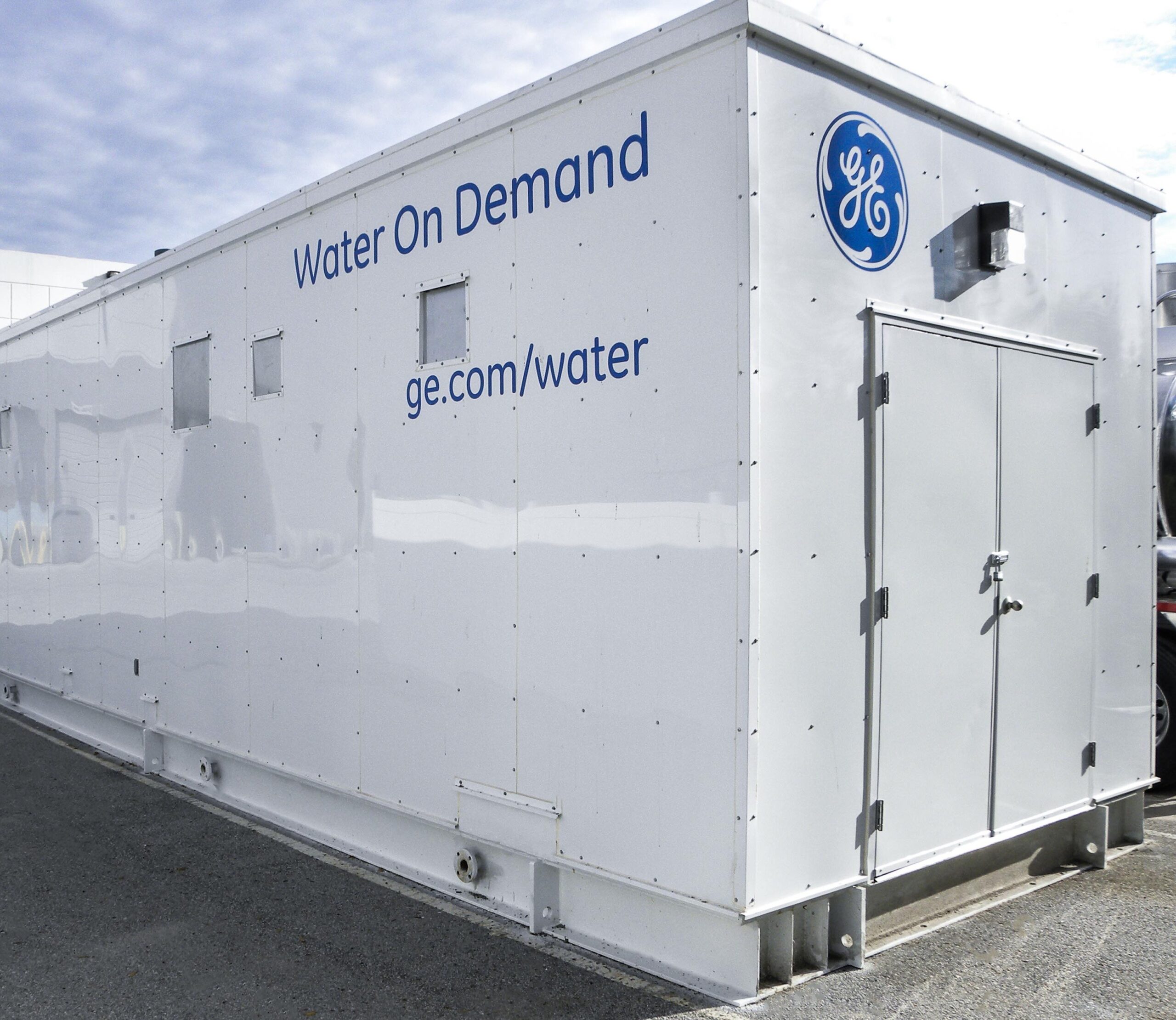
Access to safe drinking water is one of the biggest operational challenges in remote deployments. Whether it’s a military mission, disaster relief camp, mining site, or scientific expedition, contaminated water can halt operations, threaten health, and increase logistics costs. Deployable water treatment systems address this issue by producing clean, potable water directly on-site, thereby eliminating the need to transport bottled water.
Let’s examine the various types, components, and selection criteria for water treatment systems employed in remote and challenging environments.
What Is a Water Treatment System for Remote Deployments?
A remote water treatment system is a self-contained unit designed to purify water from natural sources, such as rivers, lakes, or wells, into safe, drinkable water. These systems are:
- Portable or modular: allowing transport via trucks, helicopters, or boats.
- Energy-efficient: optimized for low power availability.
- Multi-stage: using processes like filtration, disinfection, and desalination.
- Rapid-deploy: operational within hours of arrival.
They are vital for:
- Military forward operating bases.
- Disaster relief operations.
- Remote oil, gas, and mining camps.
- Humanitarian aid in crisis zones.
- Remote scientific or construction sites.
Key Types of Water Treatment Systems for Remote Use
The following types of water treatment systems are beneficial for remote use:
1. Reverse Osmosis (RO) Units
RO systems force water through a semi-permeable membrane, removing salts, bacteria, and contaminants.
- Removes up to 99% of dissolved solids.
- Handles brackish and seawater sources.
- Produces large volumes (from 500 to 100,000 liters/day).
- Often integrated with UV sterilizers and pre-filters.
Example: Military ROWPU (Reverse Osmosis Water Purification Unit) used for field deployment.
2. Ultrafiltration (UF) Systems
UF systems utilize hollow fiber membranes with pore sizes ranging from 0.01 to 0.1 microns.
- Removes suspended solids, viruses, and bacteria.
- Operates at lower pressure than RO (less energy use).
- Ideal for freshwater sources with high turbidity.
- Often combined with chlorination for residual protection.
3. UV Disinfection Units
UV light destroys microorganisms by altering their DNA.
- Provides chemical-free disinfection.
- Best used as a secondary barrier after filtration.
- Requires stable power but minimal maintenance.
- Often deployed in compact field stations.
4. Mobile Water Treatment Trailers
Containerized Mobile Water Treatment trailers house multiple treatment stages (coagulation, sedimentation, filtration, RO, UV).
- Ready to operate in under 4 hours.
- Capable of supplying entire camps or villages.
- Mounted on ISO containers or trailers for rapid movement.
5. Desalination Plants for Coastal Deployments
Combines RO with energy recovery devices for seawater desalination.
- Essential for island-based or coastal operations.
- Produces potable water with <500 ppm TDS.
- Solar-powered variants are available for energy-limited sites.
Essential Components of Deployable Water Treatment Systems
Given below is the list of essential components of a deployable water treatment system:
Component |
Function |
|
Intake pumps |
Draw water from surface or underground sources. |
|
Pre-filters |
Remove large debris and silt. |
|
Chemical dosing |
Coagulates particles for easier removal. |
|
Membrane filters |
Remove dissolved salts and pathogens. |
|
UV sterilizers |
Neutralize remaining microorganisms. |
|
Storage tanks |
Hold treated water before distribution. |
|
Control panels |
Automate monitoring and flow regulation. |
How to Select the Right System for Remote Operations
Choosing the right water treatment solution depends on multiple factors:
1. Source Water Quality
- Freshwater: UF or basic filtration with UV.
- Brackish or seawater: RO with pre-treatment.
- Contaminated water (chemical or biological): Multi-stage treatment with activated carbon and UV.
2. Treatment Capacity
- Small teams (≤20 people): Compact portable purifiers (50–200 liters/hour).
- Mid-size camps (20–500 people): Containerized modular systems.
- Large operations (>500 people): High-capacity RO or mobile treatment plants.
3. Mobility and Footprint
- Backpacks or briefcase-sized for tactical missions.
- Skid-mounted for pickup trucks.
- ISO container-based for permanent or semi-permanent sites.
4. Power Availability
- Solar-powered and hand-pump models for no-grid scenarios.
- Diesel or electric pumps for higher flow rates.
5. Compliance and Standards
- WHO drinking water guidelines.
- Military or humanitarian field water standards.
Advantages of Deployable Water Treatment Systems
Let’s explore some benefits of a deployable water system:
- Autonomy: Eliminates reliance on bottled water logistics.
- Safety: Reduces the risk of waterborne diseases (cholera, Giardia, E. coli).
- Scalability: Supports growing camps or emergency surges.
- Sustainability: Reduces plastic waste and transport fuel.
- Speed: Produces potable water within hours of deployment.
Common Challenges and Mitigation
Challenge |
Solution |
|
High turbidity or sediment |
Multi-stage sand and carbon pre-filters. |
|
Low power availability |
Solar, hand pumps, or energy recovery. |
|
Harsh environmental conditions |
Rugged, weatherproof enclosures. |
|
Filter clogging |
Automated backwashing and spare filter kits. |
|
Brine disposal (RO systems) |
Portable brine concentrators or evaporation ponds. |
Maintenance and Operation in the Field
- Perform daily checks on pressure, flow, and chlorine residuals.
- Replace the pre-filters every 100–500 hours, depending on the turbidity level.
- Backwash UF membranes regularly to prevent fouling.
- Train operators in chemical dosing and safe handling.
- Stock spare parts for remote maintenance, ensuring uninterrupted supply.
Future Trends in Remote Water Treatment
- AI-powered monitoring for predictive maintenance.
- Solar desalination for zero-fuel consumption.
- Nano-filtration membranes with higher recovery rates.
- Integrated water-energy systems combining purification with microgrids.
Frequently Asked Questions
What are the different types of water treatment systems?
Water treatment systems include filtration, sedimentation, reverse osmosis, UV purification, ion exchange, and activated carbon treatment. Each system targets specific contaminants like bacteria, heavy metals, or chemicals to ensure safe drinking water.
What is a decentralized water treatment system?
A decentralized water treatment system treats water close to its point of use rather than at a centralized facility. These systems suit rural areas, small communities, or industrial sites needing localized water purification.
What is the most effective water treatment system?
Reverse osmosis is considered the most effective system. It removes up to 99% of dissolved salts, bacteria, and harmful chemicals, making it ideal for producing high-purity drinking water in both residential and industrial applications.
What is the best available technology for water treatment?
Membrane filtration technologies, such as ultrafiltration and reverse osmosis, are the best available options. They effectively remove pathogens, microplastics, and contaminants while maintaining energy efficiency and compliance with global water quality standards.
What are the advanced methods of water treatment?
Advanced water treatment methods include membrane bioreactors, advanced oxidation processes, electrochemical treatment, and nanofiltration. These methods target emerging pollutants, pharmaceuticals, and micro-contaminants that conventional systems often fail to eliminate.
Get Reliable Water Solutions for Remote Deployments Through Craftsmen Industries
Reliable water treatment is a mission-critical requirement for remote operations. Modern systems combine portability, energy efficiency, and multi-stage purification to deliver safe drinking water anywhere on Earth. From tactical RO units to containerized mobile plants, operators can secure a steady water supply without heavy resupply chains.
For expert consultation and tailored deployable water treatment solutions, contact the craftsmen team today to ensure uninterrupted access to safe drinking water in any remote environment.
Filter Posts by Tag
related posts
Back to Basics: How Your Company Could Benefit From Industrial Manufacturing
Learn how to design net-zero trailers with solar power, energy-efficient systems, and smart controls to support sustainable, off-grid field operations.

Learn how our leasing pool can help you win big at your next marketing event or aid efficiency of your mobile industrial projects!
