
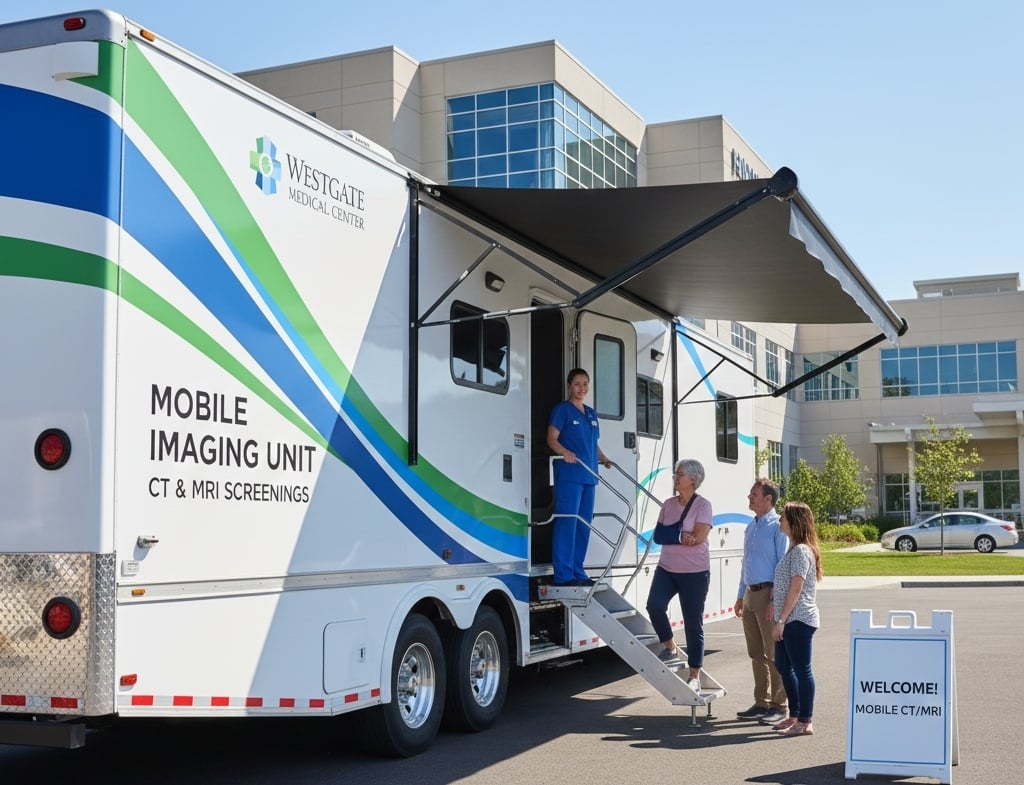
Mobile medical imaging units are transforming healthcare delivery by bringing advanced diagnostic technologies directly to patients, particularly those in remote, underserved, or rural areas. These cutting-edge mobile units are equipped with state-of-the-art imaging systems like X-rays, CT scans, MRIs, and ultrasounds, enabling healthcare providers to offer timely, life-saving diagnoses and treatments.
A study by Al-Naser et al. (2024) highlights that mobile units not only bridge the gap in service provision but also spotlight a transformative approach to delivering healthcare, enhancing access and equity in underserved regions. By eliminating the need for patients to travel long distances to access imaging services, these units are making healthcare more accessible and efficient.
In this blog, we’ll delve into the latest advancements in mobile medical imaging technology and explore how these mobile units are not only improving diagnostic capabilities but also expanding healthcare access to communities in need.
What Are Mobile Medical Imaging Units?
Mobile medical imaging units are specially designed vehicles equipped with advanced diagnostic technologies, including X-ray machines, CT scanners, MRI machines, and ultrasound devices.
These mobile units enable healthcare providers to deliver imaging services directly to patients in locations where fixed imaging facilities are unavailable or impractical. They play a crucial role in enhancing healthcare accessibility, particularly in underserved or remote areas.
1. Key Technologies in Mobile Medical Imaging Units
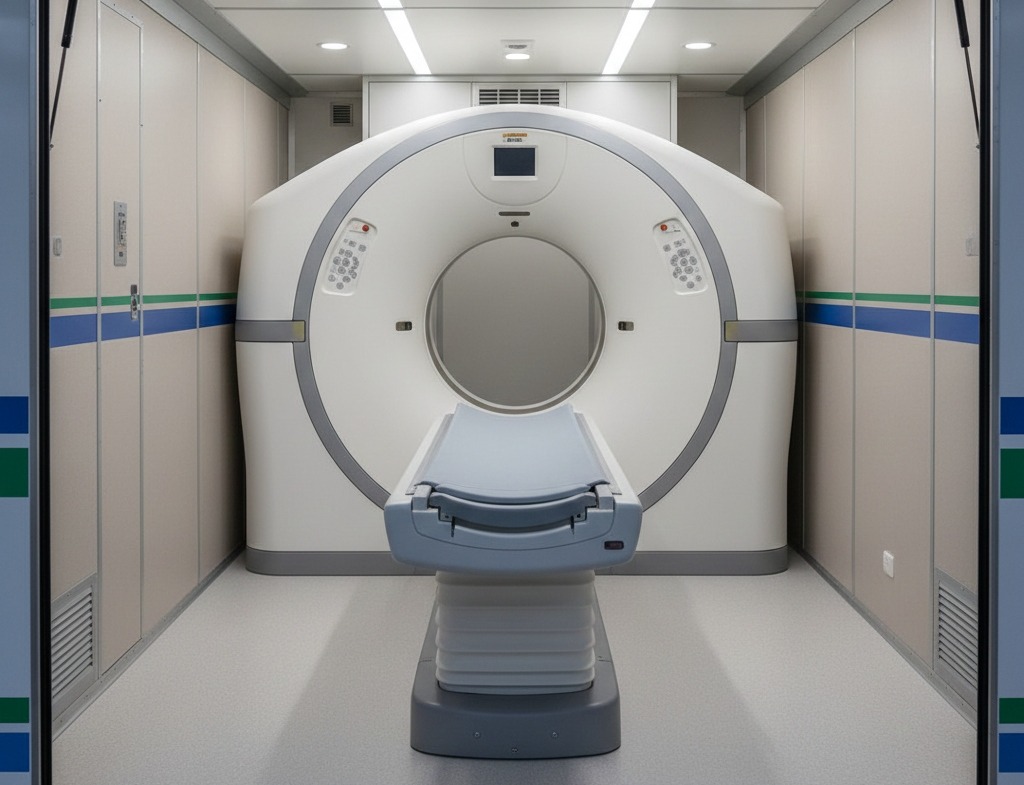
- X-ray Imaging: Portable digital X-ray systems allow for quick and efficient imaging, facilitating the diagnosis of various conditions.
- CT Scanning: Mobile CT scanners provide detailed cross-sectional images, aiding in the diagnosis of complex conditions.
- MRI Machines: Compact MRI units offer high-resolution imaging without the need for patient transport to a hospital setting.
- Ultrasound Devices: Portable ultrasound machines enable real-time imaging, essential for various diagnostic procedures.
2. Benefits of Mobile Medical Imaging
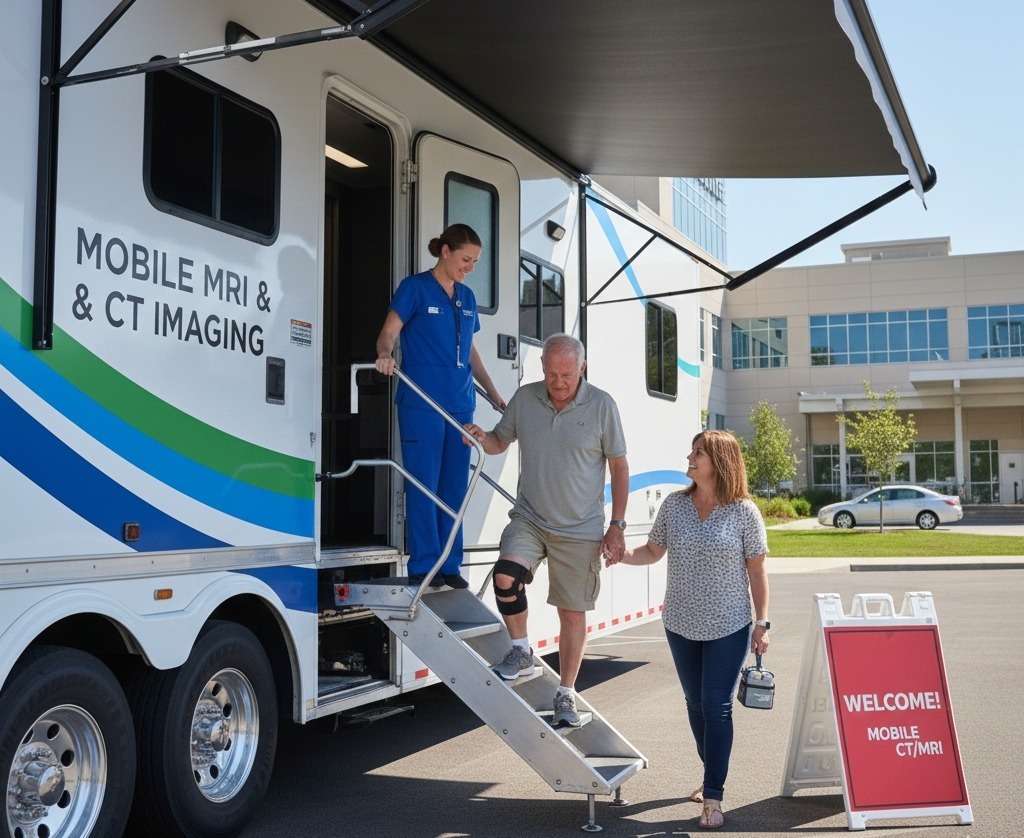
- Increased Accessibility: Mobile units bring diagnostic services to remote or underserved communities, reducing the need for patients to travel long distances.
- Timely Diagnoses: By providing on-site imaging, these units facilitate quicker diagnoses, leading to faster treatment decisions.
- Cost-Effectiveness: Operating mobile units can be more cost-effective than establishing fixed imaging facilities, especially in areas with low patient volumes.
A study by Hadi et al. (2024) emphasizes the role of mobile MRI and CT units in addressing healthcare accessibility challenges and reducing patient wait times in Saudi Arabia. The study highlights that these mobile units can streamline radiological services by decentralizing imaging capabilities, thus improving patient outcomes in remote or underserved areas.
What types of imaging are available in mobile medical units?
Mobile medical units typically offer a range of imaging technologies, including X-rays, CT scans, MRI machines, and ultrasound devices, providing comprehensive diagnostic services in a portable format.
Latest Tech in Mobile Medical Imaging
Mobile medical imaging units are revolutionizing healthcare delivery by providing advanced diagnostic capabilities directly to patients, particularly in remote or underserved areas. Here’s an overview of the latest technologies enhancing mobile imaging:
1. X-ray Imaging
Portable digital X-ray systems in mobile units offer high-quality images with reduced radiation exposure, enabling faster diagnostics and improved patient safety.
2. CT Scanning
Mobile CT scanners provide high-resolution imaging, which is crucial for diagnosing conditions such as brain injuries, cancers, and cardiovascular diseases. Their mobility is crucial for accessing urgent care and rural healthcare.
3. MRI Machines
Mobile MRI units now feature high-performance systems, enabling non-invasive imaging of soft tissues and neurological conditions, thereby ensuring timely care for patients in underserved regions.
4. Ultrasound Technology
Mobile ultrasound units offer real-time imaging of internal organs and blood flow, making them valuable for prenatal care and diagnosing heart, liver, and kidney conditions.
According to a study, mobile imaging units, including CT, MRI, and X-ray systems, have significantly improved diagnostic capabilities in underserved regions. The research highlights that these mobile units help reduce diagnostic delays and improve patient outcomes by providing on-site, immediate imaging.
Benefits of Mobile Medical Imaging Units
Mobile medical imaging units are changing the way diagnostic services are delivered, offering numerous benefits to both healthcare providers and patients.
These units enhance access to critical imaging services, reduce wait times, and improve the overall patient experience. Let’s explore the key advantages of mobile medical imaging:
1. Increased Accessibility
Mobile medical imaging units break down geographic barriers by offering diagnostic services in underserved areas where traditional medical imaging centers may not be available.
They bring critical imaging technologies, such as X-rays, CT scans, and MRIs, directly to patients in rural or remote regions, ensuring that those in need have access to life-saving diagnostics.
2. Reduced Waiting Times
By bringing imaging services directly to communities, mobile units eliminate long waiting times for imaging appointments.
This is particularly important in emergency situations, where rapid diagnostics are critical for timely and effective treatment planning. With mobile units, patients can receive care immediately, reducing delays in diagnosis and care.
3. Cost-Effectiveness
Operating a mobile medical imaging unit is more cost-effective than maintaining a traditional brick-and-mortar imaging center. Mobile units can serve multiple locations, reducing infrastructure and maintenance costs while still providing high-quality diagnostic services.
This model makes advanced imaging more affordable for healthcare systems, particularly in underserved regions.
4. Improved Patient Experience
The convenience of having imaging services delivered directly to patients improves the overall experience.
Patients no longer need to travel long distances to access diagnostic services, which can be particularly challenging for those with mobility issues or those living in rural areas.
Mobile imaging units provide patients with a more accessible and comfortable healthcare experience.
Key Challenges in Mobile Medical Imaging
While mobile medical imaging units are transforming healthcare, they face several challenges that need to be addressed:
1. Power Supply & Maintenance
Mobile imaging units rely on high-power generators or external power sources, which must be maintained regularly to ensure uninterrupted operation. The need for reliable power can sometimes limit the mobility and flexibility of these units.
2. Space Constraints
Due to the need to house large and complex medical equipment, mobile units often face space limitations. The design of the unit must strike a balance between the need for advanced imaging technology and the available space, ensuring safe and efficient operation.
3. Regulatory Compliance
Mobile medical imaging units must comply with strict regulations, including those set by state health departments. They must meet the same standards as fixed imaging centers, ensuring the safety and accuracy of the imaging equipment. This requires regular inspections and maintenance.
The Future of Mobile Medical Imaging
Mobile medical imaging technology is rapidly evolving, and the future holds exciting possibilities. Some key trends to watch for include:
1. Integration of Artificial Intelligence (AI)
AI-assisted diagnostic tools are beginning to be integrated into mobile imaging units. These tools can help detect abnormalities, such as tumors or fractures, more accurately and quickly. AI can also assist in automating certain aspects of the imaging process, thereby improving efficiency and reducing human error.
2. Telemedicine Capabilities
Mobile imaging units will increasingly incorporate telemedicine features, enabling radiologists to remotely interpret results. This will expand access to expert diagnoses, especially in underserved areas, and ensure that patients receive timely care.
3. Sustainability
As with many other healthcare innovations, mobile medical imaging units are expected to become more sustainable. The use of solar power, eco-friendly materials, and energy-efficient equipment will reduce the environmental impact of these units, ensuring they are both economically and environmentally viable.
Bringing Healthcare Directly to Your Doorstep
Mobile medical imaging units are redefining healthcare delivery by making diagnostic services more accessible, timely, and cost-effective. As technology continues to advance, these units will play an increasingly crucial role in expanding healthcare access, particularly in rural and underserved communities.
Craftsmen Industries is a leader in designing and building custom mobile medical units, including advanced imaging solutions. If you are looking to bring mobile medical imaging services to your community or organization, contact Craftsmen Industries today. Our team will work with you to create the perfect mobile solution to meet your needs and enhance healthcare access.
Frequently Asked Questions
1. What types of imaging technologies are available in mobile medical units?
Mobile medical units typically offer X-ray, CT scans, MRI, and ultrasound imaging, providing a wide range of diagnostic services.
2. How do mobile medical imaging units improve healthcare accessibility?
By bringing imaging services directly to patients, mobile units make healthcare more accessible, especially in rural or underserved areas.
3. What are the benefits of using AI in mobile medical imaging?
AI can assist in diagnosing abnormalities more accurately and quickly, improving patient outcomes and reducing human error.
4. Are mobile medical imaging units regulated?
Yes, mobile medical imaging units must comply with strict regulations, including those set by the FDA and state health departments, to ensure safety and accuracy.
5. What Are the Advantages of Using Mobile Medical Imaging Units?
Mobile medical imaging units improve accessibility, reduce wait times, and lower costs by bringing essential diagnostic services directly to patients, particularly in remote or underserved areas.
Filter Posts by Tag
related posts
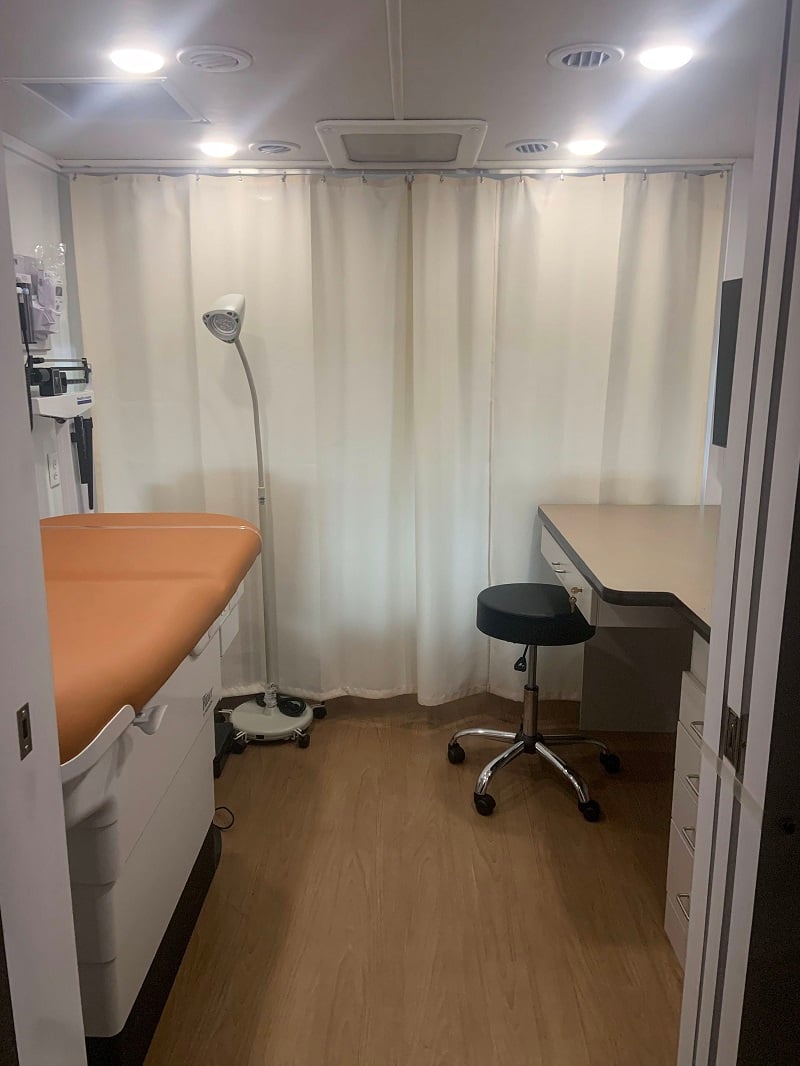
Mobile medical vehicles benefit communities. Discover ways to effectively introduce them to your community for maximum impact.

Explore how medical vehicles deliver care in rural areas and emergencies, offering mobile clinics, diagnostics, and life-saving disaster response.
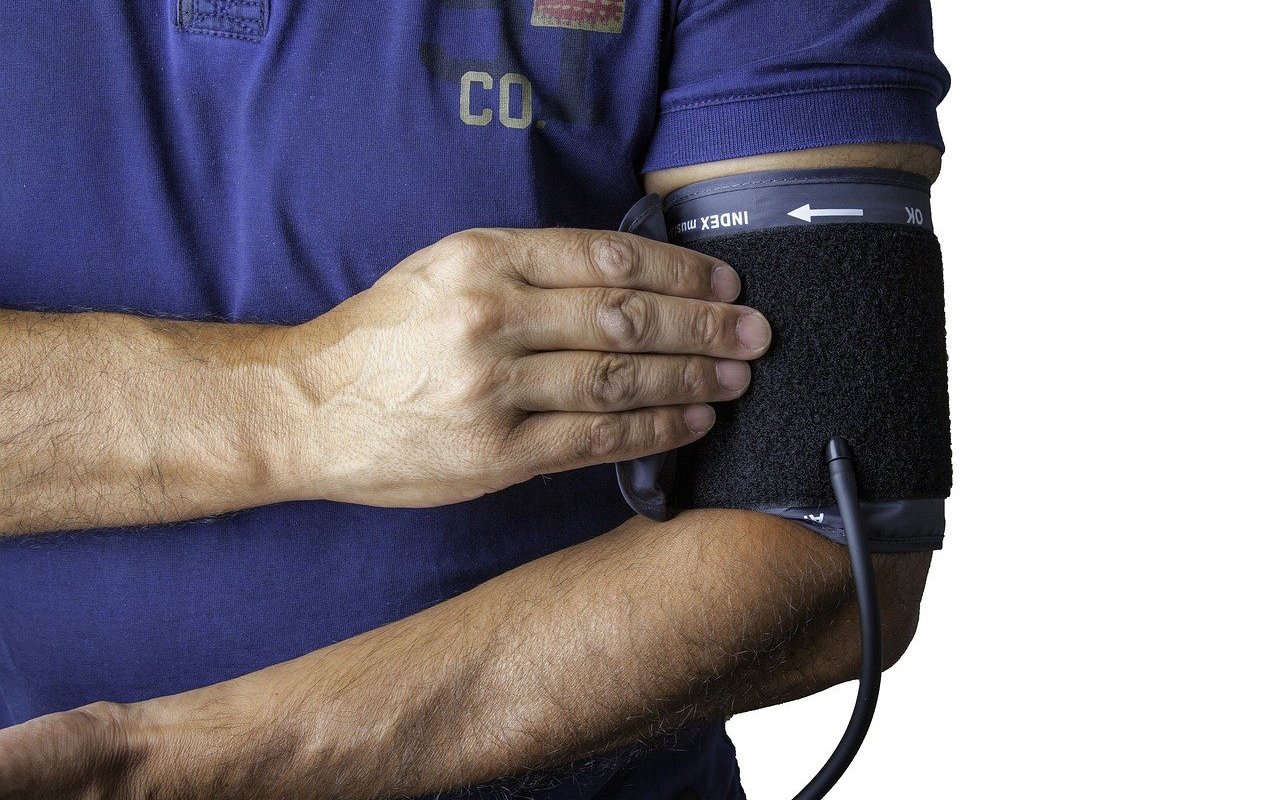
With Medical vehicles, health care workers can set up at county fairs or other large gatherings to screen individuals for chronic illness. Read on.
