
So you’ve decided to have your car custom vinyl wrapped, or to invest in fleet wraps, and can’t wait to get it done? Whether you’re going with branded colors, custom graphics, or a company logo, adding a vinyl wrap can help your vehicle stand out and protect the paint job underneath. While you may be excited and revving to go, it is essential to do the work to prepare your vehicle first.
Not going through proper and thorough surface preparation is the number one cause of adhesion issues when it comes time to applying vinyl. If there is still grease or dirt on the car or vehicle, you may end up with the vinyl wrap sticking to the dirt instead of the car. Take the time to inspect, clean, and prepare vehicles before wrapping.
Tools You’ll Need
- Alcohol solution made from 70% isopropyl alcohol and 30% water
- Soap and water solution
- Clean cloths free of lint
- Squeegee
- Plastic scraper
Step 1: Wash the Car
First things first, wash the vehicle. Wash your car the day before it is to be inspected. If you don’t have time the day before, a few hours before inspection should work as long as the car has time to dry off fully. This includes all under-body areas, door channels, and wheel wells.
Handwashing will best guarantee that all areas are clean. Start by making a simple soap and water solution, adding a small amount of soap to a bucket of warm water. This should remove the majority of the dirt, grease, and wax. Pay special attention to areas around the wheel arches and in the bodywork where dirt and grime like to build up.
Follow up with an alcohol solution. Mix 70% isopropyl alcohol and 30% water. Alcohol will help cut through any oils left on the car’s surface. One method that works well is to wipe the alcohol solution over the vehicle with a clean cloth, drying as you go. You may want to repeat this process just before vinyl application.
Wiping with alcohol will also help evaporate any water left behind. Water that gets trapped underneath vinyl will cause lifting and bubbling, and this will affect the look of the wrap.
Note: No Wax!
Be sure to remove all wax from the car when washing, and do not add wax after the car is clean. While a shiny, waxed vehicle looks great coming out of the carwash, any wax left on the car can mess up your vinyl installation and prevent it from bonding properly to the surface.
Step 2: Inspection
Once the vehicle is washed and dried, you’ll want to have it inspected. You may choose to take it to a professional or do it yourself. Keep in mind that some paint defects may not be noticed by the naked eye.
If you’re doing the inspection yourself, be sure to look for gouges in the vehicle body, scrapes in paint, rust spots, or any other cosmetic issues that may interfere with the vinyl application. You’ll find your vinyl wrap will stick very well to rust, paint bubbles, uneven areas, or peeling paint. This will negatively affect the look of your wrap.
There is also the possibility that vinyl applied to poorly painted vehicles will peel off the paint job during removal, damaging, instead of protecting, the bodywork of the car. A thorough inspection will make you aware of any problems that you need to address before moving on.
Step 3: Address Trouble Spots
If your inspection has discovered areas with rust, paint bubbles, peeling, or other problems, fix these before vinyl application. Vinyl is thin and can amplify any dents or rough areas on the car’s body.
If you find small spots of surface rust on the top layer of metal, you may be able to remove these yourself. With the area well cleaned, you can start by masking off the section where you’ve found the rust. This will keep it from spreading. Apply a rust removal spray to the affected area, following the instructions for the product. Once you see the spray has worked, take a piece of sandpaper and gently sand the area. Rinse and dry well, and wipe once more with the alcohol solution. Once dry, you can apply a coat of primer or if the area is bare metal, use a clear coat to cover.
Step 4: Taping and Hardware Removal
For areas such as the vehicle’s grill, fog lights, and wheel wells that may accumulate road grit, you should apply masking tape to prevent any dirt from shaking loose during the vinyl wrapping process. If doors, hoods, and trunks are opened and closed during application, you may find grit and stones falling into the vinyl. One the car is wrapped, you should remove all the tape.
Remove hardware from the vehicle, such as lights, door handles, and badges, to give a smoother finish to your vinyl wrap. This prevents the need for patching once the process is finished. A plastic blade scraper may help in the removal of any leftover tape or adhesive.
Preparing a car or vehicle for vinyl wrapping does take some time and care, but in the end, you’ll be glad you put in the effort. A vinyl wrap will show every bump and crease going on underneath. Best to go into wrapping with your vehicle clean, smooth, and completely dry.
Many professional installers like Craftsmen will handle majority of the prep for you ensuring the smoothest possible application.
Filter Posts by Tag
related posts
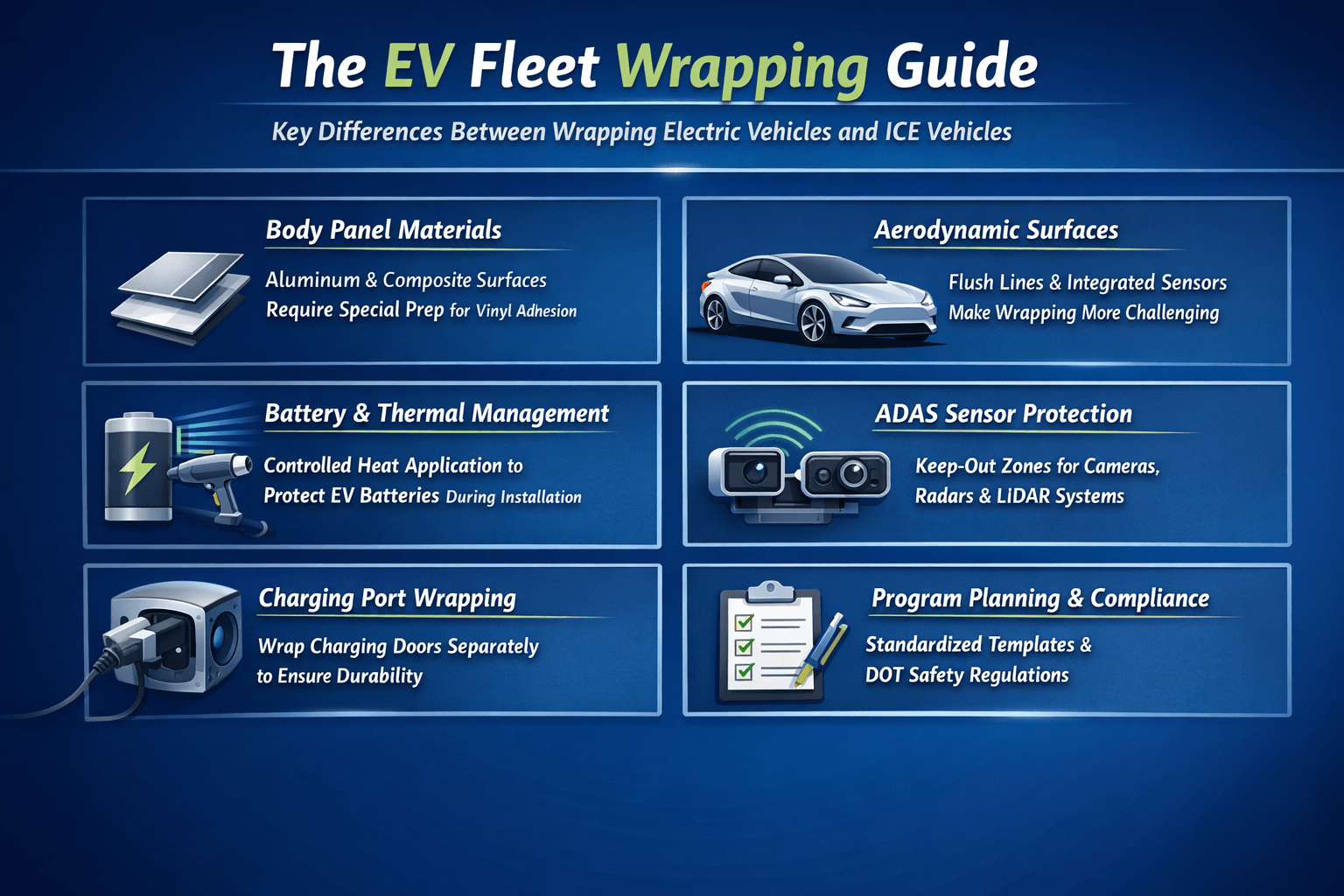
Wrapping electric vehicle fleets is a specialized process that requires [...]
Wraps change an assortment of trucks into a unified fleet into a neighborhood legend. So how is a vehicle wrap actually installed? Read on.
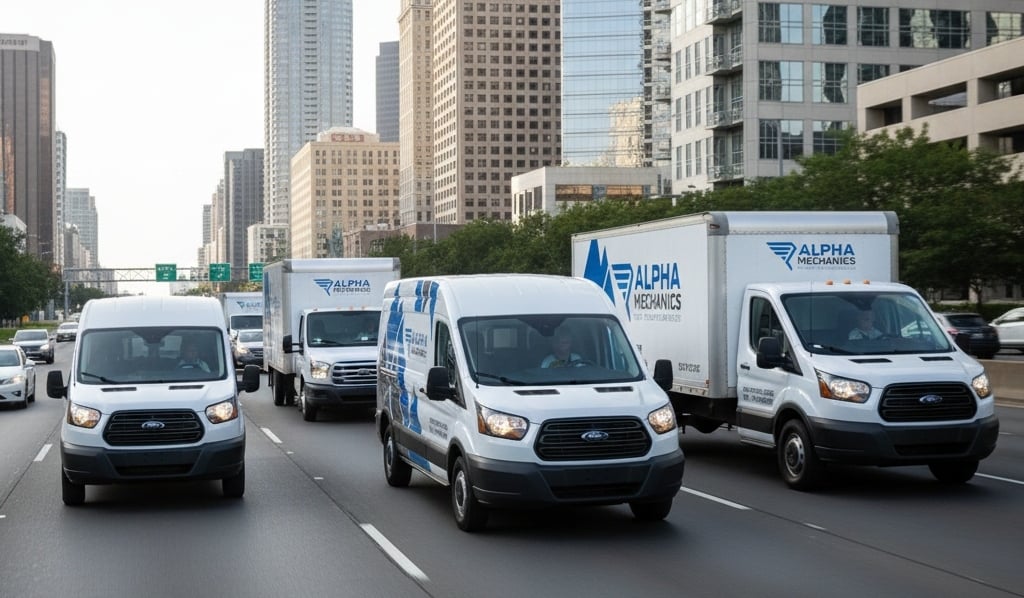
Transform your fleet into mobile marketing powerhouses with custom wraps and graphics. Maximize visibility, brand recognition, and professional appeal on every road.
