
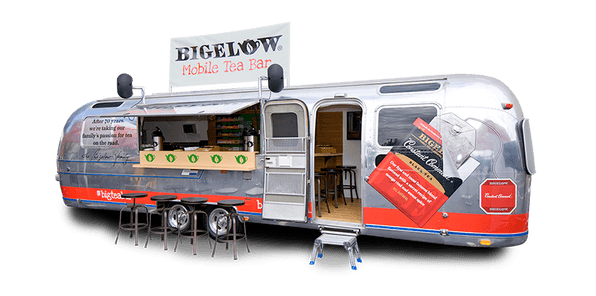
Experiential marketing is all about creating memorable, hands-on connections between brands and consumers. Traditionally, mobile promotions and experiences, such as branded trailers, have delivered rich, multi-sensory engagements that foster direct human interaction. However, with the rise of Mobile XR/VR, brands can now offer immersive digital interactions that are scalable and quickly deployable.
So, how do these two approaches truly compare? XR/VR excels in delivering cutting-edge virtual experiences, while traditional units shine in physical presence and tactile connection. At Craftsmen Industries, we craft custom mobile units that blend these strengths, helping brands create unforgettable activations anywhere.
What is Mobile XR/VR in Experiential Marketing?
The realm of Mobile XR/VR brings the cutting-edge technology of virtual and extended reality into mobile marketing environments, making immersive digital experiences accessible anywhere.
Mobile XR/VR setups often include portable VR headsets paired with custom-designed trailers or pop-ups equipped with XR-ready technology. These trailers serve as mobile “experience hubs” where users can don headsets to explore virtual product demos, gamified brand environments, or augmented reality overlays, all while on the move.
Key Features of Mobile XR/VR
- Immersive Interfaces: XR and VR offer fully immersive 3D environments with motion tracking and spatial audio, heightening user engagement.
- Portability: XR trailers or mobile VR stations allow brands to deploy these experiences at events, trade shows, retail locations, or public spaces.
- Interactive Content: From virtual test drives to AR-enhanced product showcases, XR/VR experiences encourage exploration and user agency.
- Technology Integration: Mobile XR units require sophisticated hardware and software integration, including headset stations, high-speed computing, and seamless content management.
This technological approach enables marketers to offer experiential campaigns that scale quickly and deliver novel, memorable interactions beyond what traditional units can offer. However, it comes with technical and logistical complexities that must be carefully managed.
Traditional Experiential Units: Tangible, Tested, and Trusted
Before the digital wave, traditional experiential trailers, such as branded trailers, mobile showrooms, and pop-up activation stages, dominated physical engagement. These units rely on tactile, sensory-driven brand activations that foster direct human-to-human connections and touchpoint-rich environments.
Why Traditional Units Remain Vital
- Physical Immersion: Visitors can touch, see, hear, and sometimes taste or smell products, creating a multi-sensory brand experience.
- Established Trust: Physical units have a long history of delivering compelling brand storytelling and consumer engagement.
- Customization and Comfort: These trailers often feature climate control (HVAC), custom interiors, LED displays, and interactive kiosks, all designed to maximize comfort and brand alignment.
- Face-to-Face Interaction: Sales teams and brand ambassadors play a vital role in guiding consumers through live demonstrations.
While traditional units may require more space, time for setup, and staffing, their proven ability to build emotional connections and sensory memories makes them an indispensable tool in experiential marketing.
Comparing Engagement: Virtual vs. Physical Presence
Understanding how audiences engage differently with mobile XR/VR versus traditional experiential units is fundamental for marketers aiming to optimize impact.
Mobile XR/VR engages users primarily through visual and cognitive immersion. The headset experience reduces outside distractions, creating a deep sense of presence within virtual spaces. However, the tactile and social elements are limited compared to physical environments.
In contrast, traditional experiential units rely on multisensory inputs, including touch, smell, sound, and direct interaction with brand ambassadors, which can lead to stronger emotional imprints and enhanced memory retention.
Engagement Factors to Consider
|
Factor |
Mobile XR/VR |
Traditional Experiential Units |
|
Sensory Depth |
Primarily visual/auditory immersion |
Multi-sensory (touch, smell, sound) |
|
Emotional Impact |
High due to immersion, but isolated |
High due to social and physical contact |
|
Memory Retention |
Strong visual memory |
Strong multi-sensory memory |
|
Dwell Time |
Can be controlled and gamified |
Depends on physical comfort and staff |
|
Social Interaction |
Limited to single users or remote users |
Direct, in-person engagement |
While XR offers a futuristic and novel experience, traditional units continue to excel at fostering direct emotional bonds through physical presence. Choosing the correct mode depends largely on brand goals and audience preferences.
Operational Logistics and Cost Analysis
Deploying either mobile XR/VR units or traditional experiential units involves unique logistical and financial considerations.
Mobile XR/VR Logistics
- Requires skilled technical staff to manage VR hardware, software updates, device sanitation, and troubleshooting.
- Power requirements can be substantial, needing generators or high-capacity electrical hookups.
- Equipment is fragile and requires secure storage and transportation.
- Setup time varies depending on the complexity of the technology, but is generally quicker once the system is designed.
Traditional Experiential Unit Logistics
- Involves transportation of heavy trailers or vehicles, often requiring licensed drivers.
- Needs setup crews for assembly, decoration, HVAC operation, and staffing.
- Maintenance of physical units includes fuel, cleaning, and repairs to custom interiors.
- Storage space is required for larger physical assets when not in use.
Cost Considerations
|
Cost Aspect |
Mobile XR/VR |
Traditional Experiential Units |
|
Initial Investment |
High-tech hardware/software |
Fabrication, vehicle purchase |
|
Staffing |
Technical support specialists |
Event staff, brand ambassadors |
|
Maintenance |
Device upkeep, software updates |
Trailer repair, fuel, cleaning |
|
Deployment Speed |
Fast, digital content easily updated |
Slower, physical logistics involved |
|
Scalability |
Easily scaled with replicas |
Limited by physical unit availability |
Both approaches require substantial investment but differ in ongoing costs and scalability. Mobile XR/VR may reduce transport and staff expenses but increase tech overhead, while traditional units have higher operational costs but a proven return on engagement.
Hybrid Experiential Models: Best of Both Worlds
Forward-thinking brands are increasingly adopting hybrid models that merge XR/VR technologies within traditional mobile experiential units, creating “phygital” experiences that engage users physically and digitally.
The Power of Hybrid Activations
- XR-Ready Trailers: Trailers outfitted with VR headsets, AR overlay screens, and interactive kiosks offer layered engagement options.
- Cross-Sensory Experiences: Users can physically interact with products inside the trailer while also exploring virtual enhancements.
- Dynamic Content: Hybrid units can seamlessly switch between live demos and virtual tours, adapting to audience preferences or event needs.
- Scalable and Flexible: Hybrid models enable modular upgrades, allowing for the integration of new XR technology into trusted physical platforms.
By combining tactile brand presence with immersive digital innovation, hybrid units deliver memorable, adaptable campaigns that appeal to diverse audiences and budget ranges.
Use Cases for Mobile XR/VR and Traditional Experiential Units
Brands across industries are leveraging mobile XR/VR, traditional units, or hybrids to meet evolving consumer expectations and maximize ROI.
- Automotive: Virtual test drives via XR trailers enable customers to explore car features digitally, complemented by physical showrooms featuring hands-on vehicle demos.
- Retail: Brands use VR to simulate store environments while maintaining pop-up shops for direct product trials and customer interaction.
- Healthcare: Virtual health education modules inside mobile XR units, alongside physical screening trailers, enhance patient engagement and awareness.
- Education: Museums utilize VR experiences in mobile units, combined with tactile exhibits, to create richer and more engaging learning environments.
Post-pandemic shifts accelerated the adoption of mobile XR/VR to navigate event restrictions, but traditional units remain essential for tactile, in-person activations. Most effective campaigns blend both approaches, tailored by clear goals and audience insights.
Trends in Experiential Technology and Mobile Installations
The future of experiential marketing blends technological innovation with sustainable mobile fabrication.
- AI and Robotics: AI-driven avatars and autonomous mobile units will personalize experiences.
- Holographic Displays and Spatial Computing: Enhanced XR interfaces without headsets.
- Eco-Friendly Fabrication: Utilizing sustainable materials and solar-powered trailers minimizes environmental impact.
- 5G and Low-Latency XR: Seamless, high-speed connectivity enables richer mobile experiences.
Craftsmen Industries stays at the forefront by integrating these advancements into custom mobile units that meet next-gen brand activation demands.
How Craftsmen Industries Powers Experiential Innovation
At Craftsmen Industries, we specialize in designing and fabricating both traditional mobile experiential units and XR/VR-ready trailers tailored to client needs.
- Our modular builds feature integrated AV systems, LED walls, power management, and climate control.
- We incorporate cutting-edge XR infrastructure, including headset docking stations, high-speed computing, and immersive content platforms.
- Whether a fully branded mobile showroom or a tech-forward XR trailer, our solutions are engineered for durability, scalability, and stunning brand impact.
- Our expertise ensures smooth logistics and turnkey support for live activations nationwide.
Partnering with Craftsmen Industries means your brand benefits from proven craftsmanship combined with forward-thinking experiential technology.
Which Approach Is Right for Your Brand?
Choosing between Mobile XR/VR and traditional experiential units depends on your brand’s goals, budget, target audience, and activation strategy.
- For tech-savvy audiences seeking novel, scalable experiences, mobile XR/VR trailers offer compelling advantages.
- For tactile product demos and emotional, face-to-face interactions, traditional mobile units remain unmatched.
- The hybrid approach offers the best of both worlds, enabling flexible and layered brand storytelling.
Begin by evaluating your customer journey, the desired emotional impact, and your logistical capabilities. Then work with an experienced fabrication partner, such as Craftsmen Industries, to create a custom unit that brings your brand activation vision to life.
Mobile XR/VR vs. Traditional Experiential Units
|
Aspect |
Mobile XR/VR |
Traditional Experiential Units |
|
Engagement Style |
Immersive virtual environments |
Physical, multi-sensory interactions |
|
Setup & Deployment |
Technology-driven, faster setup |
Heavy fabrication, longer setup time |
|
Staff Requirements |
Technical specialists |
Brand ambassadors and event staff |
|
Cost Factors |
Hardware/software costs, lower transport |
Fabrication, fuel, and maintenance |
|
Scalability |
Easily replicated digital content |
Limited by physical trailer availability |
|
Emotional Connection |
High cognitive immersion |
Strong social and sensory emotional bonds |
|
Maintenance |
Software updates, device sanitation |
Physical repairs, cleaning, and HVAC upkeep |
|
Flexibility |
Rapid content updates |
Custom interiors but less dynamic content |
|
Ideal Use Cases |
Virtual demos, gamified product tours |
Hands-on product trials, live demos |
|
Sustainability |
Energy usage for electronics |
Fuel consumption and materials use |
Frequently Asked Questions
Can Mobile XR/VR units work without internet connectivity?
Yes, many XR/VR experiences can run offline if the content is pre-loaded on the system; however, internet access enhances interactivity and enables real-time updates.
How do you ensure hygiene and safety with shared VR headsets?
Proper device sanitation protocols, including the use of UV light cleaning and disposable covers, are standard practice to maintain hygiene during activations.
Are traditional experiential units becoming obsolete with the advent of XR technology?
No, traditional units continue to hold value due to their sensory richness and direct human interaction. Many brands combine both approaches.
What is the typical lifespan of a mobile XR/VR trailer compared to a traditional unit?
With proper maintenance, traditional trailers can last 10 years or more; XR hardware, on the other hand, may require more frequent upgrades (every 2-3 years) to keep pace with technological advancements.
How customizable are XR trailers in terms of branding and interior design?
Highly customizable interiors, exterior wraps, and integrated technology can be tailored to brand specifications, just like traditional trailers.
Drive Your Brand Forward with Craftsmen Industries
Experiential marketing is evolving rapidly, and selecting the proper activation platform can significantly impact the success of your campaign. Whether you’re drawn to the immersive possibilities of Mobile XR/VR or the proven impact of Traditional Experiential Units, or want the best of both with hybrid models, Craftsmen Industries has the fabrication expertise and innovative solutions to bring your vision to life.
Contact Craftsmen Industries today and let’s build an experiential unit that captivates, engages, and converts, wherever your brand takes you.
Filter Posts by Tag
related posts
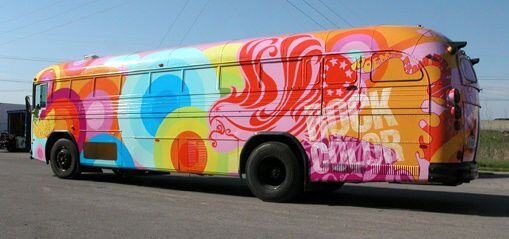
Turn a bus into an immersive brand activation that travels to your audience. See real examples and get expert tips for maximum impact!
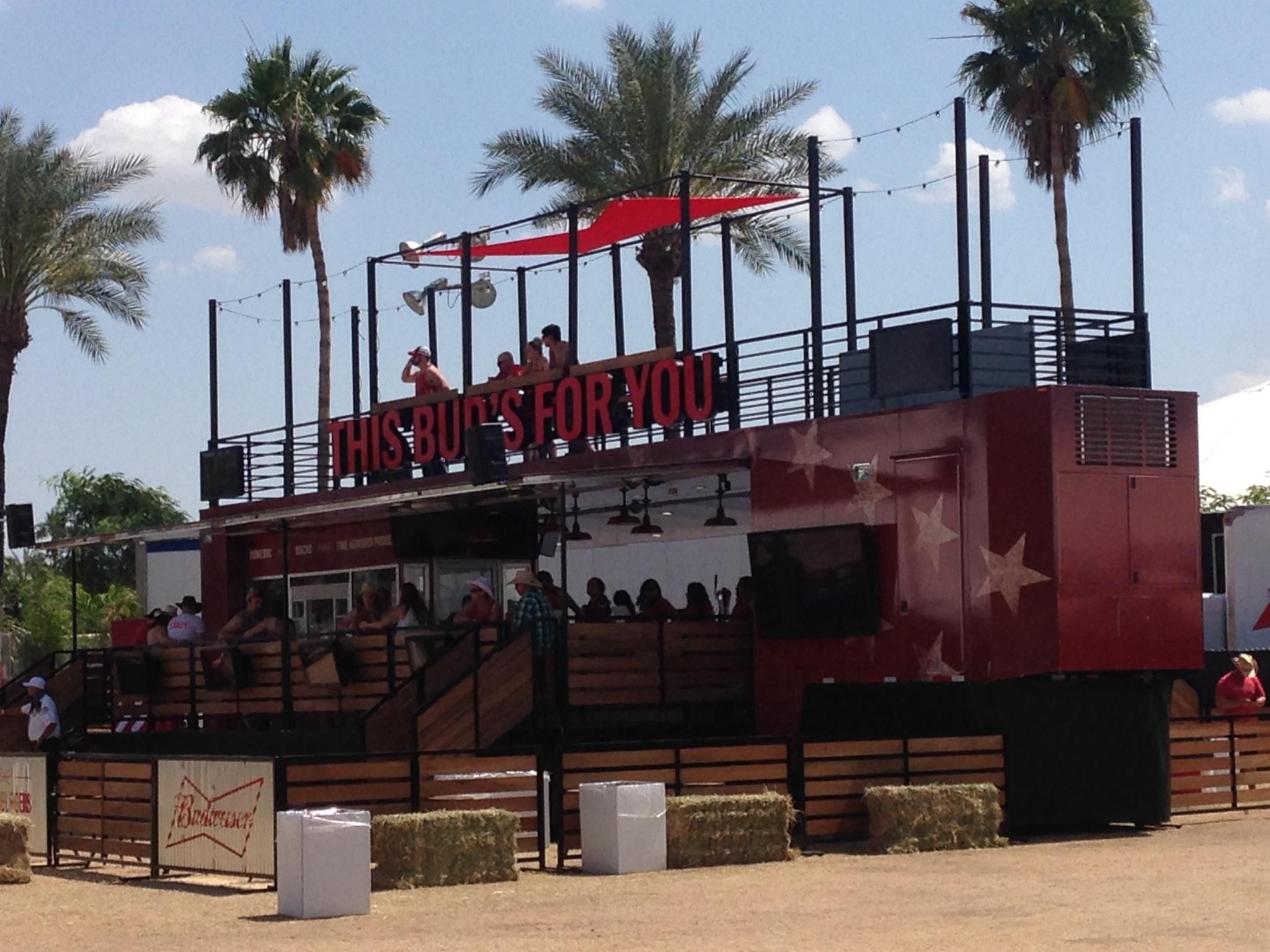
Two Food and Drink Brands that Took Experiential Marketing to the Next Level
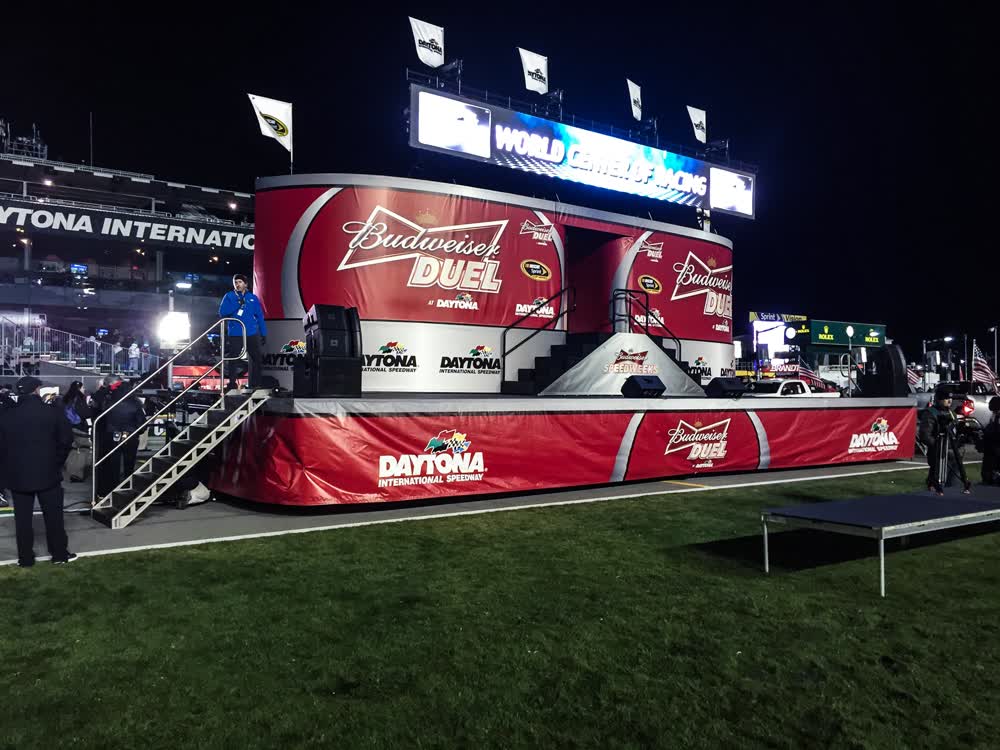
Learn best practices for setting up mobile stage trailers. Ensure safety, speed, and performance with expert tips for events, concerts, and festivals.
