
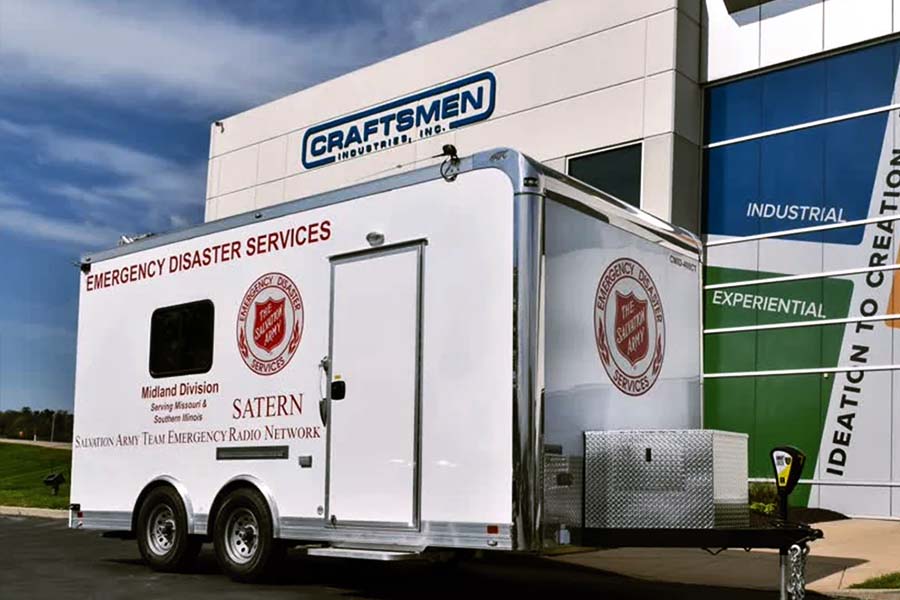
Mobile command centers are crucial vehicles in emergencies and natural disasters. Besides providing a fast response to emergencies, mobile command centers allow emergency responders to monitor and surveil the affected areas. But how are mobile command centers used for surveillance?
This is precisely what we are going to explore below. So keep reading to see how mobile command centers may help your team when dispatched.
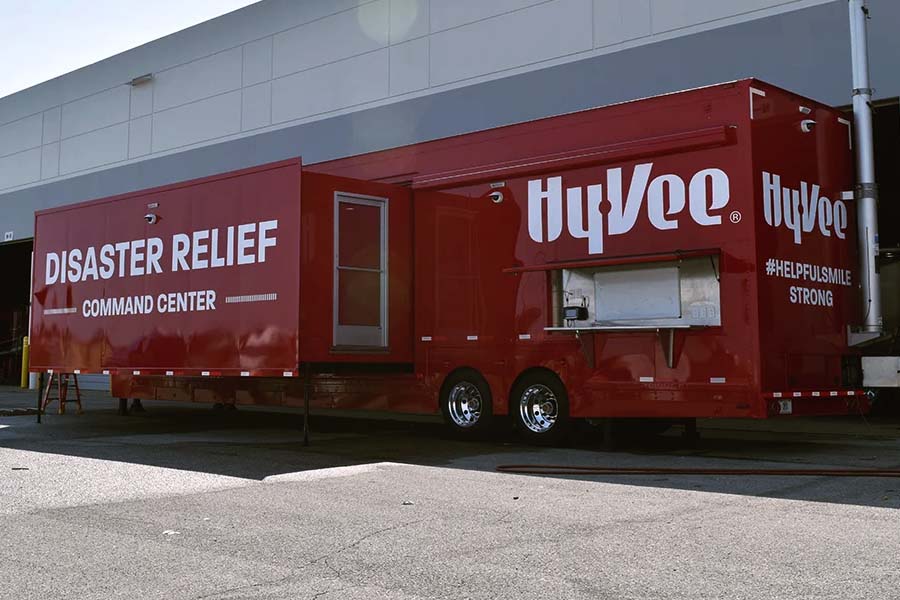
Source: craftsmenind.com
How Are Mobile Command Centers Used for Surveillance?
A mobile command center is a vehicle equipped with sophisticated technology, communication systems, and incident management and surveillance facilities. Mobile command units include standalone trailers or containers.
Mobile command centers are used for surveillance purposes for:
- Public safety
- Law enforcement
- Emergency responses
- Natural disasters
The surveillance capabilities of mobile command units are crucial in gathering real-time information about incidents or operations. They allow you to take control and coordinate your team wherever your help is needed.
At Craftsmen, we equip your command center trailers with advanced surveillance and monitoring technology to gather that information. Our dedicated engineering team can design, engineer, and fabricate a command center according to your needs.
Mobile Command Center: Features and Equipment
Craftsmen ensure that each mobile command center vehicle we design meets the strict environmental and HAZMAT qualifications and guidelines.
Mobile command centers are equipped with the following features and equipment.
Surveillance equipment
For mobile command unit vehicles to be able to surveil, they require the proper surveillance and monitoring equipment. With state-of-the-art surveillance and monitoring equipment, your teams can collect information in real-time.
The collected information offers a comprehensive incident assessment, enabling responders to make informed decisions and divide resources. The high-tech equipment includes:
- High-resolution cameras
- Video management systems
- Sensors
- Drones
Communication systems
During disaster relief operations or effectively handling incident response, communication is vital. Seamless integration of such systems ensures effective communication between all teams.
You may enhance your team’s coordination and operational efficiency with seamless communication. This is why mobile command centers are equipped with various communication systems, such as the following:
- Internet Connectivity
- Radio Systems
- Satellite Communications
- Cellular Networks
Data and information management systems
Mobile command units are crucial in surveillance operations and tracking missions. As such, they need management systems to handle the collected data.
We equip all command centers with robust information management systems that allow you to collect, analyze, and disseminate vital data. The data and information management systems may include:
- Incident Management Software
- Data Fusion Platforms
- Geographical Information Systems (GIS)
- Situational Awareness Tools
Seamless integration of these management systems ensures a comprehensive understanding of the situation and effective facilitation of resource allocation.
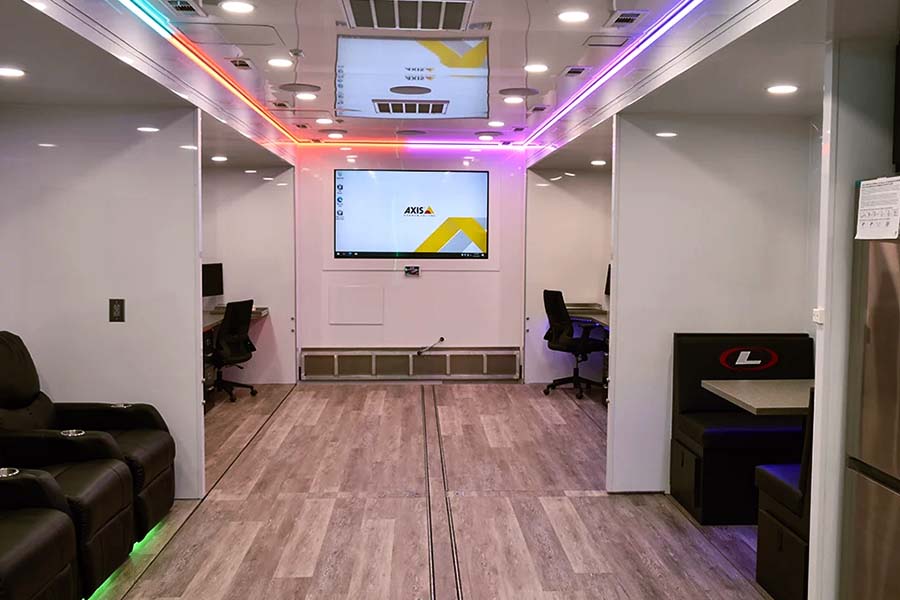
Ergonomic interior design
When you dispatch your team, you want to optimize their effectiveness. This is why mobile command centers’ interior design includes ergonomic considerations. These units’ interior layout and design must emphasize functionality, accessibility, and user comfort.
Features that contribute to a cohesive working environment, especially during prolonged operations, include:
- Climate Control Systems (AC, Heating, etc.)
- Adjustable Workstations
- Ergonomic Seating
- Appropriate Lighting
Source: craftsmenind.com
Utilities and power systems
Because mobile command centers are often dispatched in remote areas hit by disasters (natural or otherwise), they need self-contained power units. Command centers may operate by themselves by having self-contained power and utility systems.
These systems ensure uninterrupted power supply to the command center equipment, communication systems, etc, regardless of whether external power sources are available or not. Self-contained utility and power systems usually include the following:
- Generators
- Solar panels
- Batteries
- Power management solutions
Role of Command Centers in Surveillance Operations
Mobile command units play a crucial role in the effective response of frontline officials. Various government and emergency agencies use mobile command unit vehicles.
First responders
Command centers are incredibly beneficial for emergency first responders such as:
- Fire departments
- Emergency medical services (EMS)
- Law enforcement agencies
- Search and rescue systems
Mobile command centers enable first responders to coordinate response efforts during accidents and large-scale emergencies.
Government agencies
Different government agencies may benefit from command centers, like those responsible for:
- Public safety
- Public health
- Homeland security
- Transportation
Mobile command units enable these government agencies to manage incidents and security operations. Government agencies may protect public safety and health by deploying mobile command centers.
Surveillance and research
Environmental agencies and scientific research organizations may use mobile command units in their fieldwork. This includes field research, data collection, and monitoring in remote or challenging environments.
Health agencies
Command centers are beneficial for health agencies because of their self-contained power sources. They are also useful as they have the facilities to transport medical equipment to remote areas.
Health agencies use mobile medical units during health emergencies, vaccination campaigns, and pandemics. With a mobile command center, emergency responders may coordinate
- Rapid response
- Offer medical services
- Communicate with the public
How Surveillance is Conducted Using Mobile Command Units
A fast response is crucial in emergencies. First responders must deploy resources quickly to the affected areas to prevent further damage and manage the situation. For this purpose, a mobile command center offers emergency teams a centralized hub for coordination, communication, and command.
Command centers are deployed in response to natural disasters and emergencies, including:
- Emergency response – fires, natural disasters, and health emergencies.
- Large events and gatherings – sports events, concerts, and festivals. Here, seamless communication and coordination between more agencies is required.
- Natural disaster recovery missions – situations where providing timely medical support and coordinating relief to the affected area is time-sensitive.
- Law enforcement operations – hostage negotiation situations or SWAT team activities.
- Military operations – aircraft control centers or field command centers for troops.
- Mobile clinics – ensuring people in remote areas or disaster zones have access to medical services.
Source: craftsmenind.com
Conclusion
How are mobile command centers used for surveillance? Mobile command centers are equipped with state-of-the-art technology, communication systems, and incident management facilities. This allows emergency agencies to surveil affected areas.
Many health and safety agencies may benefit greatly from investing in self-powered mobile command centers.
Filter Posts by Tag
related posts
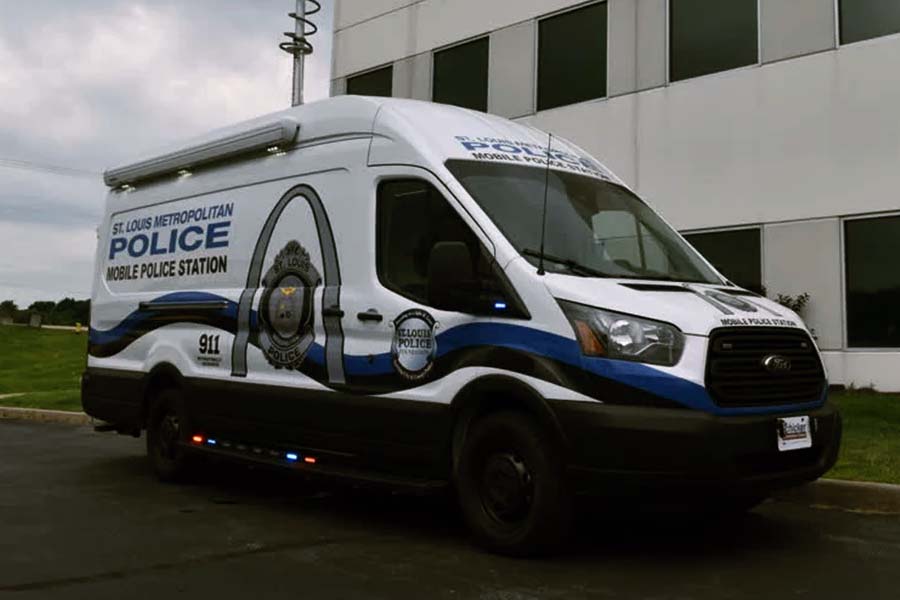
Are you wondering what is a police mobile command vehicle used for? Read this article to discover the diverse capabilities of MCVs in modern law enforcement!
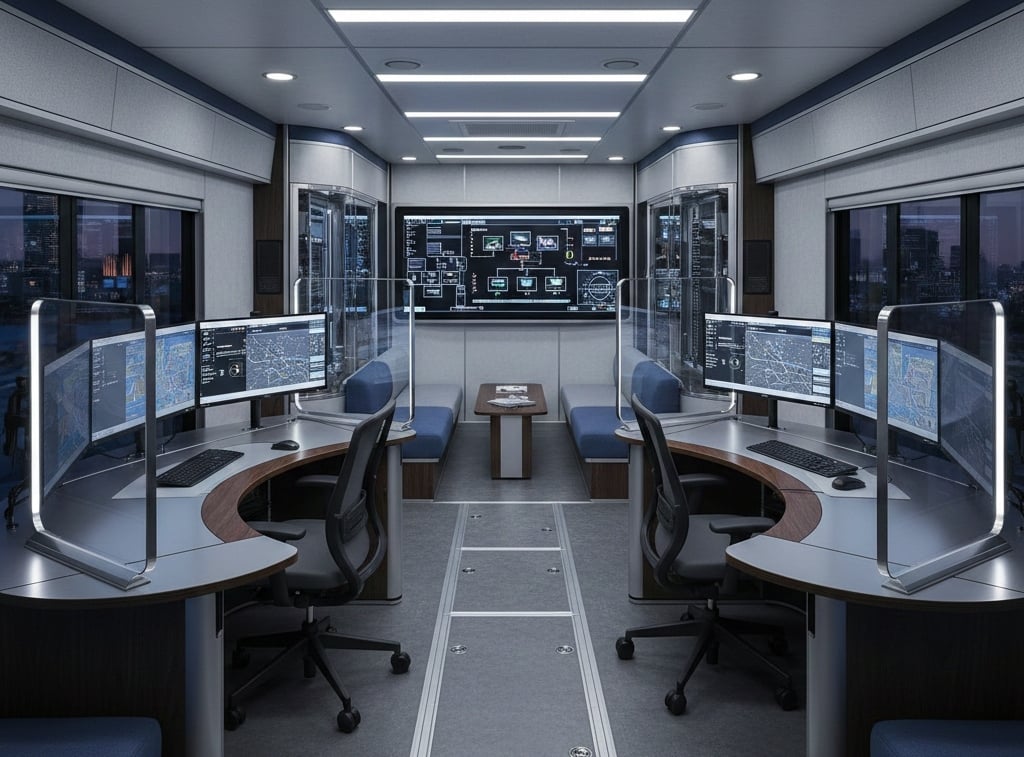
Maximize mission flexibility with modular mobile command unit interiors. Rapid deployment, scalable layouts, and ergonomic design ensure operational efficiency and safety.
Are you wondering what factors to consider when choosing a mobile command center for your healthcare agency or organization? Find out the answer here!
